Tioman Island Conservation & Biodiversity Walk
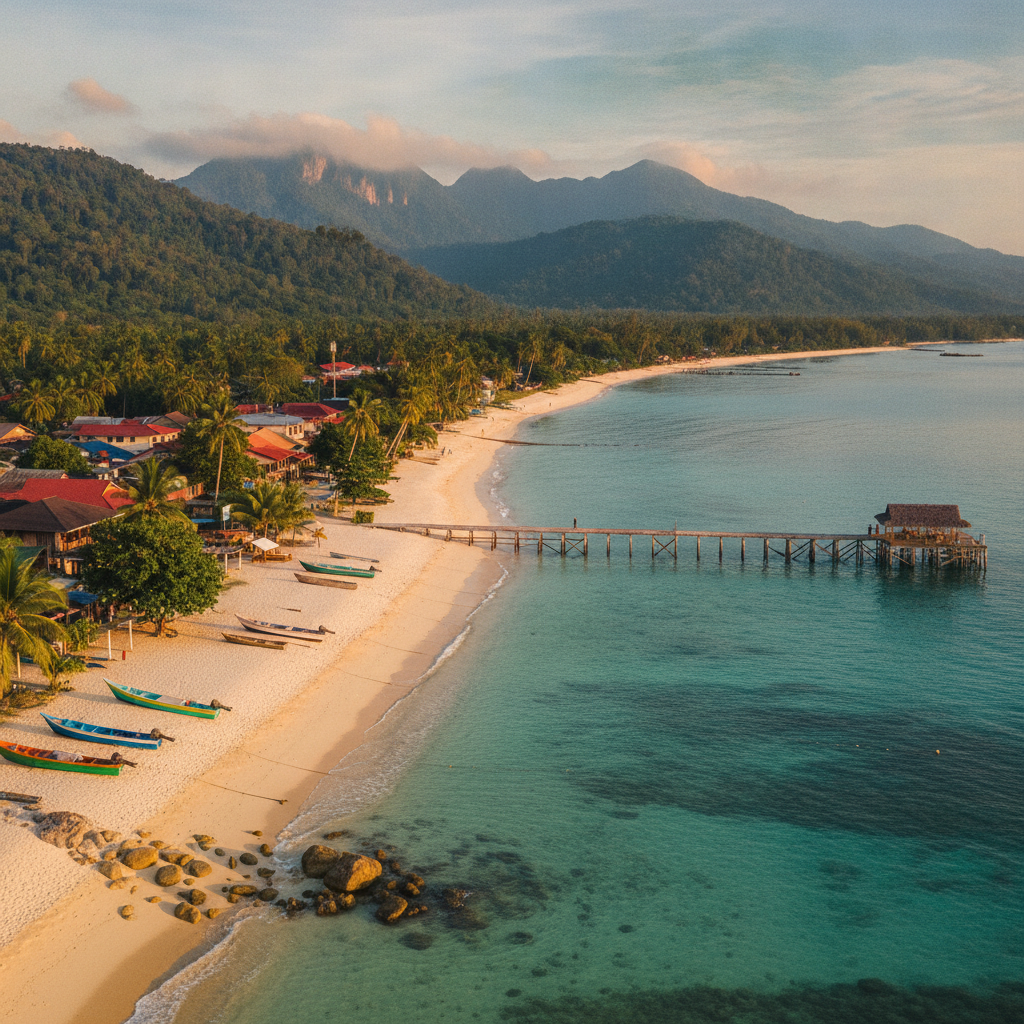
Discover Tioman's conservation significance — the island is an Important Bird Area (IBA), a UNESCO Biosphere Reserve candidate, and a Marine Park, protecting a complete island ecosystem that ranges from coral reef through coastal forest to montane cloud forest, with several species found nowhere else on Earth.
- 1
Tioman Endemics Birdwatching
Tioman Island has its own endemic subspecies of several bird species, developed during the island's geological isolation from the mainland — the Tioman Leaf Warbler (Phylloscopus isolatus), considered by some authorities a full species, is the island's only strict endemic bird. The wider range of island-specific subspecies (of the Olive-backed Sunbird, the Scarlet Minivet, and several other species) provides interest for ornithologists tracking the process of island subspeciation that is one of the most important mechanisms of avian diversification in the Indo-Pacific archipelago region.
- 2
Tioman Marine Park Coral Restoration
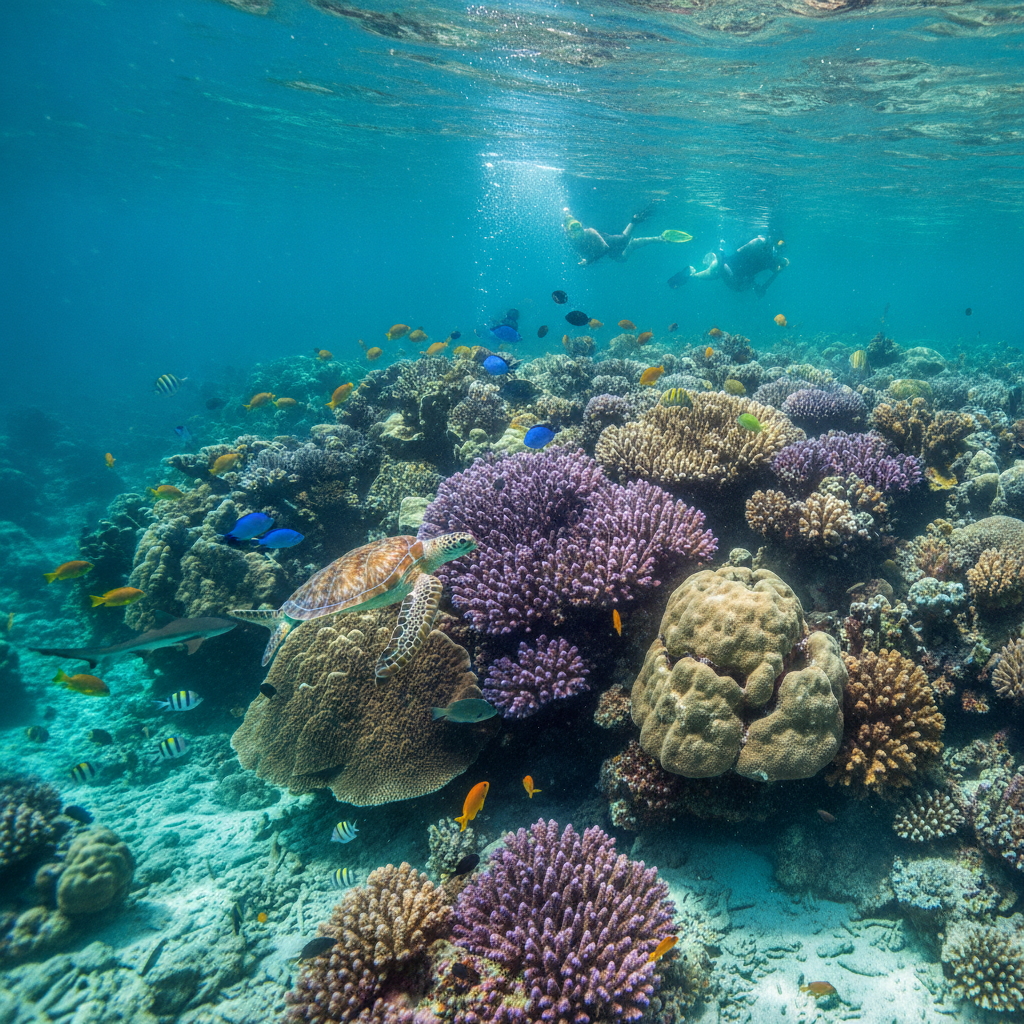
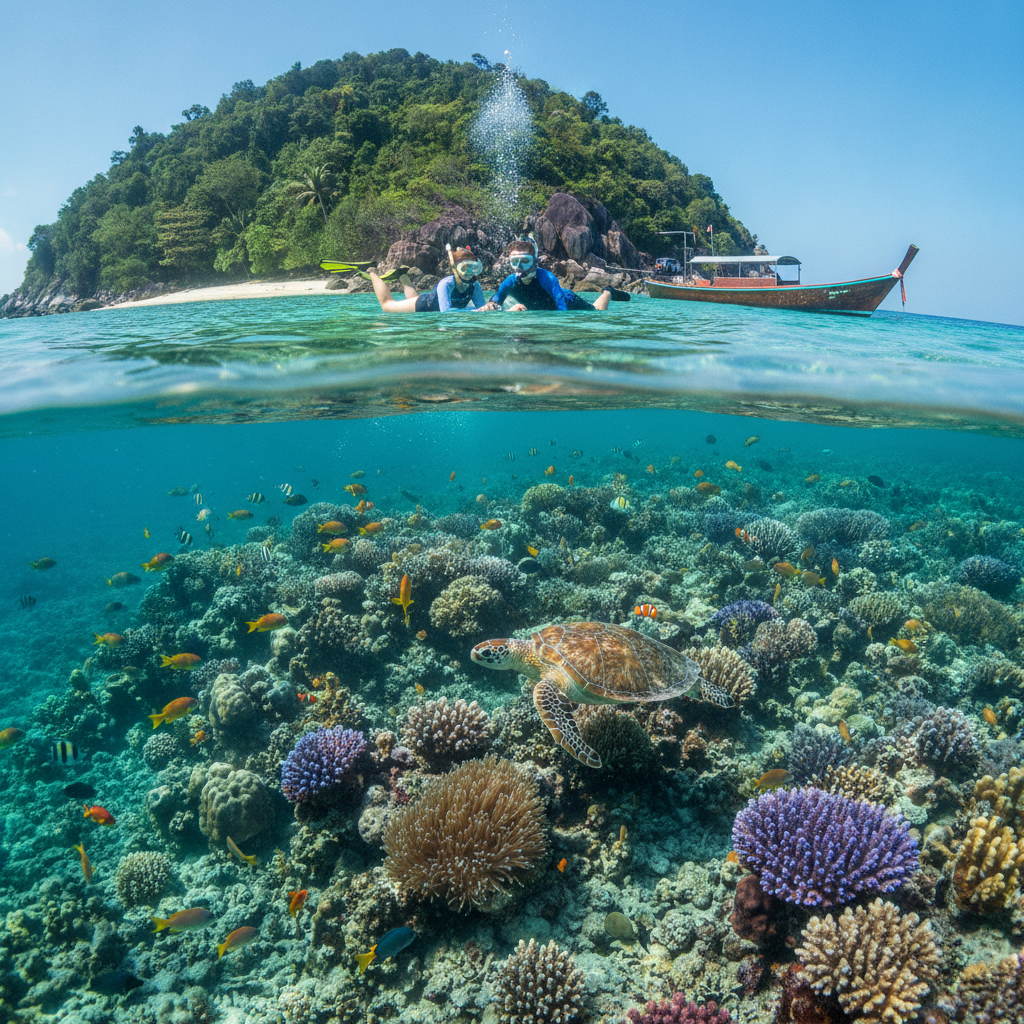
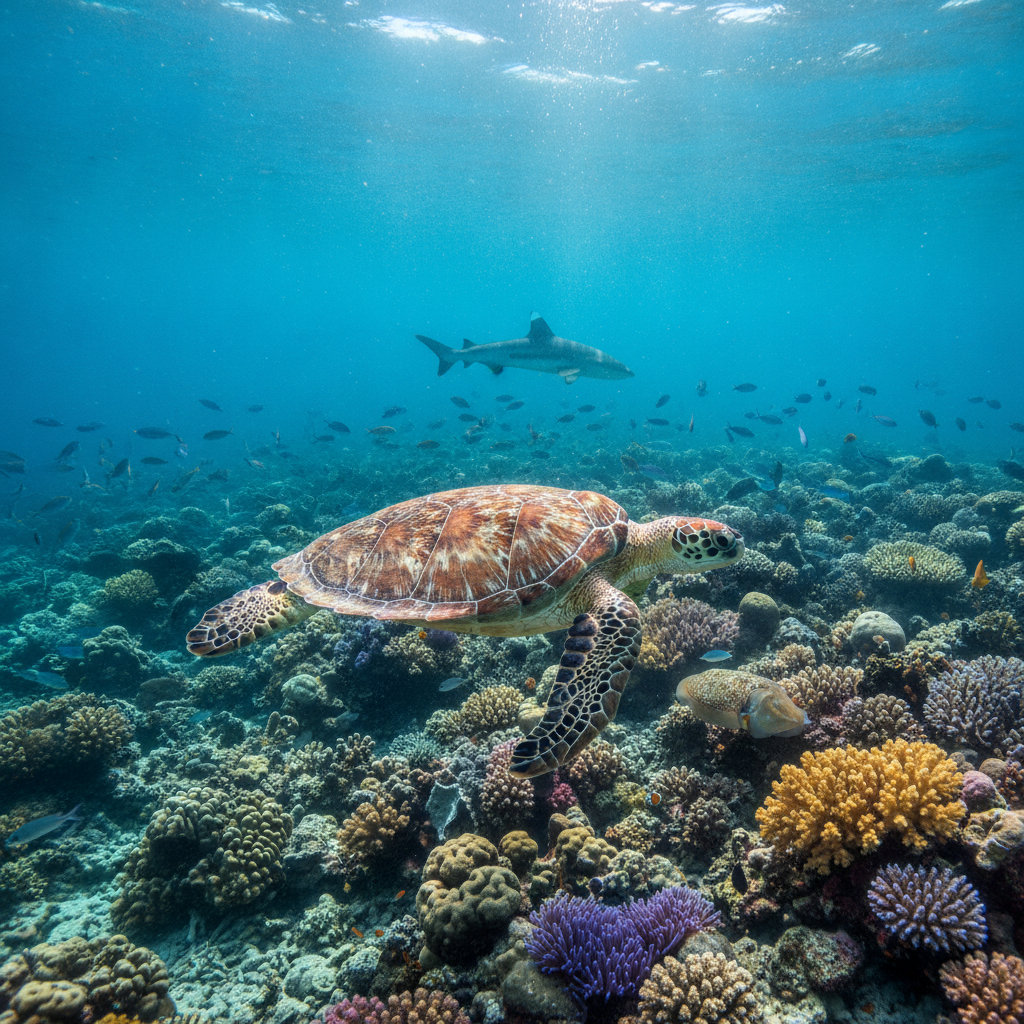
The coral restoration programme operating from Tioman's dive centres is one of the most active citizen science marine conservation projects in Malaysian waters — the programme involves dive volunteers in collecting coral fragments from broken or stressed colonies, growing them on underwater nursery structures (typically repurposed table frames or metal structures on the sandy bottom), and transplanting the grown fragments onto degraded reef areas. The coral nurseries at 5-8 metres depth in the bay off Air Batang are visible to snorkelers and provide a direct visual demonstration of the active marine conservation work happening on Tioman's reef.
- 3
Turtle Nesting Beach Protection
The Marine Park Rangers' turtle nest protection programme at Juara Beach monitors all green turtle (Chelonia mydas) and occasional hawksbill turtle (Eretmochelys imbricata) nests on Tioman's beaches — each nest is GPS-located, the nest perimeter is fenced with stakes and tape, and the clutch is monitored through incubation (approximately 60 days) to assess hatching success. The nest protection programme, which relocates nests at risk from erosion or inundation to safer positions on the beach, has significantly improved the number of hatchlings entering the sea from Tioman's beaches each year.
- 4
Tioman Mangrove Ecosystem
The mangrove forests at the mouths of Tioman's streams (particularly at the Tekek River mouth and along the sheltered inlets of the east coast) are one of the most complete mangrove ecosystems on any Malaysian offshore island — the mangrove with its Rhizophora, Avicennia, and Bruguiera tree communities provides nursery habitat for the juvenile reef fish, filter-feeding for the coastal water quality, and the structural protection against wave erosion that makes it among the most ecologically valuable habitats on the island. The mangrove ecosystem's contribution to reef fish recruitment (juvenile snapper, grouper, and other reef species develop in the mangrove before moving to the coral reef) makes its conservation essential to the health of the diving and fishing economy.
- 5
Tioman Clouded Monitor Lizard
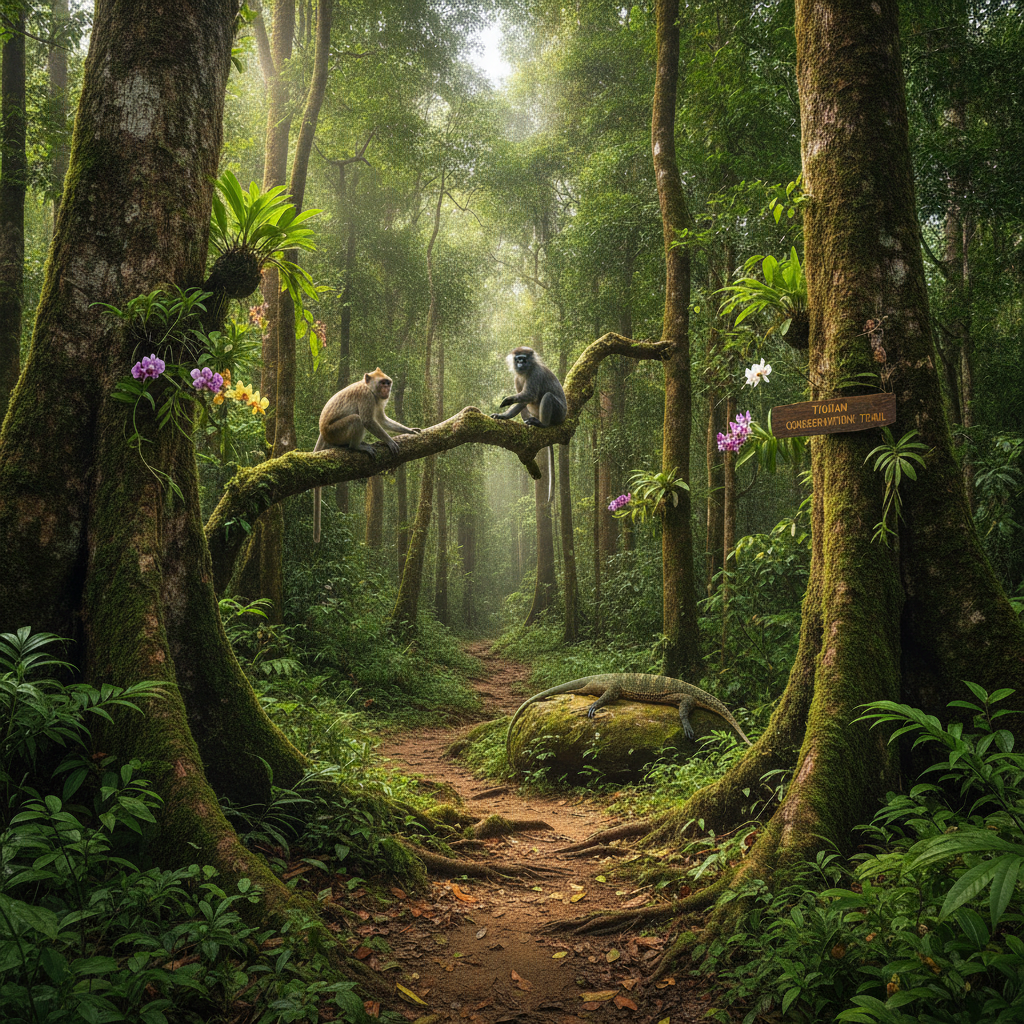
The clouded monitor lizard (Varanus nebulous) and the common water monitor (Varanus salvator) are the largest terrestrial reptiles on Tioman Island — the water monitors, reaching 2 metres in length, are regularly seen along the island's rivers, at the edges of the mangroves, and occasionally on the beaches where they scavenge the refuse from the resort kitchens. The water monitor's scavenging role is ecologically important in the island ecosystem (removing food waste and carrion that would otherwise attract rats and other pest species), and their tolerance of human presence makes them one of the most reliably observable large wildlife species on Tioman.
- 6
Tioman Conservation Future
Tioman Island's conservation future depends on balancing the tourism economy that provides the livelihoods of the island's permanent community with the protection of the marine and terrestrial ecosystems that make the island worth visiting — the key challenges include managing the growth of resort accommodation within the marine park's restricted development zone, controlling the wastewater and solid waste generated by the tourism industry, and maintaining the fishing culture of the traditional community alongside the marine park's restrictions on fishing within the protected zone. The island's community-based conservation initiatives, in which the local fishing families are engaged as marine park rangers and coral restoration volunteers, represent the most promising model for sustainable marine tourism in Malaysian waters.
Walk this route with audio
Stories play automatically as you reach each stop — no tapping needed.