Tierra del Fuego National Park: Subantarctic Wilderness
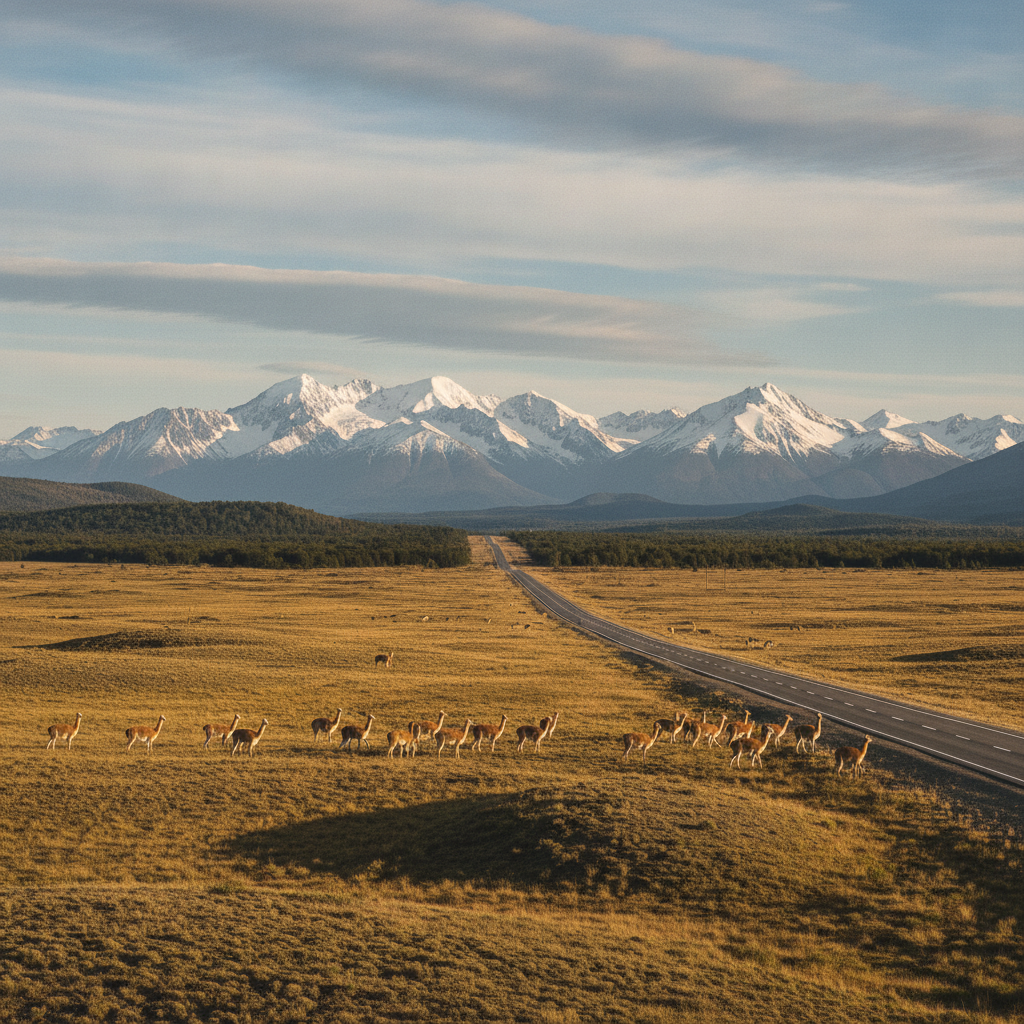
The Parque Nacional Tierra del Fuego — 63,000 hectares of subantarctic forest, lakes, and channels at the tip of South America — is Argentina's only national park with a coastline on the Pacific; the Lapataia Bay, the lenga beech forests, and the Beagle Channel shoreline make it unlike any other Argentine park
- 1
Lapataia Bay
Lapataia Bay - the terminus of the Pan-American Highway at the southern end of the park - is the symbolic end of the road from Alaska; the Pan-American Highway begins in Prudhoe Bay, Alaska and ends here, 17,848 km later, at the Lapataia Bay sign; the combination of the symbolic end-of-the-road location and the spectacular sub-Antarctic landscape makes Lapataia one of the most charged geographical points in the Americas
- 2
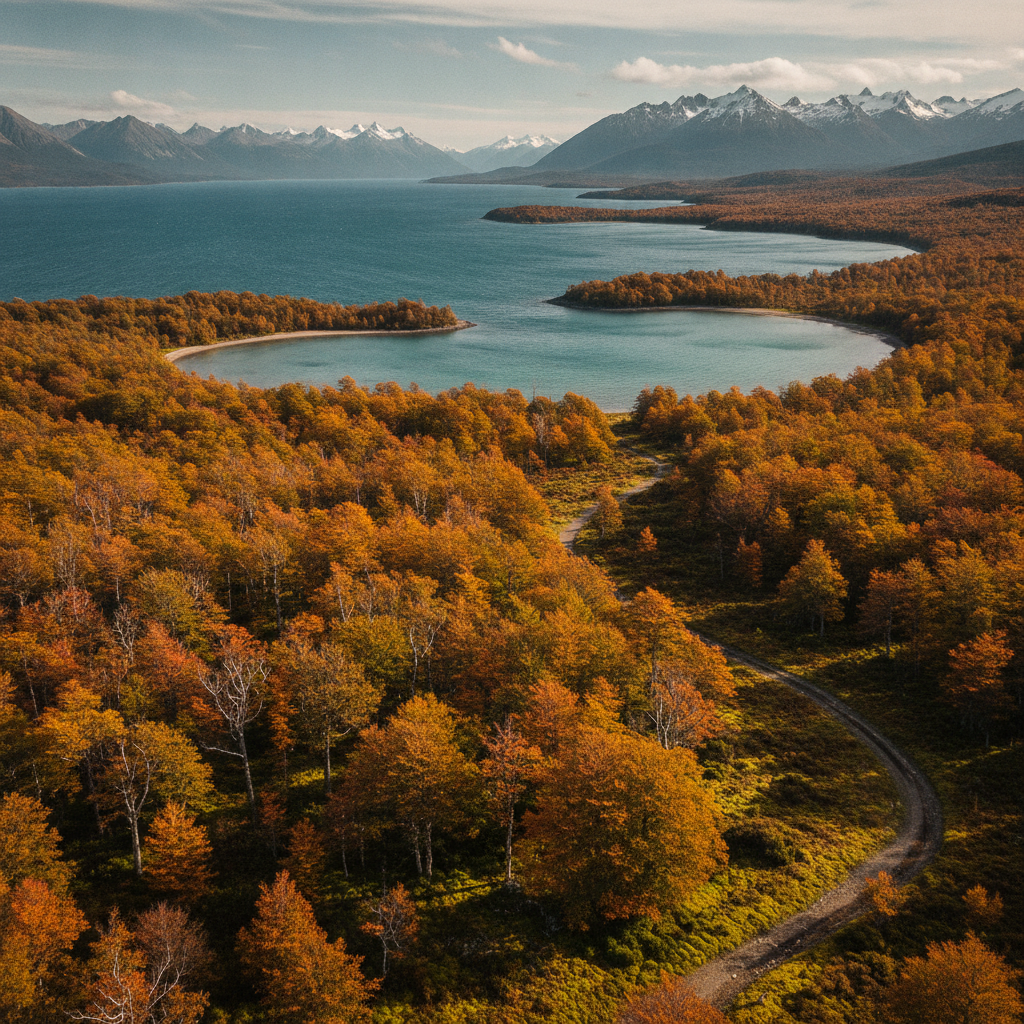
Lenga Beech Forest
The tall beech forest (Nothofagus pumilio) of Tierra del Fuego - with its gnarled trunks, lime-green spring leaves and spectacular copper-gold autumn colors (April-May) - is the quintessential subantarctic landscape; Longan is the southernmost tree species in the world; the forest's mossy floor, the silence and the birdlife (Magellanic woodpecker, steamer duck) are extraordinary
- 3
Coastal walk
The park's coastal trails - particularly Costera (8km, which follows the Beagle Channel coast) and Pampa Alta (6km, through the beech forest above the channel) - offer the best combination of channel views, forest and wildlife; the chance of seeing sea lions, cormorants and Magellanic penguins from the coastal path is high
- 4
Lago Roca and Camping
Lago Roca – the large lake at the heart of the park – has the park's main campsite and the most accessible trout fishing (brook trout, brook trout and rainbow trout were introduced to the subantarctic rivers in the 20th century and are now the basis of Ushuaia's fly fishing tourism); the campsite is popular with Argentinian and international backpackers
- 5
Beavers — Ecological Disaster
North American beavers (introduced in 1946 to establish a fur industry that never developed) have devastated the Tierra del Fuego ecosystem — beaver dams have flooded thousands of hectares of lengabok forest; the beaver ponds and the silvery gray standing dead trees they killed are visible throughout the park; the eradication program is ongoing but the ecological damage will take centuries to repair
- 6
Subantarctic Climate
Tierra del Fuego's climate is subarctic in character — temperatures rarely exceed 12°C in summer; the wind (the Patagonian wind, locally called 'God's broom') is constant and often intense; the light (especially in summer when the days last 17 hours) has an extraordinary clarity; the unpredictability of the weather (four seasons in one day) is the defining experience in the far south
Walk this route with audio
Stories play automatically as you reach each stop — no tapping needed.
More in Tierra del Fuego
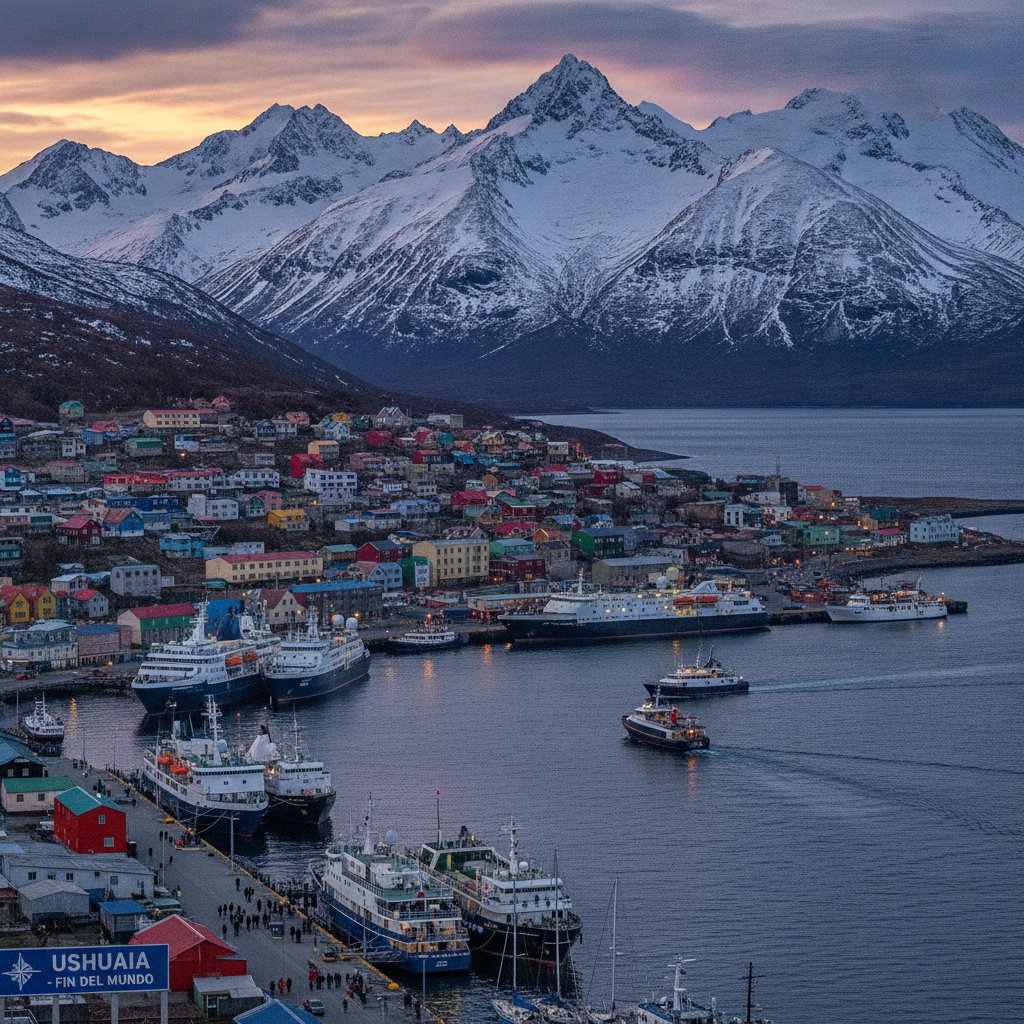
Ushuaia: The World's Southernmost City
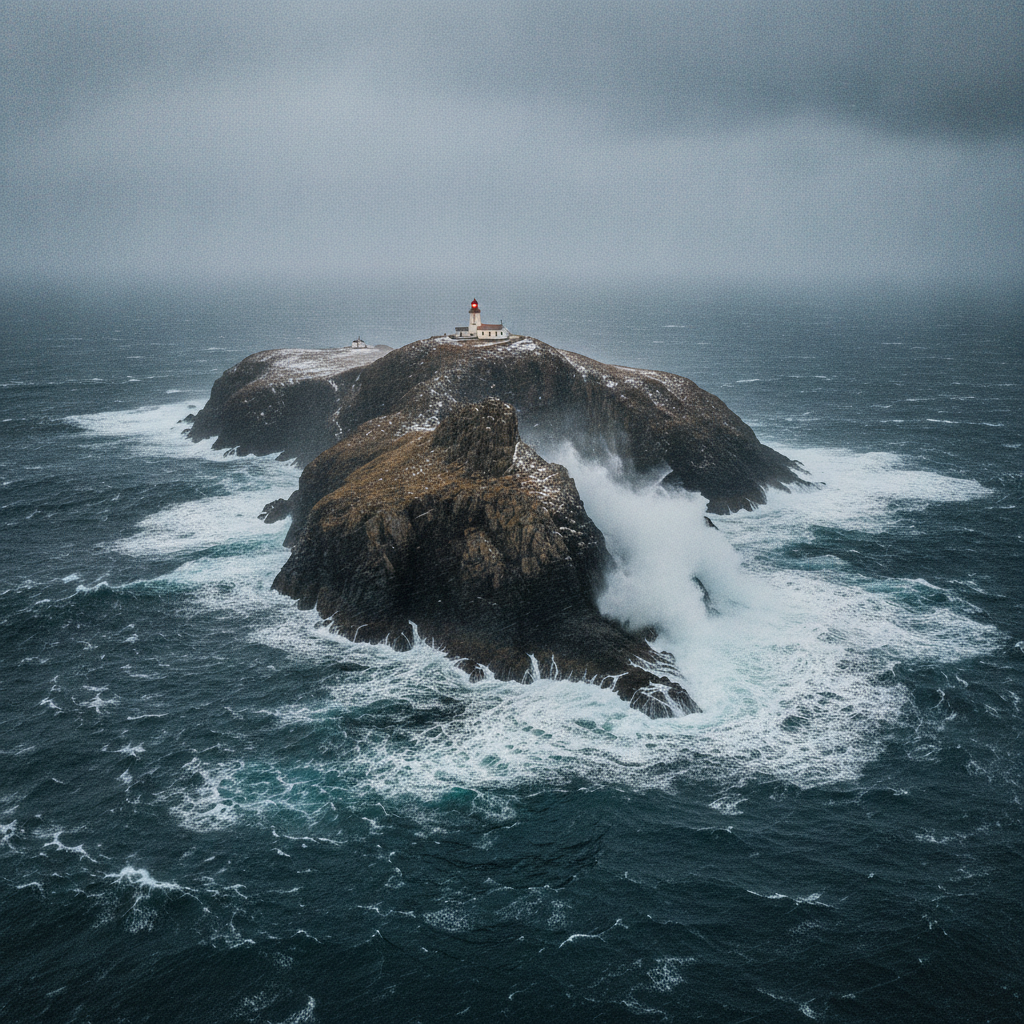
Cape Horn: The End of the World
Ushuaia as Antarctica Gateway: The Last Continent
Ushuaia in Winter: The World's Southernmost Ski Resort

Ushuaia's Table: King Crab and the Southern Ocean