Quebrada de Humahuaca: UNESCO Coloured Canyon
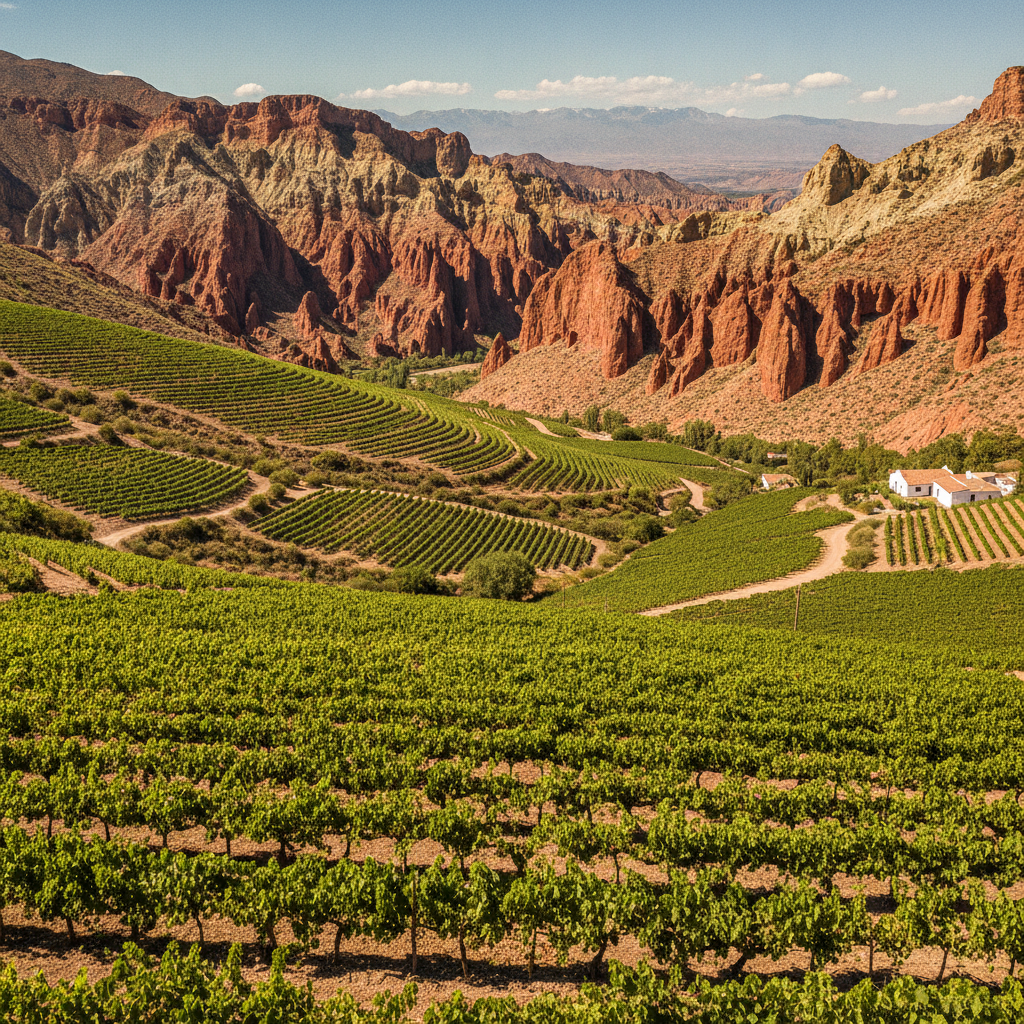
The Quebrada de Humahuaca — a 155 km canyon in Jujuy province, 3 hours from Salta — is a UNESCO World Heritage landscape of extraordinary coloured rock formations, pre-Inca villages, and living Andean culture; the Cerro de los Siete Colores above Purmamarca is the most photographed natural site in northwest Argentina
- 1
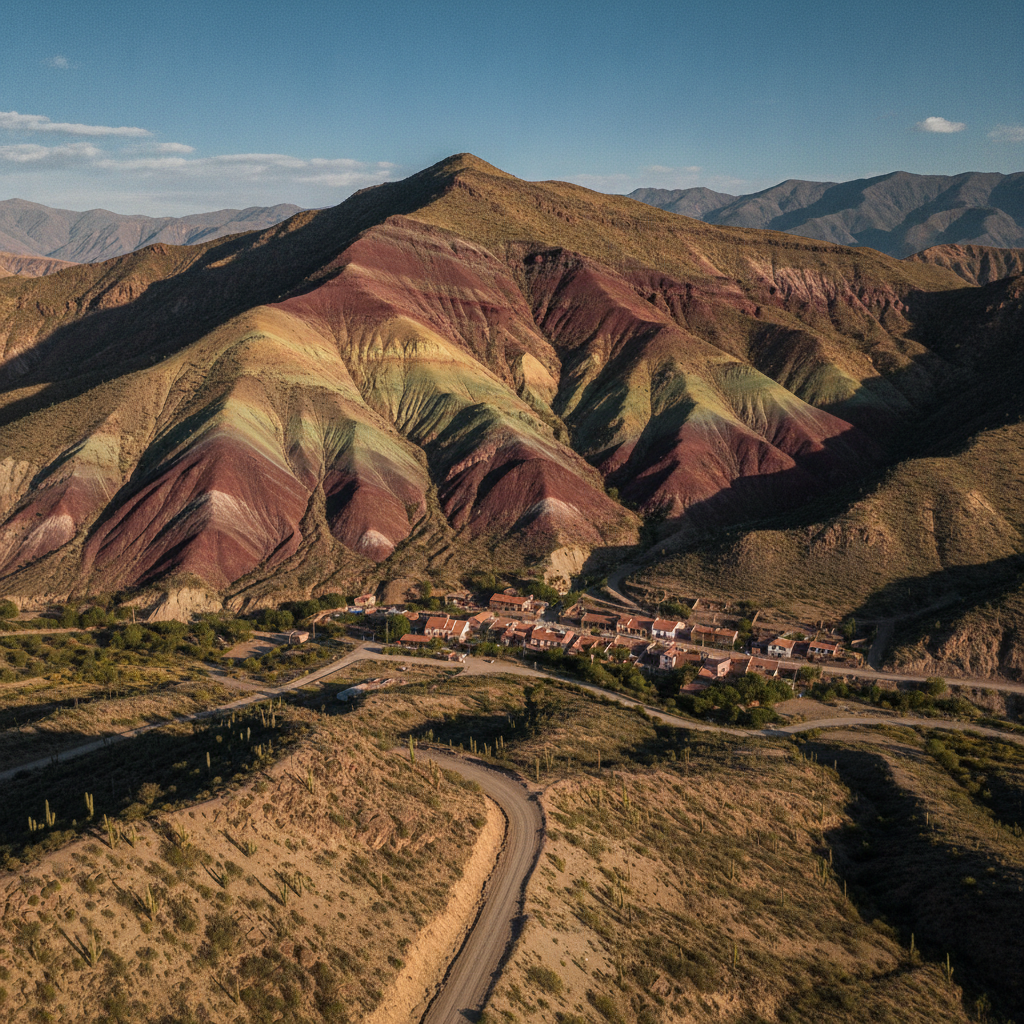
Cerro de los Siete Colores
The Hill of Seven Colors above Purmamarca - its rock face streaked with red, orange, yellow, green, grey, white and purple mineral bands - is the defining image of northwestern Argentina; the colors change with the light during the day; the best viewing is in the morning light or at sunset when the mineral colors are at their most saturated
- 2
Purmamarca Village
Purmamarca – a small indigenous village in Kolla at the foot of the Seven Colors mountain – has a colonial church (San Francisco de Asís, 1648), a famous artisan market with Andean textiles and crafts, and the most photographed street in northwestern Argentina (the adobe-walled Calle de los Artesanos); the attitude of the village towards the colored mountain is extraordinary
- 3
Tilcara and Pucará
Tilcara – the largest village in the Quebrada – has the Pucará de Tilcara (a pre-Inca defensive fortress, now reconstructed) and the Museo Regional de Pintura José Antonio Terry; Pucará's hill above the quebrada and the museum's collection of pre-Columbian artifacts and regional art make Tilcara the most culturally rich stop in the canyon
- 4
Humahuaca Town
Humahuaca - at the northern end of the quebrada - has a colonial town with the famous mechanical figure of the Cabildo clock (a painted indigenous figure that appears to mark the noon hour) and the monument to the independence heroes; the town is the most indigenous of the quebrada villages and the Thursday and Sunday markets are the most authentic
- 5
Andean road culture
Route 9 through the Quebrada de Humahuaca – lined with cacti, colored rock walls and adobe villages – is one of South America's great scenic drives; the villages of Maimará (with its multicolored Painter's Palette hill), Uquía and Huacalera are worth stopping at on the way through the canyon
- 6
Check Indigenous culture
The Kolla people – the indigenous inhabitants of Quebrada de Humahuaca – maintain pre-Inca agricultural practices, Andean festivals (Pachamama, Carnaval) and the traditional music of siku (pan flute) and erke (huge horn); the living Kolla culture gives the UNESCO landscape its human depth beyond the spectacular geology
Walk this route with audio
Stories play automatically as you reach each stop — no tapping needed.
More in Salta

Salta's Folklore: The Soul of Northwest Argentina
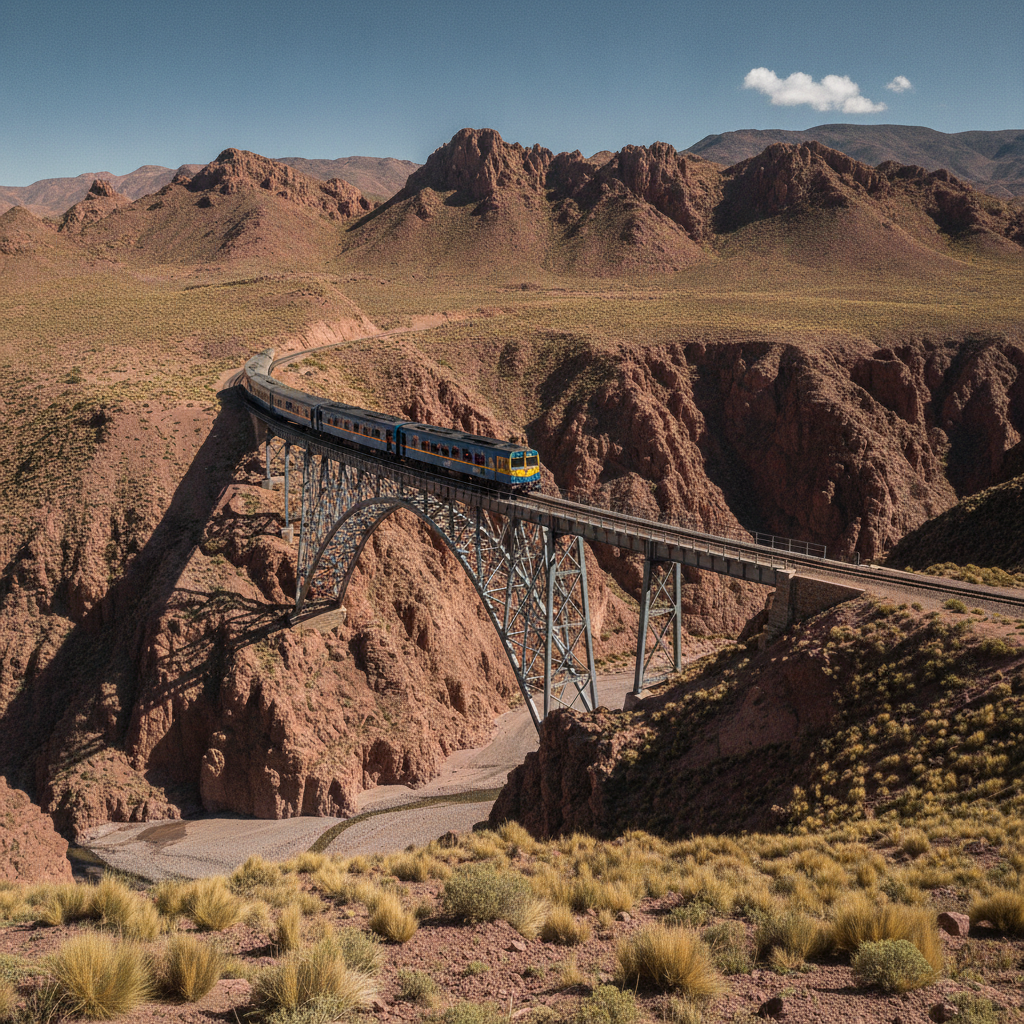
Train to the Clouds: One of the World's Great Railway Journeys
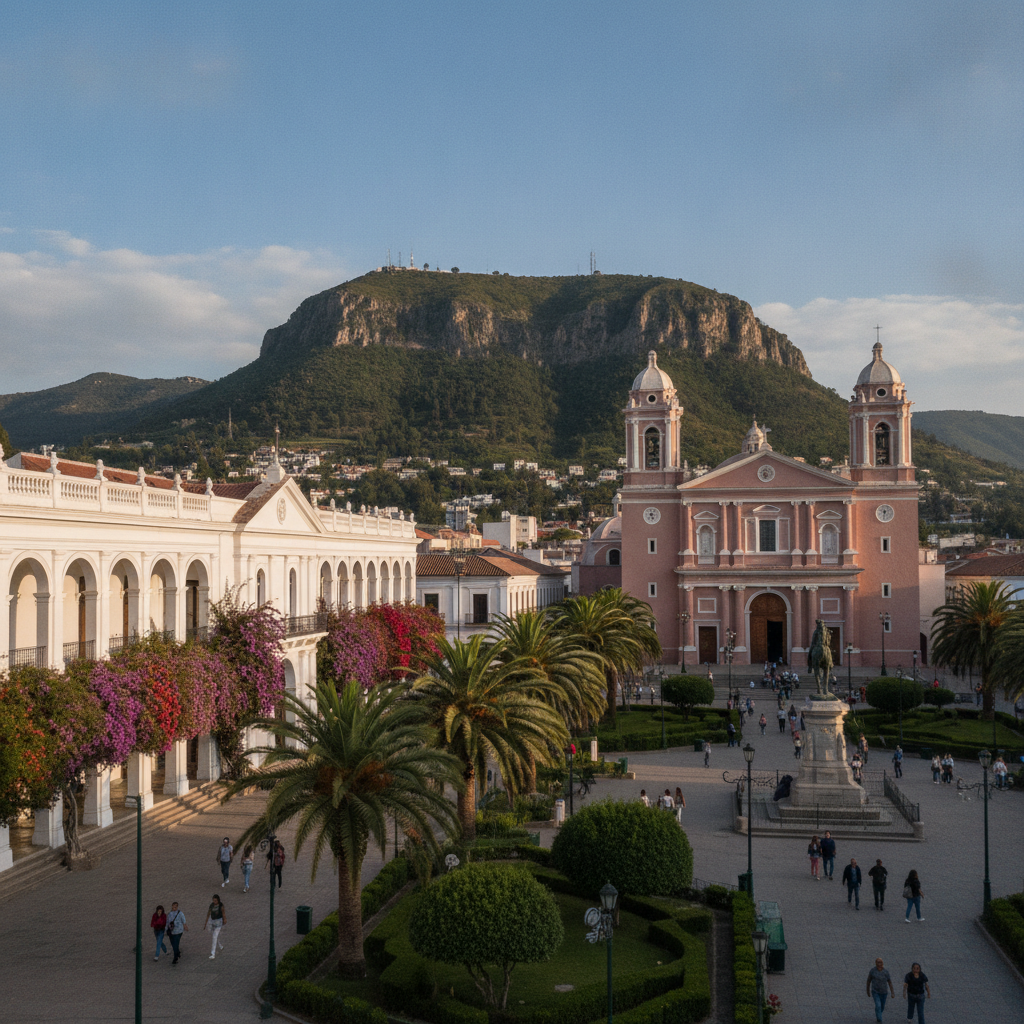
Salta la Linda: Argentina's Most Beautiful Colonial City
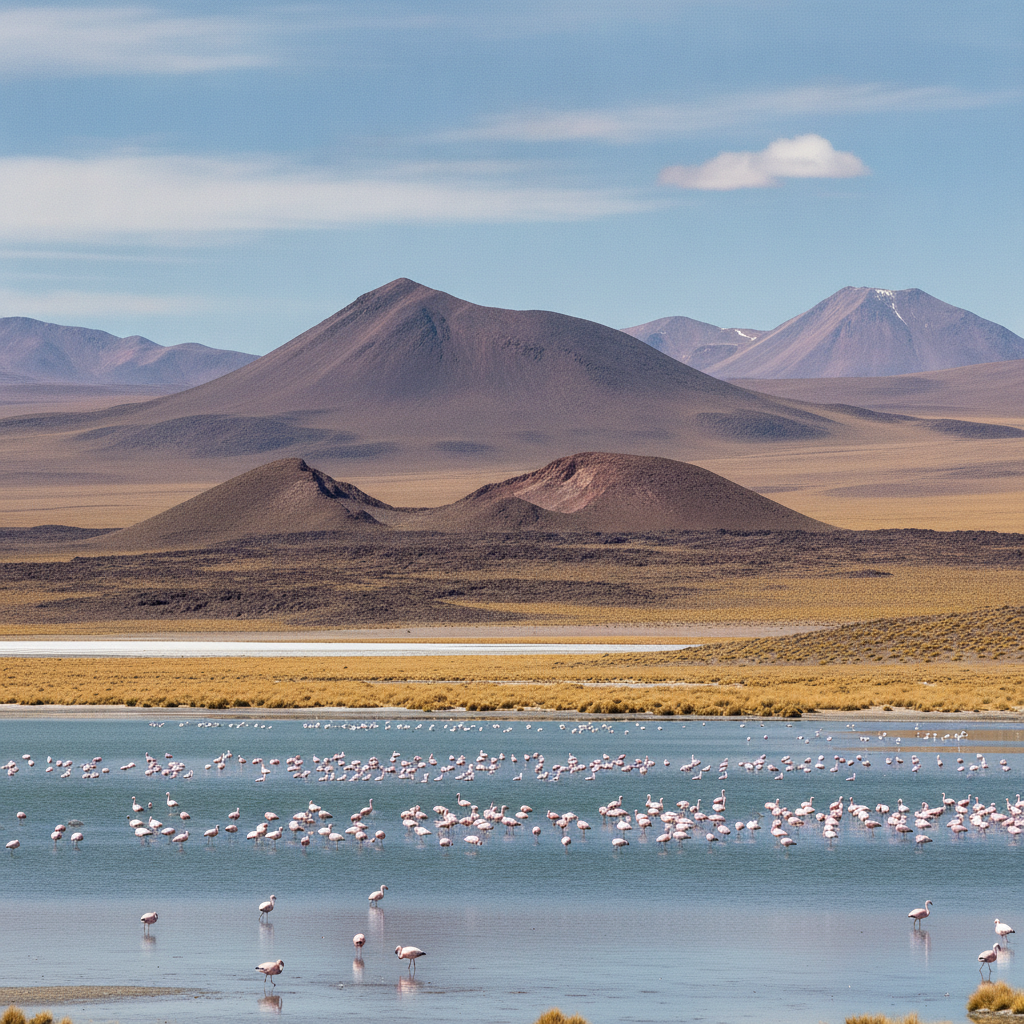
Salta's Puna: Flamingos and Volcanoes at the End of the World
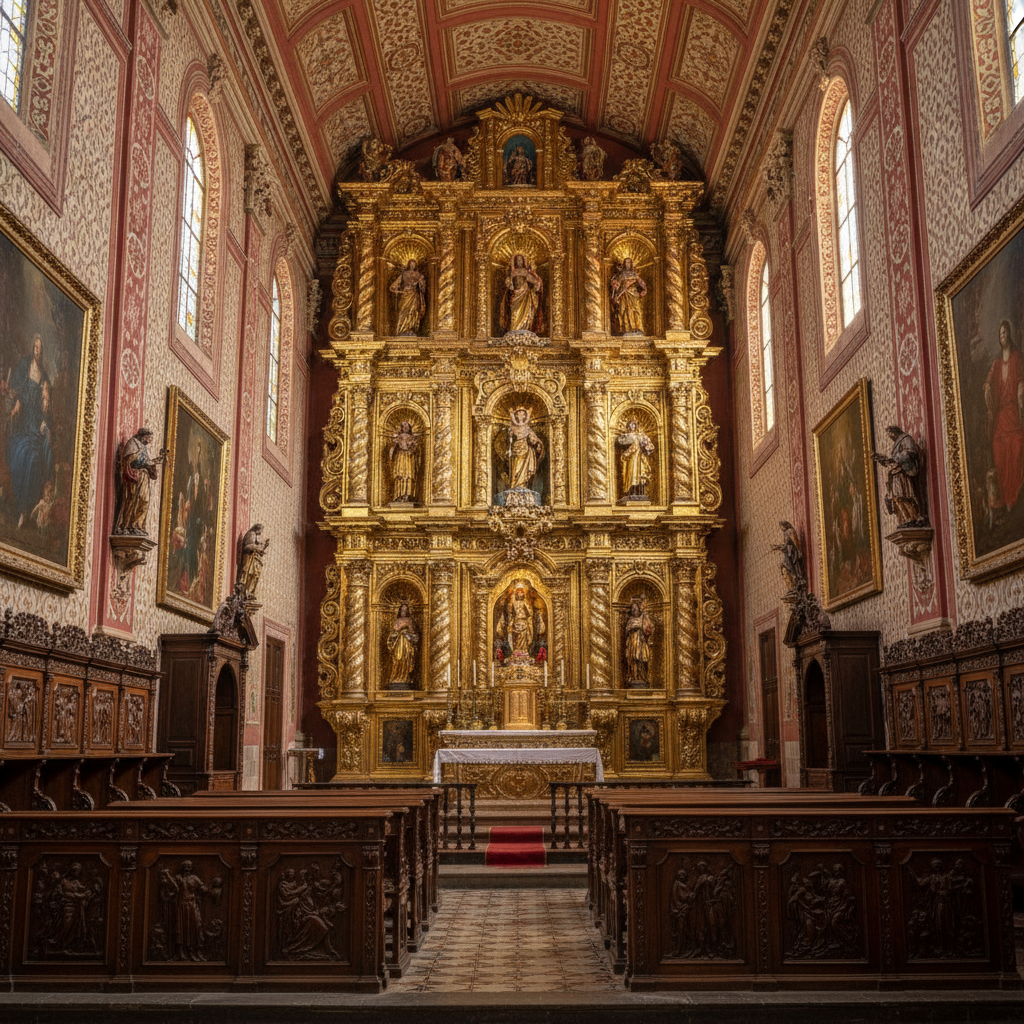
Salta's Colonial Churches: Baroque in the Andean Northwest