Rottnest Wildlife
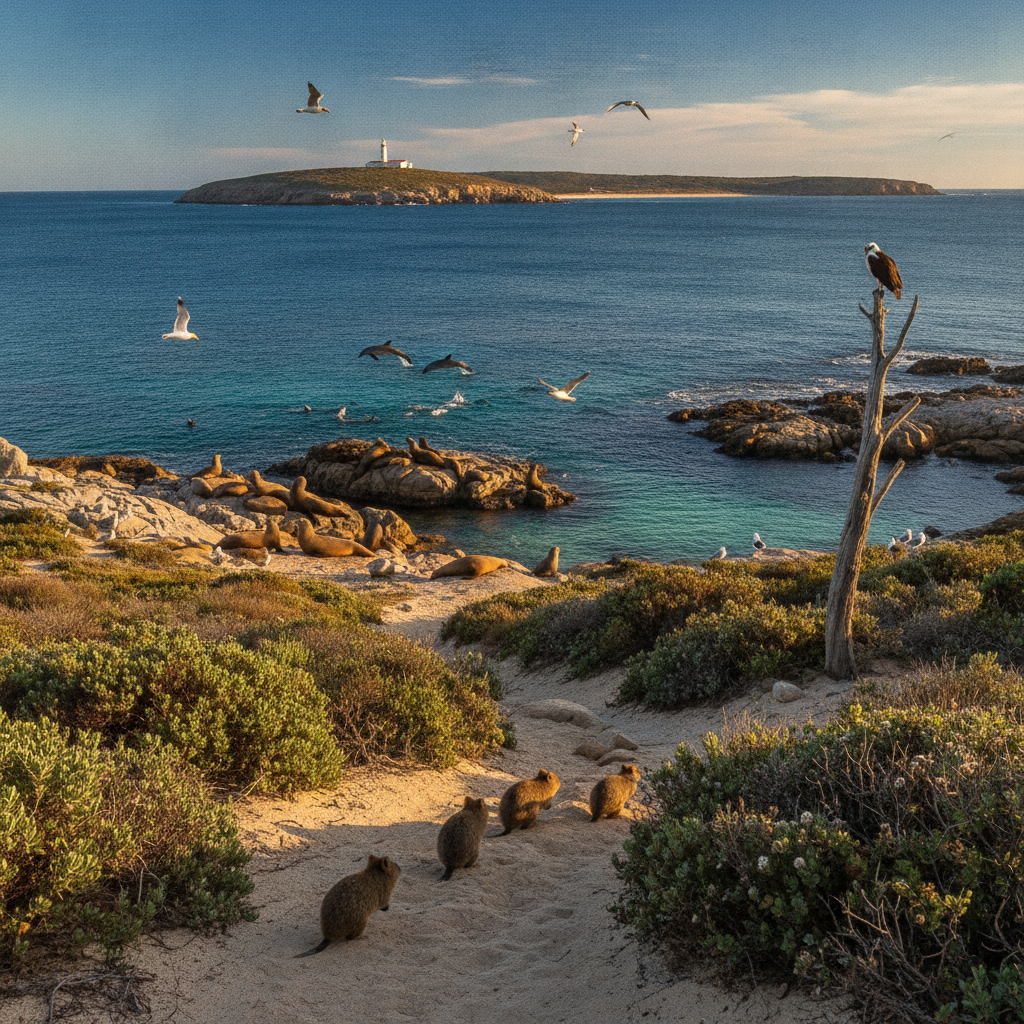
Experience the diverse wildlife of Rottnest Island beyond the famous quokkas where the Australian sea lions at Cathedral Rocks, the dolphins in Thomson Bay, the osprey nesting on the offshore sea stacks, and the 100 bird species make the island a wildlife destination of considerable richness.
- 1
Quokkas in the Wild
Find the quokkas in the natural bush of Rottnest Island away from the tourist areas where the small marsupials in their natural habitat feeding on the island vegetation and sheltering under the native shrubs provide a more genuine wildlife experience than the habituated individuals near the settlement.
- 2
Sea Lions
See the Australian sea lions at Cathedral Rocks on the south coast of Rottnest where the haul-out colony of fur seals and occasional sea lions rest on the limestone sea stacks, the marine mammals visible from the cliff path on the south coast or accessible by the sea lion discovery tour boat.
- 3
Dolphins
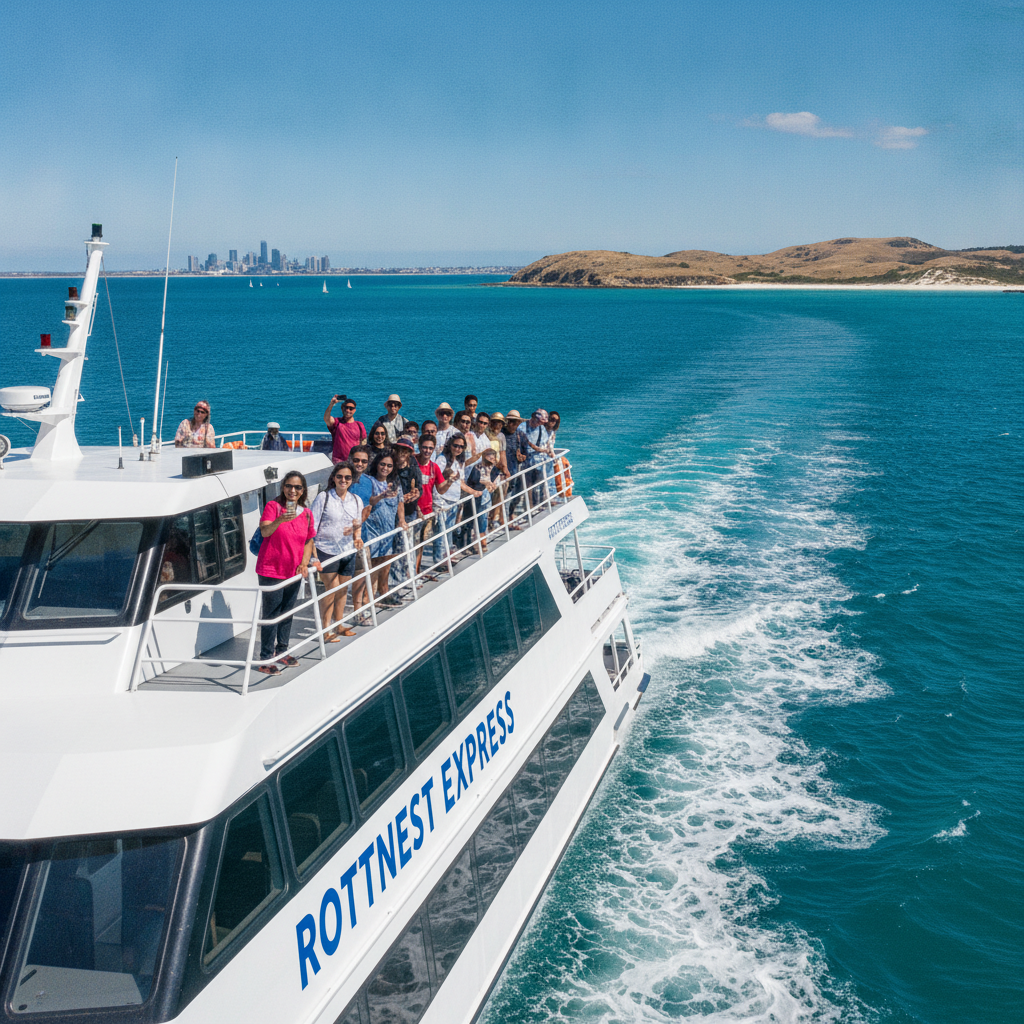
Watch the bottlenose dolphins that regularly visit Thomson Bay at Rottnest Island where the dolphins follow the fishing boats and forage in the shallow waters of the bay, the dolphin sightings frequent enough that most ferry crossings between Perth and Rottnest encounter dolphins in the open water.
- 4
Osprey Nesting
Spot the western osprey nesting on the sea stacks and the headlands around Rottnest Island where the large fishing raptor has established breeding colonies on the offshore limestone pillars, the osprey regularly seen circling above the bays and diving to catch fish in the clear Indian Ocean water.
- 5
Bird Life
Birdwatch on Rottnest Island where the 100 bird species include the Carnaby black cockatoo, the red-capped plover, the pied oystercatcher, the Pacific reef heron, and the migratory waders that use the salt lakes as a staging ground, the island one of the most accessible birdwatching destinations near Perth.
- 6
Marine Sanctuary
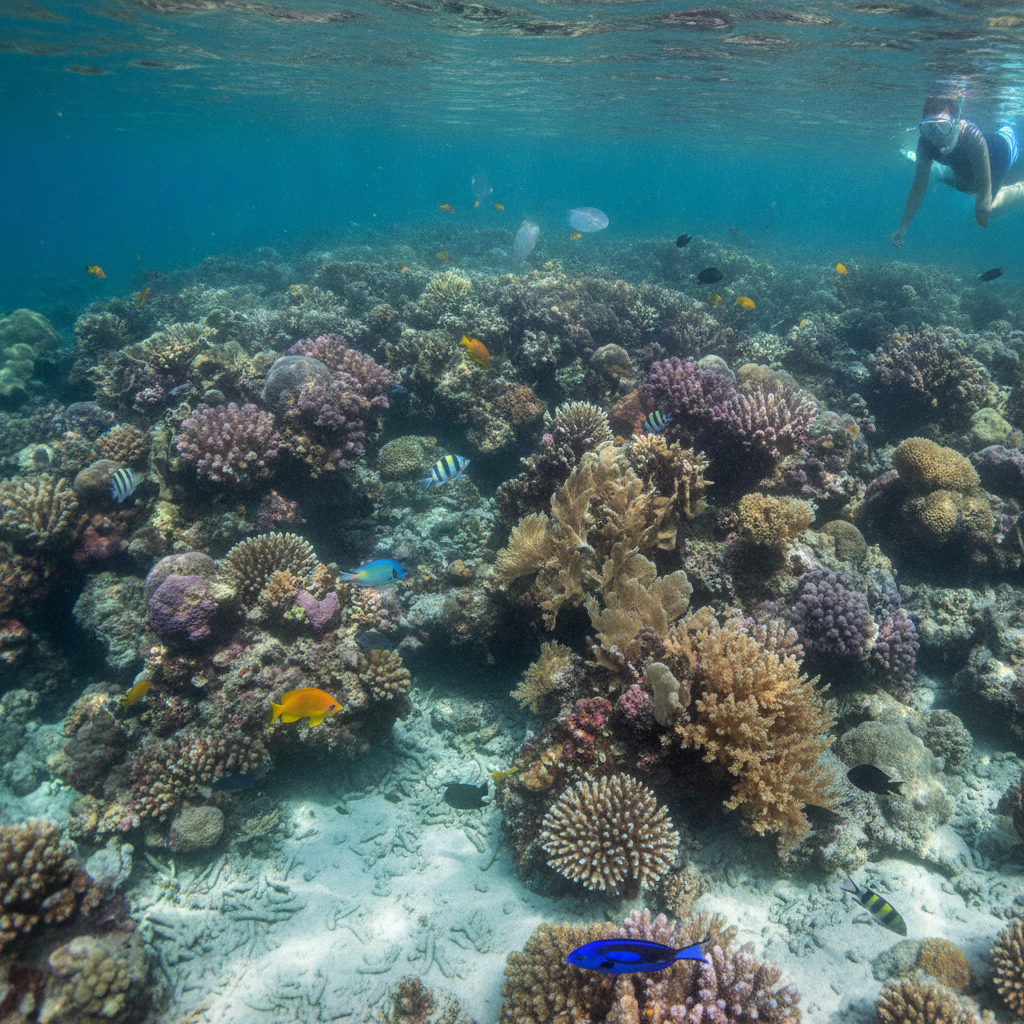
Understand the Rottnest Island Marine Reserve that protects the waters around the island from fishing and extraction where the sanctuary zones have dramatically increased the fish diversity and biomass since their establishment, the recovery of the reef ecosystem visible in the abundance of fish encountered by snorkelers.
Walk this route with audio
Stories play automatically as you reach each stop — no tapping needed.