Punta del Este's Architecture: The South American Riviera
Punta del Este's built environment — from the modernist apartment towers of the peninsula to the wood-and-glass beach houses of the Atlantic coast — reflects 100 years of Uruguayan architectural ambition and the aspirations of South America's wealthy elite
- 1
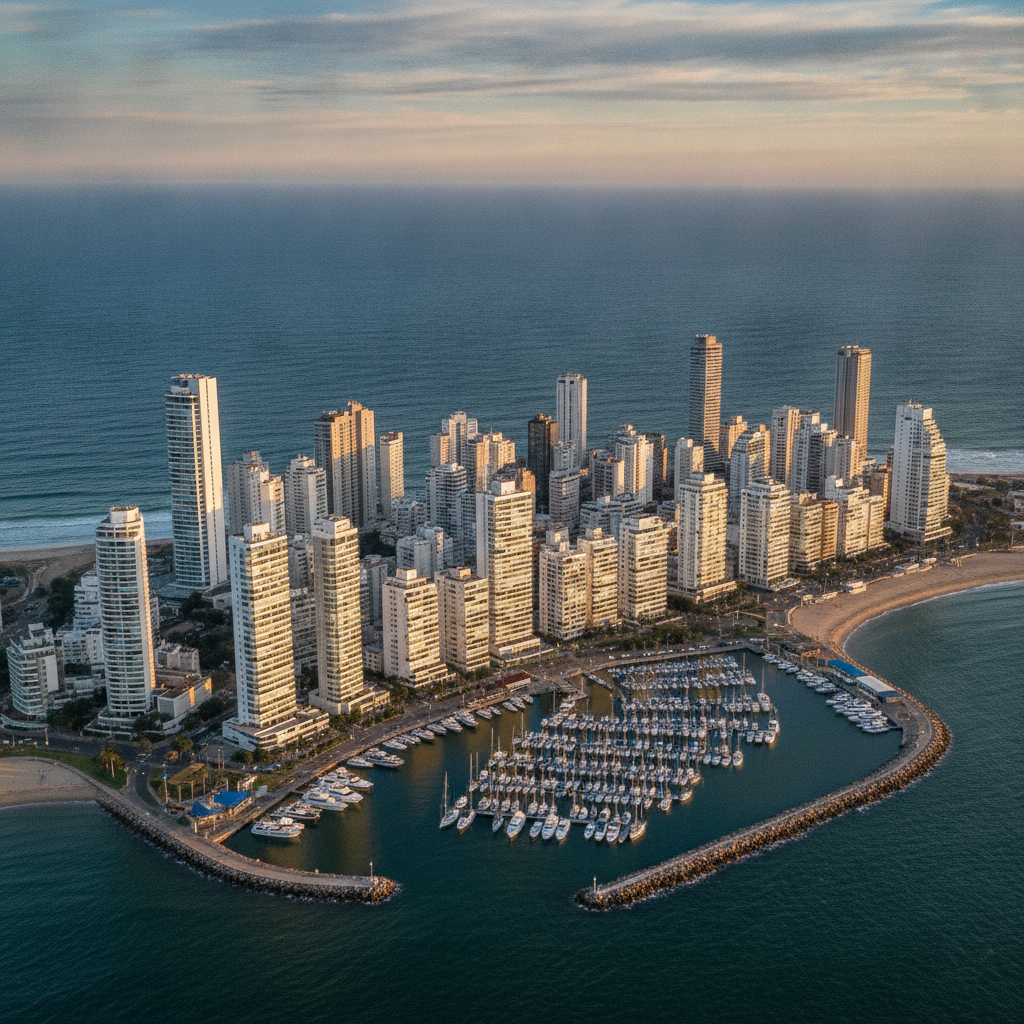
Peninsula High-Rises
The Punta del Este peninsula is densely built with high-rise apartment towers — the architecture is a mix of 1960s modernism, 1980s postmodernism and contemporary glass towers; the density and height of the buildings, set against the Atlantic on both sides, gives the peninsula a dramatic urban-coastal character unlike any other South American resort
- 2
Beach House Vernacular
The beach houses on the Atlantic coast of the greater Punta del Este area (especially in Playa Verde, El Chorro and the villages east of La Barra) have a vernacular architecture of wooden structures with large windows, open decks and natural materials; the beach house tradition balances simplicity and comfort in a distinctive Uruguayan coastal style
- 3
Modernist Legacy
Uruguay's modernist architectural tradition – represented in Punta del Este by the Rambla promenade, the casino building and several private residences – reflects the country's mid-20th century prosperity and its cultural orientation towards Europe; the modernist buildings of the 1950s and 1960s are now cultural monuments
- 4
Golf course suburbs
The golf course suburbs of Punta del Este - especially the Cantegril Country Club and the surrounding residential streets - represent a different architectural tradition; the large single-family houses with garden walls and electronic gates house the Argentinian and Uruguayan families who use Punta del Este as a second home rather than a hotel destination
- 5
Rambla Architecture
Rambla Claudio Williman — the coastal road along Playa Mansa beach — is lined with apartment buildings housing the resort's permanent and seasonal population; the drive along the Rambla, with the Río de la Plata on one side and the residential architecture on the other, is the best tour of the resort's built environment
- 6
Future Development
Punta del Este continues to develop — new luxury condo towers, marina extensions and eco-resort projects are under construction or planning; the tension between development and environmental conservation (the sand dunes, the coastal wetlands and the Atlantic coastal system are all under pressure) is an ongoing planning challenge for the Department of Maldonado
Walk this route with audio
Stories play automatically as you reach each stop — no tapping needed.
More in Punta del Este
Punta del Este: South America's St. Tropez
Punta del Este New Year's: South America's Greatest Party
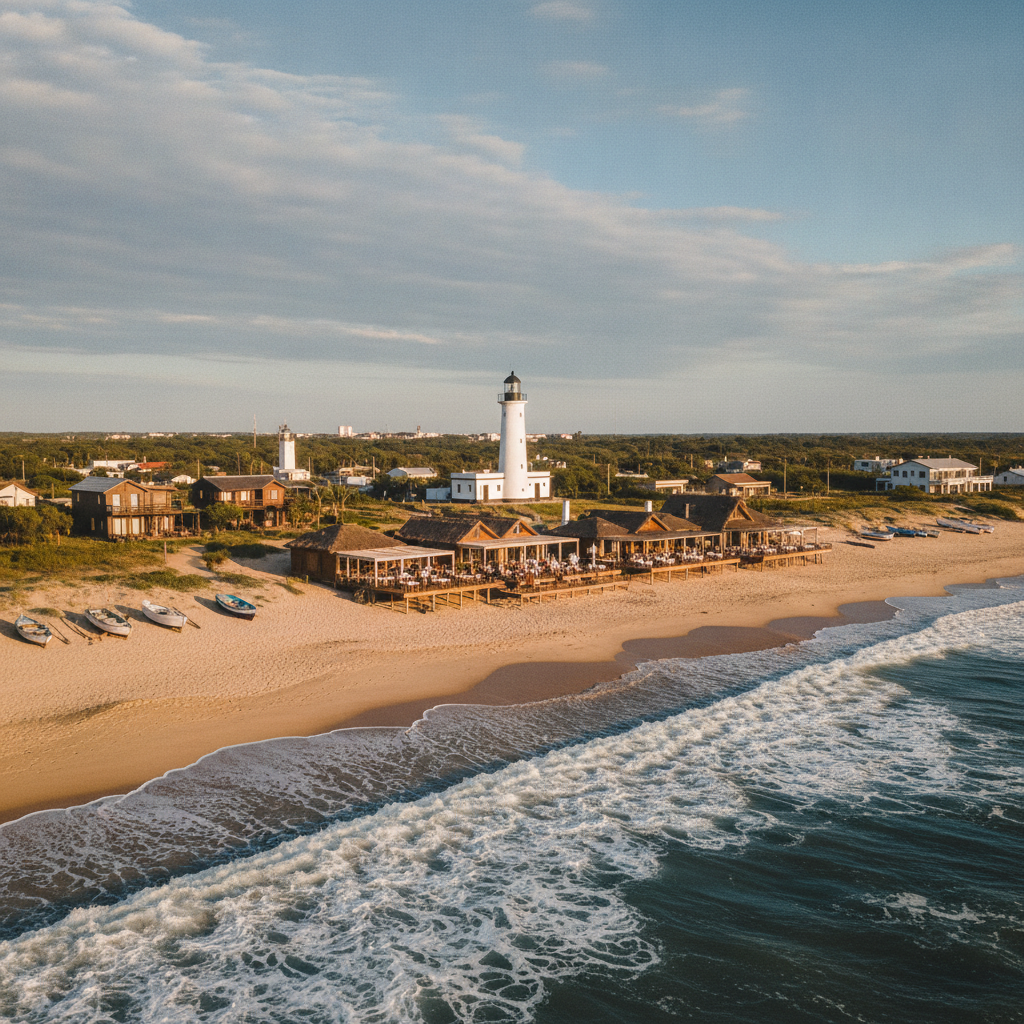
José Ignacio: Uruguay's Most Exclusive Beach Village
Punta del Este's Food Scene: Where Uruguay's Best Chefs Cook
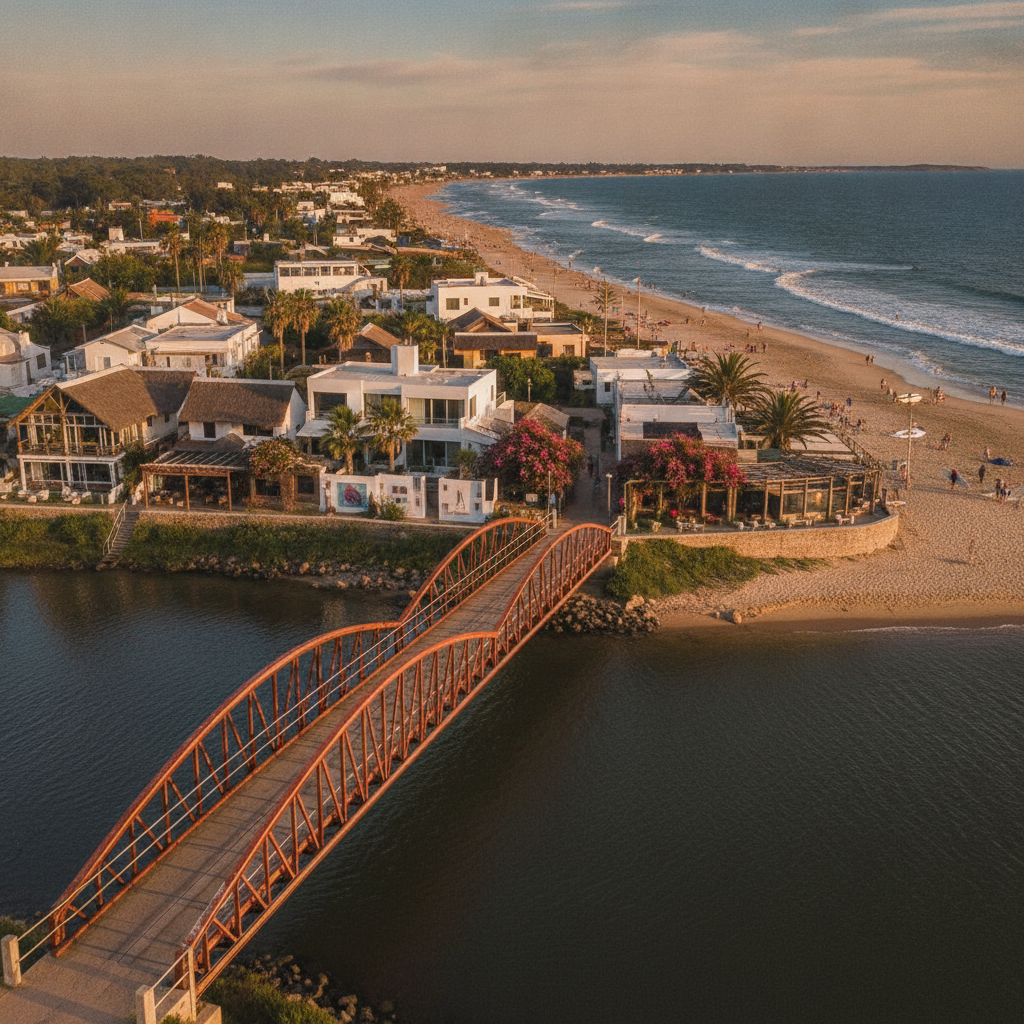
La Barra: Punta del Este's Creative Neighbourhood