Popayán: Colombia's White City of Colonial Grandeur
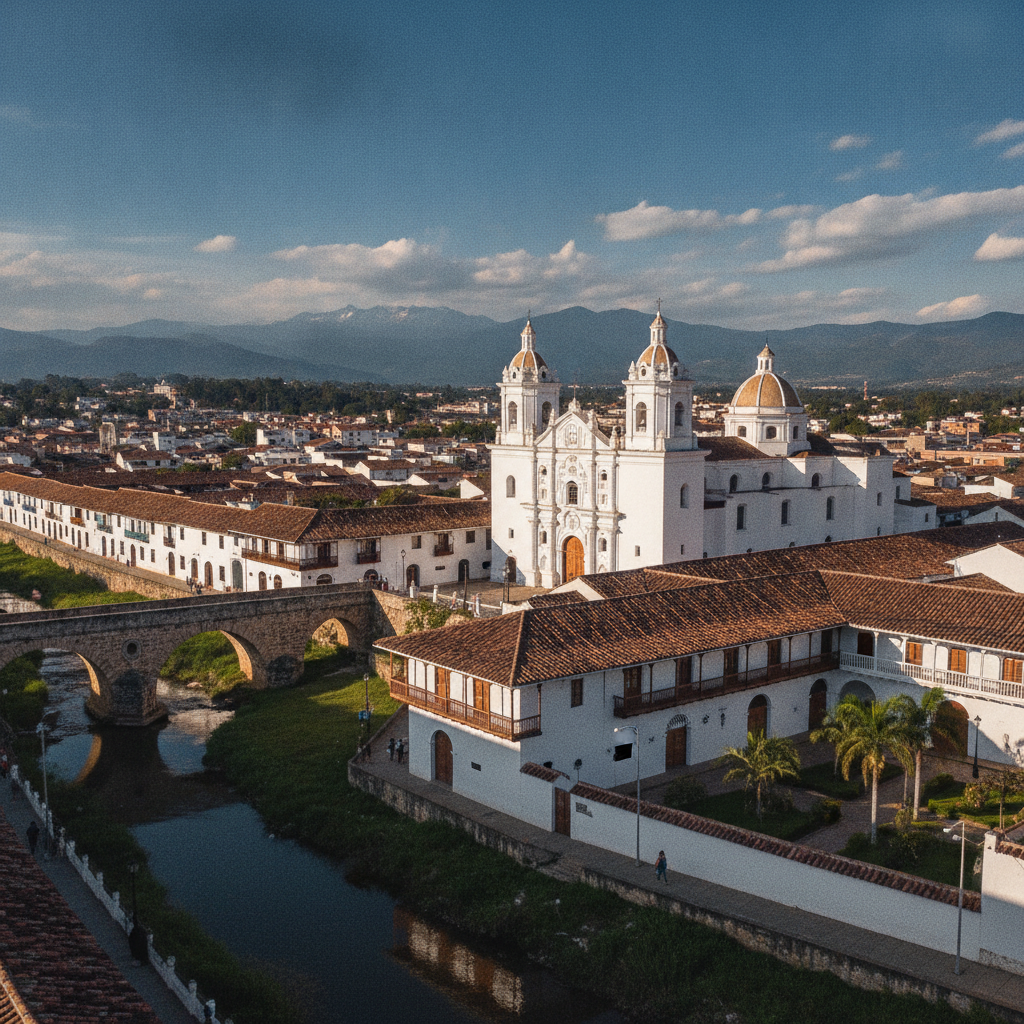
Popayán — the White City of Colombia — has the country's most consistently beautiful colonial architecture; the whitewashed churches, convents, and mansions of the historic centre create a unity of style unmatched in South American colonial cities
- 1
The White City Tradition
Popayán's whitewash tradition – the entire historic center painted in brilliant whitewash – creates an architectural harmony that is unique in Colombia; the practice began in colonial times and has been maintained as an urban identity through several earthquakes and rebuilding
- 2
Church of San Francisco
The Iglesia de San Francisco – Popayán's most ornate colonial church, completed in 1795 – has a baroque facade with extraordinary details; the churrigueresque stonework, the interior and the building's proportions make it Colombia's finest colonial baroque church
- 3
Humilladero Bridge
The colonial arched Humilladero Bridge – which crosses the Molino River at the entrance to the historic center – is Popayán's most iconic structure; the bridge's white arches reflected in the river, with the historic churches behind, is the city's defining image
- 4
Colony Monastery
Popayán has several colonial convents – Convento de Santo Domingo (now a museum), Convento de San Francisco and Convento de la Encarnación – each preserving colonial art collections, cloisters and religious architecture of great beauty
- 5
Plaza Mayor
Plaza Mayor in Popayán – surrounded by the cathedral, Palacio Nacional and colonial mansions – is one of Colombia's finest colonial squares; the fountain, the colonial proportions and the white facades create a formal beauty typical of Popayán
- 6
1983 Earthquake and Reconstruction
The 1983 earthquake that devastated Popayán on Good Friday was reconstructed with extraordinary fidelity — the rebuilt colonial center is indistinguishable from the pre-earthquake city; the reconstruction, which took 20 years, is a model of cultural heritage recovery
Walk this route with audio
Stories play automatically as you reach each stop — no tapping needed.
More in Popayán
Volcán Puracé: The Active Volcano Above Popayán
Popayán Semana Santa: The Most Solemn Holy Week in America
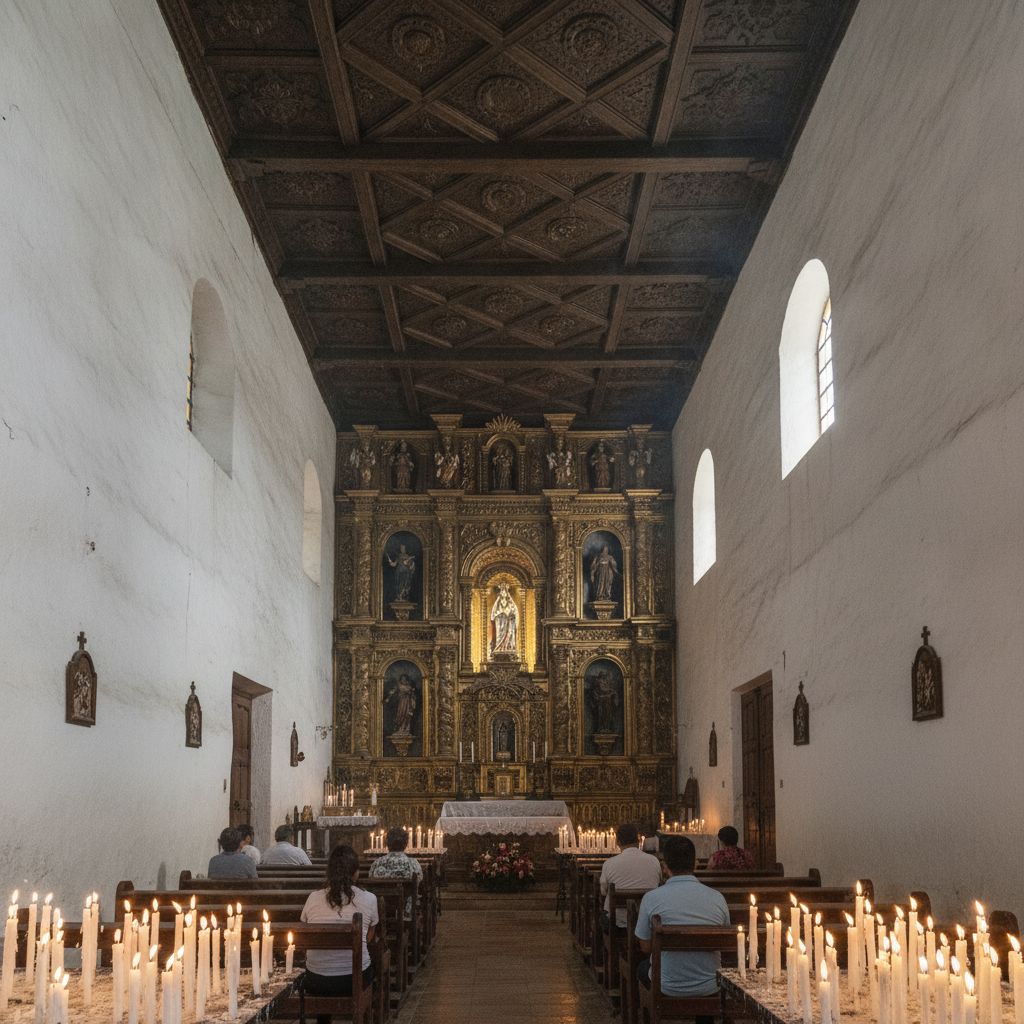
Popayán's Colonial Churches: A City of Faith and Art
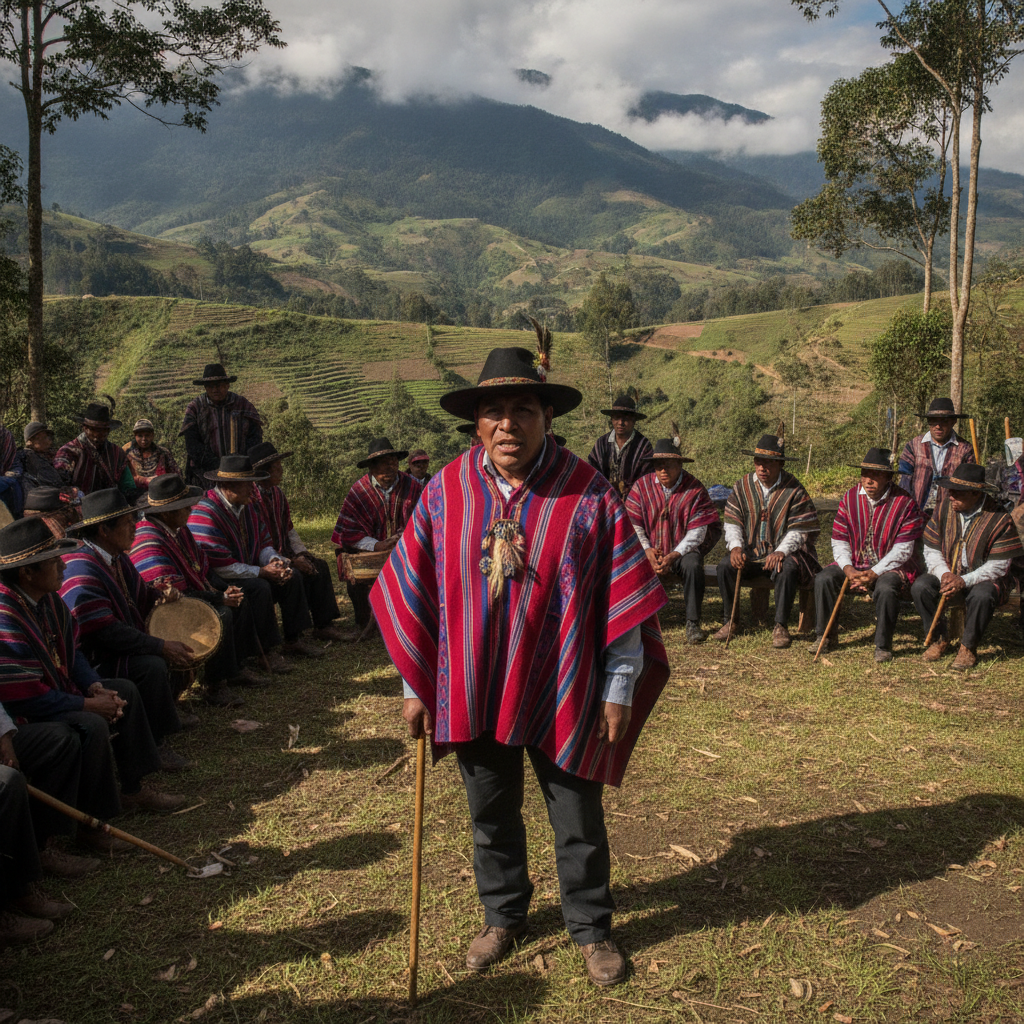
Nasa-Páez: Cauca's Indigenous Guardians
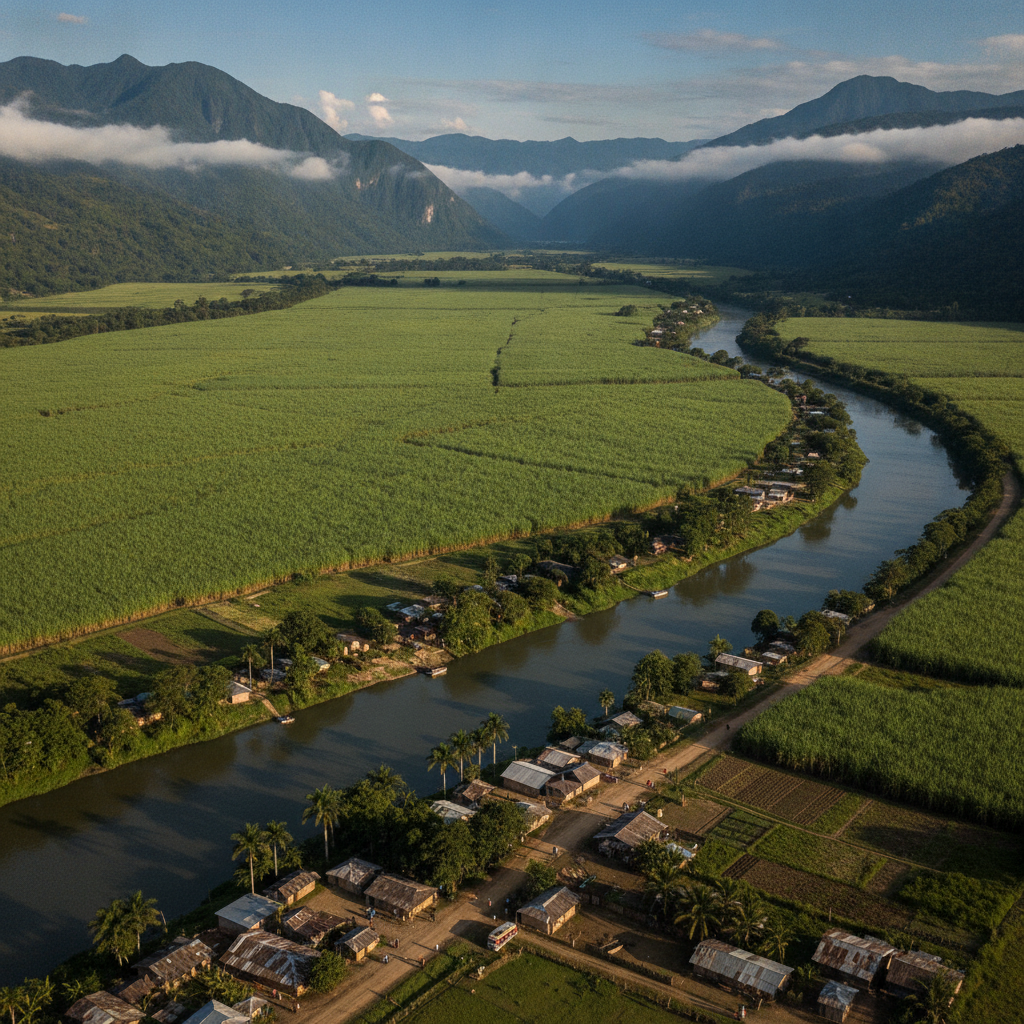
Cauca Valley: Sugar, Struggle & Afro-Colombian Heritage