Paphos Complete: Water Geography, Fabrica Hill Neolithic Site, the A6 Archaeological Motorway, Cape Drepano Sunset, British Expatriate Legacy, and the Winter Garden Season
The complete Paphos guide closes with the island water scarcity geography, the overlooked Fabrica Hill rock-cut archaeological chambers, the A6 motorway archaeological exit corridor, the Cape Drepano western horizon sunset, the substantial British expatriate retirement community in the Tala hills, and the case for Paphos in winter as the finest season for the independent archaeological traveler.
- 1
Paphos and Water: The Sea, the Spring, the Rain
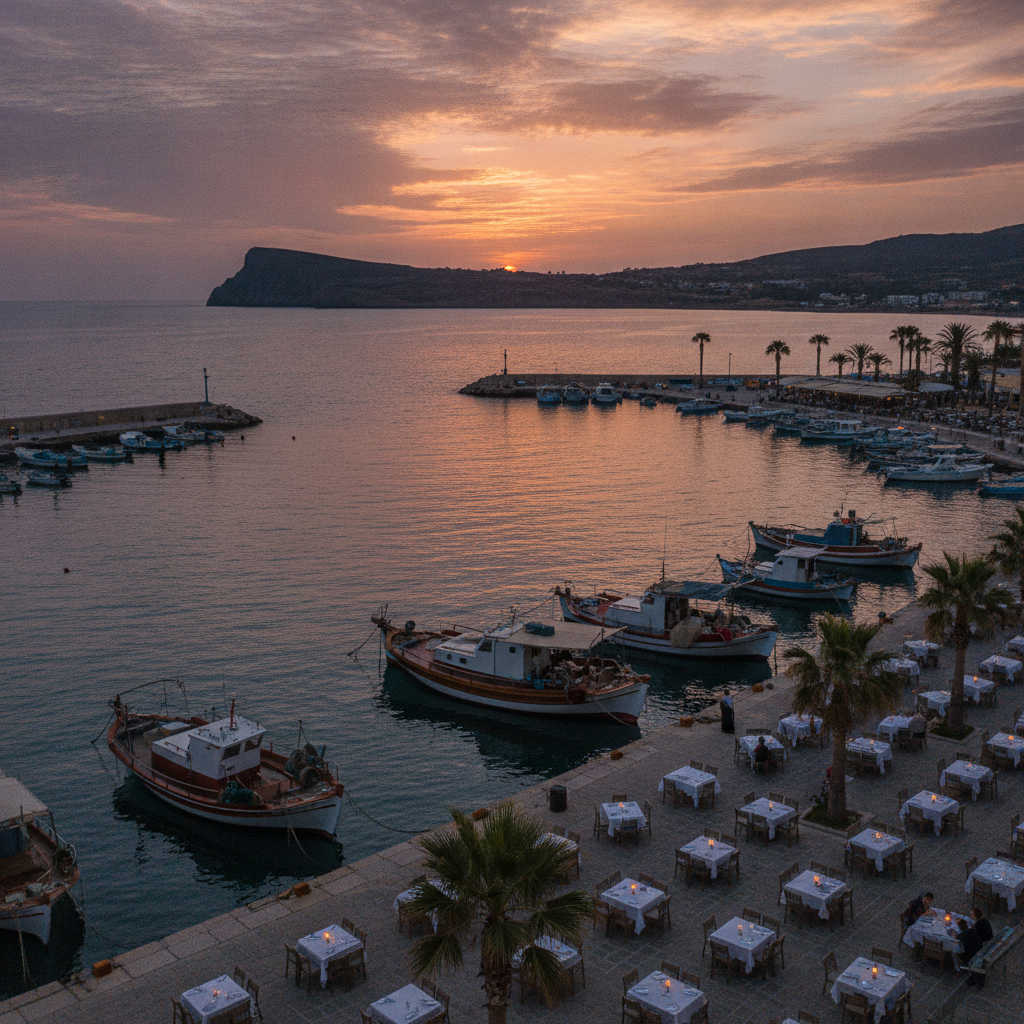
The water geography of Paphos reflects the two Cypriot realities: the brilliant turquoise Mediterranean on the harbor side and the severe water scarcity of the interior, where the Paphos dam system collects the winter rainfall for the summer agricultural irrigation and the urban supply. The Paphos coastal springs at Yeroskipou and the therapeutic springs of the Troodos hills in the district provide the freshwater dimension of an island where the water management is the fundamental environmental challenge.
- 2
The Fabrica Hill: The Paphos Neolithic Site
Fabrica Hill in the center of Paphos town, the low limestone hill riddled with the Hellenistic and Roman rock-cut chambers, the theatrical space, and the remains of the earliest habitation of the Paphos area, provides the most accessible and least-visited archaeological site in the heart of the modern city, where the residents walk their dogs among the ancient rock-cut chambers and the afternoon light casts long shadows across the 2,000-year-old surfaces.
- 3
Paphos to Limassol: The South Coast Archaeology
The A6 motorway from Paphos to Limassol, the fastest and most infrastructure-modern road in Cyprus, runs parallel to the ancient road that connected the two most important cities of Hellenistic and Roman Cyprus. The service road exits connect to Petra tou Romiou, Kourion, the Sanctuary of Apollo Hylates, and the Kolossi castle, making the drive from Paphos to Limassol the most archaeologically instructive motorway journey in the eastern Mediterranean.
- 4
Paphos Sunset at Cape Drepano
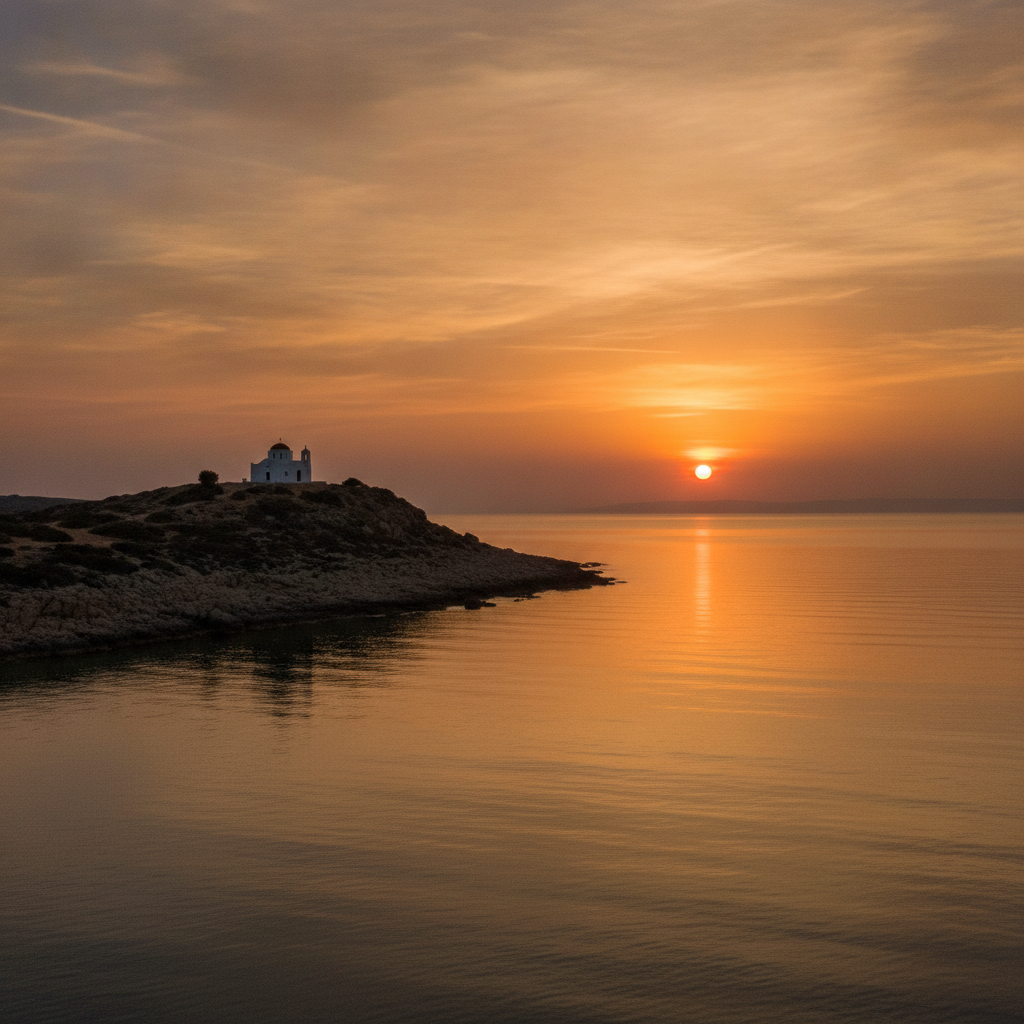
Cape Drepano north of Paphos, the limestone headland at the north end of Coral Bay, provides the finest sunset viewpoint in western Cyprus, with the Mediterranean horizon to the west and the Lebanon coast theoretically visible on the clearest autumn days. The cape is accessible by the coastal road from Coral Bay and the small chapel of Agios Georgios on the headland marks the traditional fishing community gathering point for the most dramatic sky views available on the western Cyprus coast.
- 5
British Legacy in Paphos: The Colonial Connection
The British influence in Paphos, dating from the 1878 British occupation of Cyprus and sustained through the large British expatriate community and the British charter holiday market that has been the primary international visitor demographic since the 1970s, is the most visible colonial legacy in western Cyprus in the English-language signage, the British-style pubs on the harbor, and the expatriate residential community in the Tala and Tsada villages above Paphos that has made the Paphos district the primary retirement destination for British expatriates in the Mediterranean.
- 6
Paphos in Winter: The Garden of Europe
Paphos in winter, from November to March, with the average temperature of 16 degrees Celsius, the almond blossom from January, the wildflower meadows from February, and the reduced visitor numbers that restore the sites to a manageable scale, is the most rewarding season for the independent traveler who wants the archaeological depth without the summer crowd. The Paphos winter hotel rates are approximately 50 percent below the summer peak and the golf courses operate at their finest in the cool season.
Walk this route with audio
Stories play automatically as you reach each stop — no tapping needed.
More in Paphos
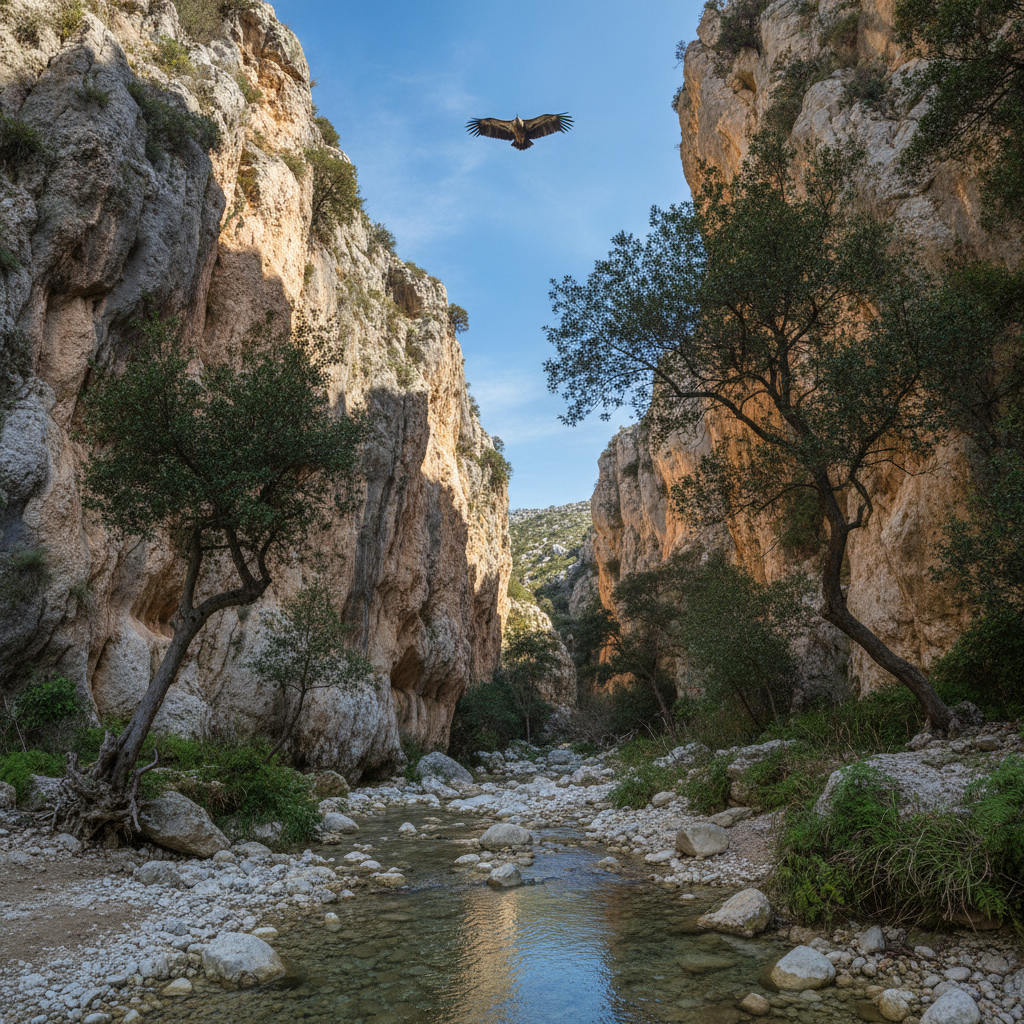
Paphos Village and Nature: Avakas Gorge Slot Canyon, Geroskipou Sweet Village, Summer Panegyri Festivals, Paphos New Town Infrastructure, the Day Activity Compression, and the Aphrodite Island Legacy Brand
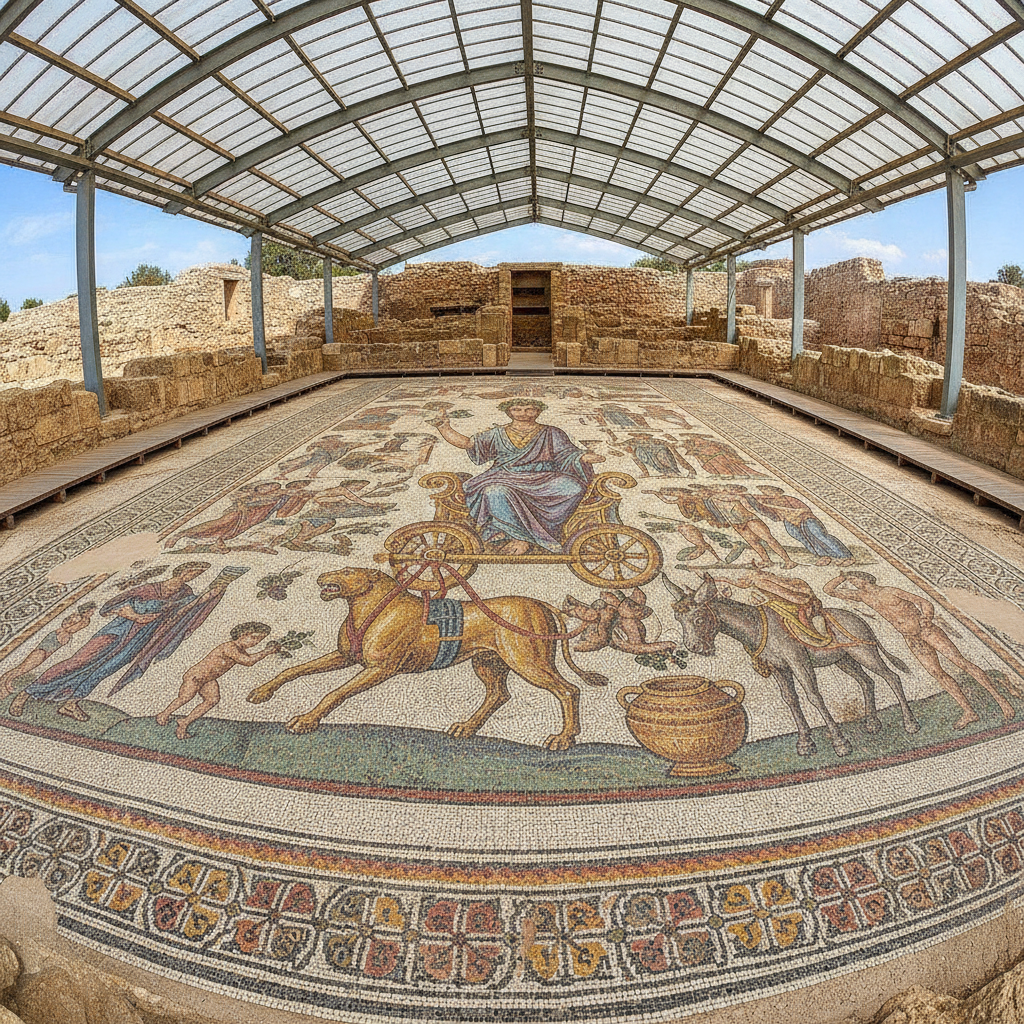
Paphos Archaeological Deep Dive: Dionysus Mosaic Panels, the House of Theseus Roman Governor, the Aion Theological Program, Early Christian Sergius Paulus Conversion, Mountain District Villages, and Paphos as Roman Provincial Capital
Paphos Nature and Departure: Cedar Forest Mouflon, Peyia Village and Sea Caves Coastline, Aphrodite Hills Golf, Byzantine Icon Painting Workshops, Indigenous Xynisteri and Maratheftiko Wine, and the Archaeological Final Walk

Paphos Nature and Villages: Coral Bay Beach, Akamas Turtle Peninsula, the Baths of Aphrodite Walking Trail, Laona Plateau Wine Villages, the Ancient Palaipafos Aphrodite Sanctuary, and Paphos Airport Practical Guide
Paphos Diving, Medieval Heritage, Festivals, Road Trips, Byzantine Churches, and the Day Trip Base Network