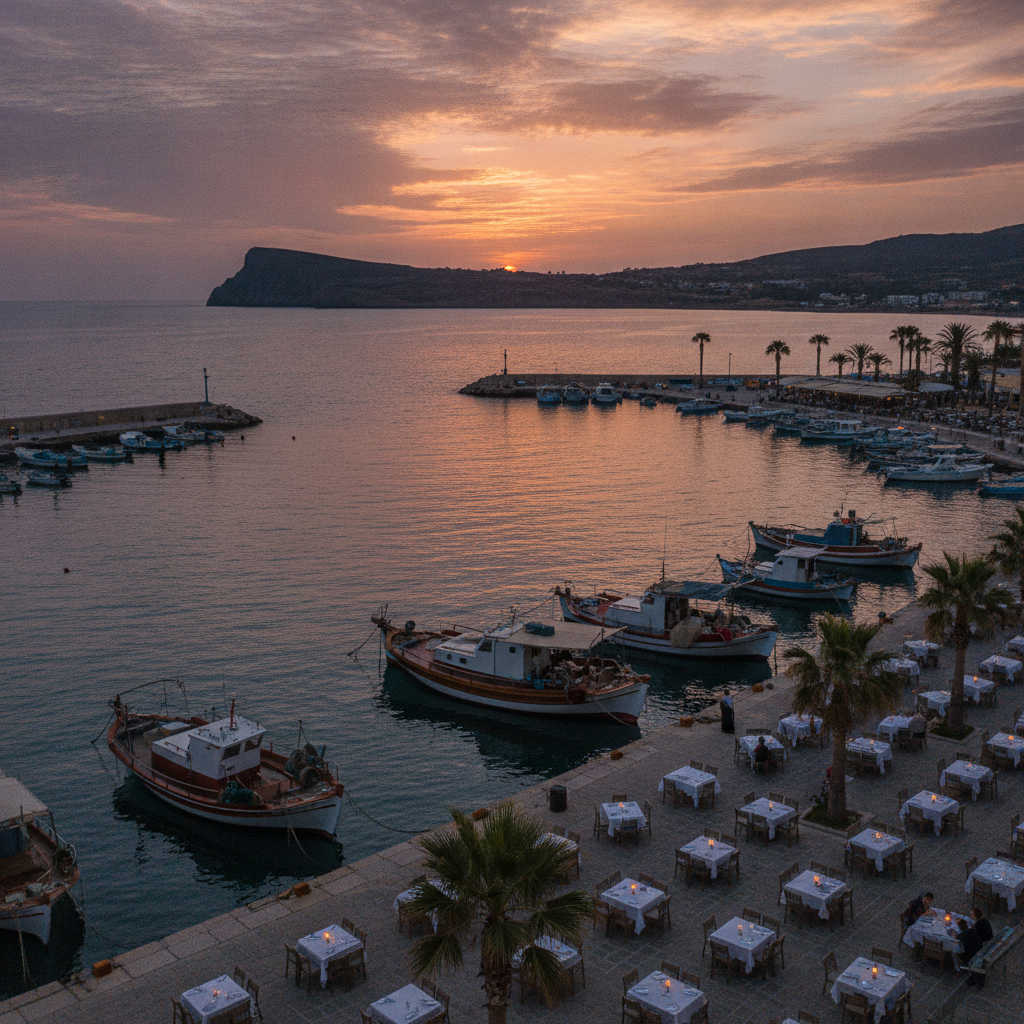
Paphos Nature and Departure: Cedar Forest Mouflon, Peyia Village and Sea Caves Coastline, Aphrodite Hills Golf, Byzantine Icon Painting Workshops, Indigenous Xynisteri and Maratheftiko Wine, and the Archaeological Final Walk
The Paphos departure guide covers the Cedar Valley Cyprus mouflon wildlife reserve, the Peyia village limestone cave coastline, the internationally recognized Aphrodite Hills championship golf course, the Byzantine egg tempera icon painting workshop tradition, the indigenous Xynisteri and Maratheftiko wine varietals, and the early morning mosaic park final walk before the harbor farewell coffee.
- 1
Paphos Forest: The Cedar and the Mouflon
Paphos Forest, the largest forested area in Cyprus covering 620 square kilometers in the western Troodos foothills, is the primary habitat of the Cyprus mouflon, the endemic wild sheep of Cyprus and the ancestor of the domestic sheep, and the Cedar Valley where the endemic Cyprus cedar grows to 800 years of age in the last significant wild population of this endemic conifer. The Forest Department managed trails through the Paphos Forest, including the trail to the Cedar Valley, provide the finest wildlife observation opportunity on the island.
- 2
Peyia and Coral Bay Heights: The Village and the View
Peyia, the village on the limestone plateau above Coral Bay and the resort strip of Sea Caves, is the most attractive traditional village in the Paphos coastal zone, with the village square, the tavernas, and the community atmosphere of the working agricultural village that overlooks the resort economy below. The Sea Caves coast north of Peyia, where the Mediterranean waves have carved the limestone headland into arches and sea caves accessible by boat or by the coastal walking trail, is the most dramatically eroded coastline in western Cyprus.
- 3
Aphrodite Hills Golf: The Mediterranean Championship Course
Aphrodite Hills Golf Course near Paphos, the 18-hole championship golf course designed by Cabell B. Robinson in the spectacular coastal terrain of the Paphos hills with the canyon and the sea views from multiple fairways, is the most internationally recognized golf course in Cyprus and the primary reason for the growth of the Paphos golf tourism market that operates year-round in the mild Cyprus winter climate. The Aphrodite Hills Resort complex surrounding the golf course is the largest single luxury development in western Cyprus.
- 4
Paphos Icon Workshop: The Byzantine Living Tradition
The icon painting workshops of the Paphos district, where the artists trained in the Byzantine technique of egg tempera on gessoed wood produce icons in the continuous tradition that connects them to the medieval monasteries of Mount Athos and the Cretan icon painting school, provide the most authentic encounter with the living Byzantine visual tradition in Cyprus. The icon painting courses offered to visitors at the monasteries of the Paphos district allow the direct engagement with the oldest continuous painting tradition in Europe.
- 5
Paphos Wine: The Commandaria and the Local Varietals
The Paphos district wines, produced from the Xynisteri white grape that is the indigenous dry white of Cyprus and the Maratheftiko red that is the most distinctive indigenous red varietal in Cyprus, represent the finest expression of the indigenous Cyprus wine identity outside the Commandaria sweet wine zone. The Tsangarides Winery and the Vasilikon Winery in the Paphos wine villages produce the most internationally recognized Paphos district wines.
- 6
Departing Paphos: The Archaeological Final Walk
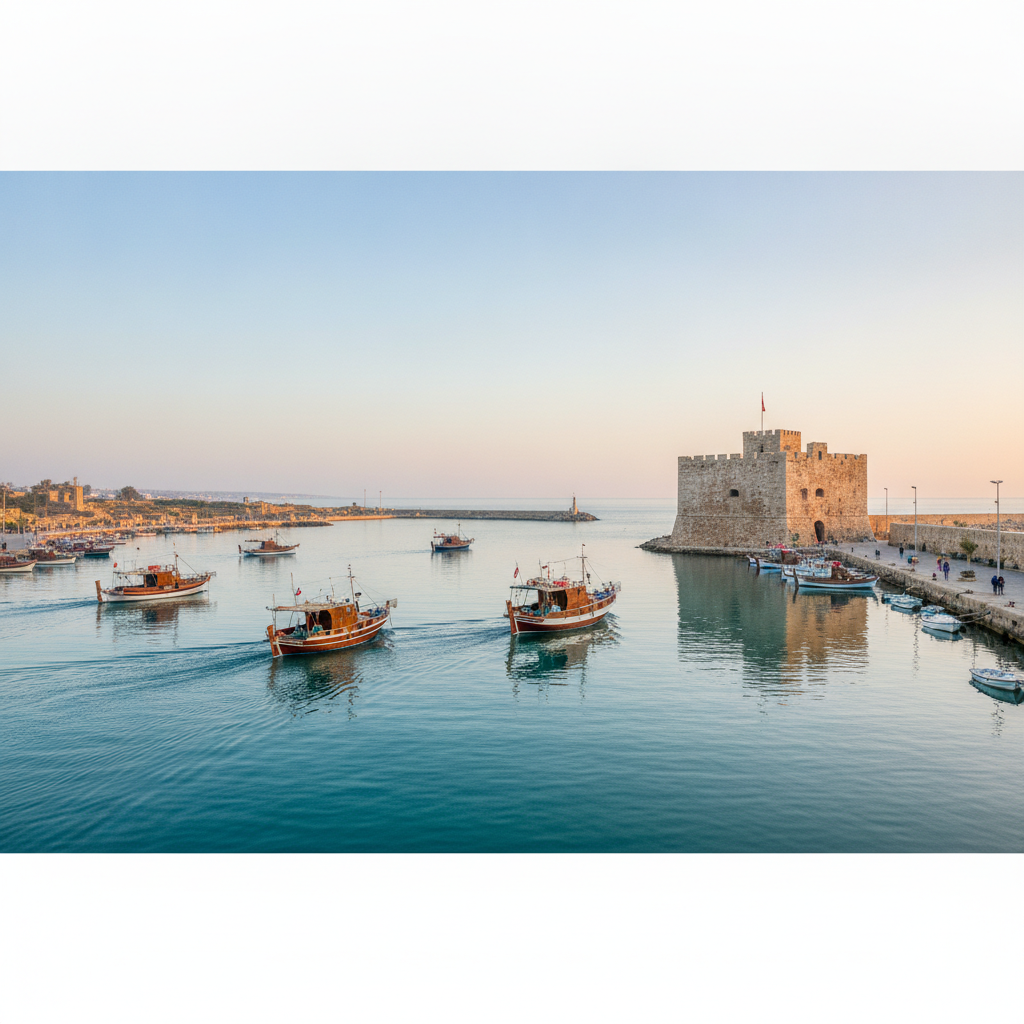
The final morning in Paphos, after the museum and the Knossos visit, is ideally spent in the Paphos Archaeological Park at the quietest hour of 8am when the site opens and before the organized tour buses arrive, walking the mosaic houses in the golden early light before the heat of the Cypriot day. The harbor front coffee at one of the Paphos harbor cafes, with the Koules castle visible across the fishing harbor, is the most perfectly Mediterranean departure ritual available in western Cyprus.
Walk this route with audio
Stories play automatically as you reach each stop — no tapping needed.
More in Paphos
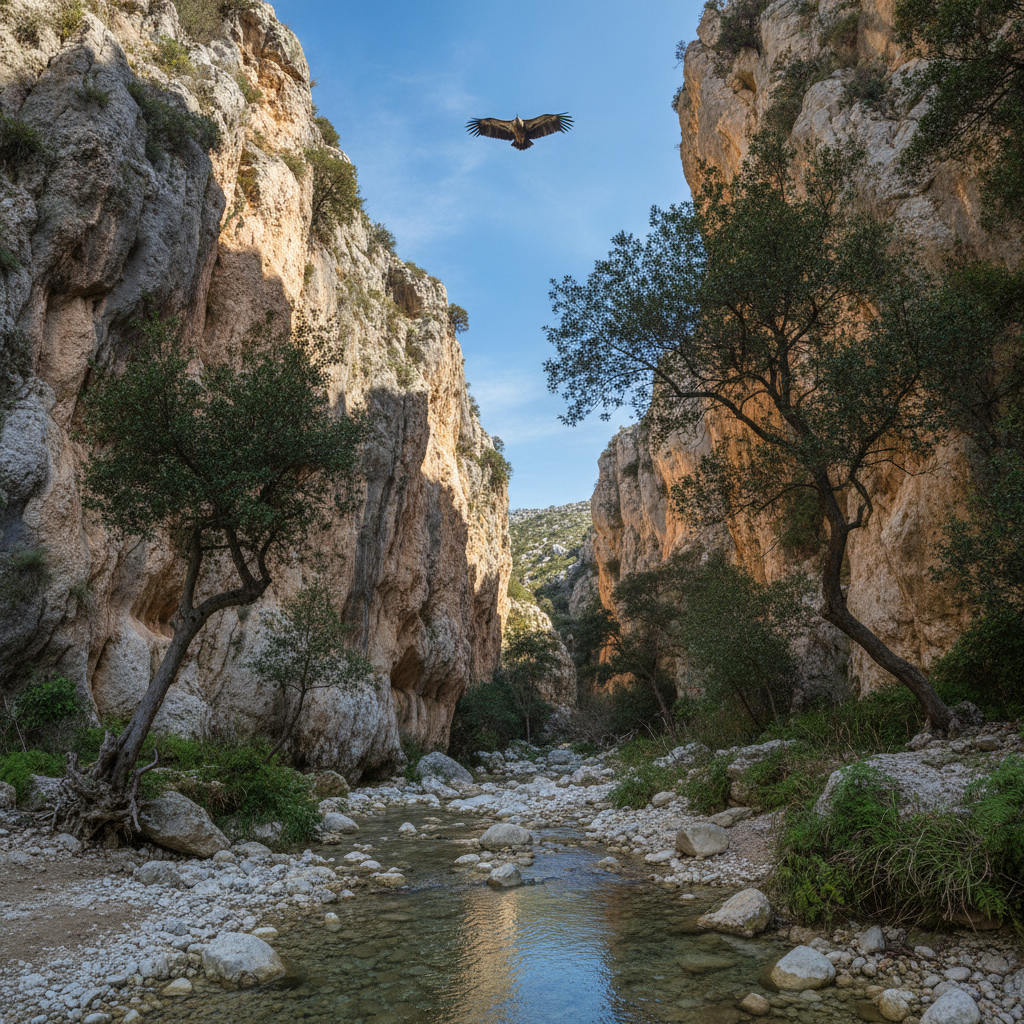
Paphos Village and Nature: Avakas Gorge Slot Canyon, Geroskipou Sweet Village, Summer Panegyri Festivals, Paphos New Town Infrastructure, the Day Activity Compression, and the Aphrodite Island Legacy Brand
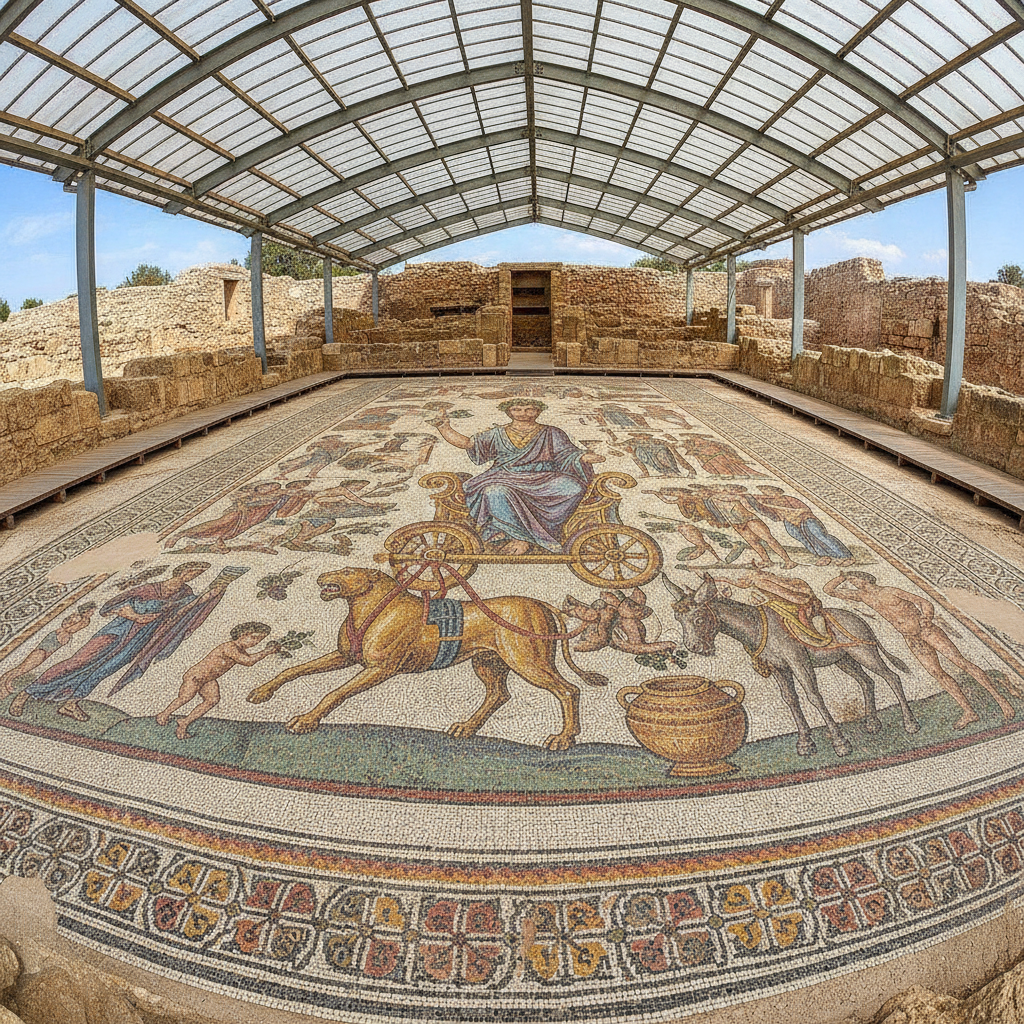
Paphos Archaeological Deep Dive: Dionysus Mosaic Panels, the House of Theseus Roman Governor, the Aion Theological Program, Early Christian Sergius Paulus Conversion, Mountain District Villages, and Paphos as Roman Provincial Capital

Paphos Nature and Villages: Coral Bay Beach, Akamas Turtle Peninsula, the Baths of Aphrodite Walking Trail, Laona Plateau Wine Villages, the Ancient Palaipafos Aphrodite Sanctuary, and Paphos Airport Practical Guide
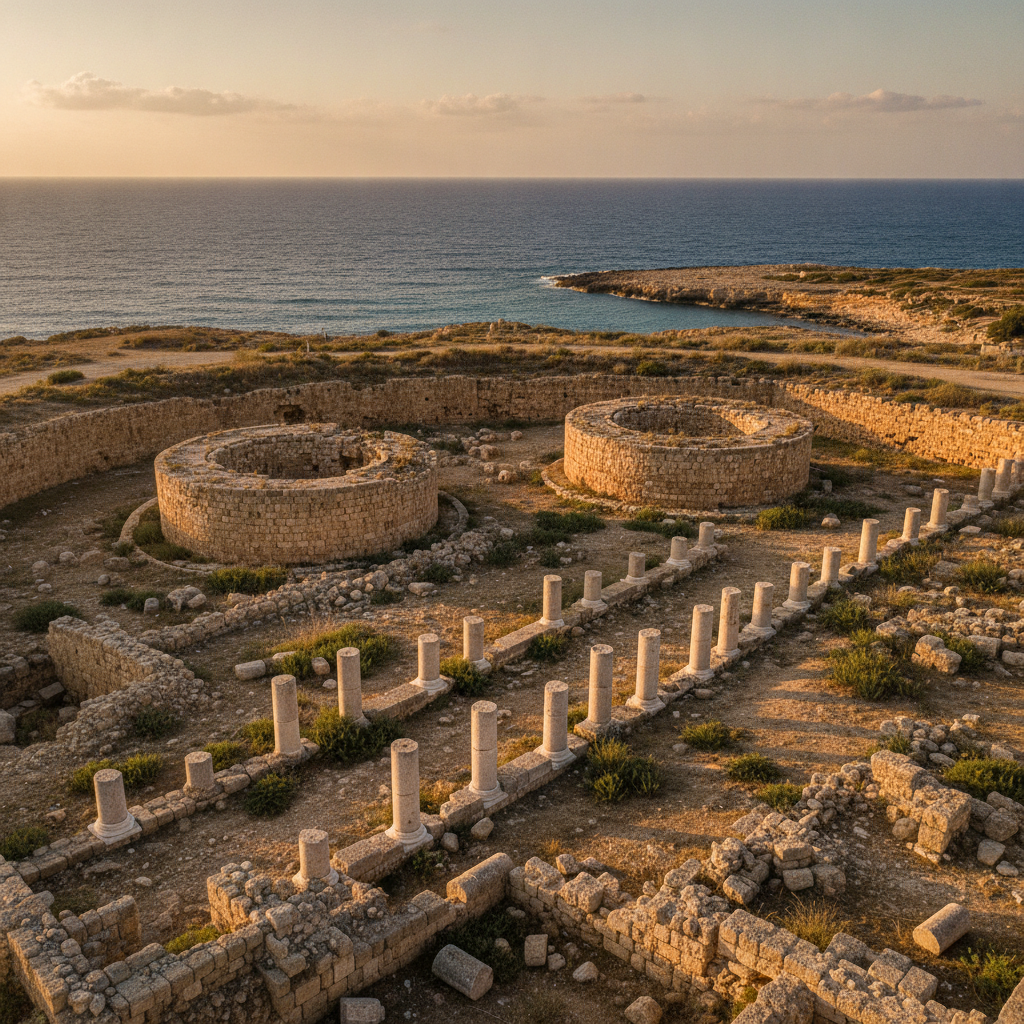
Paphos Diving, Medieval Heritage, Festivals, Road Trips, Byzantine Churches, and the Day Trip Base Network
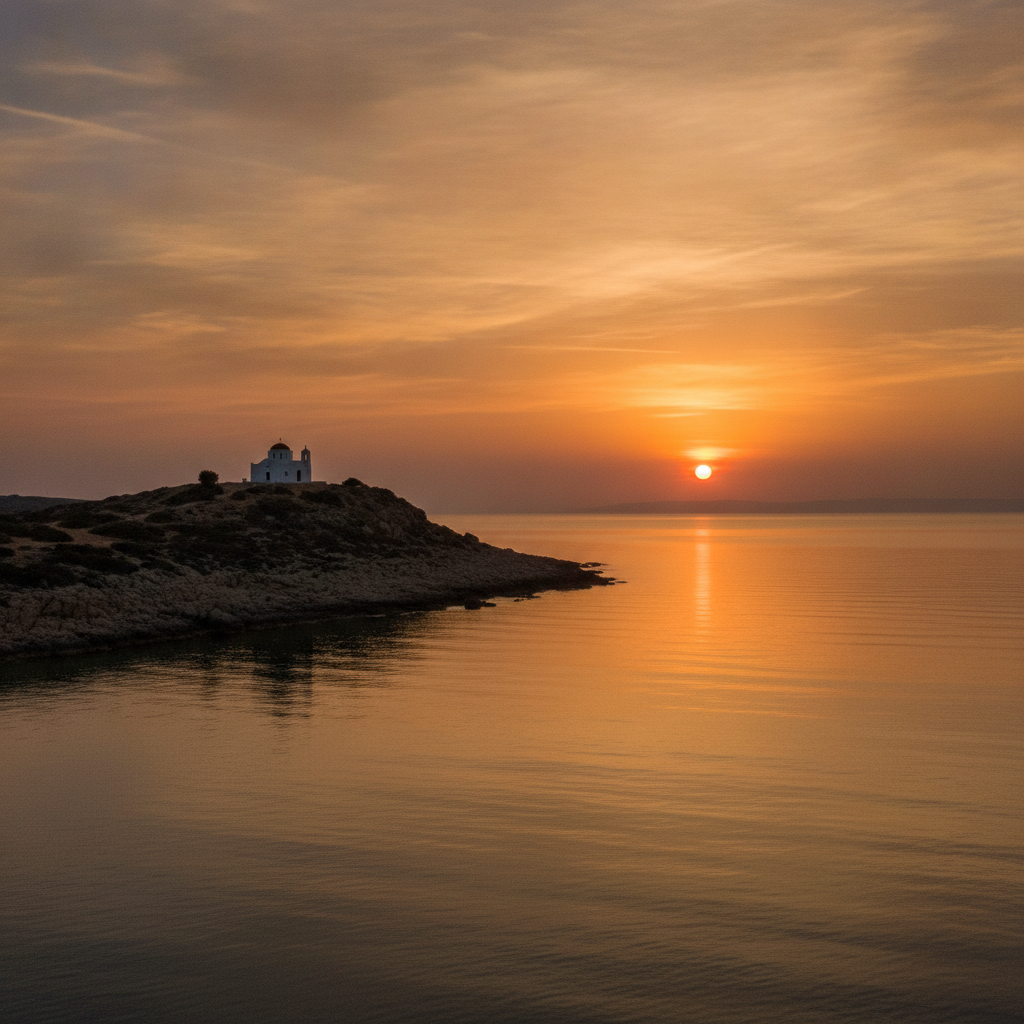
Paphos Complete: Water Geography, Fabrica Hill Neolithic Site, the A6 Archaeological Motorway, Cape Drepano Sunset, British Expatriate Legacy, and the Winter Garden Season