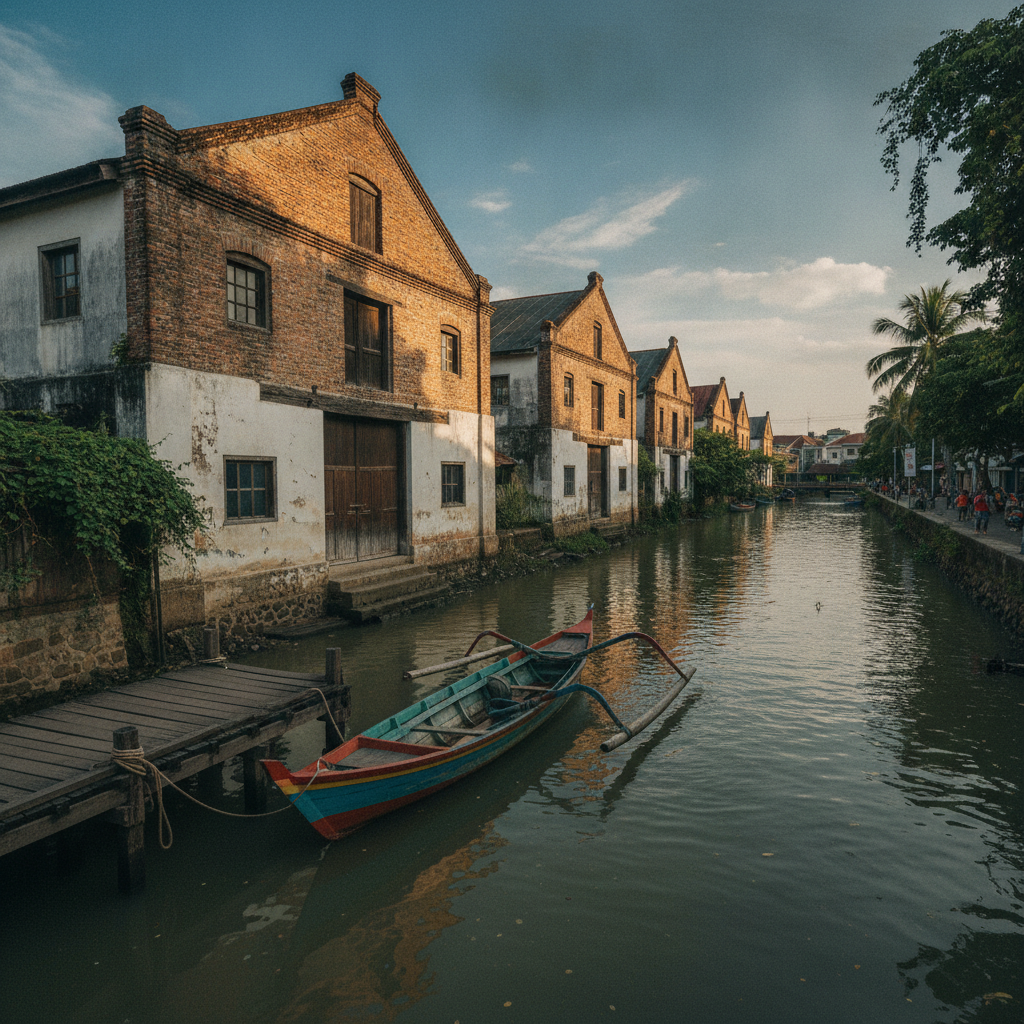
Padang Colonial Architecture & Heritage Walk
Walk Padang's architectural heritage — the city has an unusually rich collection of colonial-era buildings from the Dutch East Indies period, Chinese shop-house architecture, and the traditional Minangkabau structures that exist within and beside the colonial urban fabric.
- 1
Gedung Sate Padang Colonial Hall
The colonial-era government buildings of Padang include several substantial Dutch administrative structures that document the ambition and architectural aspiration of the colonial government in one of the Sumatran coast's most important trading cities — the buildings in the area of the former colonial government quarter display the range of Dutch colonial architectural styles from the late 19th to early 20th century, from the earlier neo-classical colonial style to the later Nieuwe Kunst adaptation of art nouveau that was applied to many buildings in the Indies.
- 2
Pondok Chinese Quarter Architecture
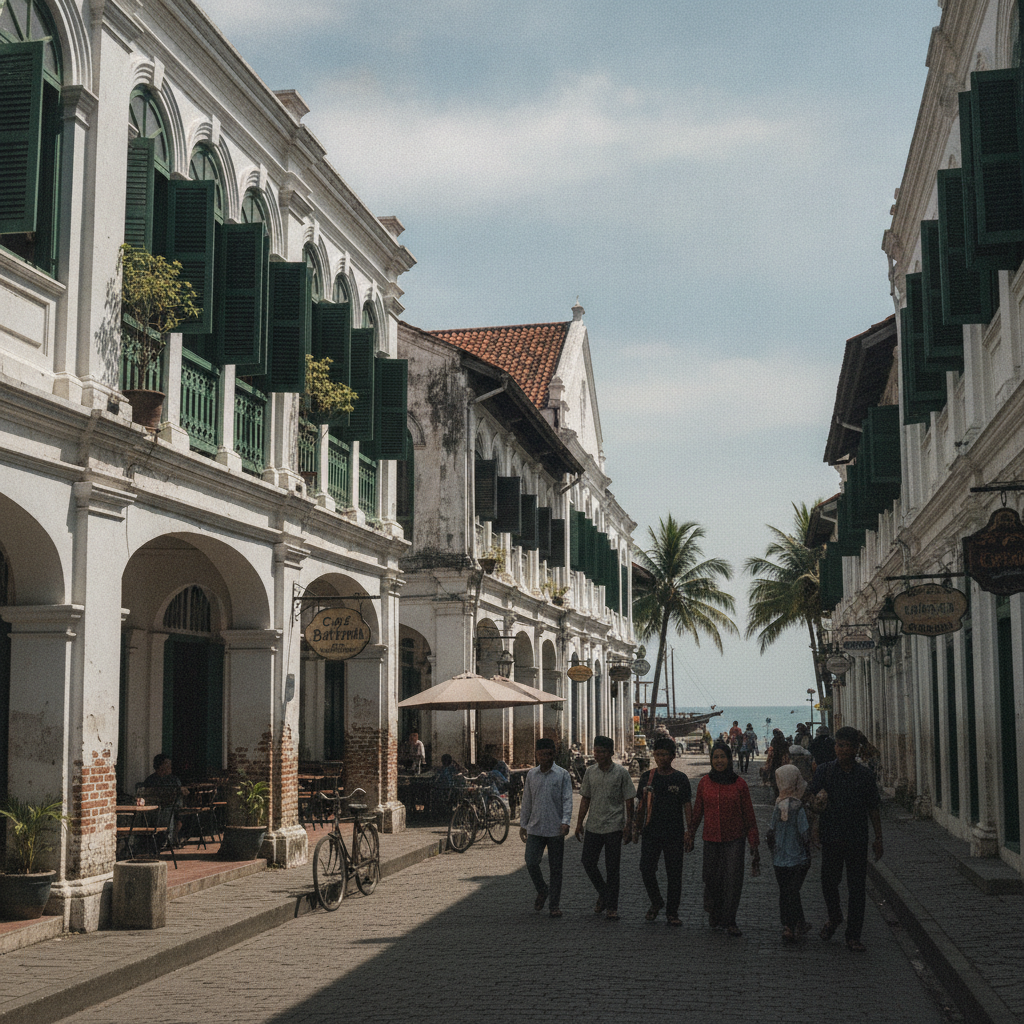
The Pondok district along the Batang Arau river has the most intact Chinese shop-house streetscape in Padang — the two and three-storey buildings with their distinctive five-foot walkways (kaki lima), internal courtyards, and the combination of Chinese decorative elements with colonial structural forms document the architectural culture of a Chinese merchant community that was simultaneously serving the Dutch colonial trading economy and maintaining its own cultural identity. The buildings date primarily from the period 1900-1940 and represent the prosperity of the Padang Chinese merchant class at the height of the colonial plantation economy.
- 3
Masjid Raya Sumatra Barat
The Masjid Raya Sumatra Barat (Grand Mosque of West Sumatra) is a contemporary building but one of Indonesia's most architecturally significant modern mosques — the design by DA. Richcieardus incorporating Minangkabau rumah gadang roofline elements into a modern mosque structure has won architectural prizes and has become a new landmark of Padang alongside the colonial buildings. The mosque's successful integration of traditional Minangkabau architectural symbolism with contemporary mosque function represents one of the most accomplished examples of modern Islamic architecture in Indonesia.
- 4
Rumah Gadang Minangkabau Houses
Surviving traditional Minangkabau rumah gadang (great houses) in the residential areas east of Padang's city centre demonstrate the matrilineal clan house tradition that organised Minangkabau settlement before the colonial urban pattern replaced it — the large communal houses belonging to the women of a single clan, with their curved rooflines and carved wooden facades, stand increasingly isolated in contemporary neighbourhoods as the urban expansion replaces the clan hamlet (kampung) pattern with individual family housing that follows the national norm rather than the Minangkabau matrilineal tradition.
- 5
Batang Arau Colonial Waterfront
The Batang Arau waterfront district has the most coherent colonial-era urban fabric surviving in Padang — the combination of Dutch trading company buildings, Chinese merchant shop-houses, the Padang harbour master's offices, and the warehouse structures that supported the colonial trading economy create a waterfront streetscape where the commercial history of the city is legible in the building fabric. The district has been identified as a heritage conservation priority, and several buildings have been restored as restaurants and cultural venues while maintaining the colonial character of the streetscape.
- 6
Heritage Trail Conclusion
Completing a walk through Padang's architectural heritage provides a composite picture of the forces that shaped this coastal city — the Dutch colonial administration that built the port and government buildings, the Chinese merchant community that operated the trading intermediary economy, the Minangkabau agricultural producers whose highland products flowed through the city's port, and the Islamic institutions that provided the cultural framework of the dominant community all left architectural traces in the urban fabric of a city that has been continuously occupied, damaged by earthquakes, and rebuilt across four centuries of documented history.
Walk this route with audio
Stories play automatically as you reach each stop — no tapping needed.