Nicosia Complete: Reunification Future Prospects, Cyprus Endemic Wildlife Mouflon, the 2008 Water Crisis Desalination Response, Leventis Van Gogh Gallery, Nicosia Wine Bar Nightlife, and the EU Eastern Frontier Summary
The complete Nicosia guide closes with the honest assessment of the reunification prospects after the 2017 Crans-Montana failure, the endemic Cyprus mouflon and warbler wildlife of Athalassa Park, the desalination water crisis response, the remarkable Leventis Van Gogh drawing collection, the Makarios Avenue wine bar nightlife, and the conclusion that Cyprus is the most thought-provoking Mediterranean island journey within the EU.
- 1
Nicosia Future: The Reunification Question
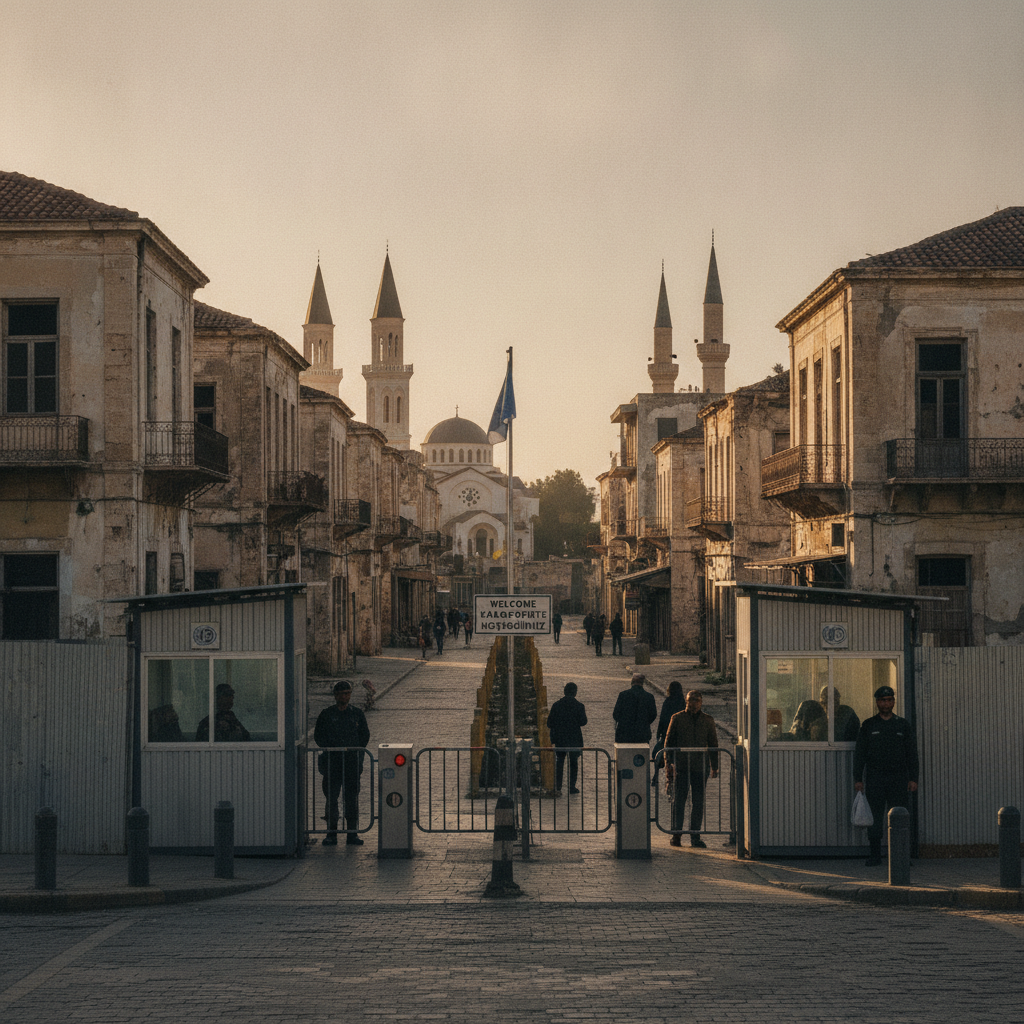
The Cyprus reunification question, the most intractable territorial dispute in the European Union, has produced multiple failed negotiation processes including the 2004 Annan Plan, the 2017 Crans-Montana talks that collapsed over the issue of the Turkish military guarantee, and the ongoing informal contacts that have not produced a formal negotiating framework. The fundamental disagreement between the Greek Cypriot preference for a federation with a single legal personality and the Turkish Cypriot preference for a confederation with international recognition has remained the dividing line through every negotiation round.
- 2
The Natural History of Cyprus: The Endemics
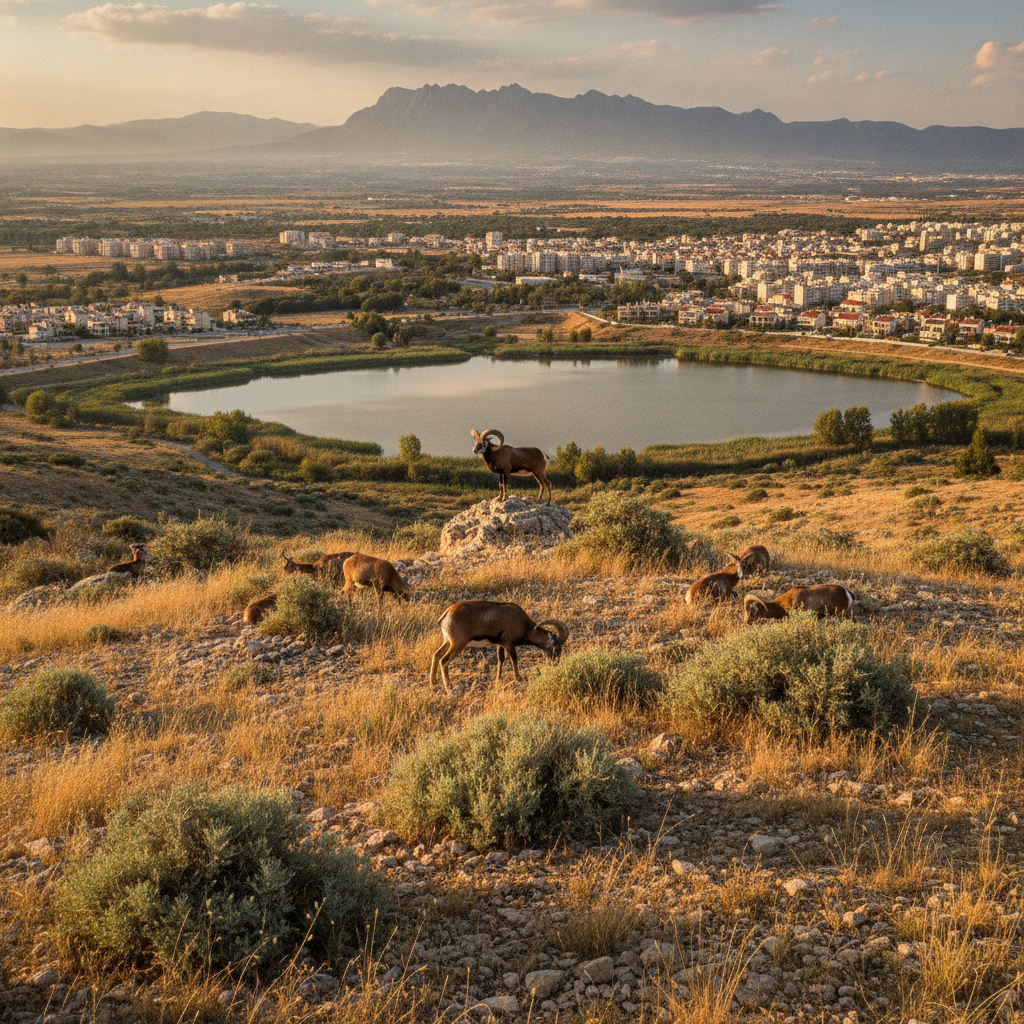
The Cyprus natural history includes the endemic species that have evolved in the island's isolated evolutionary environment: the Cyprus mouflon, the wild sheep that is the national symbol of the Republic of Cyprus and the ancestor of the domestic sheep, the Cyprus warbler, the Cyprus wheatear, the Cyprus scops owl, and the Cyprus cedar that covers the Paphos Forest are the most significant endemic species of the island. The Athalassa National Park east of Nicosia provides the most accessible habitat for the observation of the Cyprus endemic bird species within the capital region.
- 3
Water Crisis: The Cyprus Desalination History
Cyprus has faced the most severe freshwater shortage of any EU country, addressed through the construction of multiple seawater desalination plants on the south coast since 2001 that now provide approximately 50 percent of the domestic water supply. The 2008 water crisis, when Cyprus was forced to import water by tanker from Greece to supplement the failing reservoir system, was the most visible water security failure in EU history and the catalyst for the accelerated desalination program that has made Cyprus a case study in island water management.
- 4
Lefkosia's Museums: Beyond the Cyprus Museum
The Nicosia museum circuit beyond the Cyprus Museum includes the Leventis Municipal Museum of Nicosia history, the Byzantine Museum of the Archbishop Makarios Foundation housing the finest collection of Byzantine icons in Cyprus, the Ethnological Museum in the Dragoman House, and the A.G. Leventis Gallery with the post-impressionist and modernist collection including the largest collection of Van Gogh drawings in the world after the Amsterdam Van Gogh Museum. The Nicosia museum density rivals any comparable European city.
- 5
Night in Nicosia: The Makarios Avenue and Beyond
The Nicosia nightlife, centered on the Makarios Avenue and Onasagorou Street entertainment district within the Venetian walls and the Engomi and Strovolos suburban club districts, is more sophisticated and more oriented toward the local university student and young professional population than the Ayia Napa and Limassol party scenes that target the international tourist market. The Nicosia wine bar scene, reflecting the growing Cyprus wine quality movement, is the most developed in the island.
- 6
Cyprus in Summary: The EU's Eastern Frontier
Cyprus, the most geographically eastern member state of the European Union at 34 degrees east longitude, is simultaneously the most historically complex, the most politically unresolved, the most geographically marginal, and the most culturally layered of the EU Mediterranean island members. The island that was the birthplace of Aphrodite, the home of the Knights Templar Commandaria wine, the target of the greatest Ottoman siege in the eastern Mediterranean, the host of the longest UN peacekeeping mission, and the location of the most poignant airport in Europe, offers the visitor who engages seriously with its layers the most thought-provoking Mediterranean island journey available within the European Union.
Walk this route with audio
Stories play automatically as you reach each stop — no tapping needed.
More in Nicosia
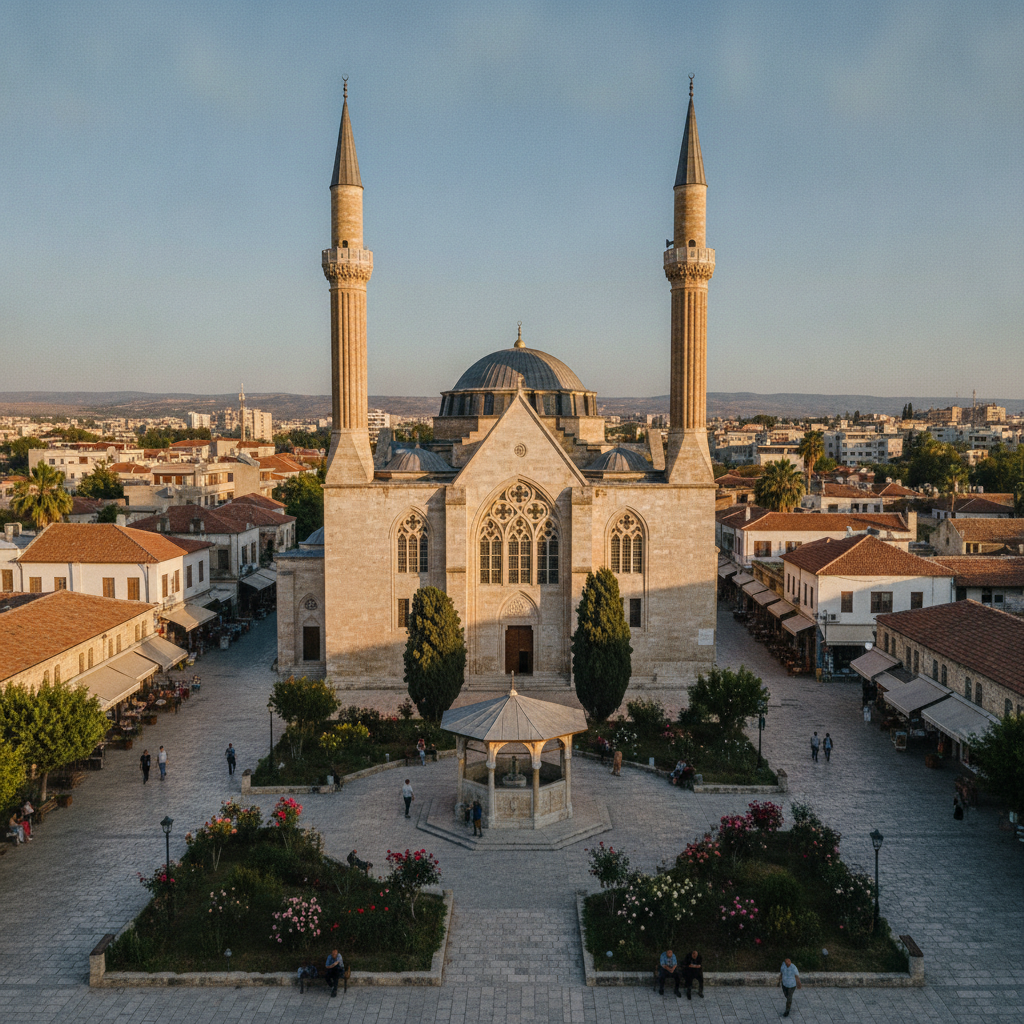
Nicosia and Cyprus Complete: North Nicosia Ottoman Quarter, Paphos Roman Mosaics, Kourion Classical Theatre, Larnaka Flamingo Salt Lake, Cypriot Mezze and Halloumi, and the Old Town Bar Revival
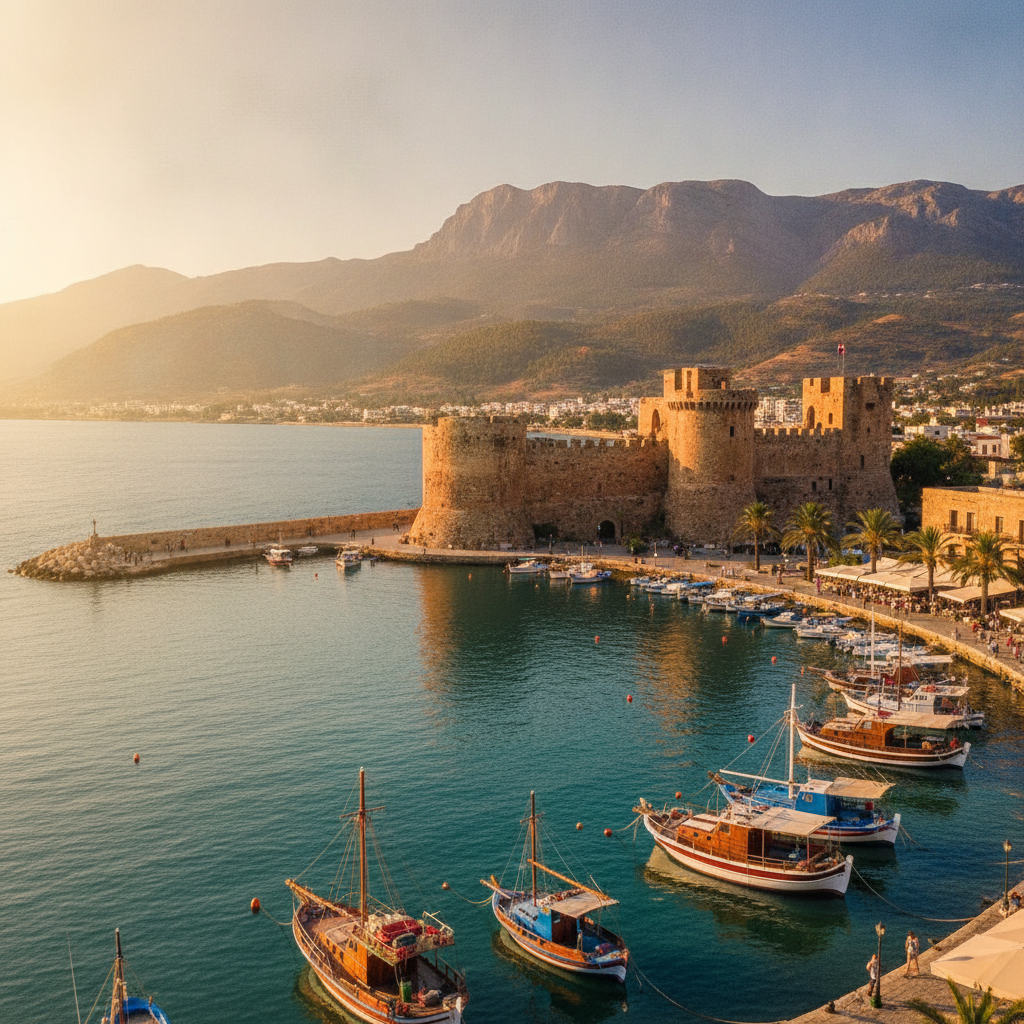
Nicosia Politics and Nature: the Cyprus Frozen Conflict, Famagusta Varosha Ghost City, Kyrenia Crusader Castle, Akamas Peninsula Wild West, Commandaria Oldest Wine, and the Two-Currency Capital Practical Guide
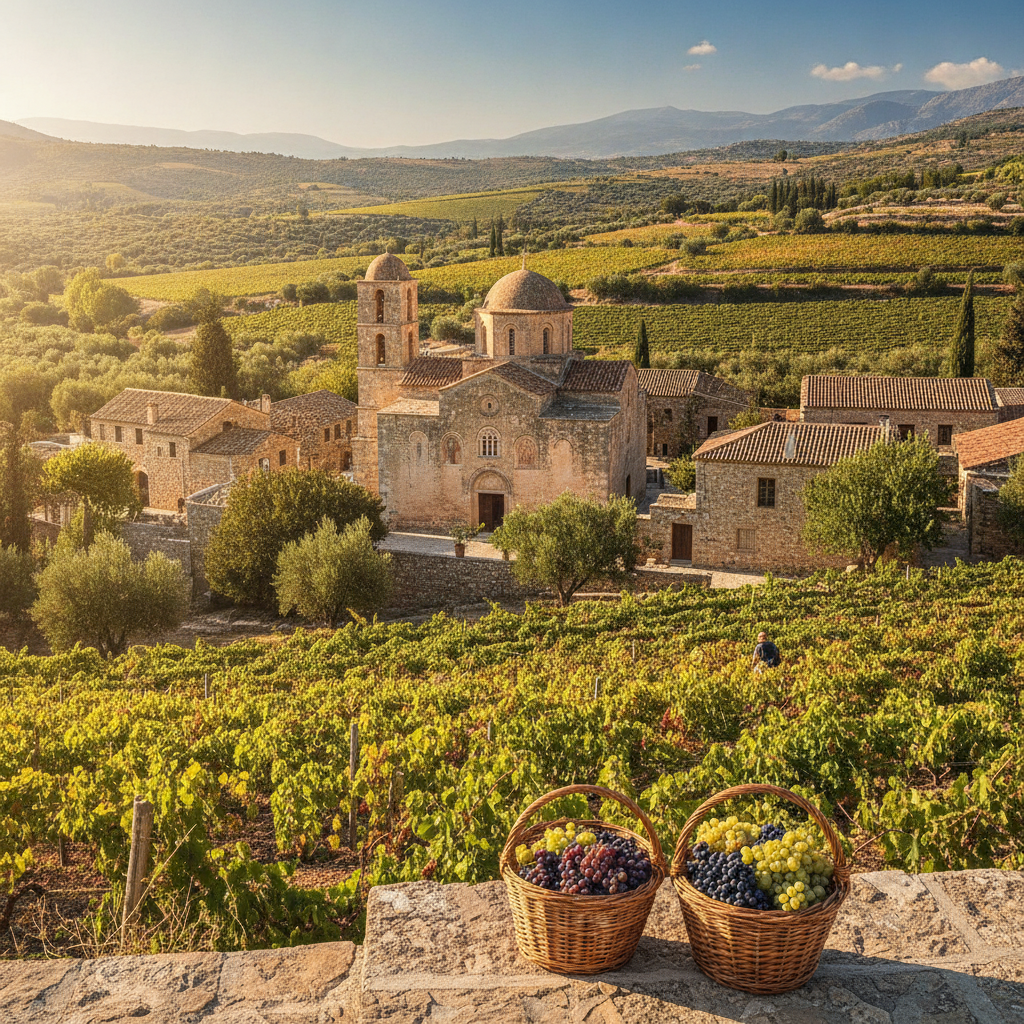
Nicosia Wine and Culture: Krassochoria Wine Villages, Limassol Business Capital, Cyprus Blue Flag Beach Champions, Byzantine Colonial Architecture Layers, the Cyprus-Israel Eastern Mediterranean Partnership, and the Complex Cypriot Identity
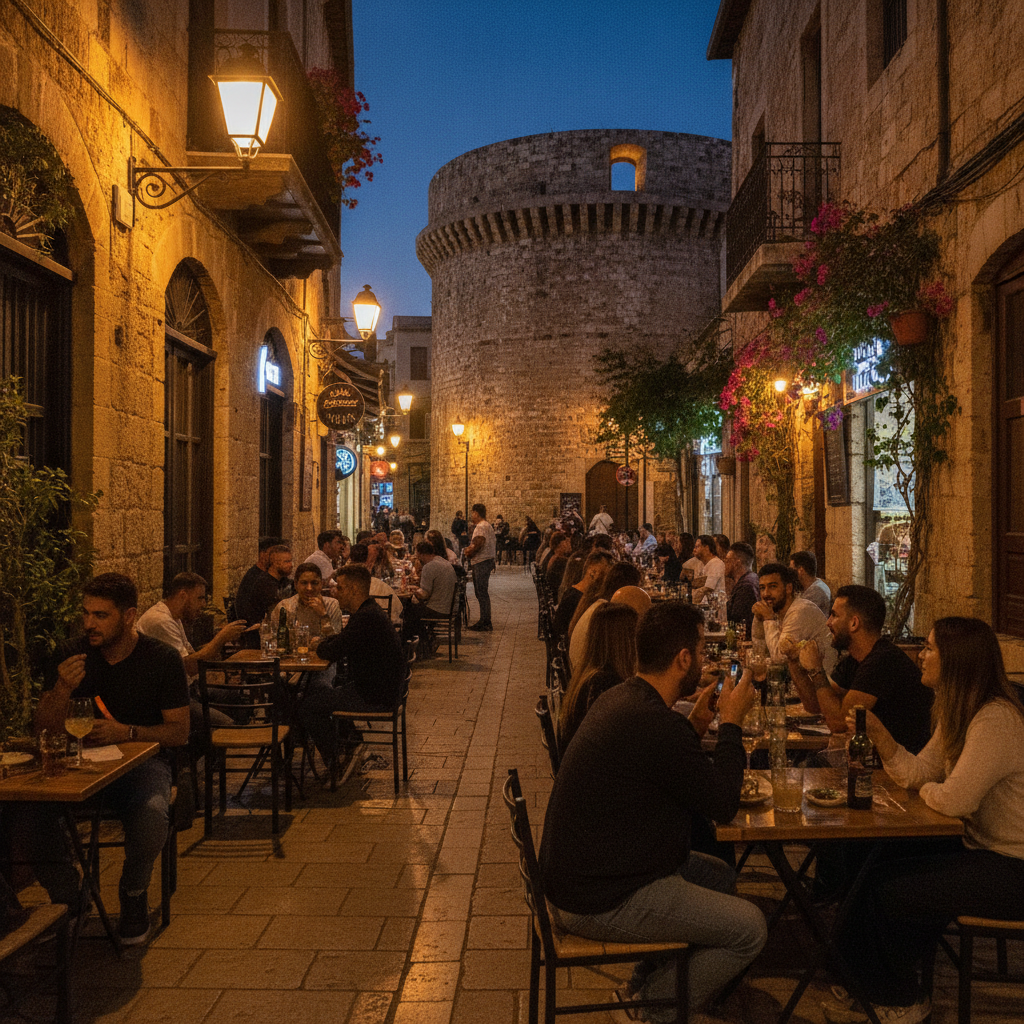
Nicosia Old Town and Coast: Lefkosia Urban Regeneration, Phaneromeni Church Square, the 3-Hour City Walk Circuit, Thalassa Marine Museum, Ayia Napa Club Resort, and Protaras Fig Tree Bay Family Beach
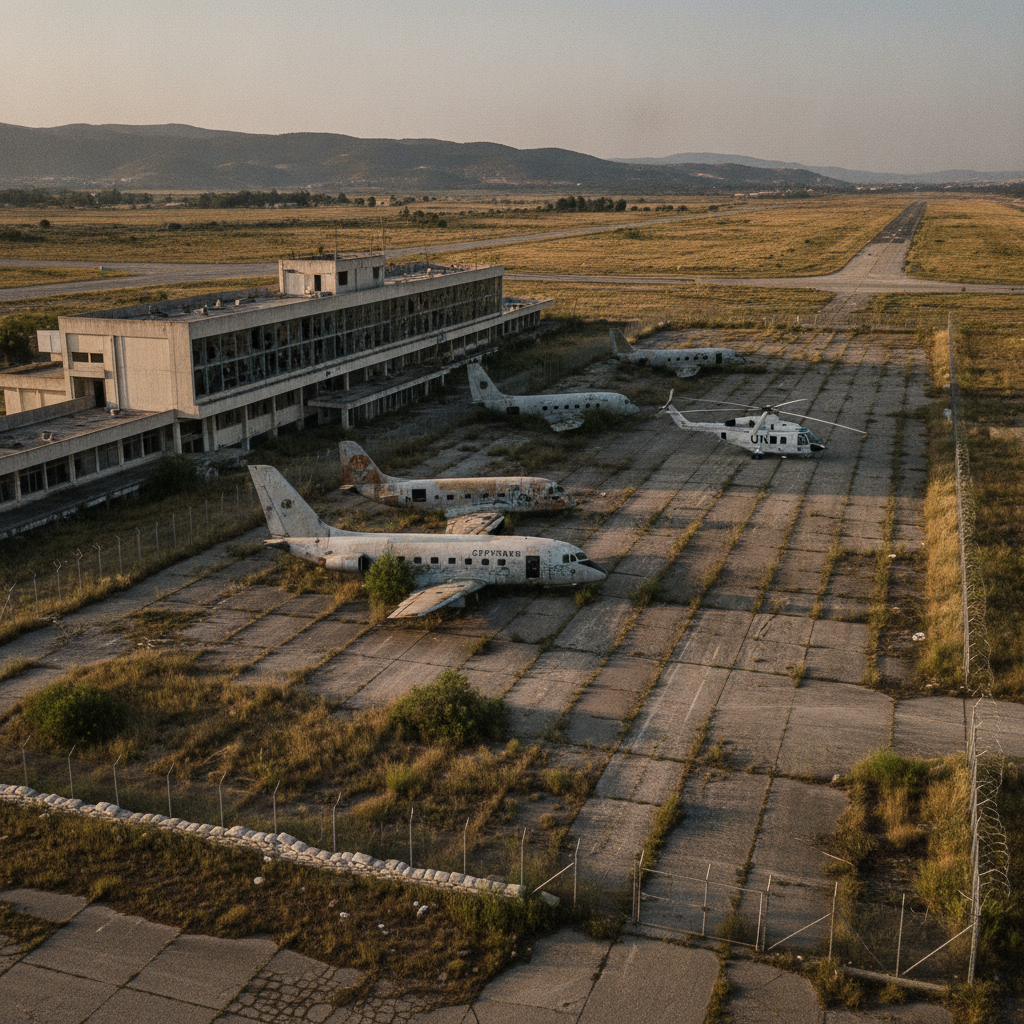
Nicosia Partition Landmarks: the Abandoned Airport in the Buffer Zone, Cape Greco Sea Caves, UNFICYP World's Longest Mission, the Ledra Palace Hotel Partition History, the Strovilia Corridor Anomaly, and Europe's Last Divided City