Nicosia: The Last Divided Capital, the Venetian Renaissance Walls, the Cyprus Museum Archaeological Treasury, Lefkara Lace UNESCO Heritage, Troodos Byzantine Fresco Churches, and Aphrodite's Mythological Birthplace
Nicosia, the world's only remaining divided capital, combines the poignant UN Green Line partition with the perfect Renaissance Venetian walls, the world's finest collection of Cypriot antiquities at the Cyprus Museum, the UNESCO Lefkara lace village, the Byzantine fresco churches of the Troodos Mountains, and the legendary birthplace of Aphrodite on the southwestern coast.
- 1
The Last Divided Capital: The Green Line
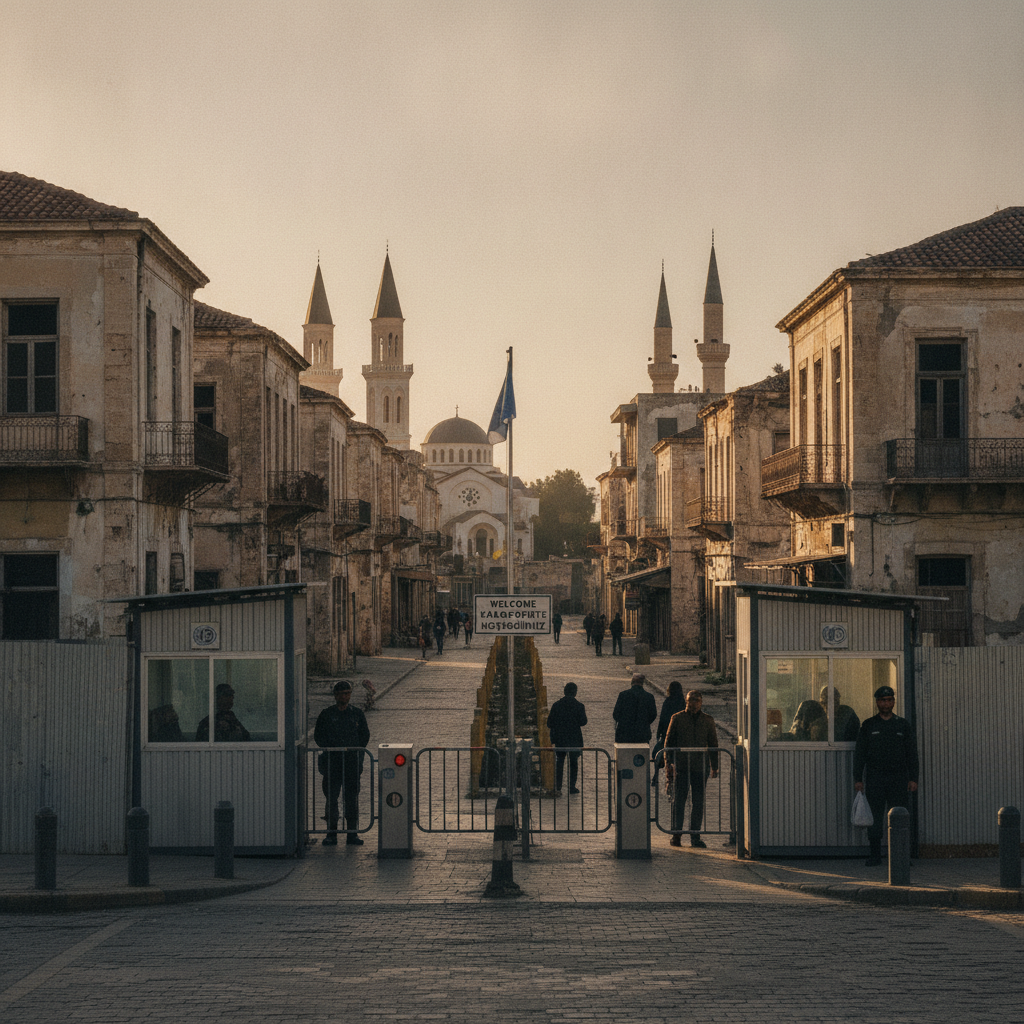
Nicosia, the capital of Cyprus and the only divided capital city in the world, has been separated by the UN Buffer Zone, the Green Line established in 1974 following the Turkish military intervention and the de facto partition of the island into the Republic of Cyprus in the south and the Turkish Republic of Northern Cyprus in the north, into two administrative zones that function as separate political entities with separate currencies, legal systems, and governing structures. The Ledra Street crossing point in the center of the city allows pedestrian crossing between the Greek Cypriot south and the Turkish Cypriot north with the passport check at the UN-monitored crossing.
- 2
The Venetian Walls: The Renaissance Fortification
The Venetian walls of Nicosia, the 16th century Italian Renaissance fortification system built between 1567 and 1570 to a design attributed to the Venetian military engineer Giulio Savorgnano, form the most complete surviving example of a Renaissance city wall in the Levant, with the 11 heart-shaped bastions named for the Venetian noble families, the three original gates, and the perfect circular plan that reflects the Italian military geometry of the era. The walls were built under the urgency of the expected Ottoman attack that came in 1570 and resulted in the fall of Nicosia to Mehmed Pasha's army.
- 3
The Cyprus Museum: The Island's Archaeological Treasury
The Cyprus Museum in Nicosia, the national archaeological museum of the Republic of Cyprus and the most important collection of Cypriot antiquity in the world, holds the finest assemblage of Cypriot Bronze Age pottery, the spectacular Aphrodite of Soli marble statue, the terracotta warrior figurines of the Agia Irini sanctuary, and the Royal Tombs of Salamis gold jewelry in a collection that documents the 12,000-year continuous habitation of Cyprus from the Aceramic Neolithic through the Ottoman period.
- 4
Lefkara Lace and the Village Tradition
Lefkara, the mountain village 45 kilometers south of Nicosia in the Troodos foothills, is famous for the lefkaritika lace embroidery that Leonardo da Vinci is recorded as purchasing for the Milan Cathedral on his visit to Cyprus in 1481, a tradition of needle-made geometric embroidery recognized by UNESCO as an Intangible Cultural Heritage. The Lefkara village silver smithing tradition, producing the replica traditional jewelry in the village workshops, and the authentic village architecture of the whitewashed stone houses create the most complete traditional craft village experience in Cyprus.
- 5
Troodos Mountains: The Cedar Forests and Byzantine Icons
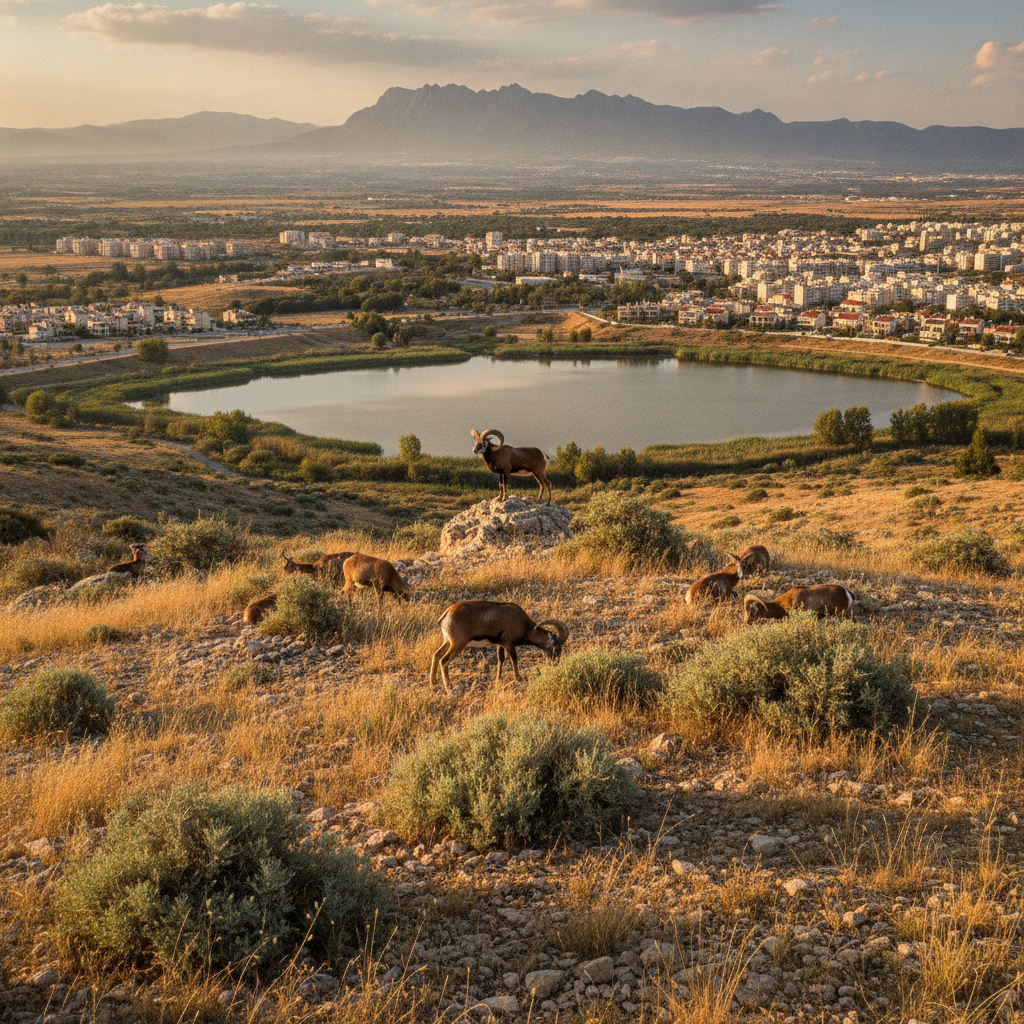
The Troodos Mountains, the volcanic massif in the center of Cyprus rising to 1,952 meters at Mount Olympos, protect the Paphos Forest with the endemic Cyprus cedar, the mouflon wild sheep, and the 10 Byzantine-frescoed mountain churches that are collectively a UNESCO World Heritage Site for the finest collection of Byzantine mural painting in the eastern Mediterranean outside Istanbul. The Kykkos Monastery at 1,318 meters, the wealthiest and most important monastery in Cyprus, holds the icon of the Virgin Mary attributed to St. Luke.
- 6
Aphrodite's Birthplace: The Petra tou Romiou
The Petra tou Romiou, the sea stack on the southwest Cyprus coast near Paphos that is identified by tradition as the birthplace of Aphrodite and the site where the goddess emerged from the sea foam, is the most mythologically significant single site in Cyprus and one of the most photographically iconic coastal features in the eastern Mediterranean. The legend that swimming around the rock three times restores youth and beauty has made it the most visited natural site in Cyprus.
Walk this route with audio
Stories play automatically as you reach each stop — no tapping needed.
More in Nicosia
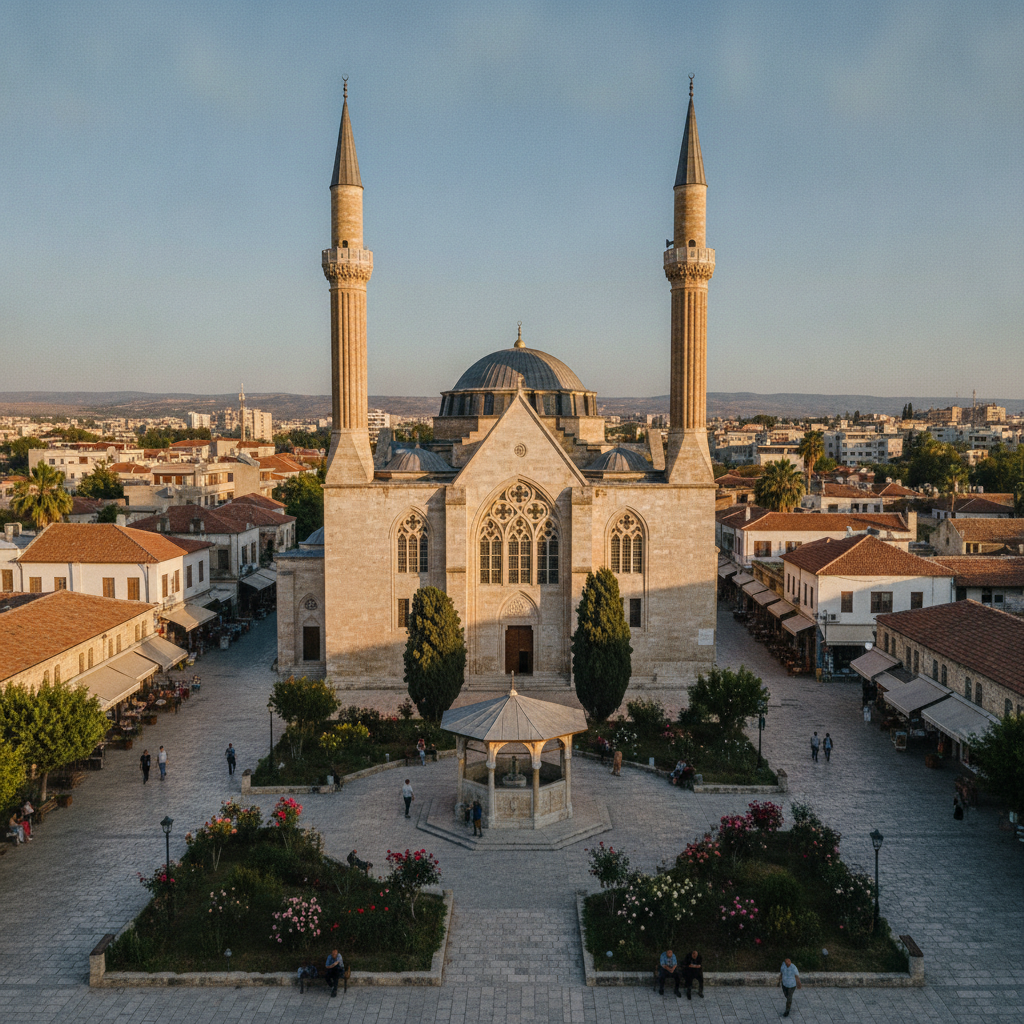
Nicosia and Cyprus Complete: North Nicosia Ottoman Quarter, Paphos Roman Mosaics, Kourion Classical Theatre, Larnaka Flamingo Salt Lake, Cypriot Mezze and Halloumi, and the Old Town Bar Revival
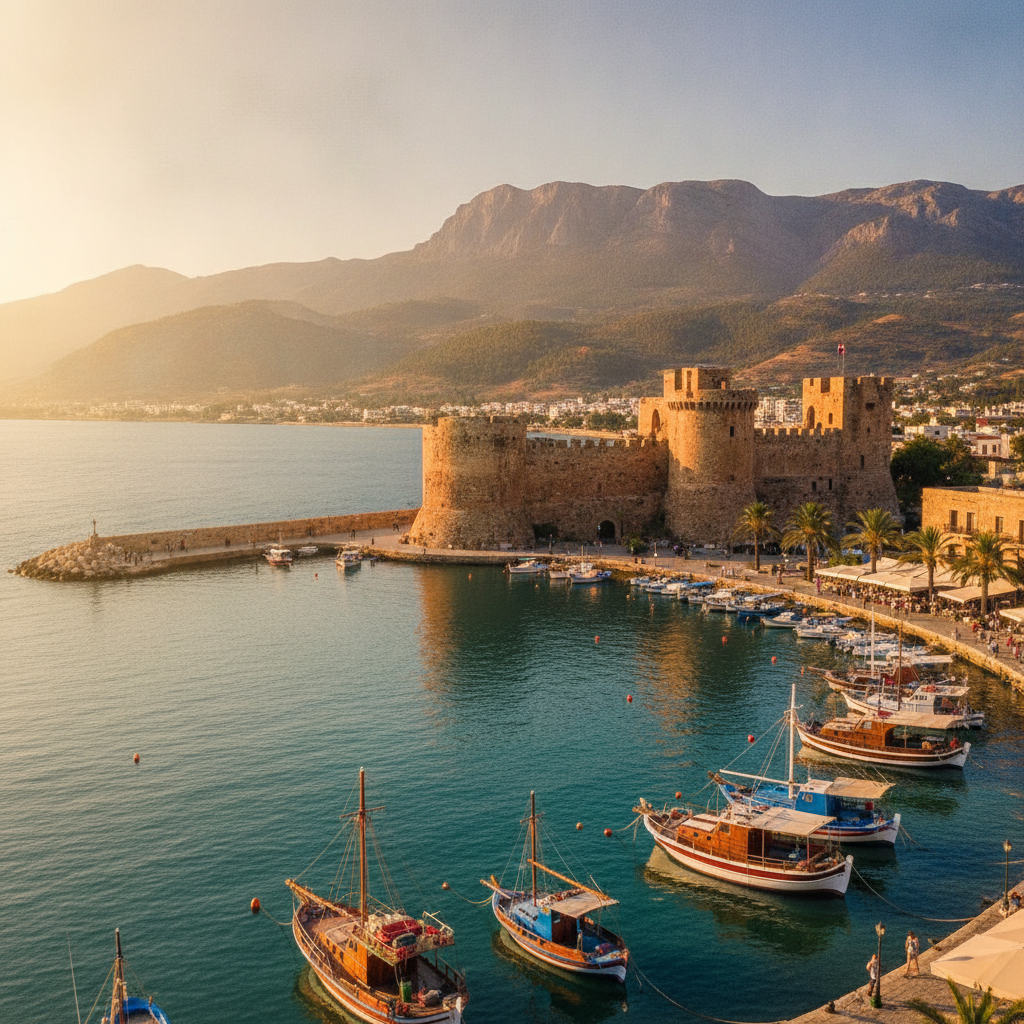
Nicosia Politics and Nature: the Cyprus Frozen Conflict, Famagusta Varosha Ghost City, Kyrenia Crusader Castle, Akamas Peninsula Wild West, Commandaria Oldest Wine, and the Two-Currency Capital Practical Guide
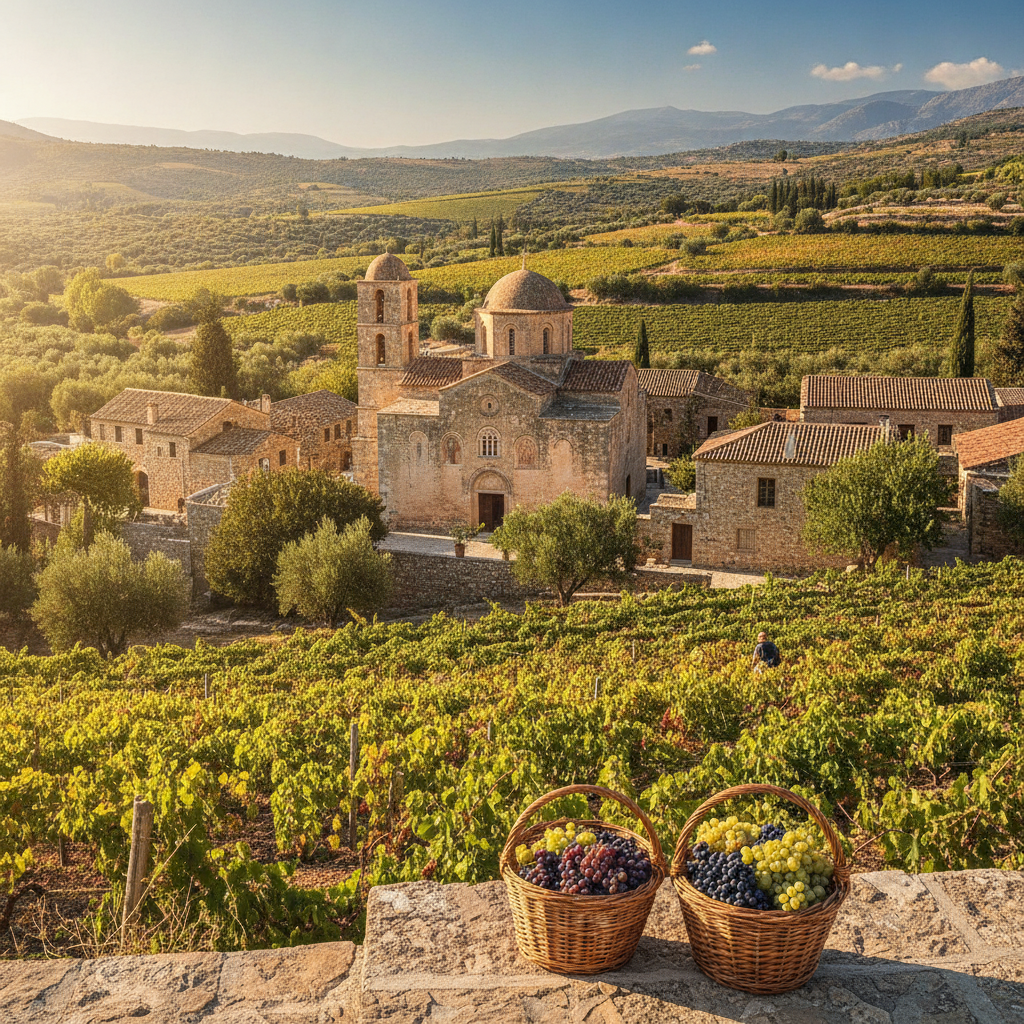
Nicosia Wine and Culture: Krassochoria Wine Villages, Limassol Business Capital, Cyprus Blue Flag Beach Champions, Byzantine Colonial Architecture Layers, the Cyprus-Israel Eastern Mediterranean Partnership, and the Complex Cypriot Identity
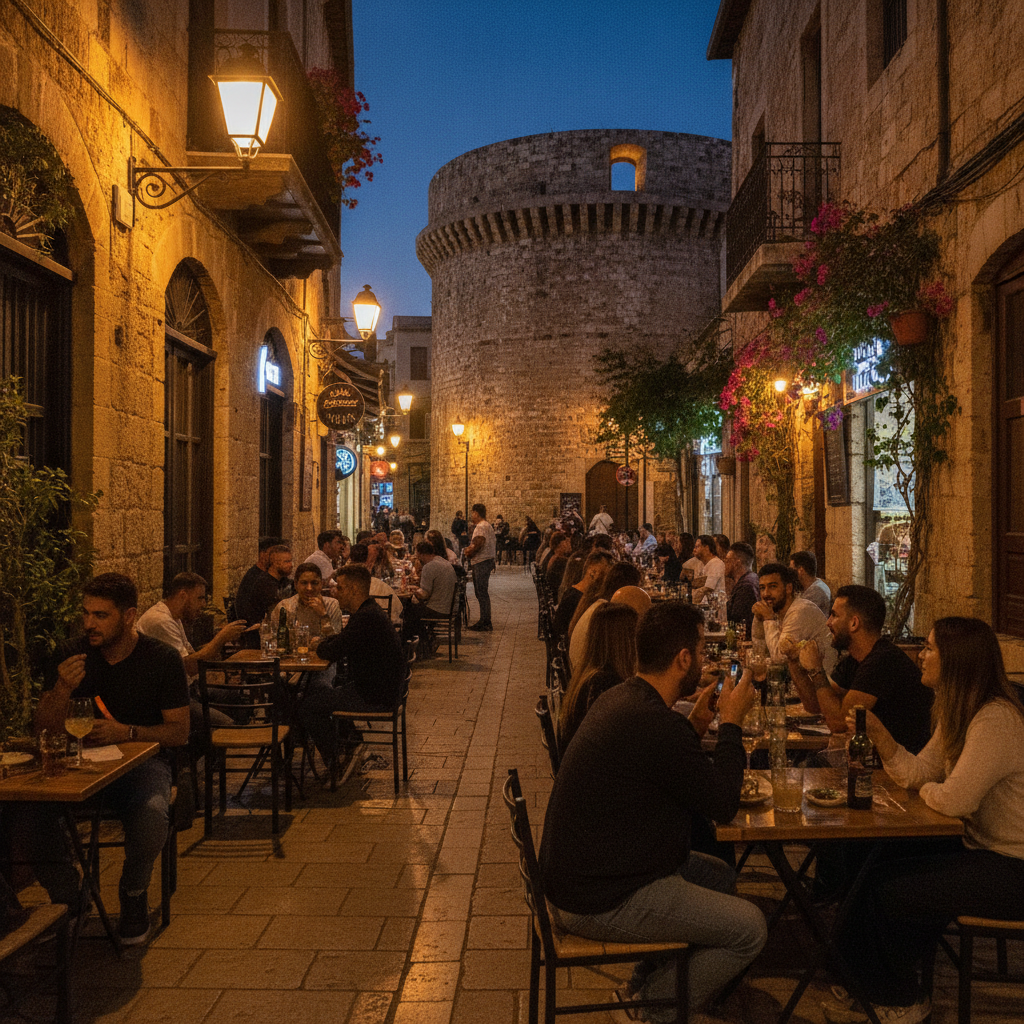
Nicosia Old Town and Coast: Lefkosia Urban Regeneration, Phaneromeni Church Square, the 3-Hour City Walk Circuit, Thalassa Marine Museum, Ayia Napa Club Resort, and Protaras Fig Tree Bay Family Beach
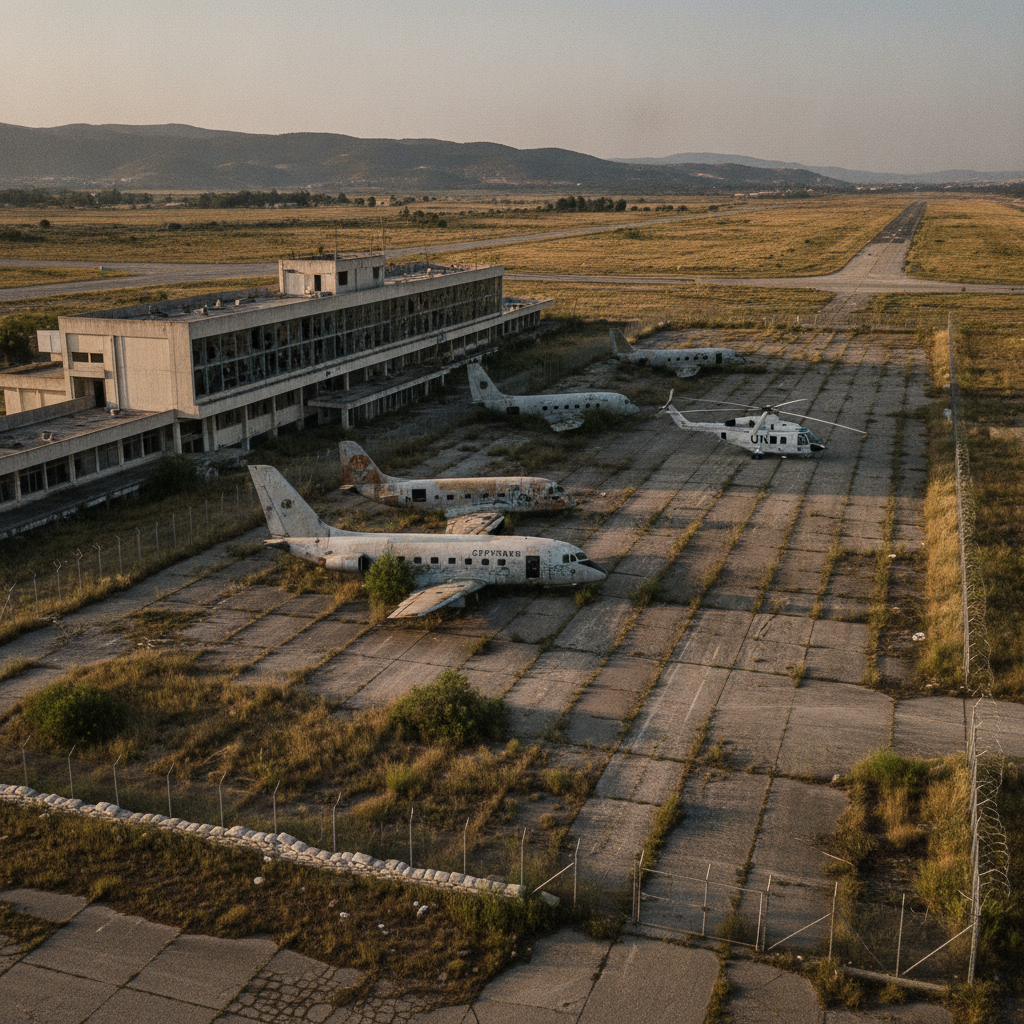
Nicosia Partition Landmarks: the Abandoned Airport in the Buffer Zone, Cape Greco Sea Caves, UNFICYP World's Longest Mission, the Ledra Palace Hotel Partition History, the Strovilia Corridor Anomaly, and Europe's Last Divided City