Svetitskhoveli Cathedral Living Pillar UNESCO
Visit Svetitskhoveli Cathedral, Georgia's holiest church and UNESCO World Heritage Site, where the legendary robe of Christ is believed to be buried beneath the Living Pillar, making Mtskheta the Jerusalem of the Caucasus.
- 1
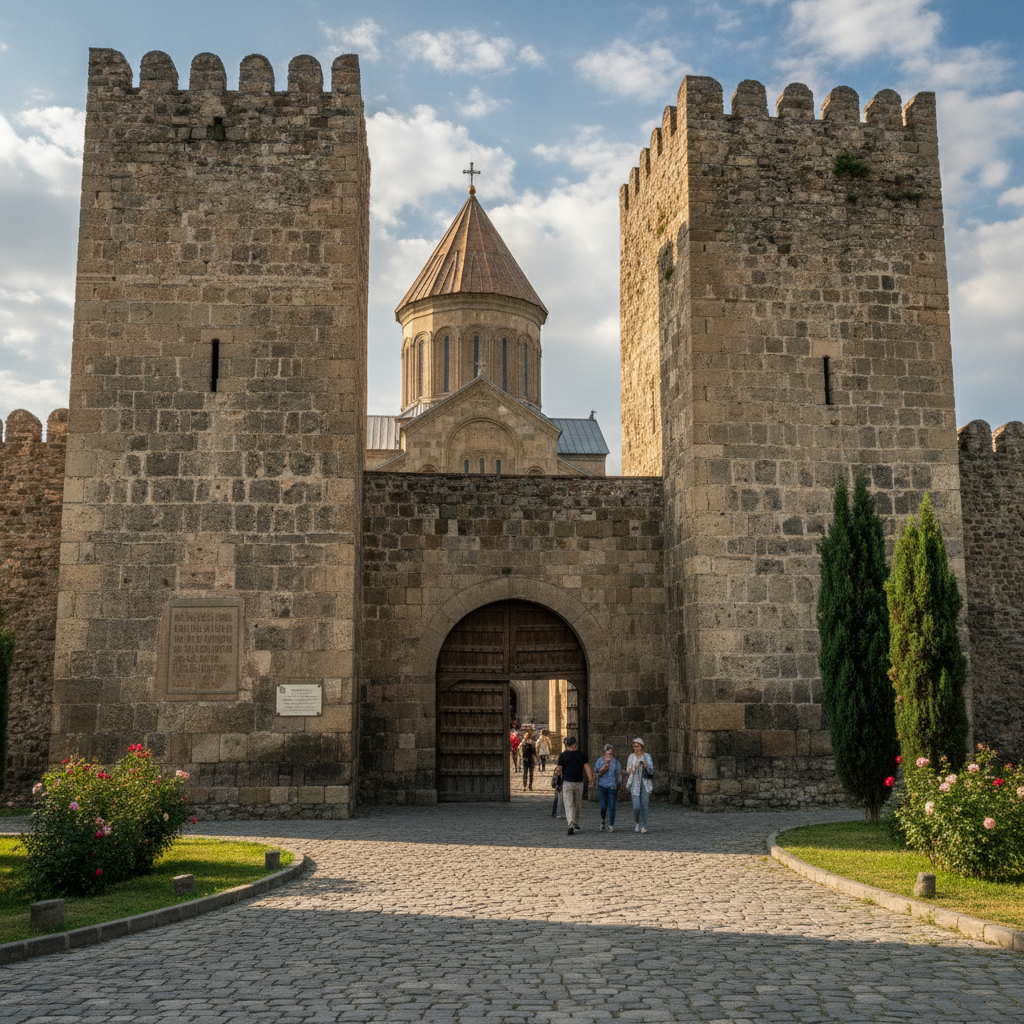
Cathedral Gate
Enter through the cathedral's magnificent fortified walls that enclose one of the most sacred sites in Georgian Christianity, the complex of church and defensive towers reflecting the dual spiritual and military role of Mtskheta as an ancient capital.
- 2
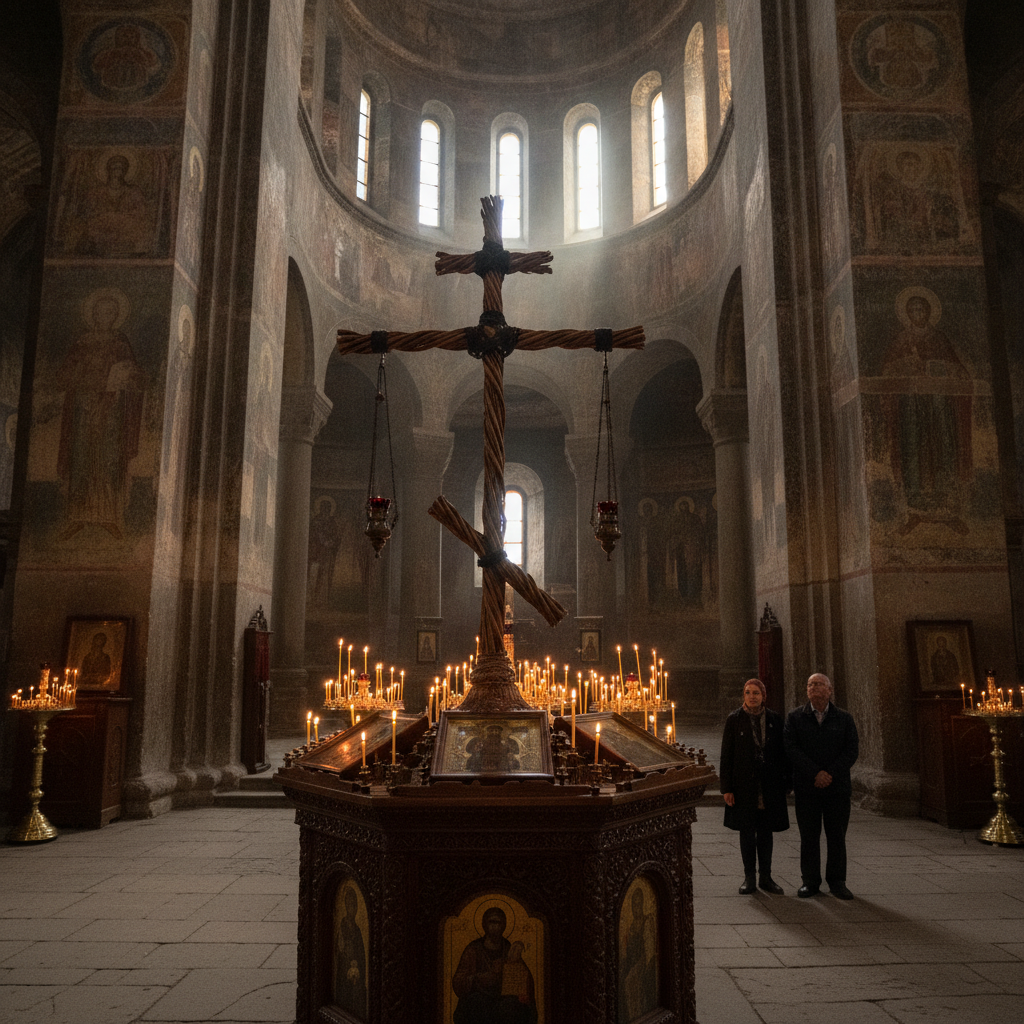
Svetitskhoveli Main Nave
Stand in the great nave of Svetitskhoveli built in the 11th century, its soaring interior decorated with medieval frescoes and dominated by the baldachin built over the spot where the robe of Christ and the body of Saint Sidonia are believed to lie buried.
- 3
Living Pillar Column
See the Living Pillar, the legendary cedar column that according to Georgian tradition rose miraculously from the ground when the robe of Christ was buried here, the column encased within a stone shrine at the heart of the cathedral.
- 4
Royal Burial Vaults
Learn about the royal burial vaults beneath the cathedral floor where many of the kings of the Kartli kingdom who made Mtskheta their capital are interred, the cathedral serving as the Westminster Abbey of medieval Georgia.
- 5
Cathedral Exterior Carvings
Examine the intricate stone carvings on the cathedral exterior where medieval Georgian sculptors created bas-reliefs of animals, vine scrolls, and religious motifs in a distinctive national style that influenced church architecture throughout the Caucasus.
- 6
Cathedral Courtyard
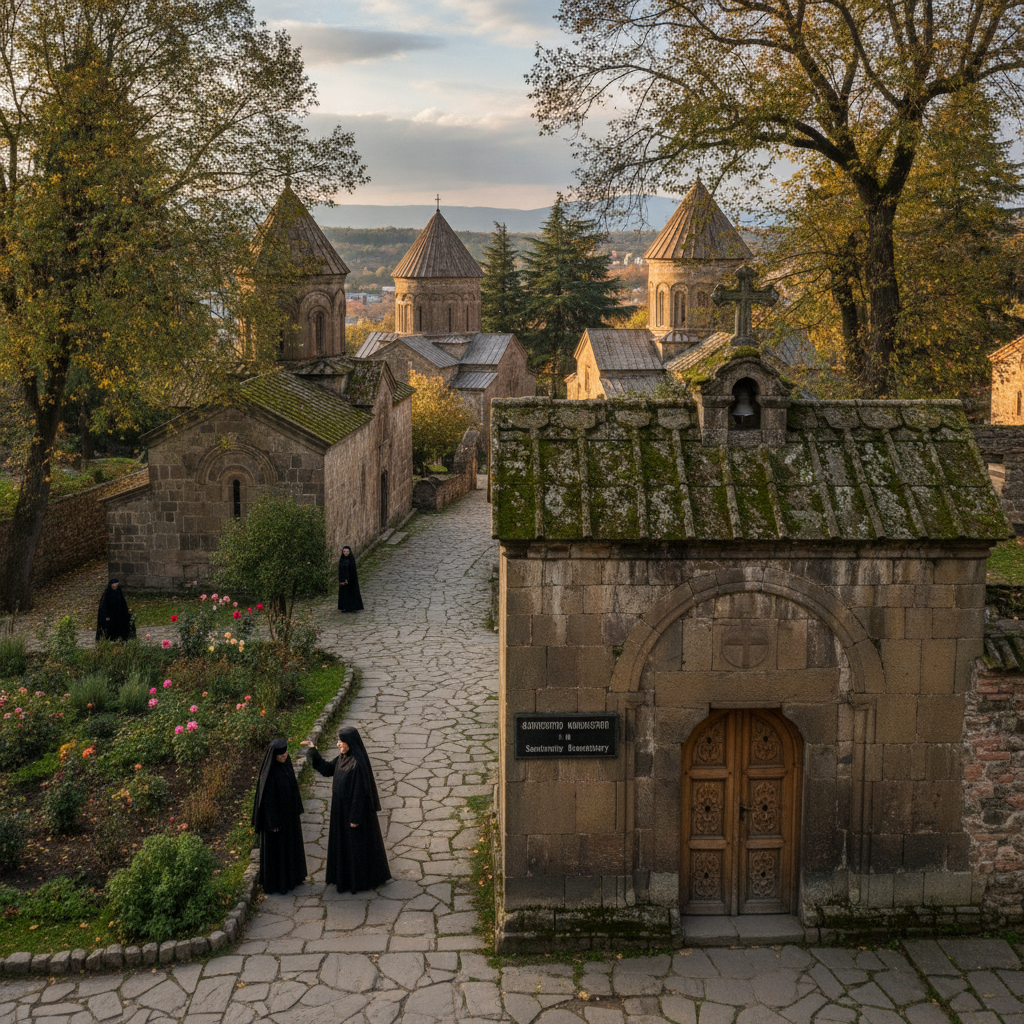
Walk the cathedral courtyard where the layered history of Mtskheta is visible — foundations of earlier churches beneath the 11th-century building, Ottoman-era fortification towers, and modern pilgrim facilities coexisting at this site continuously sacred for 1,700 years.
Walk this route with audio
Stories play automatically as you reach each stop — no tapping needed.
More in mtskheta
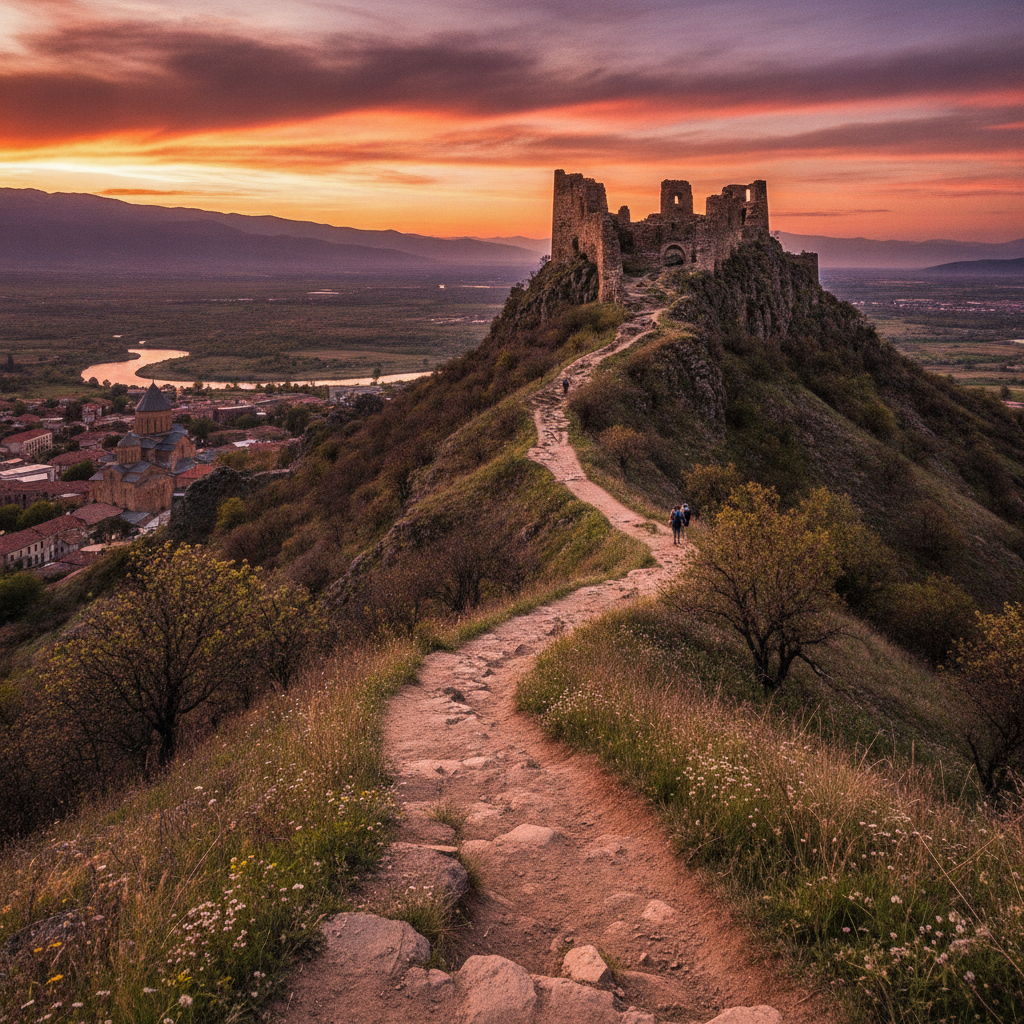
Bebristsikhe Fortress and Panoramic Kartli Views
Saint Nino Christian Heritage Pilgrimage Circuit
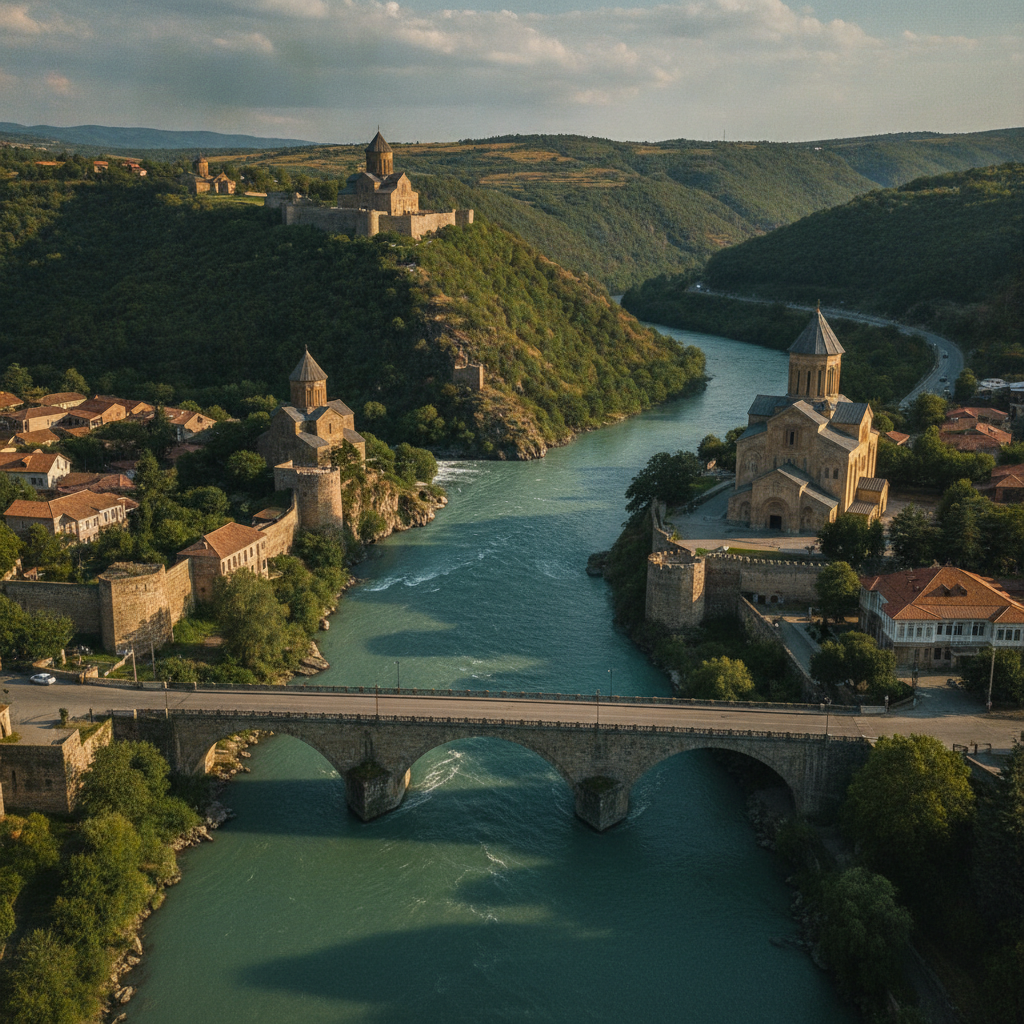
Aragvi River Valley Nature and Monasteries
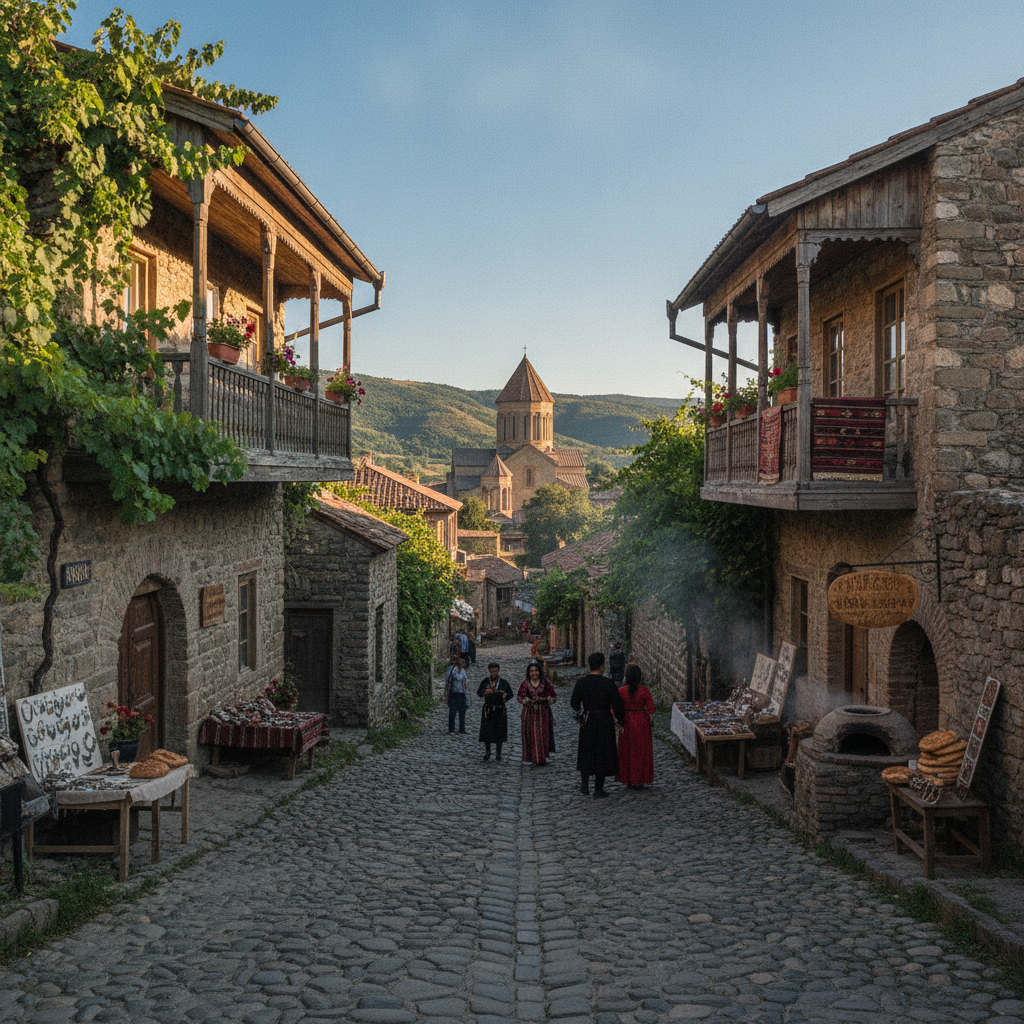
Old Town Mtskheta Georgian Crafts and Cuisine
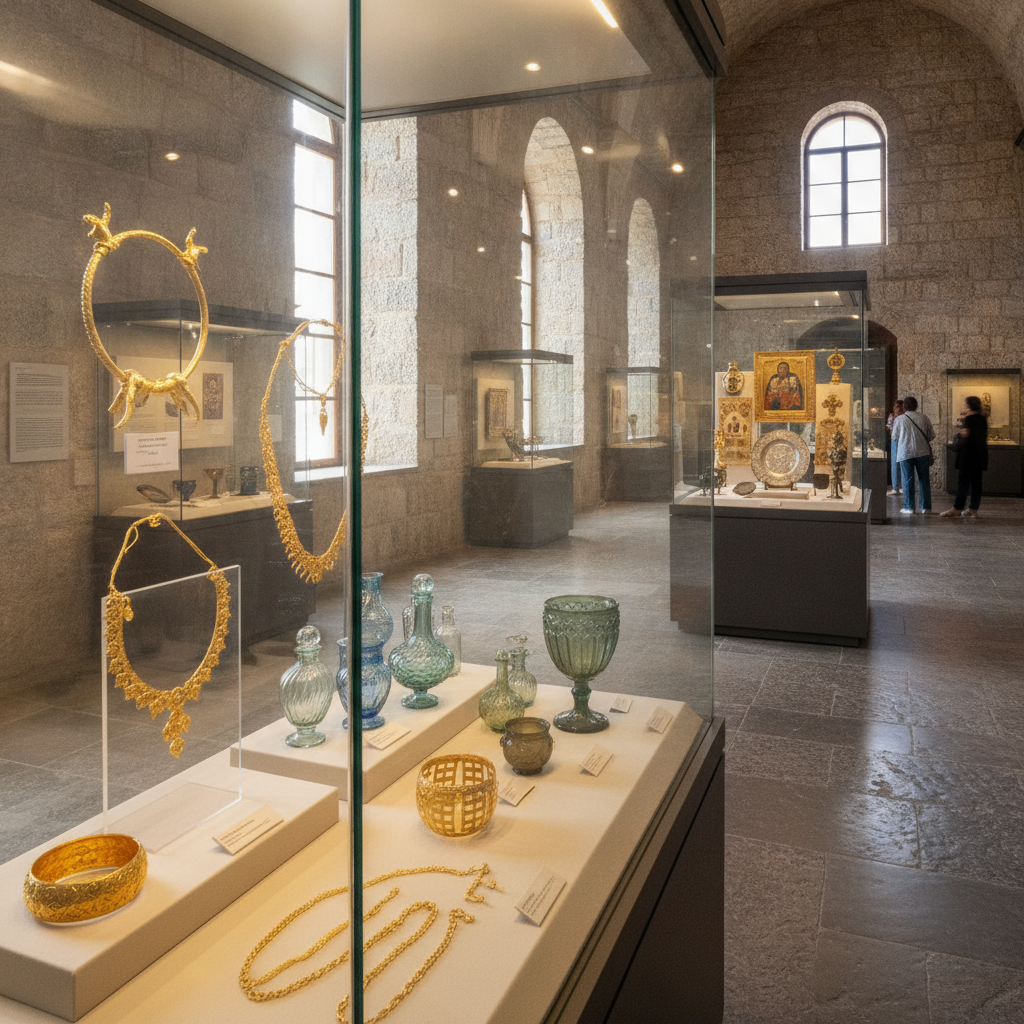
Mtskheta Ancient Capital Archaeological Sites