Mtskheta Ancient Capital Archaeological Sites
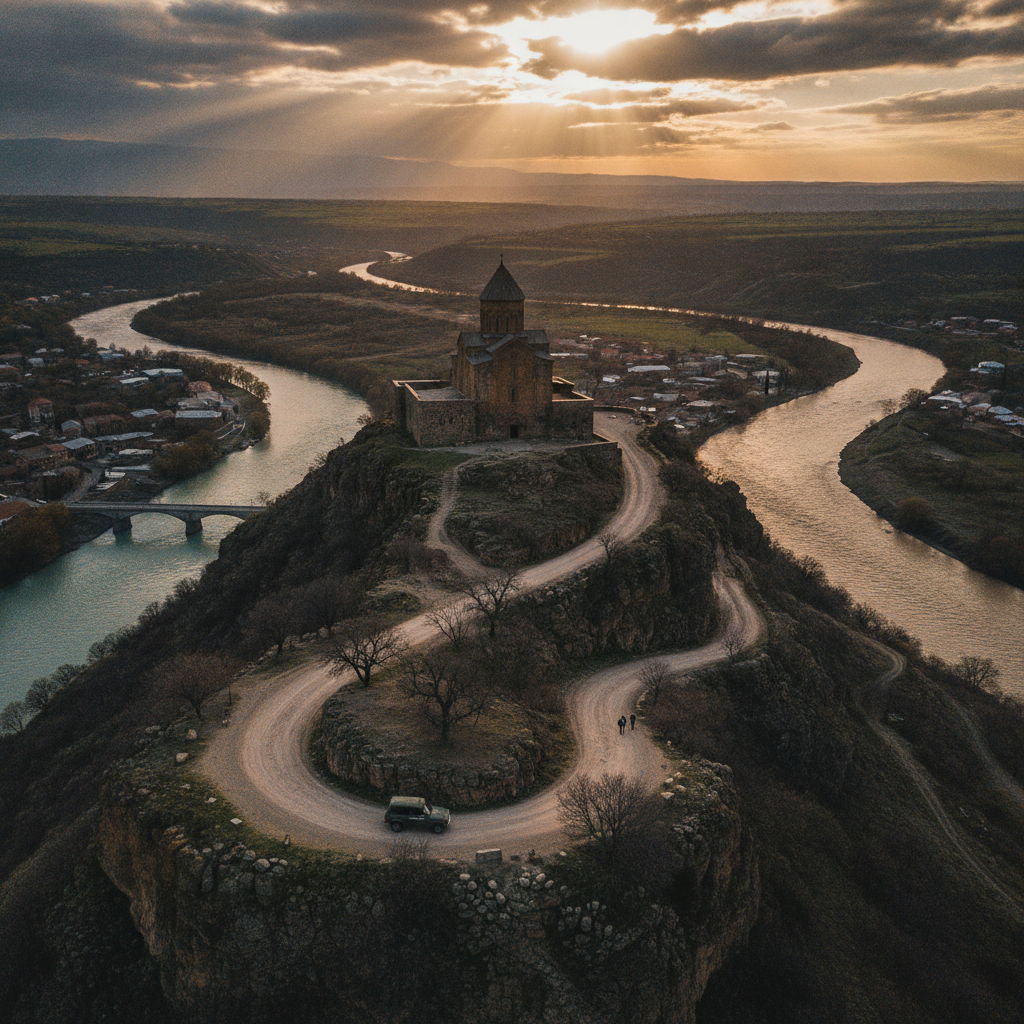
Explore the archaeological layers of Mtskheta, capital of the ancient Kartli kingdom for a thousand years before Tbilisi, where excavations have uncovered settlements dating from the Bronze Age through the medieval period beneath this small modern town.
- 1
Archaeological Museum
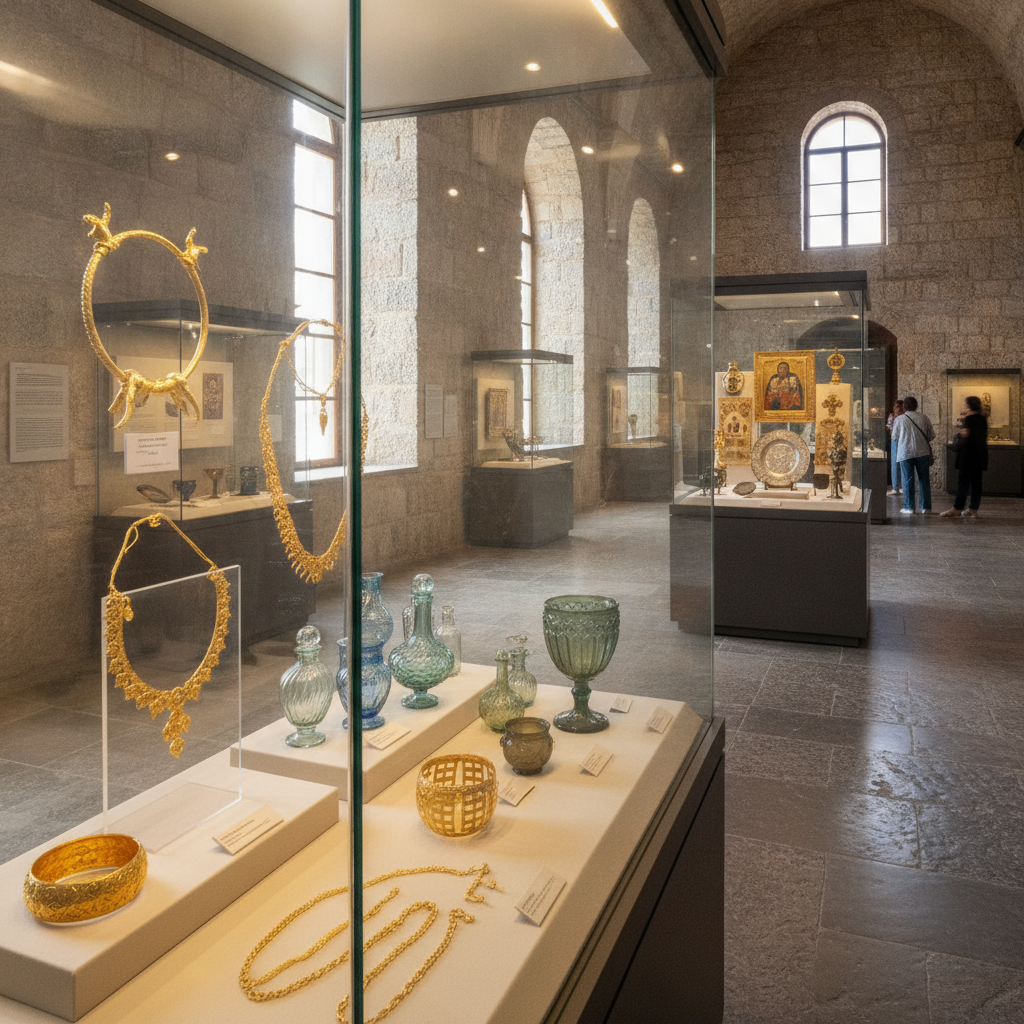
Begin at the Mtskheta Archaeological Museum where artifacts from excavations throughout the ancient capital are displayed — Gold jewelry from Colchian and Achaemenid periods, Roman glassware, Byzantine coins, and Georgian church treasures from a city at the crossroads of ancient trade routes.
- 2
Armazi Citadel Ruins
Visit the ruins of the Armazi Citadel across the Mtkvari River from Mtskheta proper, the ancient fortress and pagan temple complex that was the spiritual center of pre-Christian Kartli before Saint Nino brought Christianity to the royal court.
- 3
Roman-era Bridge Remains
See the remains of the ancient bridge that once spanned the Mtkvari River, the engineering infrastructure of an ancient city that maintained diplomatic and trade relations with Rome, Parthia, and Byzantium simultaneously.
- 4
Bagineti Archaeological Site
Explore the Bagineti site across the river where excavations revealed the palace complex and wine cellar of the ancient Kartlian kings, with artifacts demonstrating the sophisticated court culture of this capital city in the 1st millennium CE.
- 5
Ancient Necropolis
Learn about the ancient necropolis excavated beneath modern Mtskheta where rich burial goods including gold jewelry, weapons, and imported luxury goods demonstrate the wealth of the ancient capital as a hub of Caucasian commerce and political power.
- 6
Shiomgvime Cave Monastery
Make the excursion to Shiomgvime Cave Monastery carved into the cliffs of a gorge northwest of Mtskheta, where early Christian hermits established rock-hewn cells in the 6th century that grew into one of the most important monastic centers in medieval Georgia.
Walk this route with audio
Stories play automatically as you reach each stop — no tapping needed.
More in mtskheta
Bebristsikhe Fortress and Panoramic Kartli Views
Saint Nino Christian Heritage Pilgrimage Circuit
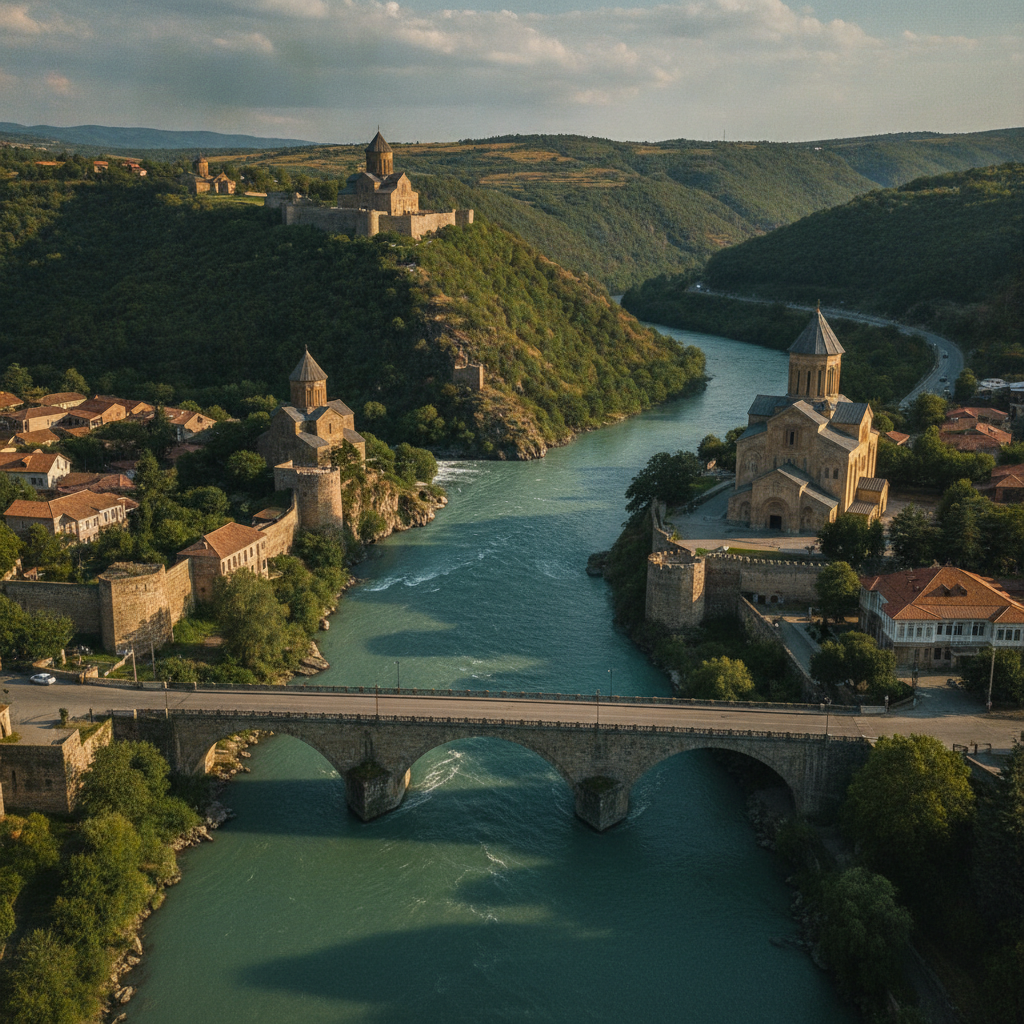
Aragvi River Valley Nature and Monasteries
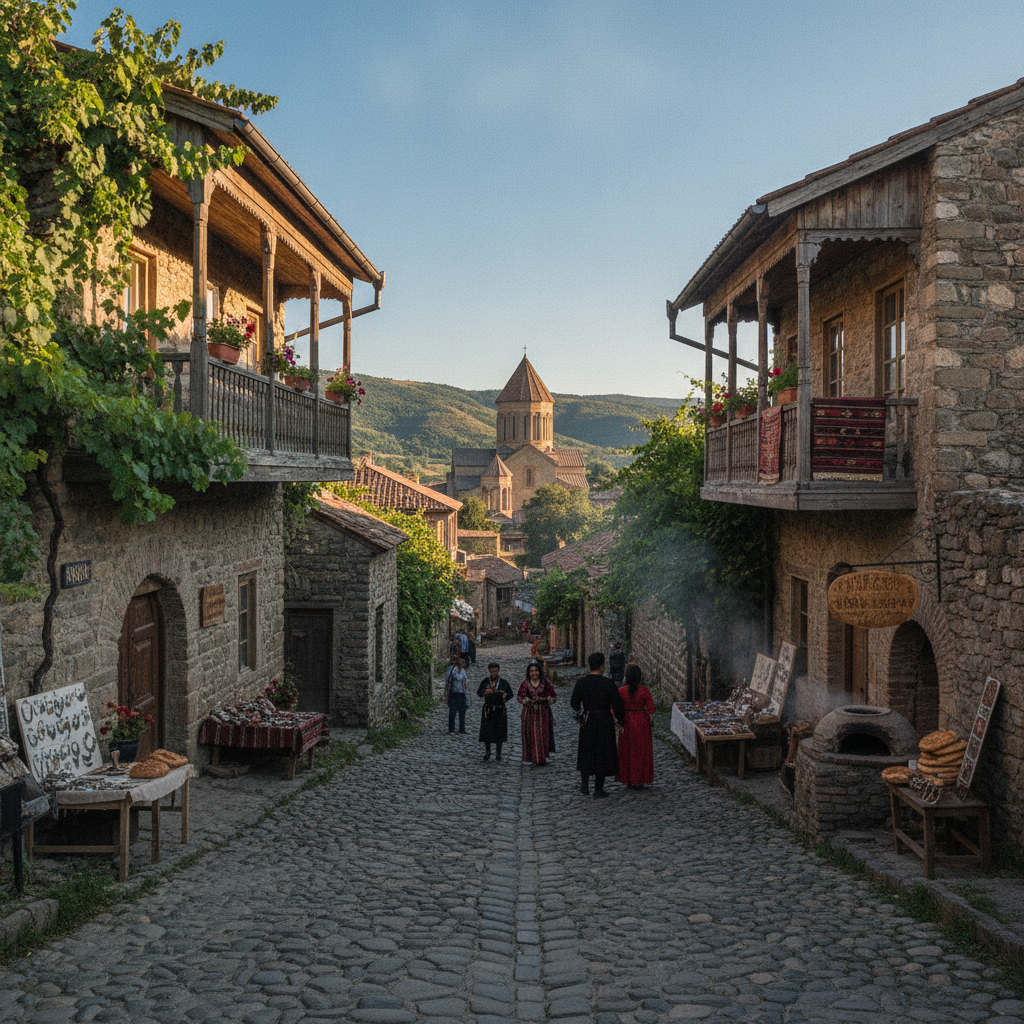
Old Town Mtskheta Georgian Crafts and Cuisine
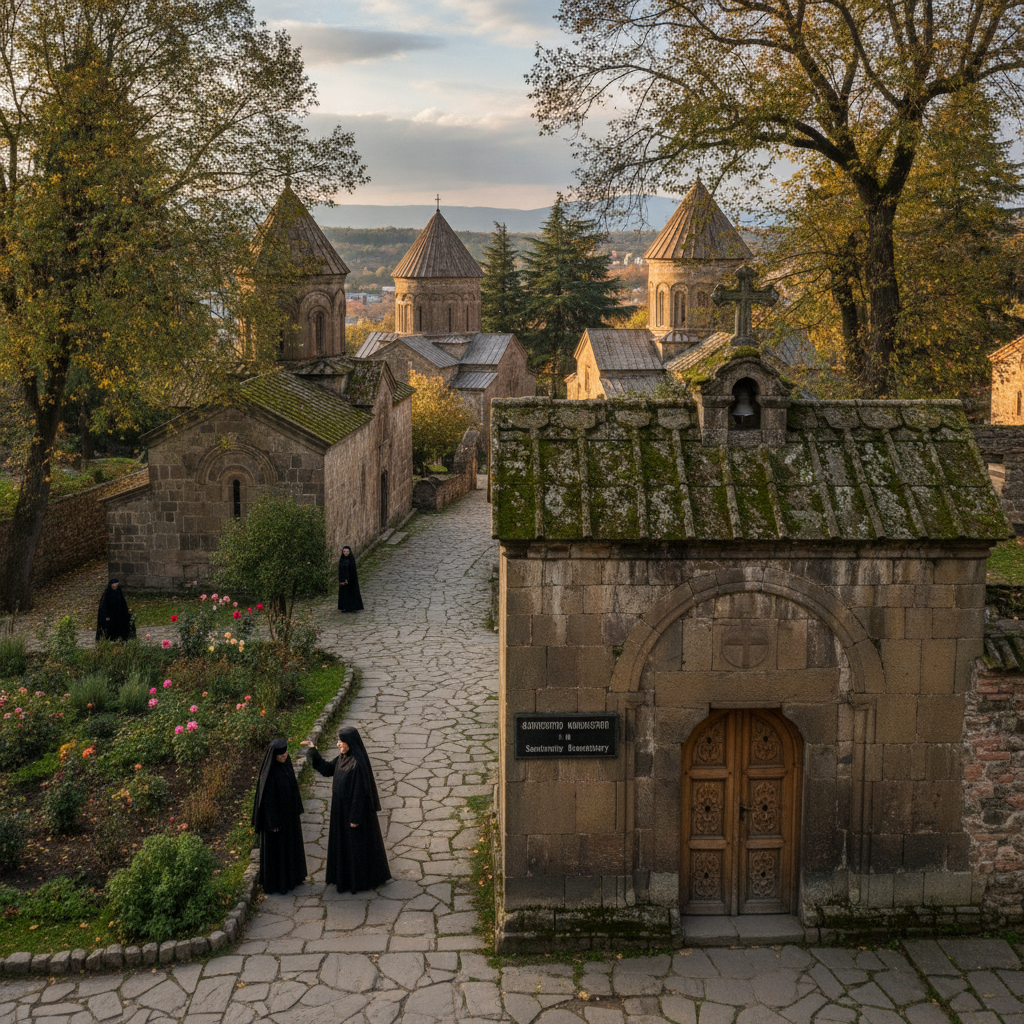
Samtavro Monastery Women Saints and Royal Tombs