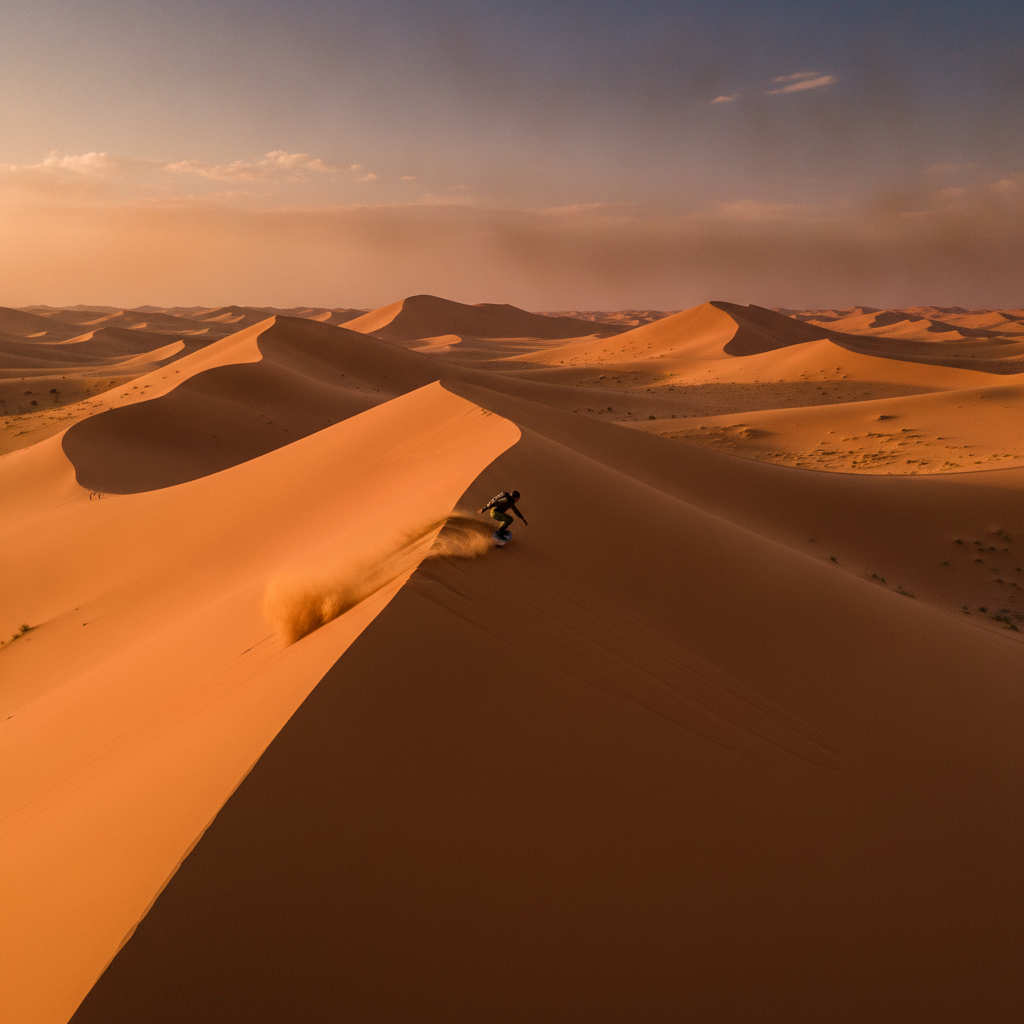
Merzouga Science: The Erg Chebbi Dune Formation, the Saharan Ecosystem, the Desert Flora and Fauna, the Tafilalet Geology, and the Science of the Desert
The Merzouga science route covers the Erg Chebbi dune formation as the most geologically educational single Saharan landscape in Morocco, the Saharan ecosystem with the most surprisingly biodiverse single desert environment, the desert flora and fauna including the Saharan silver ant and the fennec fox, the Tafilalet geology, and the science of the desert.
- 1
Erg Chebbi Formation: The Dune Science
The Erg Chebbi sand dune formation, the most geologically recent single landscape feature in Morocco (the Erg Chebbi sand is estimated to have accumulated over the past 20,000-100,000 years from the Quaternary period desert expansion), is driven by the northeast trade wind that transports the most finely grained single quartz sand (0.2-0.5mm grain size, the most aerodynamically mobile single Saharan sand particle range) from the exposed Devonian sandstone beds and the hamada gravel surfaces to the most aerodynamically sheltered single sand accumulation zone at the Erg Chebbi location. The barchan dune form (the crescent-shaped dune with the horns pointing downwind) is the most aerodynamically stable single dune form in the Erg Chebbi and the form that most clearly demonstrates the wind-sand interaction.
- 2
Saharan Ecosystem: The Surprising Desert Biodiversity
The Erg Chebbi Saharan ecosystem, the most apparently hostile single terrestrial environment in Morocco, supports the most surprising single desert biodiversity with the Saharan silver ant (Cataglyphis bombycina, the fastest single ant in the world at 855 millimeters per second), the Saharan horned viper (Cerastes cerastes, the most venomous single snake in the Moroccan desert), the desert monitor lizard (Varanus griseus, the most dramatically large single reptile in the Moroccan desert at 1.5 meters length), the fennec fox (Vulpes zerda, the most iconically desert-adapted single Moroccan mammal with the most oversized ears for the most effective single desert heat radiation), and 400 plant species in the most drought-adapted single flora in Morocco.
- 3
Saharan Fennec Fox: The Desert Night Hunter
The fennec fox (Vulpes zerda), the most internationally recognized single Saharan animal and the species most directly identified with the Moroccan desert in the global popular imagination, is the most nocturnal single Moroccan desert mammal hunting the most varied single desert prey (insects, small rodents, lizards, eggs, and desert fruit) in the most complete single desert predator-prey strategy. The fennec fox tracks in the Erg Chebbi morning sand are the most reliably visible single wildlife sign available to the early morning dune walker and the most frequently photographed single animal sign in the Moroccan desert tourism context.
- 4
Desert Thermometer: The Extreme Climate Science
The Erg Chebbi desert climate represents the most extreme single annual temperature range in Morocco with the summer day maximum of 48 degrees (the most intensely solar-heated single Moroccan surface at the black sand base of the dune, where the ground temperature reaches 80 degrees) and the winter night minimum of minus 5 degrees (the most rapidly radiating single cloudless desert surface in Morocco). The 53-degree potential annual temperature range at Erg Chebbi is the most dramatic single annual temperature variance in Morocco and the climate extreme most responsible for the most physically demanding single Moroccan outdoor environment.
- 5
Desert Plant Adaptation: The Xerophyte Strategy
The desert plants of the Erg Chebbi margin zone - the drinn grass (Aristida pungens, the most sand-fixing single grass in the Moroccan erg margin and the most important single dune stabilization plant species), the Saharan cypress (Tetraclinis articulata sub-species), the desert marigold (Calendula aegyptiaca), and the retam (Retama raetam, the white weeping broom, the most widely distributed single legume on the Moroccan desert margin) - demonstrate the most complete single range of xerophyte (drought-adapted) plant strategies in Morocco from the deep root system, the water storage tissue, the reduced leaf surface, and the deciduousness to the CAM (Crassulacean Acid Metabolism) photosynthesis in the most physiologically sophisticated single desert plant adaptation.
- 6
Saharan Night: The Desert Sensory Environment
The Merzouga desert night sensory environment - the most completely silent single Moroccan outdoor environment (the absence of vehicle noise, the absence of wind in the most wind-sheltered single dune hollow, and the absence of the human presence beyond the camp creates the most acoustically complete single desert silence in Morocco), the most dramatically temperature-plunging single outdoor environment (from 40 degrees at 6pm to 15 degrees at midnight), and the most starry single outdoor sky in Morocco - creates the most holistically extreme single outdoor sensory experience available in Morocco and the experience most frequently cited as the single most memorable moment of the Morocco trip.
Walk this route with audio
Stories play automatically as you reach each stop — no tapping needed.
More in Merzouga
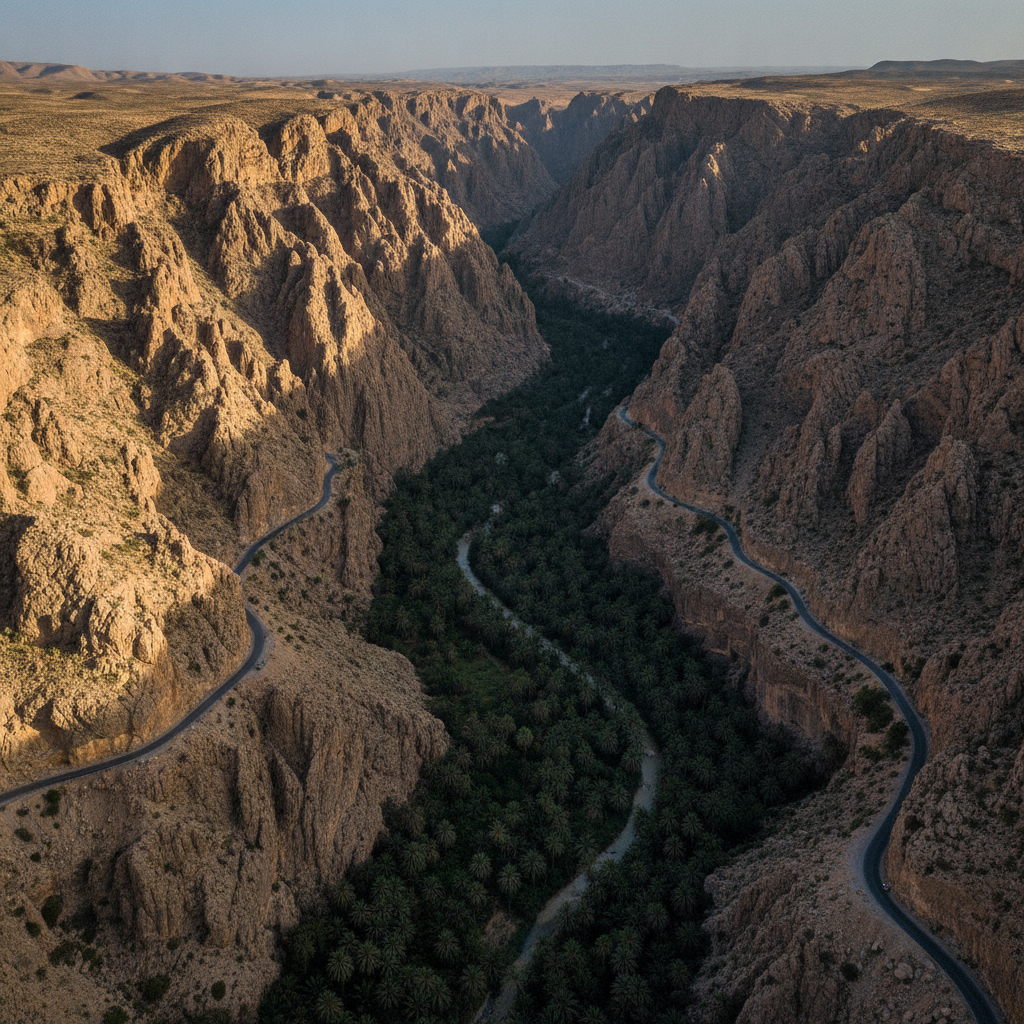
Merzouga Circuit: The Tafilalet Grand Circuit, the Erfoud Fossil Route, the Rissani Heritage Trail, the Ziz Valley Connection, and the Southern Morocco Desert Road
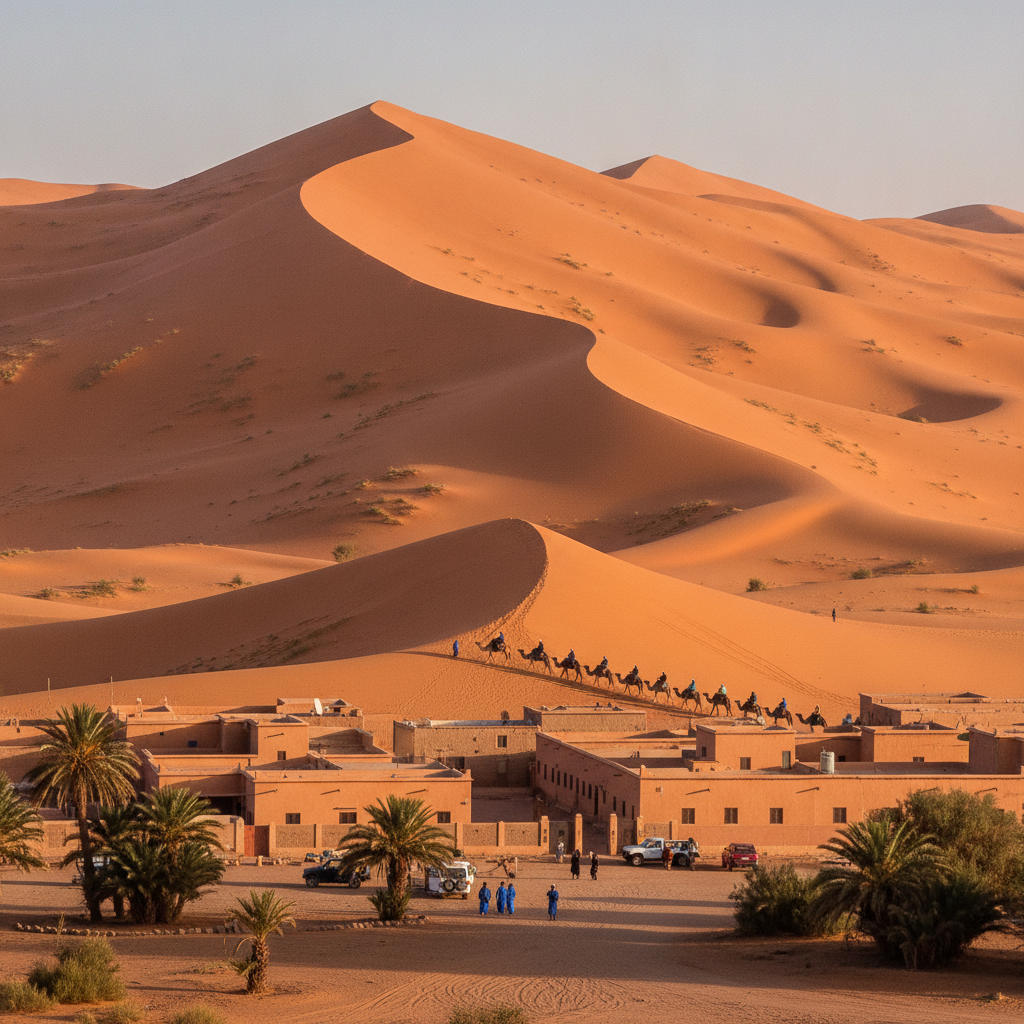
Merzouga Practical: The CTM Bus from Erfoud, the Road from Ouarzazate, the Desert Camp Booking, the Optimal Visit Timing, the Seasonal Considerations, and the Departure Summary
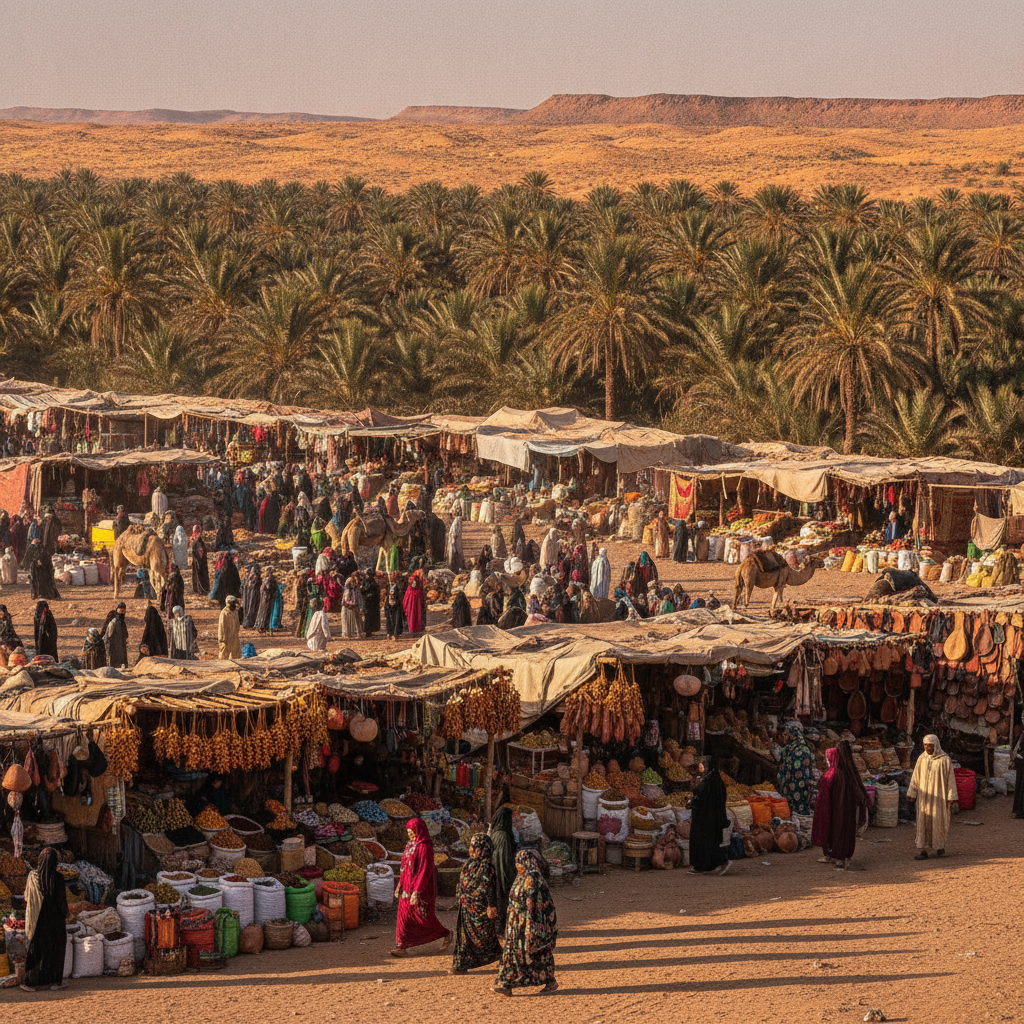
Merzouga Region: The Tafilalet Oasis, the Sijilmassa Ruins, the Rissani Berber Market, the Erfoud Date Festival, and the Pre-Saharan Cultural Landscape
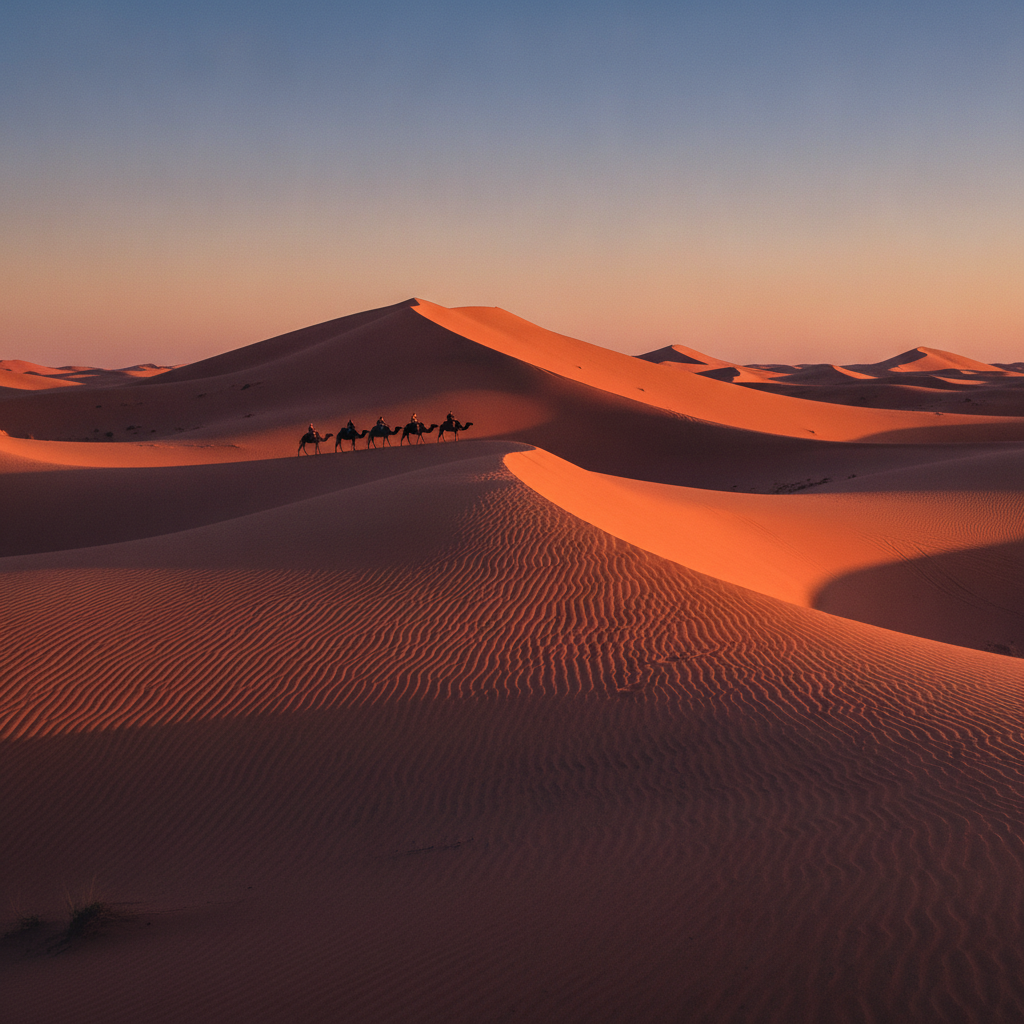
Merzouga Essential: The Erg Chebbi Sand Dunes, the Camel Trek to the Desert Camp, the Sahara Sunrise, the Berber Nomad Culture, and the Most Complete Single Saharan Desert Experience in Morocco
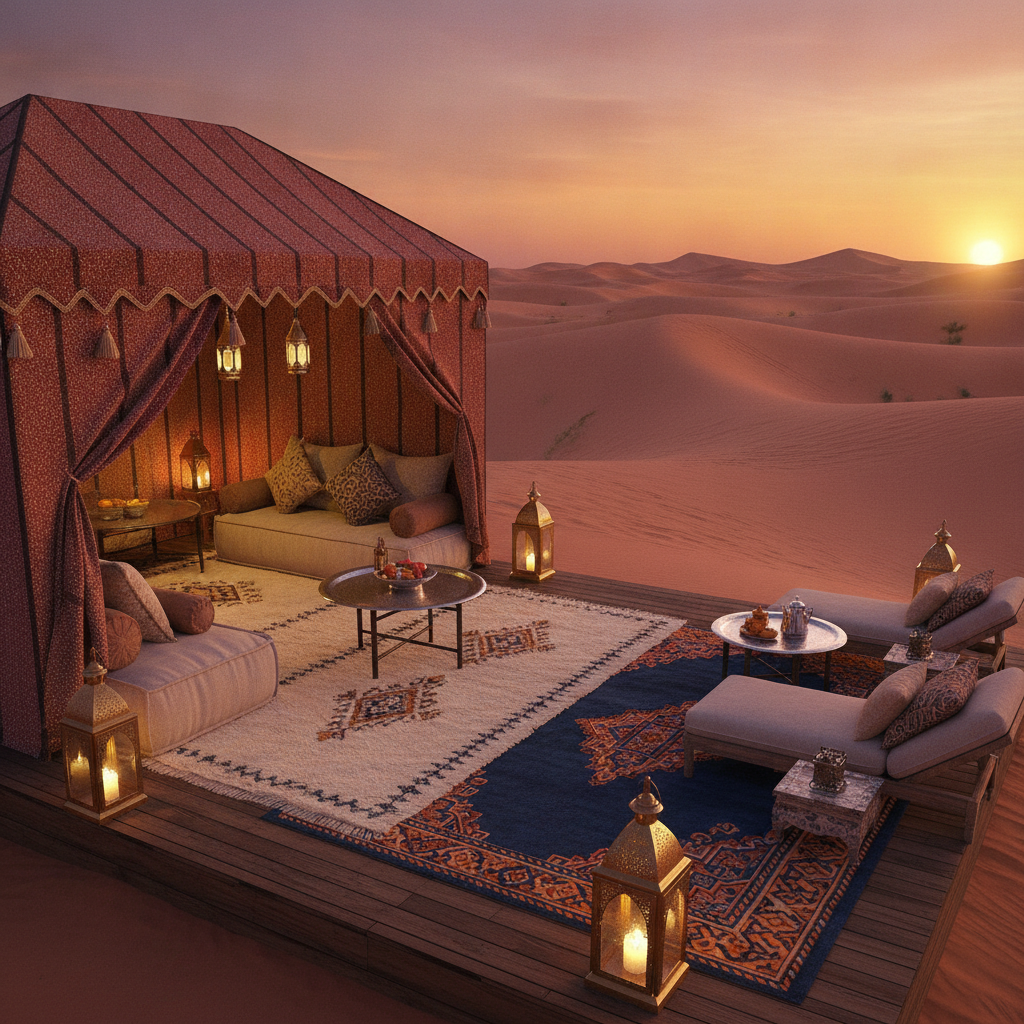
Merzouga Luxury: The Luxury Desert Camp, the Glamping Berber Tent, the Private Camel Trek, the Premium Stargazing Experience, and the High-End Saharan Desert Travel