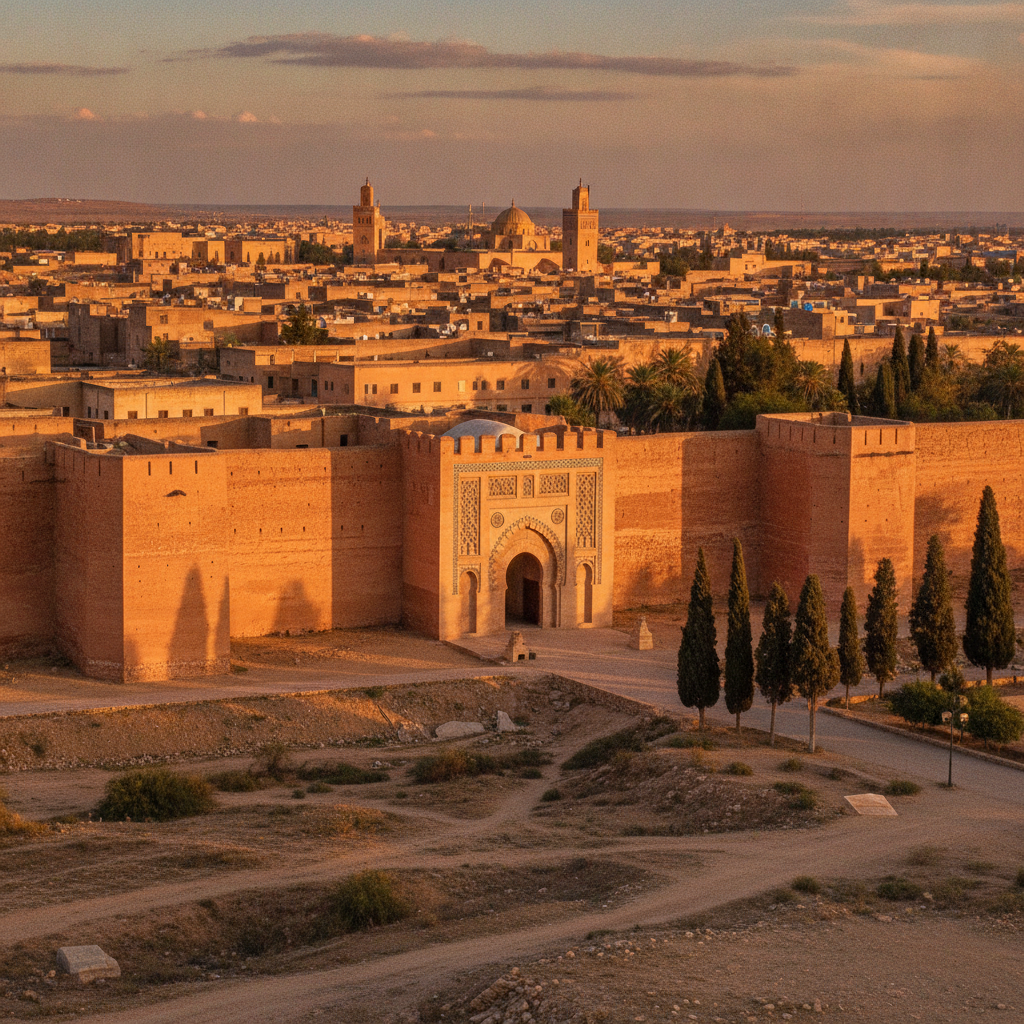
Meknes History: Moulay Ismail the Builder Sultan, the Black Guard Army, the European Slave Trade, the Alaouite Dynasty Consolidation, and the Imperial Legacy
The Meknes history route covers Moulay Ismail as the most powerful single sultan in Alaouite dynasty history, the Black Guard (Abid al-Bukhari) army of sub-Saharan African soldiers, the European slave trade through the Meknes slave prison, the Alaouite dynasty consolidation of Morocco, and the imperial legacy that made Meknes the most ambitious single royal building project in Moroccan history.
- 1
Moulay Ismail: The Builder Sultan of Meknes
Moulay Ismail ibn Sharif (ruled 1672-1727), the most powerful single ruler in Alaouite dynasty history with the 55-year reign as the longest single Moroccan sultanate, chose Meknes as his capital over the traditional capitals of Fes and Marrakech and built the most ambitious single royal construction project in Moroccan history: 25 kilometers of walls, 50 palaces, 20 gate complexes, the Heri es-Souani royal granaries, and the Dar al-Makhzen royal palace complex that covered 12,000 hectares and employed 50,000 workers, 30,000 slaves, and 10,000 animals simultaneously at the peak of construction. The Moulay Ismail building program is the most frequently compared single Moroccan royal achievement to the European contemporary, the Versailles of Louis XIV.
- 2
Black Guard: The Sub-Saharan African Army
The Abid al-Bukhari (Black Guard), the personal army of sub-Saharan African soldiers assembled by Moulay Ismail from the slave population of Morocco and the military raids into the Saharan Sudan region, numbered 150,000 soldiers at the peak of the Moulay Ismail military organization and represented the most powerful single professional standing army in North Africa in the late 17th century. The Abid al-Bukhari were the most completely loyal single military force in Moroccan history because their entire social identity (the official wives, the housing in the imperial palace precinct, the guaranteed food and salary) was derived from the Moulay Ismail state rather than from the tribal or the religious network.
- 3
European Christian Slaves: The Meknes Prison
The Meknes slave prison (the Qara dungeon), where Moulay Ismail held between 25,000 and 40,000 European Christian slaves (captured by the Barbary corsairs from the Mediterranean shipping and the European coastal settlements), is the most significant single evidence of the North African slave trade direction that is the inverse of the more commonly discussed trans-Atlantic slave trade. The European Christian slaves in Meknes (predominantly Spanish, Portuguese, French, Italian, and Maltese) were used as the most skilled single labor category in the Moulay Ismail construction program (the masons, the carpenters, and the engineers) and the most diplomatically valuable single hostage population for the negotiations with the European powers.
- 4
Alaouite Dynasty: The Moroccan Consolidation
The Moulay Ismail reign represents the most complete single consolidation of Moroccan territorial control in the Alaouite dynasty with the military campaigns against the Ottoman-backed pretenders in the east, the expulsion of the European colonial ports (the Portuguese from Larache and Asilah in 1689 and 1691, the English from Tangier in 1684), and the establishment of the most centralized single Moroccan state administration. The Alaouite dynasty that Moulay Ismail consolidated remains the ruling house of Morocco today under King Mohammed VI, the most historically continuous single ruling dynasty in North Africa.
- 5
Post-Ismail Meknes: The Capital Abandoned
The Meknes fate after Moulay Ismail's 1727 death is the most dramatic single example of the Moroccan imperial capital abandonment: the 12 sons who fought the succession wars damaged or stripped the palaces, the subsequent sultans moved the capital back to Fes and Marrakech, the 1755 Lisbon earthquake caused structural damage to the Meknes monuments, and the Imperial City was systematically quarried for building materials by the subsequent Moroccan rulers who needed the marble, the cedarwood, and the zellige for their own construction projects. The Meknes Imperial City today is the most completely ruined single Moroccan imperial capital and the site most evocative of the impermanence of political power.
- 6
Meknes Today: The Most Livable Moroccan City
Meknes today, with the most competitive single accommodation price of any Moroccan imperial city, the most uncrowded single medina in Morocco, the most accessible single Volubilis Roman ruins from any Moroccan city base, and the most complete single imperial monument circuit (Bab Mansour, Moulay Ismail Mausoleum, Heri es-Souani, Dar Jamai) walkable in a single day, is the most recommended single Moroccan city by the experienced Moroccan traveler seeking the most authentic single imperial city experience without the tourist volume of Fes or Marrakech.
Walk this route with audio
Stories play automatically as you reach each stop — no tapping needed.
More in Meknes
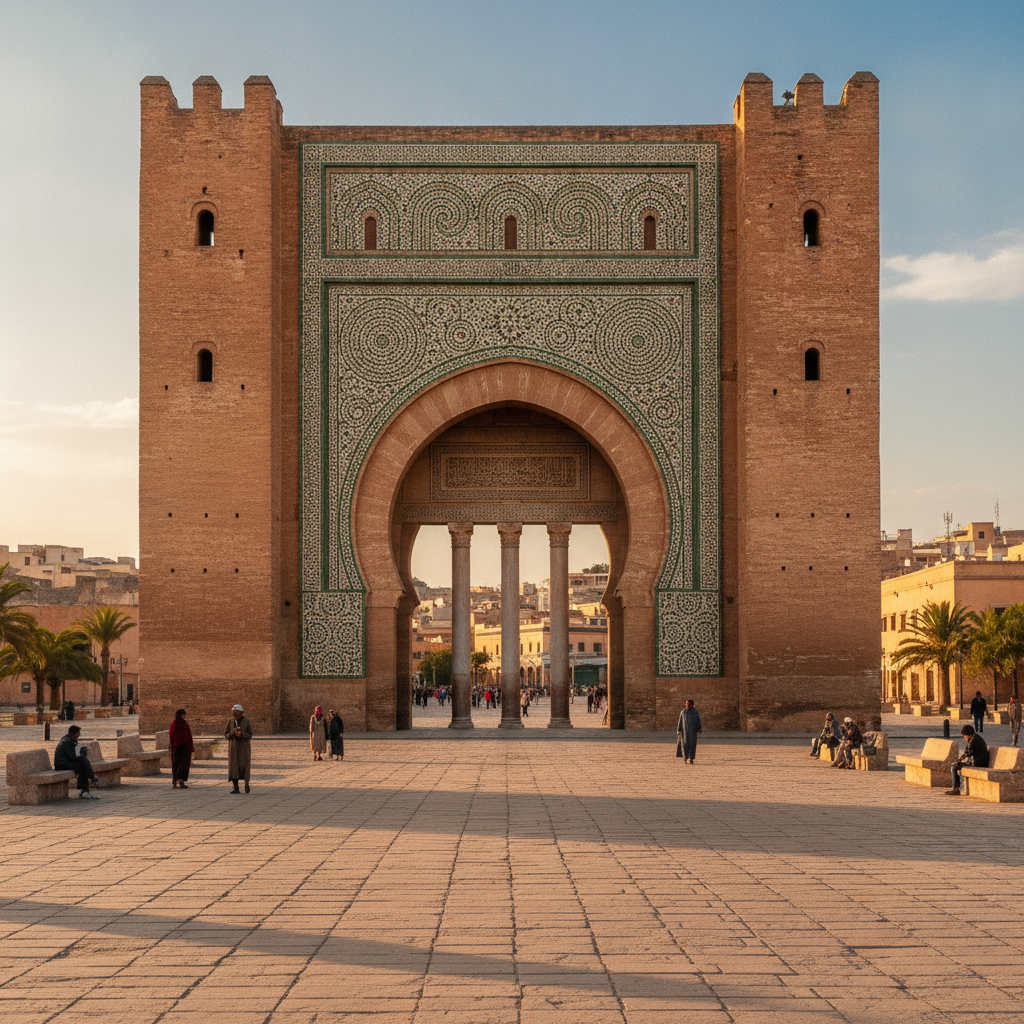
Meknes Essential: The Bab Mansour Triumphal Gate, the Moulay Ismail Mausoleum, the Imperial City Walls, the Heri es-Souani Royal Granaries, and the Forgotten Imperial Capital
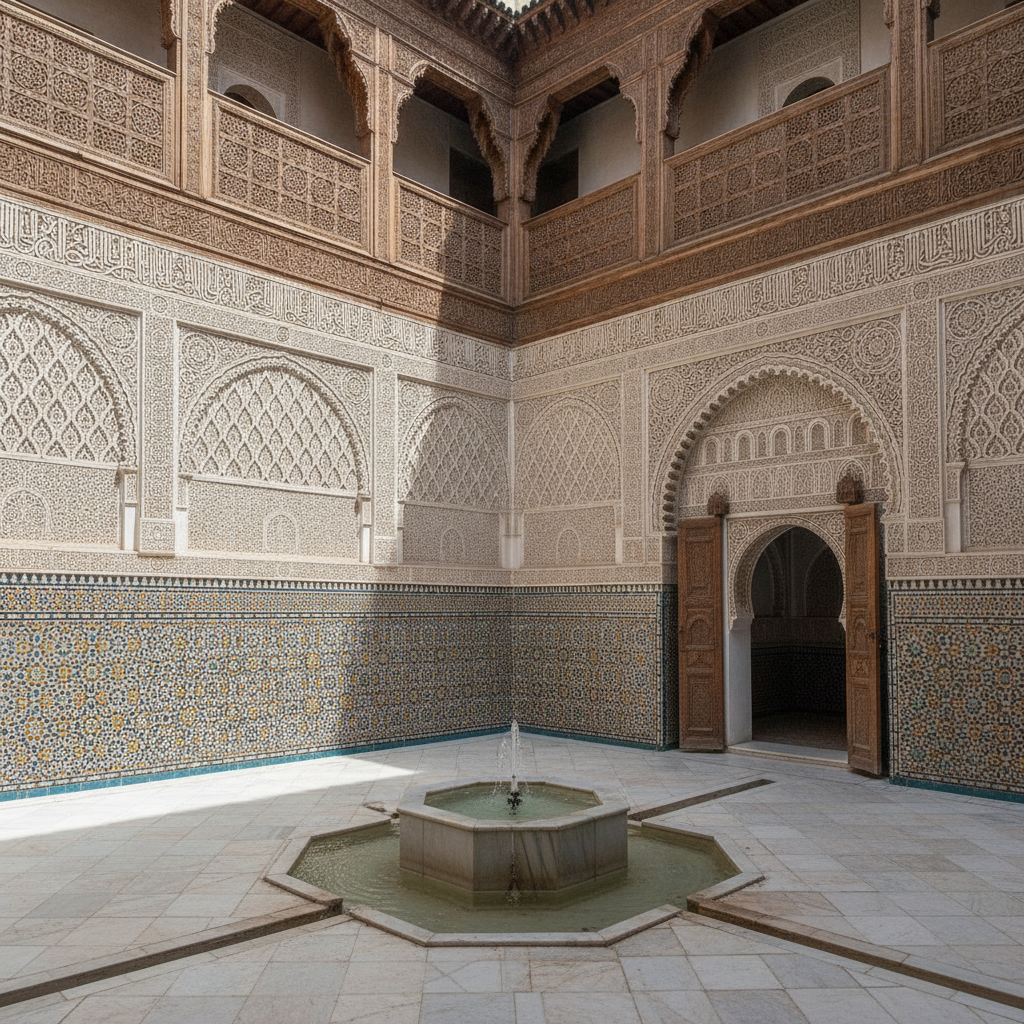
Meknes Medina: The Fabric Souk, the Bou Inania Madrasa, the Zellige Tile Workshops, the Carpet Market, and the Meknes Daily Life
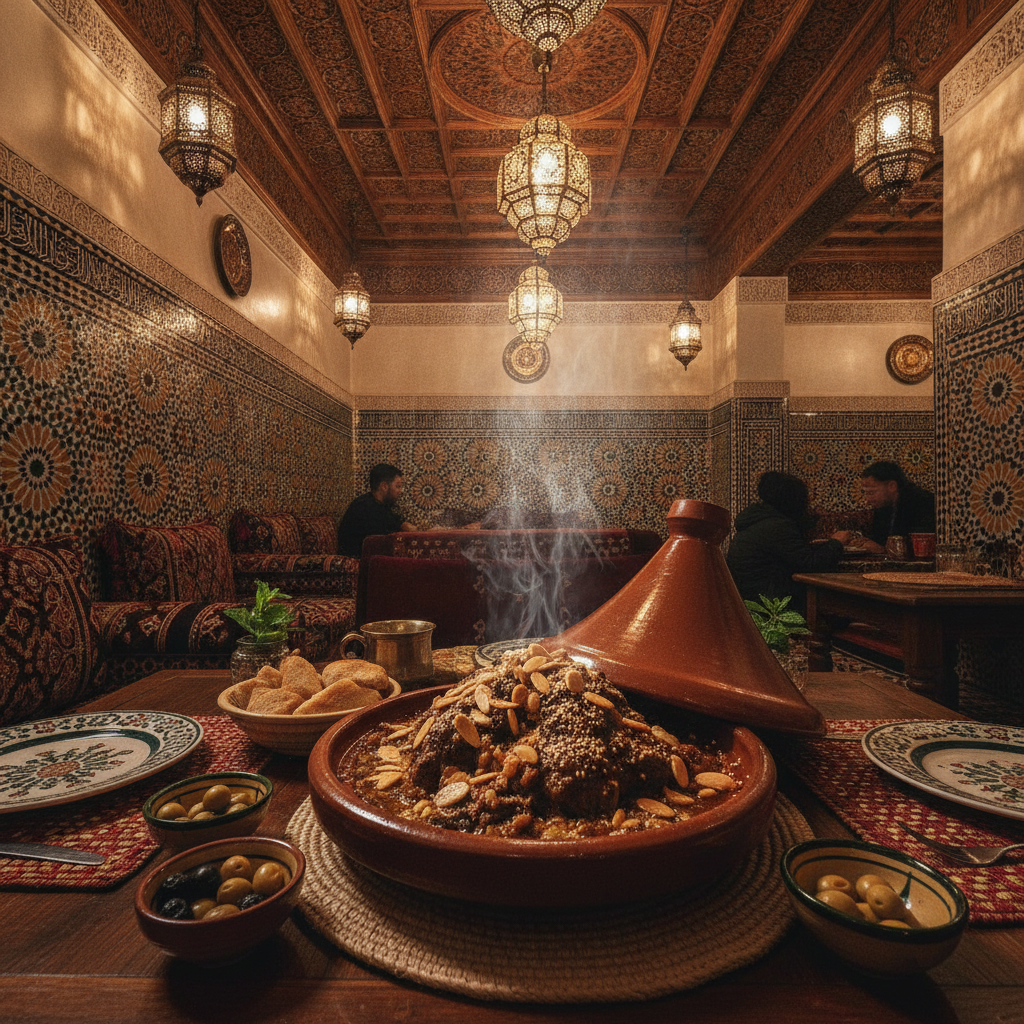
Meknes Food: The Mechoui Whole-Roast Lamb, the Mrouzia Sweet Lamb Tagine, the Meknes Bastilla, the Medina Restaurant Tradition, and the Meknes Regional Cuisine Character
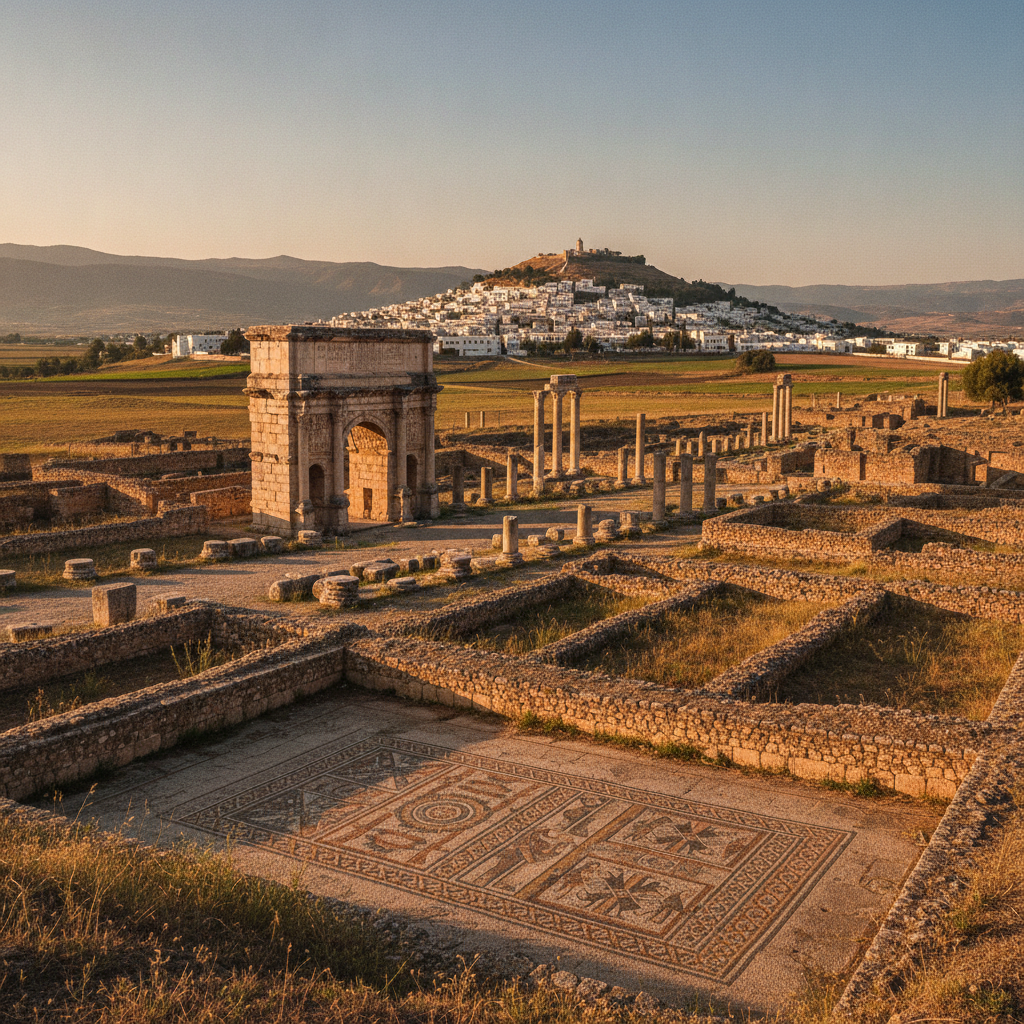
Meknes Day Trips: Volubilis Roman Ruins and the Moulay Idriss Zerhoun Pilgrimage Town
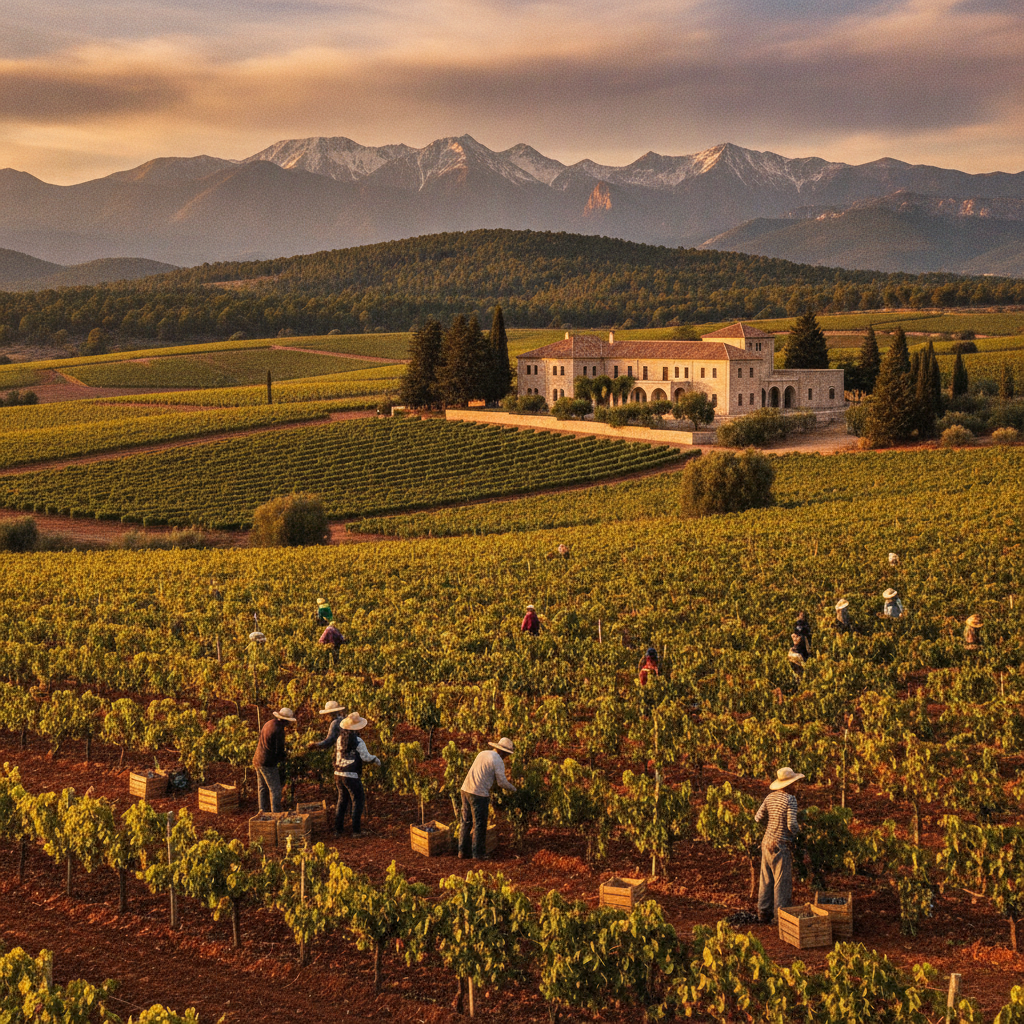
Meknes Wine Region: The Chateau Roslane, the Volubilia Label, the Domaine des Beni Mtir, the Moroccan Wine Heritage, and the Meknes Plateau Terroir
