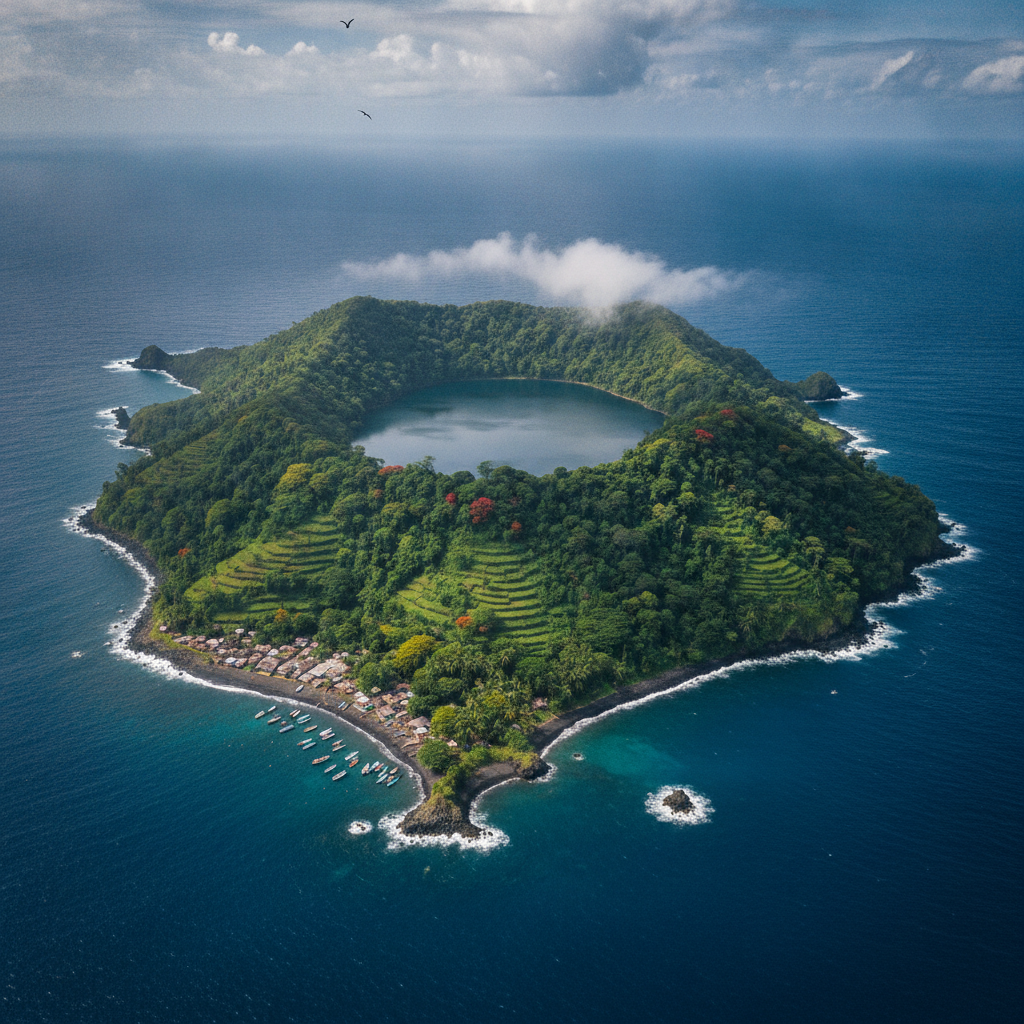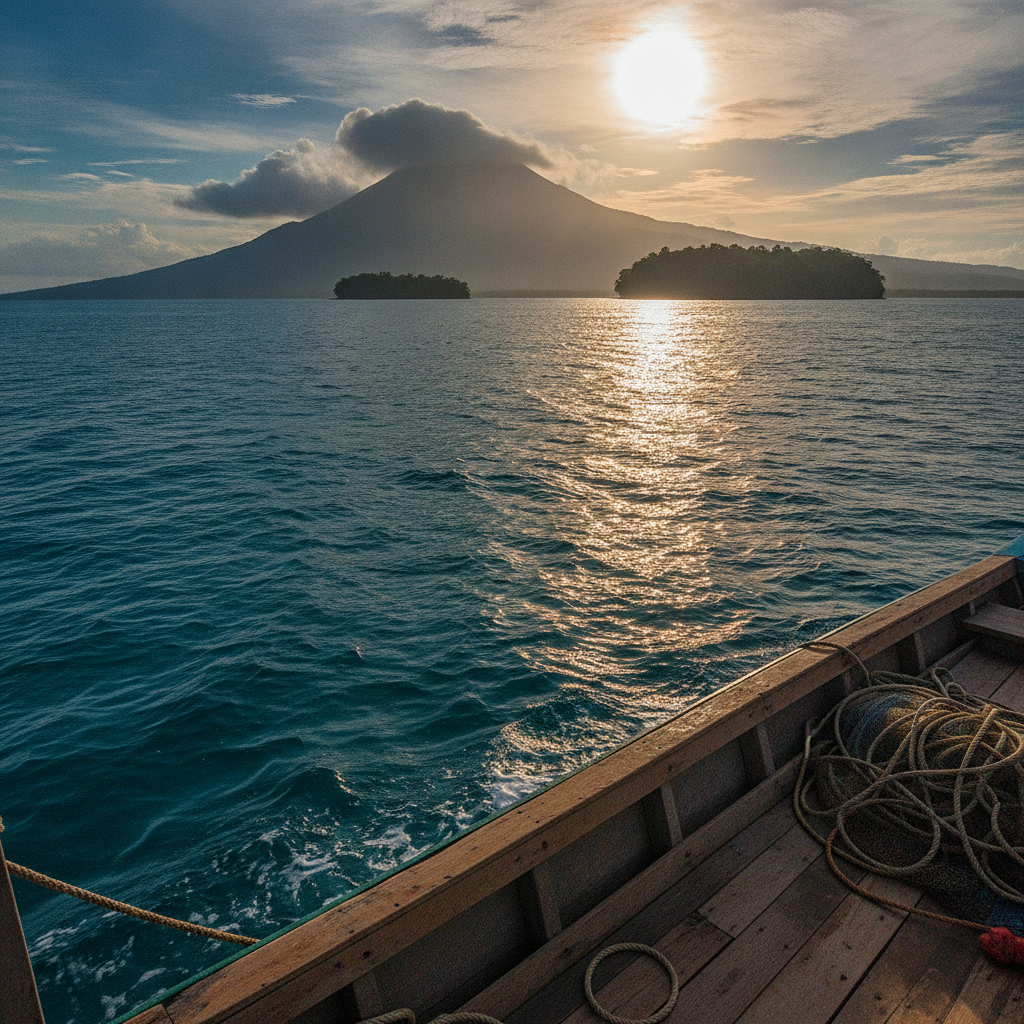
Gulf of Guinea: The Equatorial Atlantic & Island Geography
The Gulf of Guinea is the meeting point of the Atlantic Ocean and the African equatorial zone — Bioko, São Tomé, Príncipe, and Annobón form a chain of volcanic islands with extraordinary marine life
- 1
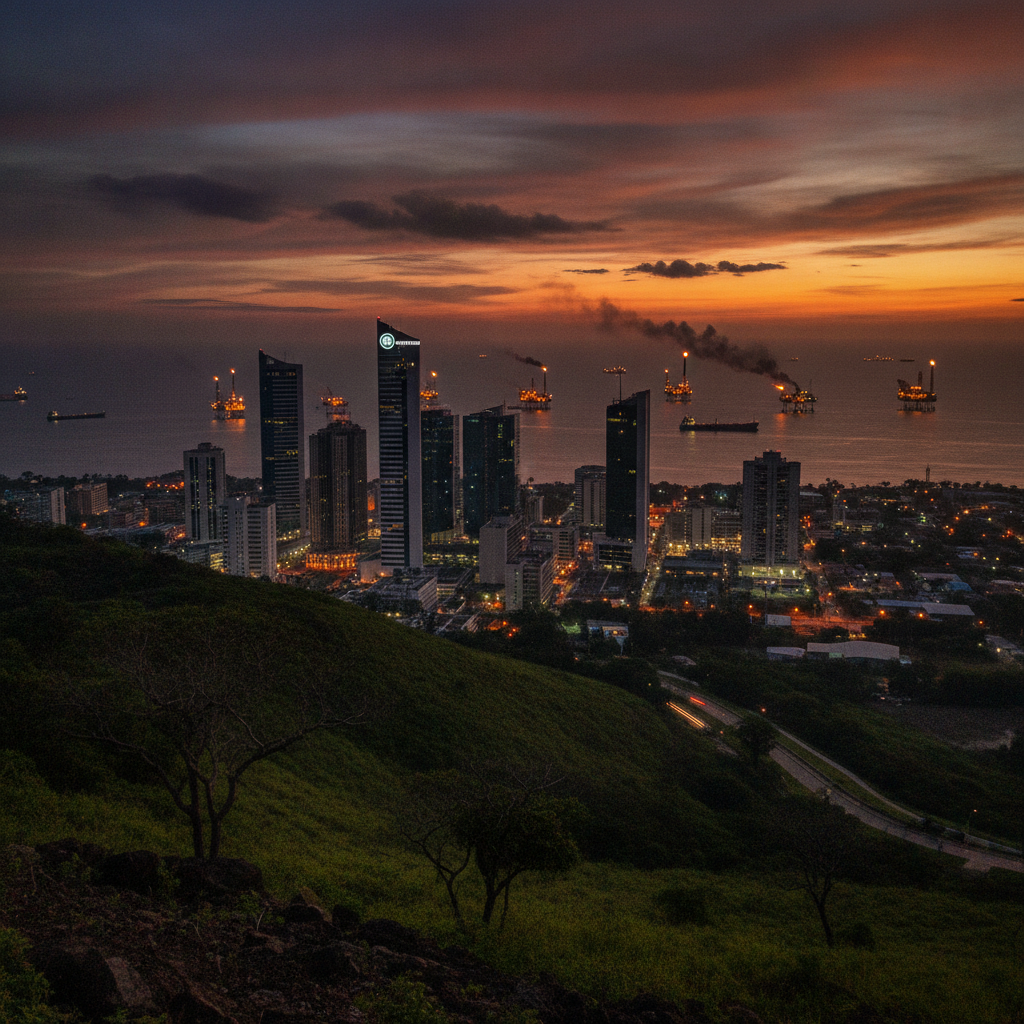
Bioko Offshore Oil Platforms
The oil platforms visible from Bioko's shore represent the transformation of Equatorial Guinea — from one of Africa's poorest countries to one of its richest in a single generation
- 2
Dolphin meeting at sea
Several dolphin species live in the Gulf of Guinea all year round - boat trips from Malabo often encounter spinner, bottlenose and Atlantic humpback dolphins
- 3
Cross River Gorilla Proximity
The nearest mainland population of Cross River gorillas is across the channel in Cameroon's Korup National Park – the bay that separates Bioko from this critically endangered subspecies
- 4
Equatorial Atlantic Fisheries
The Gulf of Guinea is one of the world's most productive fishing waters — the cold Benguela and warm Guinea currents meet creating extraordinary buoyancy and fish abundance
- 5
Sediment Geology
The islands in the Gulf of Guinea sit on a volcanic chain - the same geological hotspot that created Cameroon's Mount Cameroon; the underwater volcanoes that are still active underwater
- 6
The night sky at sea
50 km offshore from Malabo, with no light pollution in any direction, the Gulf of Guinea has extraordinary night skies - the Southern Cross visible, the Milky Way reflected in a calm sea
Walk this route with audio
Stories play automatically as you reach each stop — no tapping needed.
More in Malabo
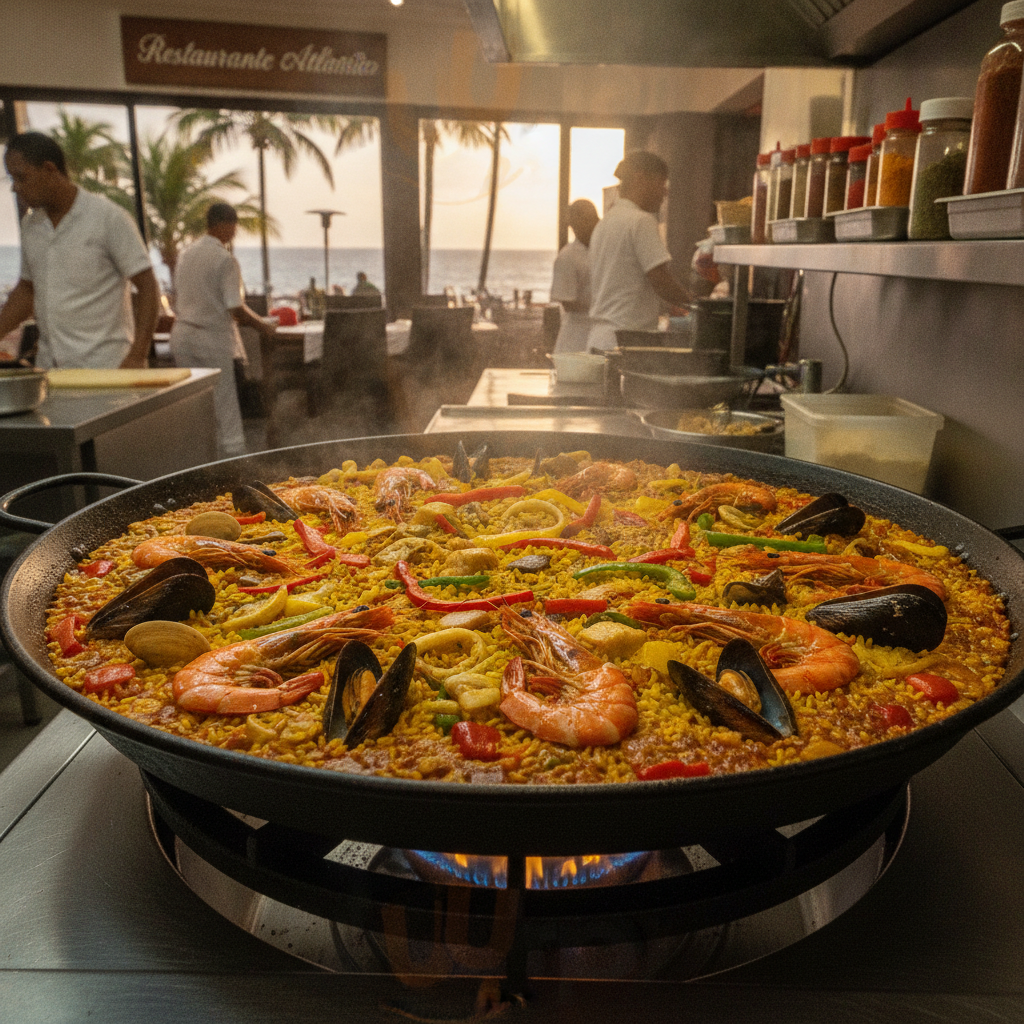
Malabo's Unique Cuisine: Spanish-African Fusion in the Gulf of Guinea
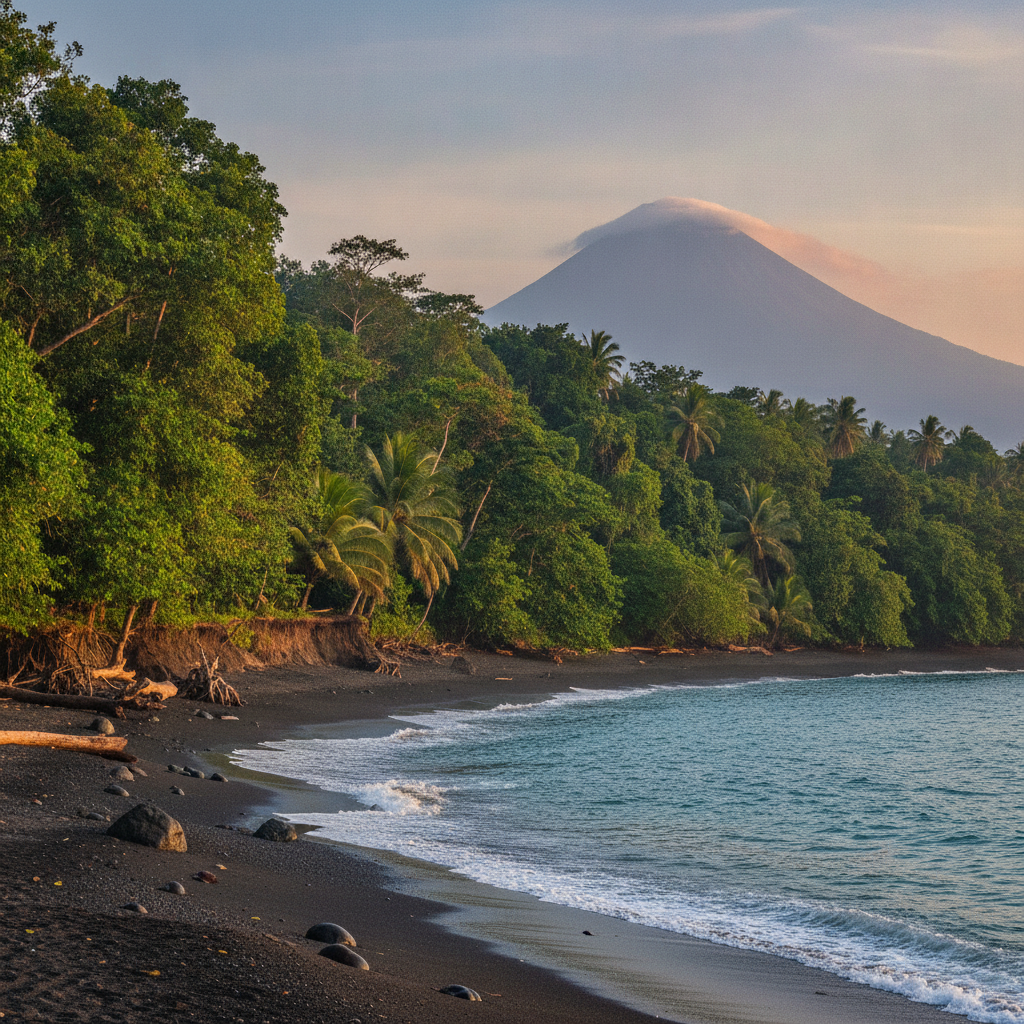
Bioko Island Beaches: Volcanic Coasts & Gulf of Guinea
Equatorial Guinea's Oil Boom & Malabo's Transformation
Bioko Island Primates: Drills, Bushbabies & Critical Conservation
Malabo's Spanish Colonial Heritage on Bioko Island