Malabo's Spanish Colonial Heritage on Bioko Island
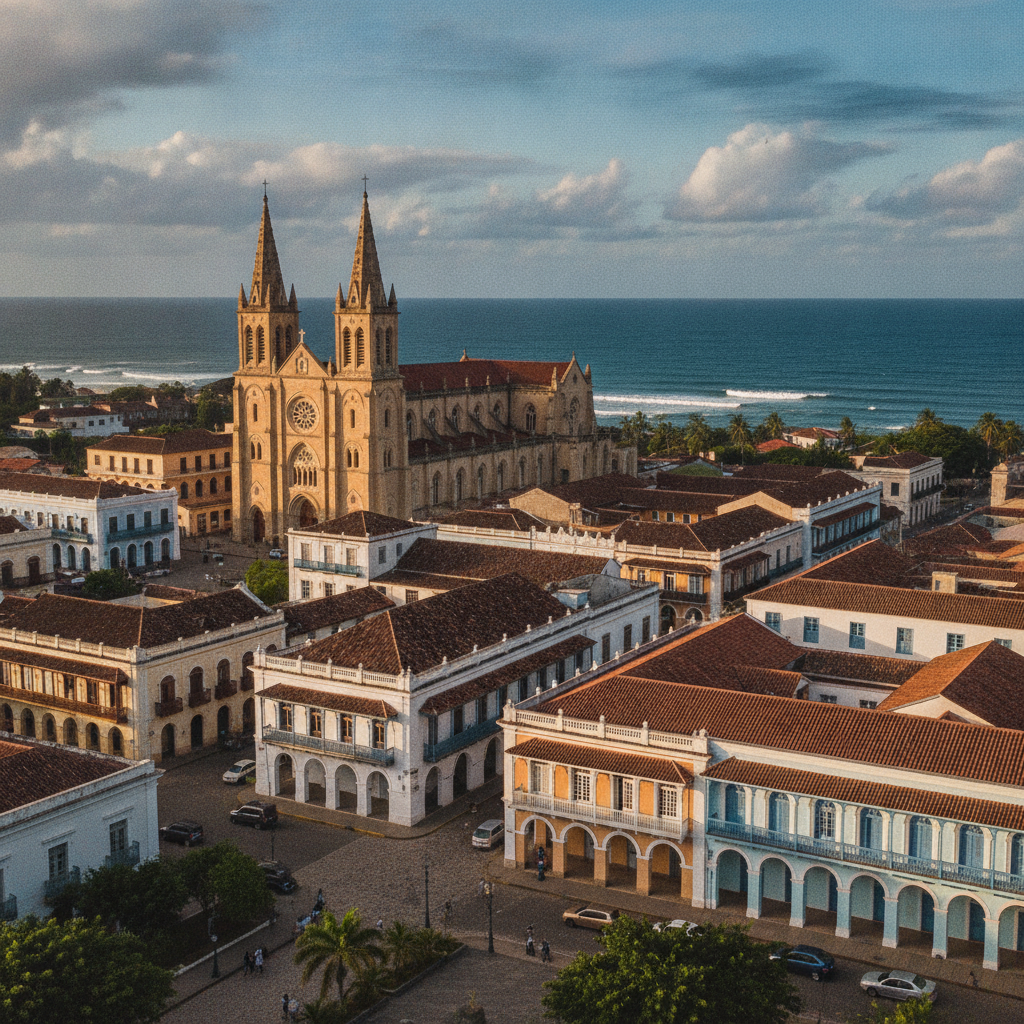
Malabo is Africa's only Spanish-colonial capital — a small island city with a Victorian-era cathedral, colonial plazas, and the strange isolation of an oil-rich island state in the Gulf of Guinea
- 1
Santa Isabel Cathedral
The Victorian-era Catholic cathedral – built in 1916 – is Malabo's defining landmark; its twin white towers rising above the colonial city are visible from the harbor
- 2
Plaza de España Central Square
The colonial main square with its fountain and colonial administrative buildings — the heart of what was once Santa Isabel, the capital of Spanish Guinea
- 3
Malabo Waterfront Port
The deep natural harbor that made Bioko Island strategically important to the Spanish — fishing boats and oil industry supply ships share the harbor in Africa's most oil-dependent economy
- 4
Presidential Palace Avenue
The wide colonial avenue leading to the presidential palace — lined with colonial buildings in varying states of maintenance, reflecting Equatorial Guinea's oil wealth alongside its governance challenges
- 5
Spanish Colonial Legacy Street
A handful of streets near the cathedral preserve the Spanish colonial townhouse style – shutters, iron balconies and whitewashed facades in tropical decay
- 6
Hotel Bahía 2 Rooftop View
The best view of Malabo's colonial center and the Gulf of Guinea — from the roof the complete geography of the island city and its dramatic isolation in the Atlantic become clear
Walk this route with audio
Stories play automatically as you reach each stop — no tapping needed.
More in Malabo
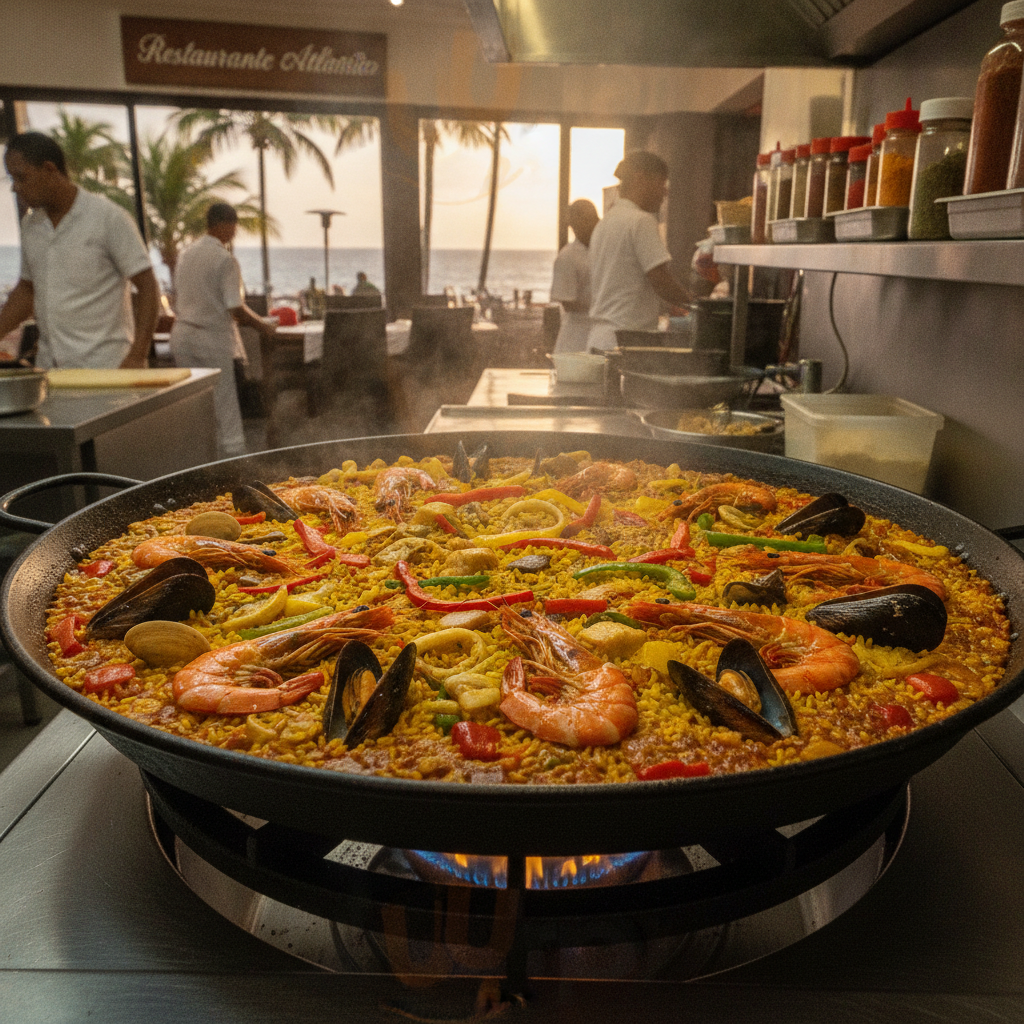
Malabo's Unique Cuisine: Spanish-African Fusion in the Gulf of Guinea
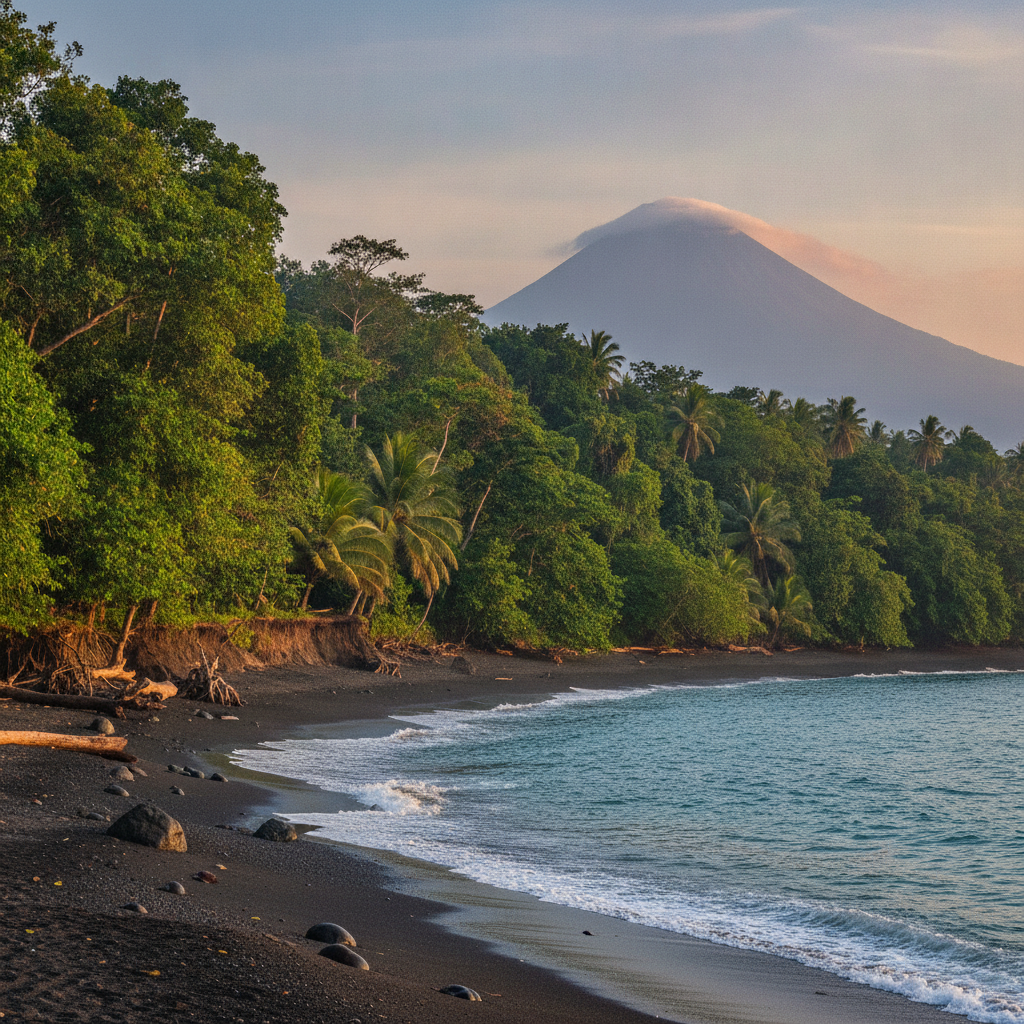
Bioko Island Beaches: Volcanic Coasts & Gulf of Guinea
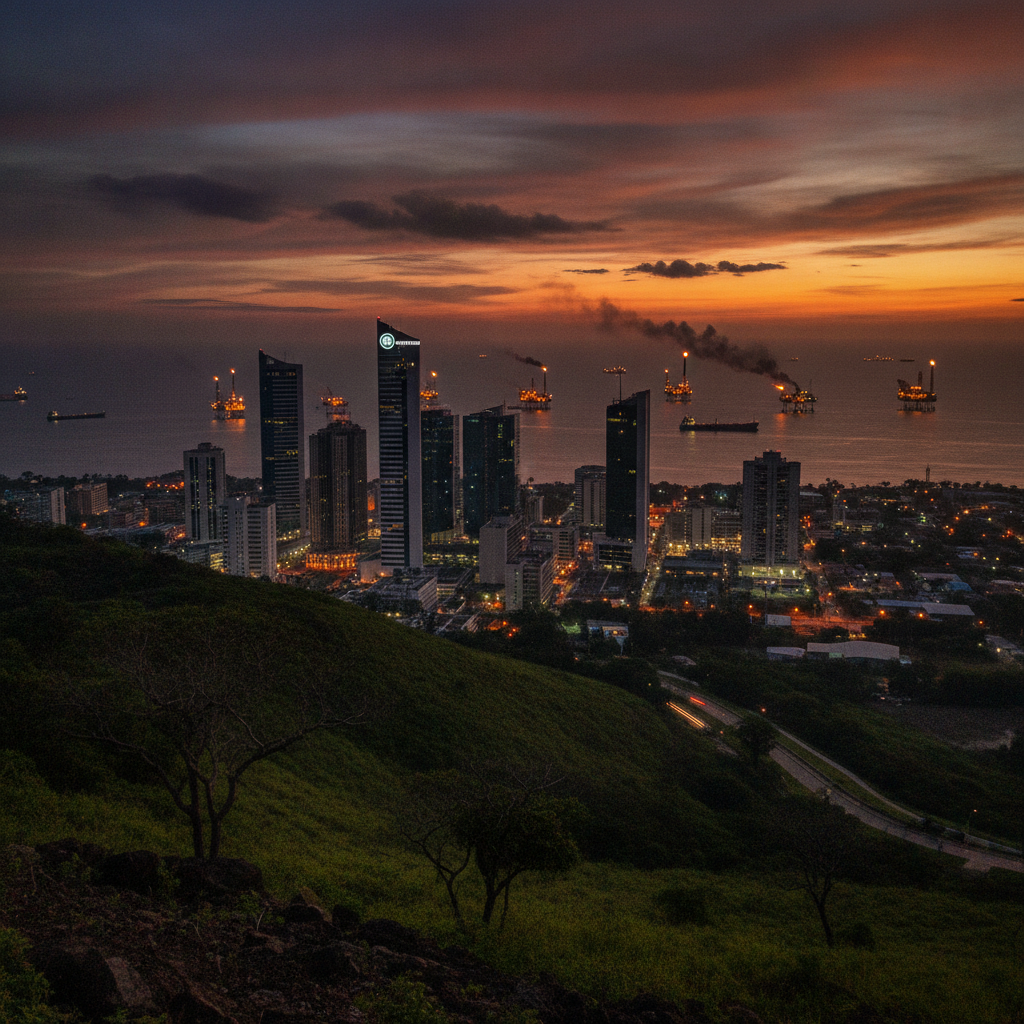
Equatorial Guinea's Oil Boom & Malabo's Transformation
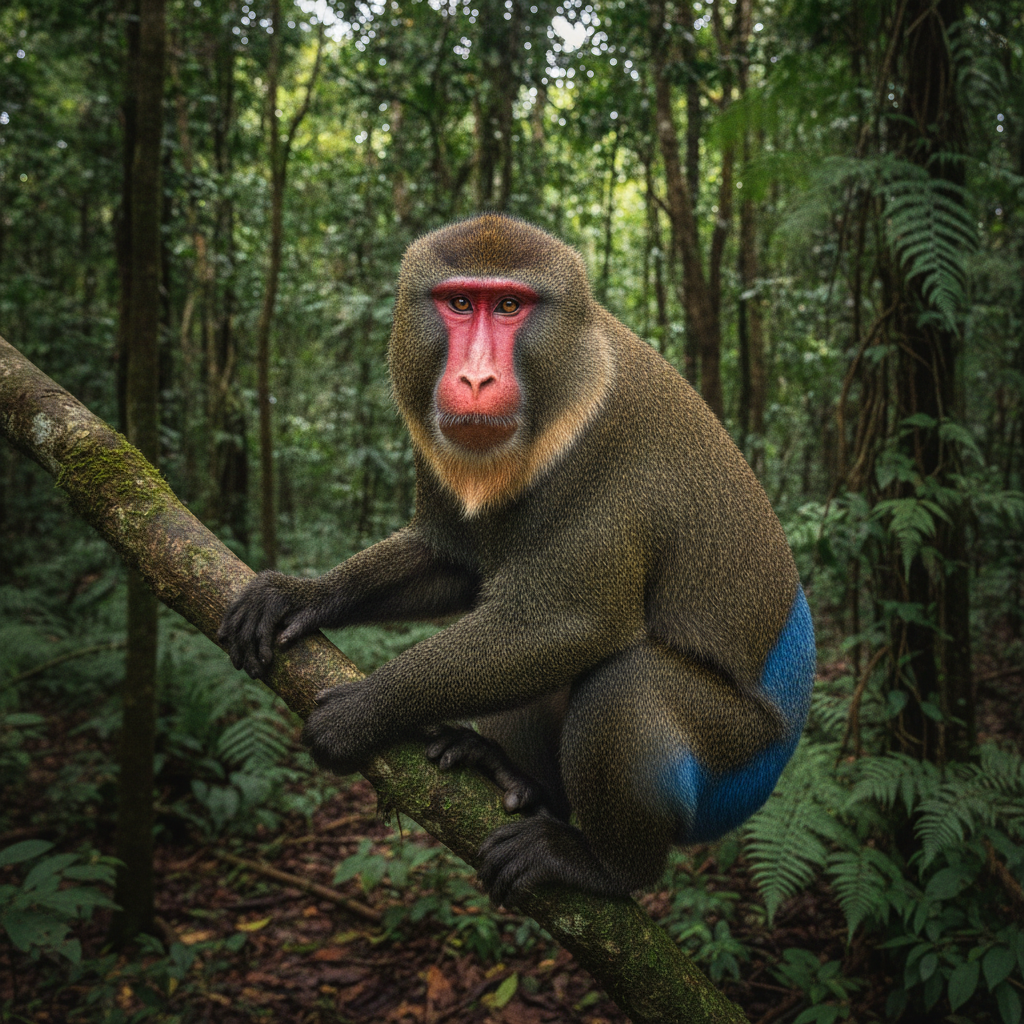
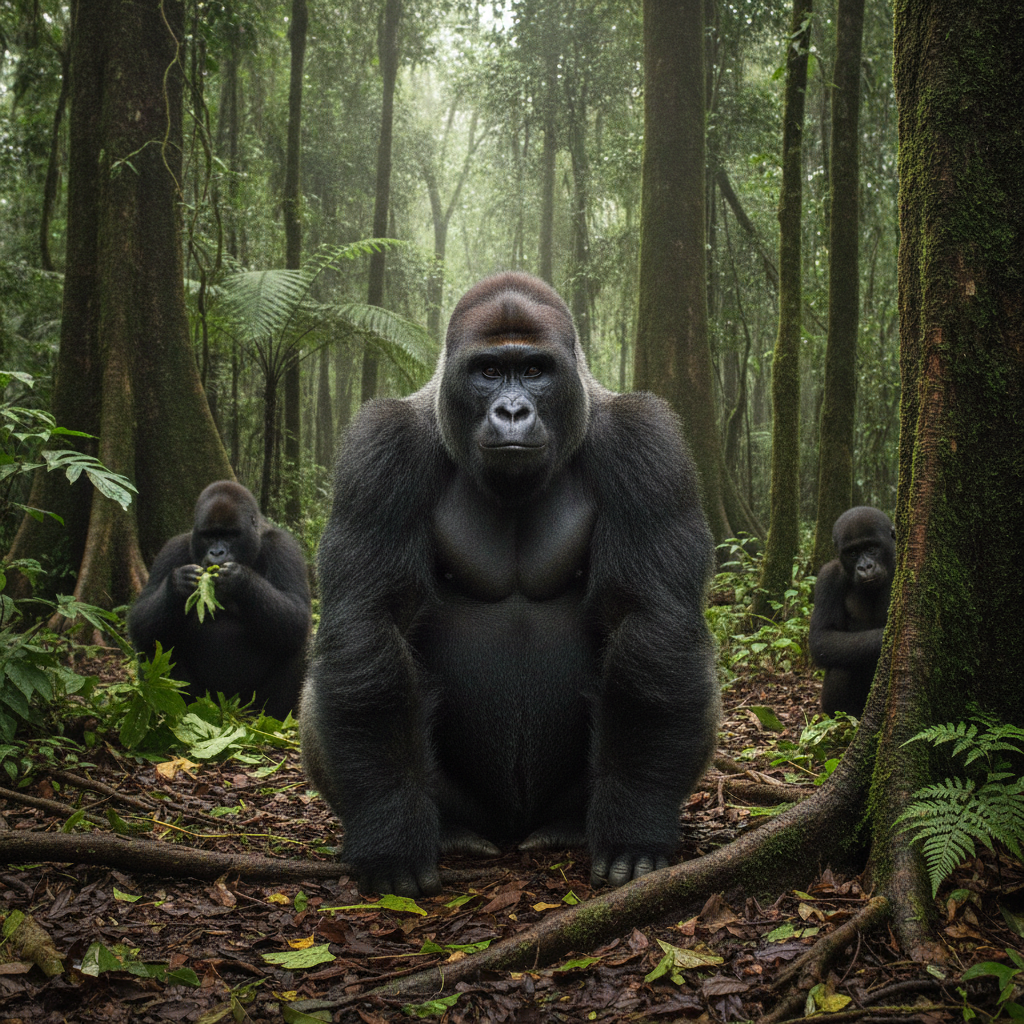
Bioko Island Primates: Drills, Bushbabies & Critical Conservation
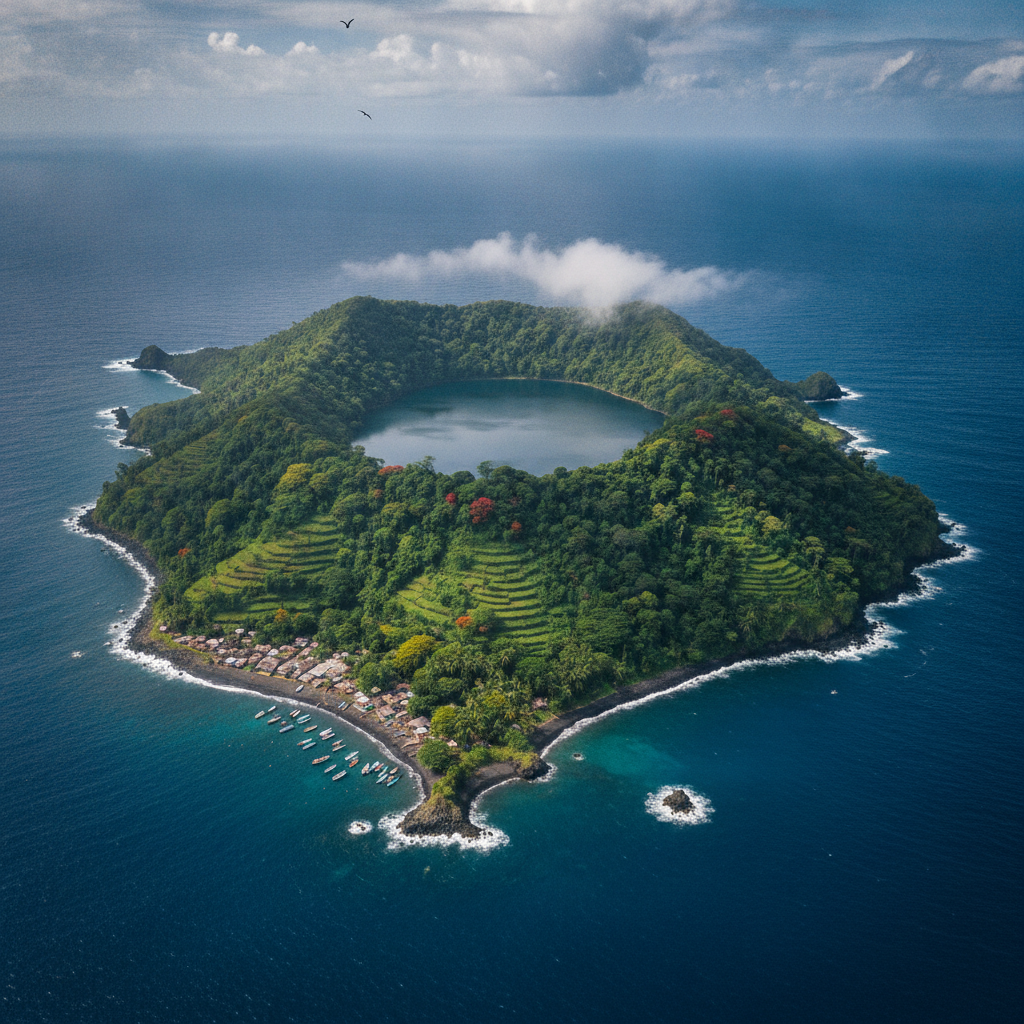
Annobón Island: Equatorial Guinea's Isolated Volcanic Paradise