Makassar Modern City & Karebosi Walk
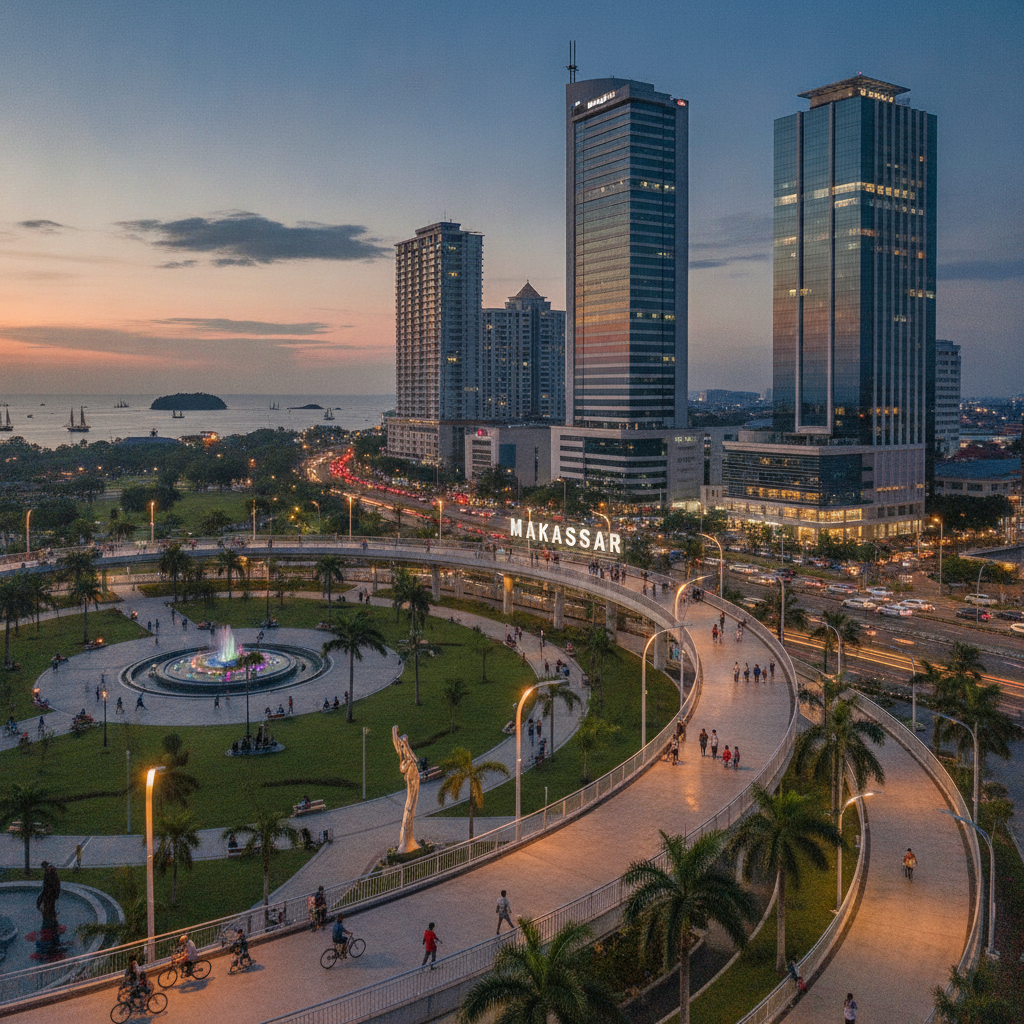
Walk modern Makassar — the fourth-largest city in Indonesia with 1.5 million people has developed a commercial and cultural infrastructure that reflects its role as the capital of eastern Indonesia, with shopping centres, universities, a thriving creative class, and the public spaces that define urban life in contemporary Indonesia.
- 1
Karebosi Field City Centre
Karebosi Field is Makassar's central public green space — the large field in the city centre that has served as a gathering place for markets, political rallies, and public celebrations for centuries has been redeveloped with a commercial development underneath while maintaining its surface as a public park. The field's history as the ceremonial heart of the pre-colonial Gowa-Tallo sultanate and its contemporary role as a city park illustrates the layered history beneath Makassar's modern surface.
- 2
Trans Studio Mall Makassar
Trans Studio Mall is one of Indonesia's largest shopping and entertainment complexes — the mall containing the indoor Trans Studio theme park reflects the aspirational consumer culture of Makassar's growing middle class, and the contrast between the traditional phinisi harbour and this internationally-formatted entertainment complex illustrates the speed of Makassar's economic transformation in the past two decades.
- 3
Unhas University Campus
Hasanuddin University (Unhas) is one of Indonesia's most respected universities outside Java — the large campus with its faculties of law, medicine, engineering, and social sciences serves as the intellectual centre of eastern Indonesia, and the student population's energy, coffee culture, and political engagement gives Makassar a university city character that distinguishes it from Indonesian cities without a strong higher education presence.
- 4
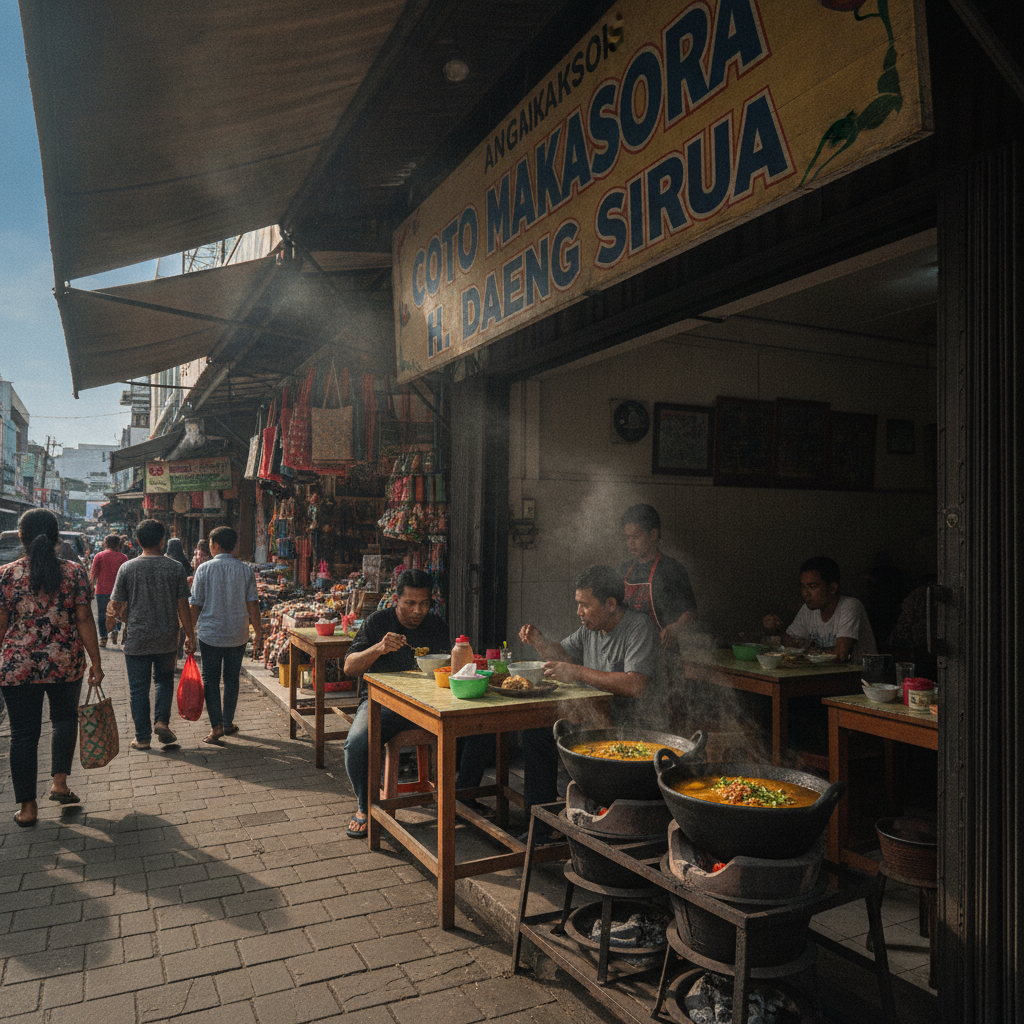
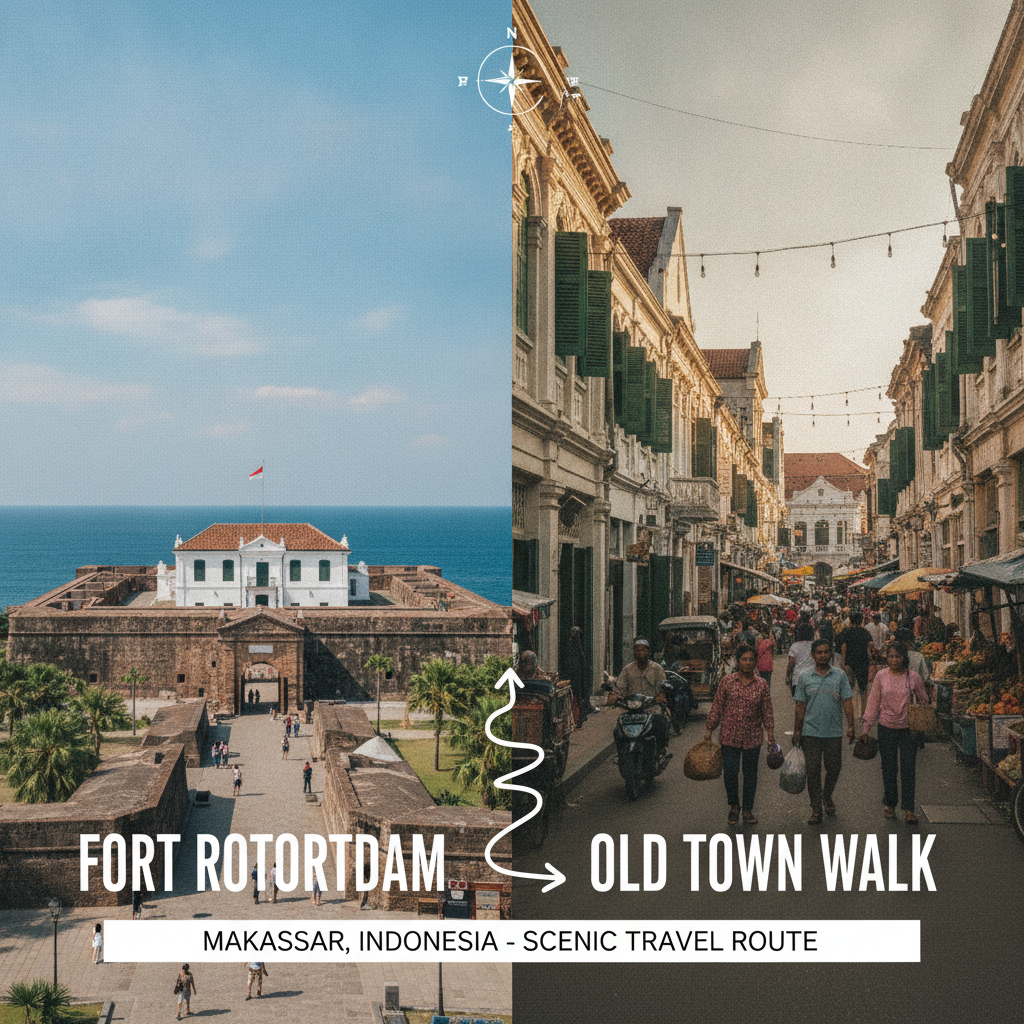
Pecinan Chinese Quarter
Makassar's Chinese quarter (Pecinan) around Jalan Sulawesi has been a centre of commercial life since the 17th century — the mix of Chinese-owned wholesale businesses, the Klenteng temples, and the distinctive architecture of the shop-houses that housed both commerce and residence reflects the economic role that Chinese trading communities have played in Makassar's commercial history, a role that continues in the contemporary city despite the turbulent history of Chinese-Indonesian relations.
- 5
Pantai Akkarena Beach Park
Pantai Akkarena is Makassar's most popular urban beach park — the developed beach south of the city centre with its beach cafes, water sports hire, and family recreation areas provides a weekend social venue for the city's middle-class population, and the beach's position facing west creates the same Makassar Strait sunset that the Losari promenade offers further north but with a different demographic of predominantly local visitors rather than the tourist-focused Losari area.
- 6
Makassar Arts Creative Scene
Makassar's arts and creative community has grown significantly in recent years — the galleries, independent music venues, craft coffee shops, and creative co-working spaces in the areas around the old Chinatown and the university district represent the city's emerging identity as a creative hub for eastern Indonesia, attracting young professionals and artists from across Sulawesi and beyond in a process of cultural development that parallels Makassar's economic growth as Indonesia's eastern gateway.
Walk this route with audio
Stories play automatically as you reach each stop — no tapping needed.