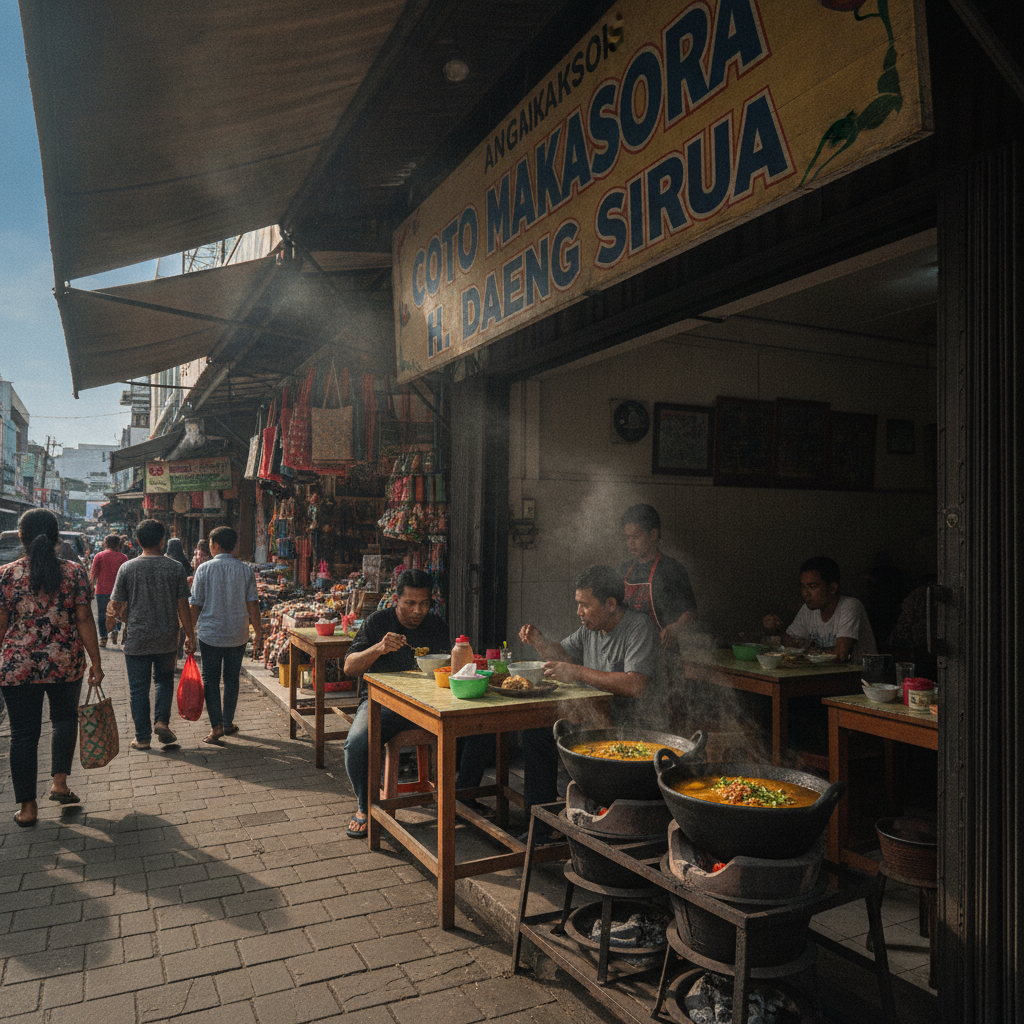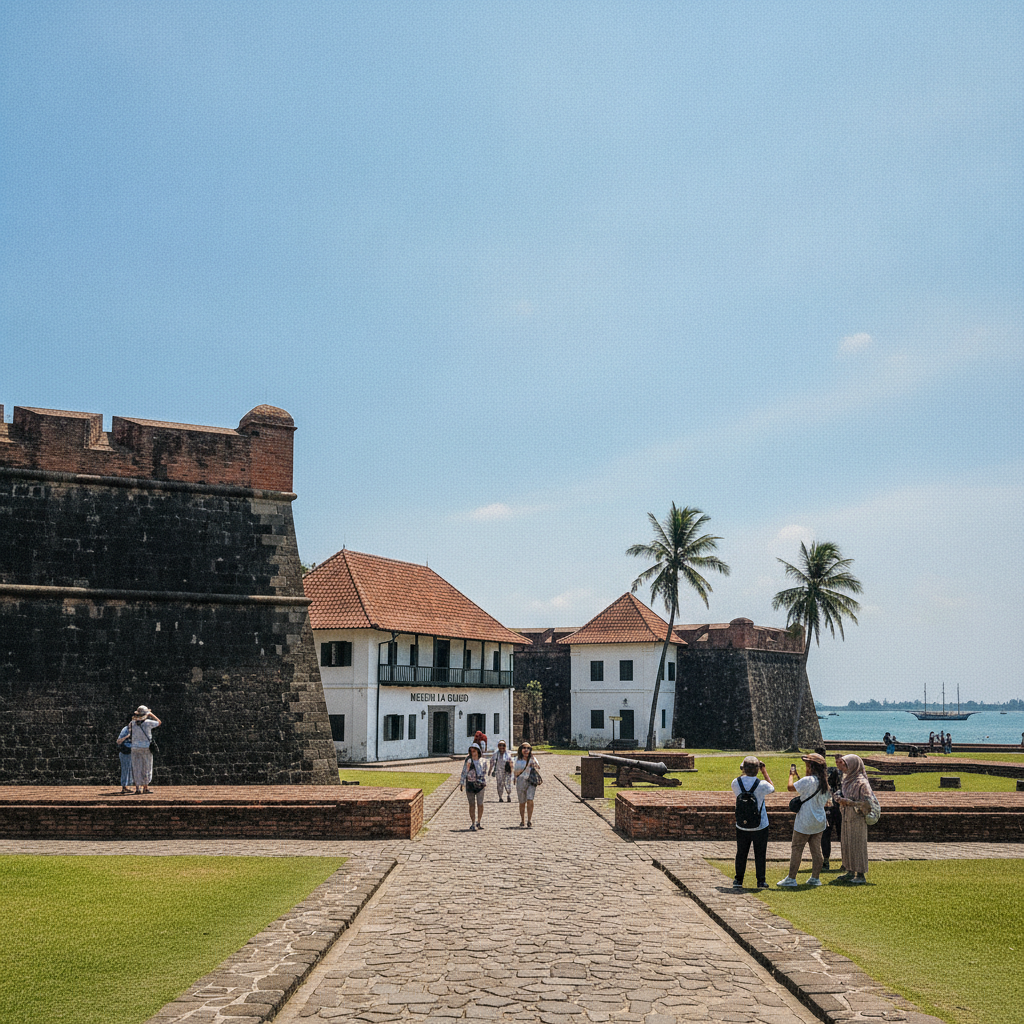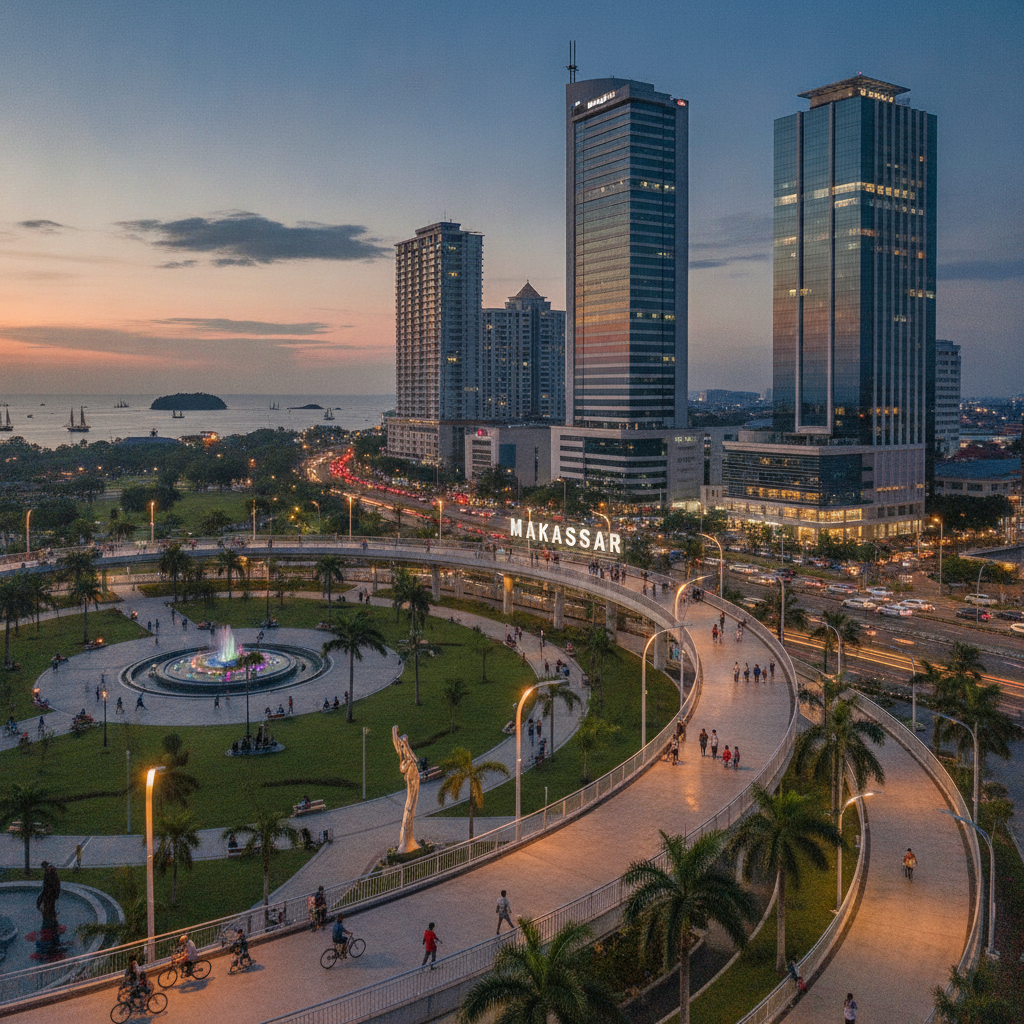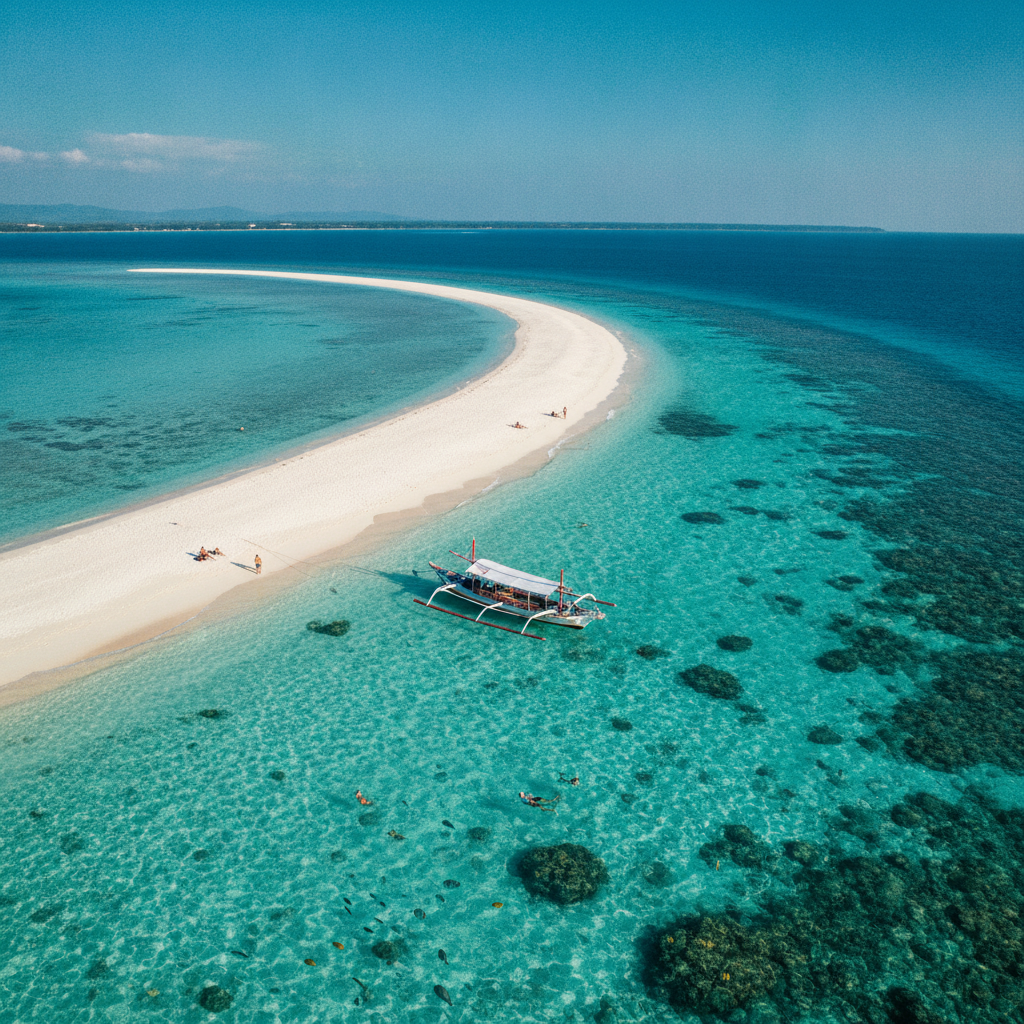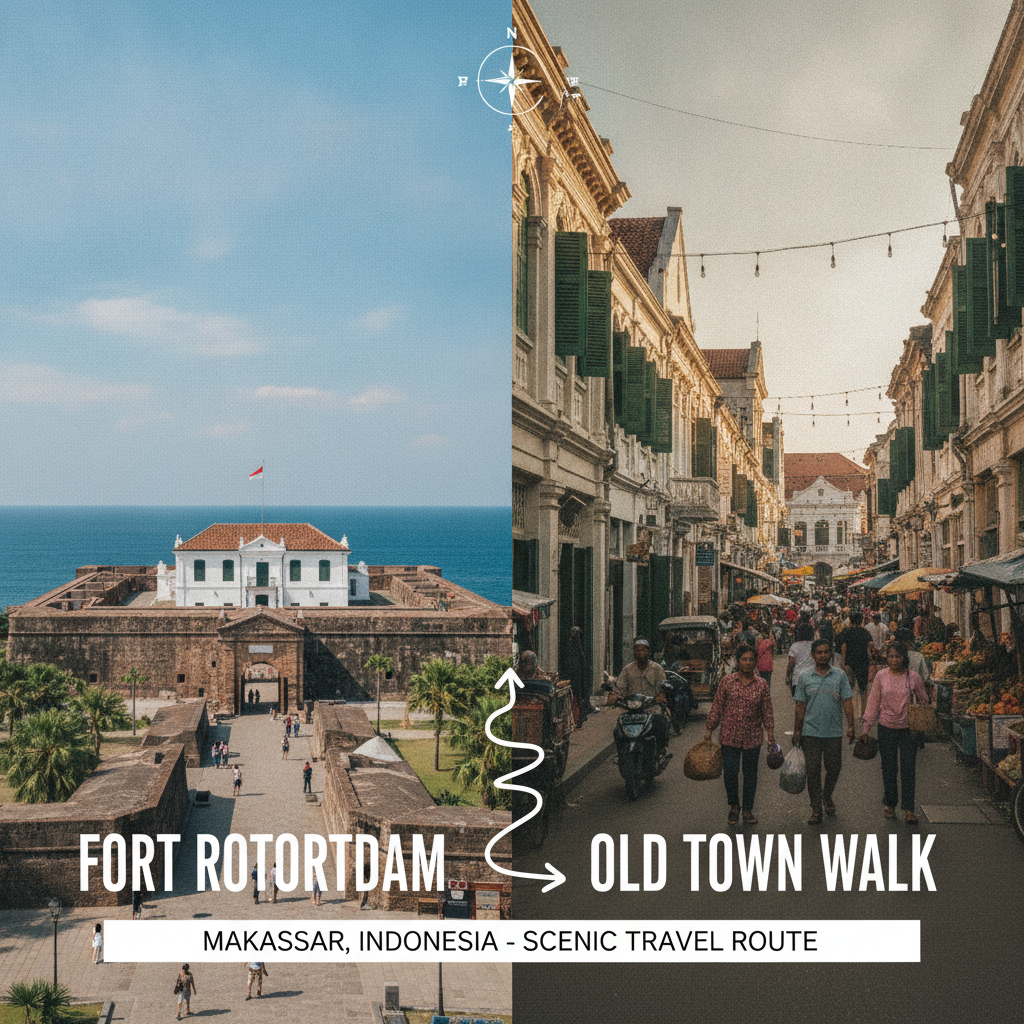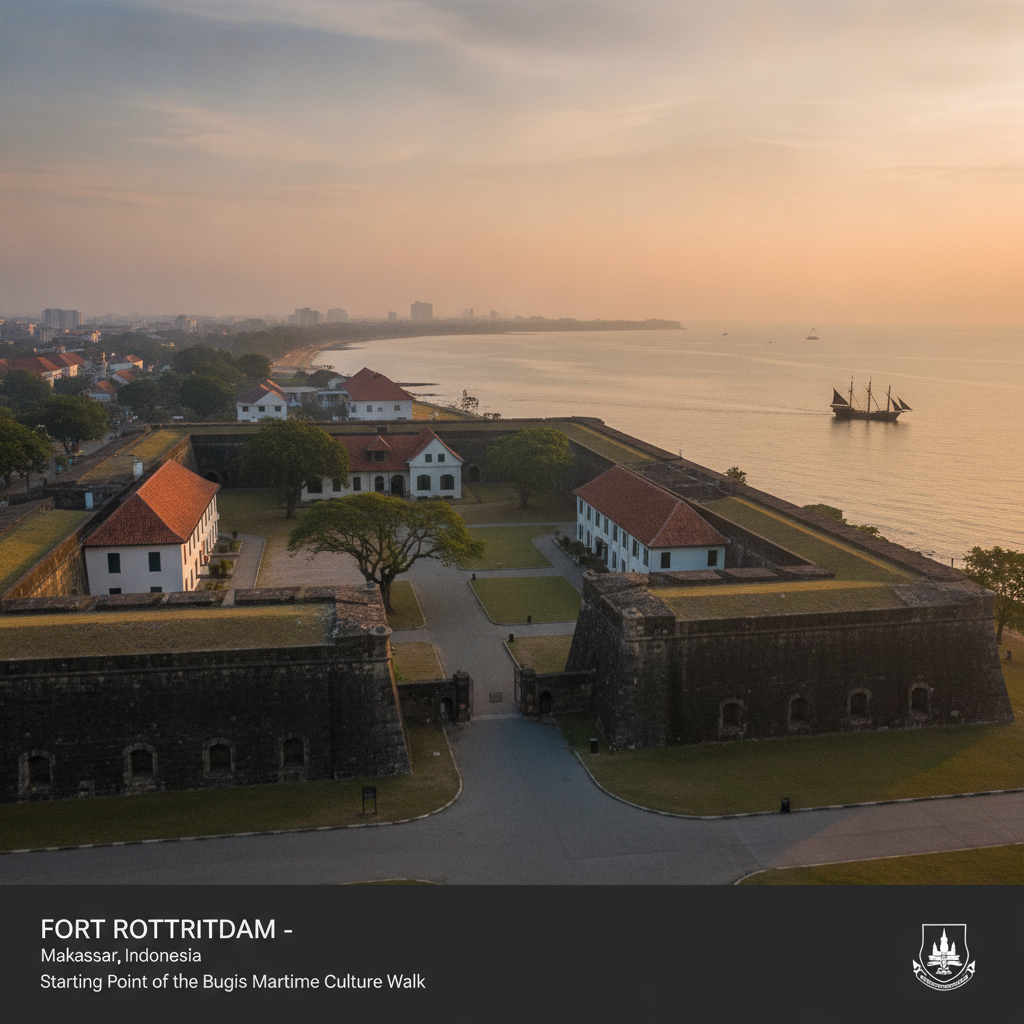
Makassar Bugis Maritime Culture Walk
Explore Makassar's Bugis maritime heritage — the Bugis people, famous throughout Southeast Asia as the traders and sailors whose phinisi wooden vessels navigated the archipelago and whose reputation gave rise to the word 'boogeyman' in English, have their cultural capital here, with boat-building traditions, epic poetry, and a trading culture that shaped Indonesian history.
- 1
Phinisi Boat Harbour
The phinisi boat anchorage near Makassar's old harbour maintains the tradition of wooden sailing vessel commerce that has defined Bugis culture for centuries — the large wooden cargo boats that trade between the islands of eastern Indonesia, carrying timber, rice, and trade goods on routes established by Bugis traders 400 years ago, continue to depart from Makassar to ports across the archipelago, making this the most authentic working traditional boat harbour in Indonesia.
- 2
Paotere Traditional Port
Paotere Port north of the city centre is where the Bugis phinisi trading fleet concentrates — the active commercial port where wooden cargo vessels load and unload timber, agricultural products, and manufactured goods demonstrates that Bugis maritime trade is not a historical display but a living economy, with the boat captains (punggawa) and their crews maintaining a trading system that operates on personal relationships and oral contracts unchanged in principle from the pre-colonial era.
- 3
Bugis Weaving Workshop
The traditional silk weaving workshops of the Bugis ethnic community produce the distinctive checked silk sarongs (lipa sabbe) and the gold-thread brocade fabrics (baju bodo) that mark social status in Bugis ceremonies — the weaving tradition that has produced these textiles for generations represents the most visible cultural practice of a maritime people whose identity is usually expressed through sailing and trading rather than sedentary craft production.
- 4
Makassar Sultanate History
The Makassar Sultanate (Gowa-Tallo) was the most powerful state in eastern Indonesia before the Dutch conquest of 1667 — the sultanate that controlled the clove and nutmeg trade routes from the Maluku spice islands to the rest of the world maintained a multicultural court that attracted foreign traders, Islamic scholars, and diplomats, and its defeat by the VOC is one of the pivotal moments in the European colonisation of Southeast Asia.
- 5
Tomb of Arung Palakka
The tomb of Arung Palakka, the Bone kingdom ruler who allied with the Dutch to defeat the Makassar Sultanate in 1667, is a site of historical complexity — the alliance that ended Makassar's dominance of the spice trade created the conditions for Dutch hegemony in eastern Indonesia while elevating the Bone kingdom, and the tomb is both a Bugis cultural site and a reminder of the intra-Indonesian political rivalries that European colonisers exploited throughout the archipelago.
- 6
La Galigo Epic Site
The La Galigo, the Bugis creation epic that is the world's longest literary work, was composed in South Sulawesi over several centuries — the epic documenting the divine origins of the Bugis people, their social organisation, and their values provides the cultural foundation for understanding Bugis identity, and the manuscripts preserved in the La Galigo collection of the National Library in Jakarta were originally held in the courts of the Bugis kingdoms that dominated South Sulawesi's political life.
Walk this route with audio
Stories play automatically as you reach each stop — no tapping needed.