Makassar Market & Trading Culture Walk
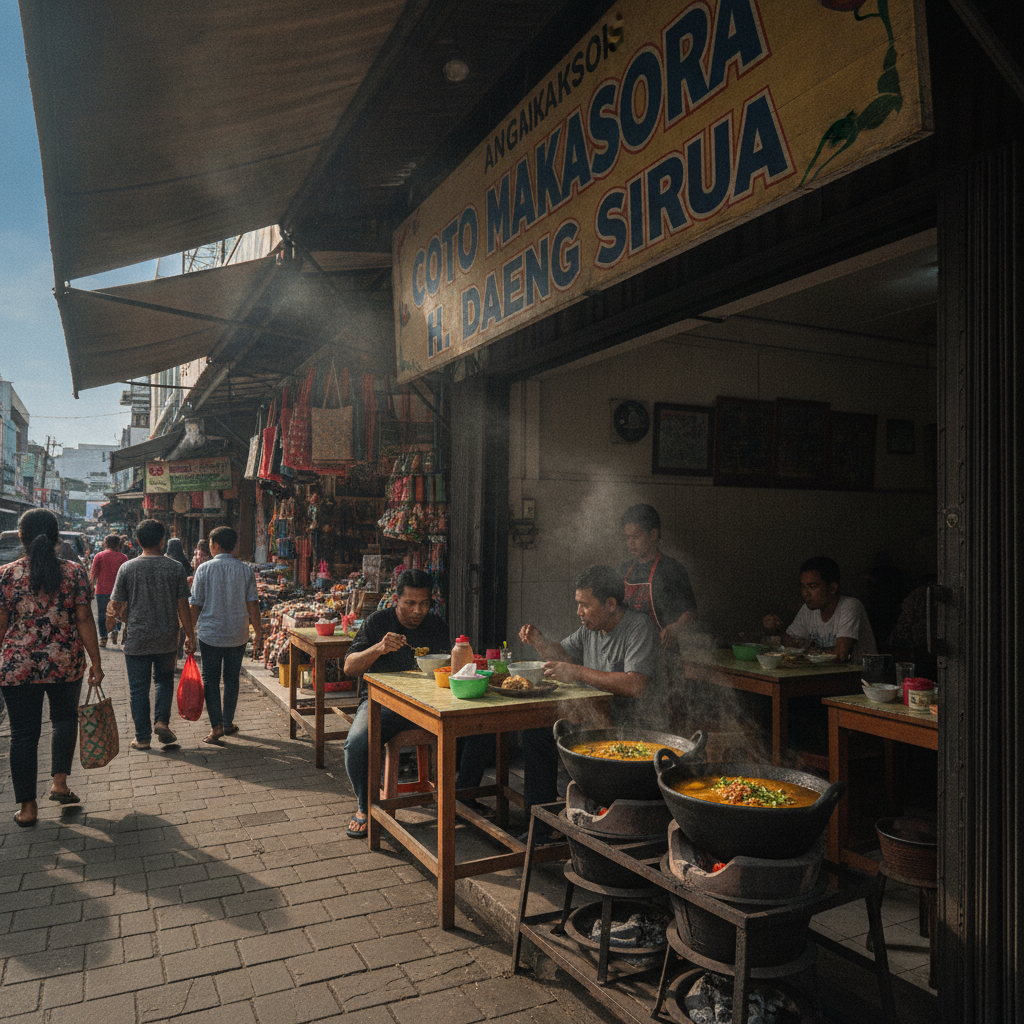
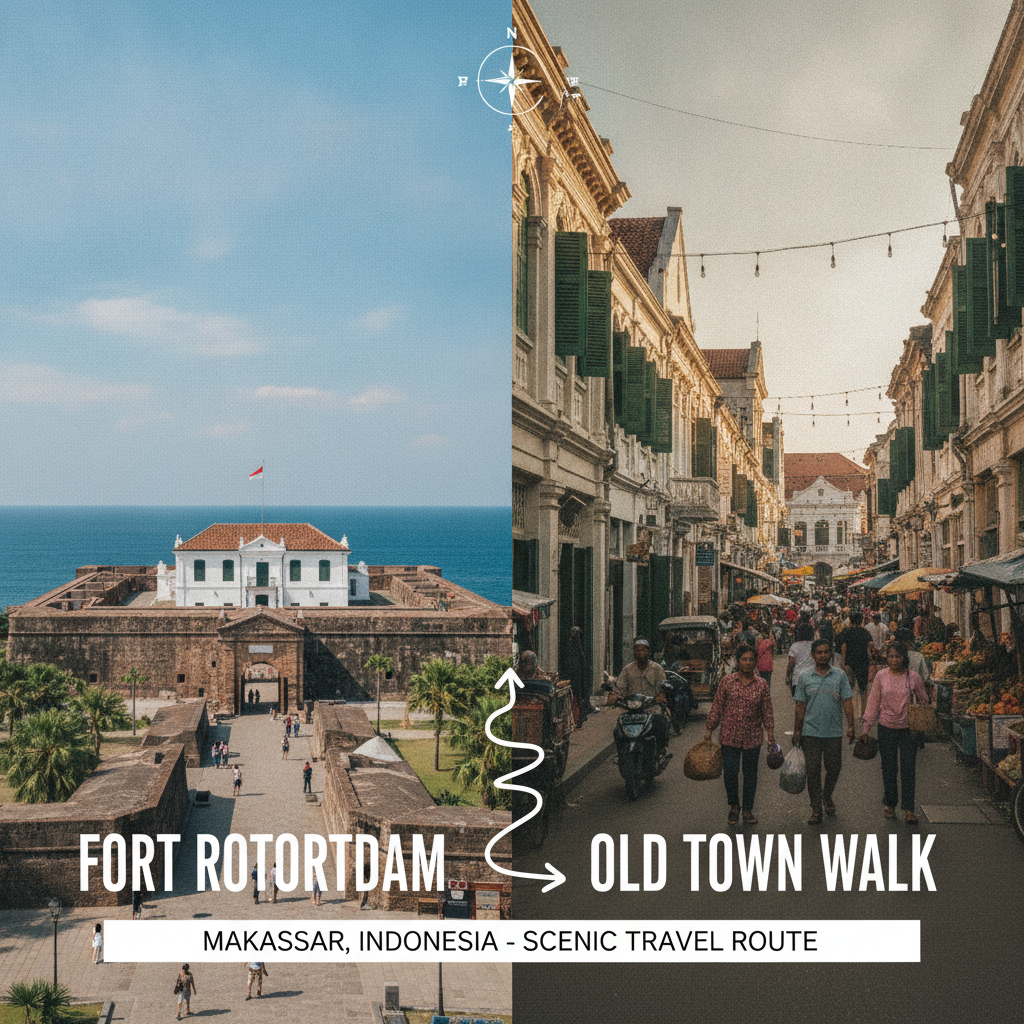
Walk Makassar's markets — the trading city's market culture reflects its history as eastern Indonesia's commercial hub, with the wholesale markets, traditional Bugis textile markets, fresh seafood markets, and night food markets that serve a city whose commercial identity has been shaped by 400 years of being the region's most important trading port.
- 1
Pasar Sentral Central Market
Pasar Sentral is Makassar's largest and most important market — the multi-storey building and surrounding street market sells everything from electronic goods and textiles to fresh produce, spices, and traditional Bugis silk sarongs in a concentrated commercial environment that represents the trading DNA of a city that has been an entrepôt since the 15th century. The market's chaos, noise, and density of commerce provide the most visceral introduction to Makassar's commercial character available.
- 2
Pasar Ikan Makassar Fish Market
Makassar's fish market near the harbour receives the catches from both the Makassar Strait fishing fleet and the inland river fisheries — the morning auction of fresh tuna, reef fish, prawns, squid, and the shellfish harvested from the Spermonde Island reefs creates one of the most active seafood trading environments in eastern Indonesia, supplying the city's restaurants, home kitchens, and the live seafood export trade that sends Sulawesi reef fish to Singapore, Hong Kong, and China.
- 3
Bugis Textile Market
The Bugis textile section of Makassar's market district sells the traditional checked silk sarongs (lipa sabbe) and woven silk ikat of South Sulawesi — the market where Bugis textile traders from the weaving centres of Sengkang sell their cloth at wholesale prices reflects the textile production economy of the South Sulawesi interior, where the silk weaving tradition has been maintained for centuries alongside the maritime trading culture that distributed these textiles across the archipelago.
- 4
Wholesale Trade District
The wholesale trade district around Jalan Sulawesi and the nearby streets represents the commercial infrastructure that makes Makassar eastern Indonesia's distribution hub — the warehouses of electronics, construction materials, agricultural supplies, and consumer goods that are shipped from here to ports across eastern Indonesia demonstrate that Makassar's role as a trading intermediary between Java's production centres and the outer islands continues in the 21st century on the same geographic logic that made it important in the 17th.
- 5
Pasar Malam Panakkukang Night Market
The Panakkukang night market in Makassar's newer commercial district serves the residential areas that have developed around the city's expansion south and east — the evening market with its food vendors, clothing stalls, and household goods represents the consumption culture of Makassar's growing middle class, distinct from the historic Pasar Sentral in serving suburban residents rather than the wholesale trade and tourist markets of the city centre.
- 6
Spice Trade Legacy Market
Walking the spice section of Makassar's market, the dried cloves from Maluku, the nutmeg from Banda, the cinnamon from Sulawesi, and the pepper from Kalimantan create an aromatic catalogue of the products that made this trading port wealthy in the 17th century — the same spices that caused the VOC to invest military force in controlling this port are still sold here in quantities reflecting eastern Indonesia's continuing role as the source of tropical spices for both domestic and international markets.
Walk this route with audio
Stories play automatically as you reach each stop — no tapping needed.