Lahore Shalimar Gardens UNESCO Heritage Walk
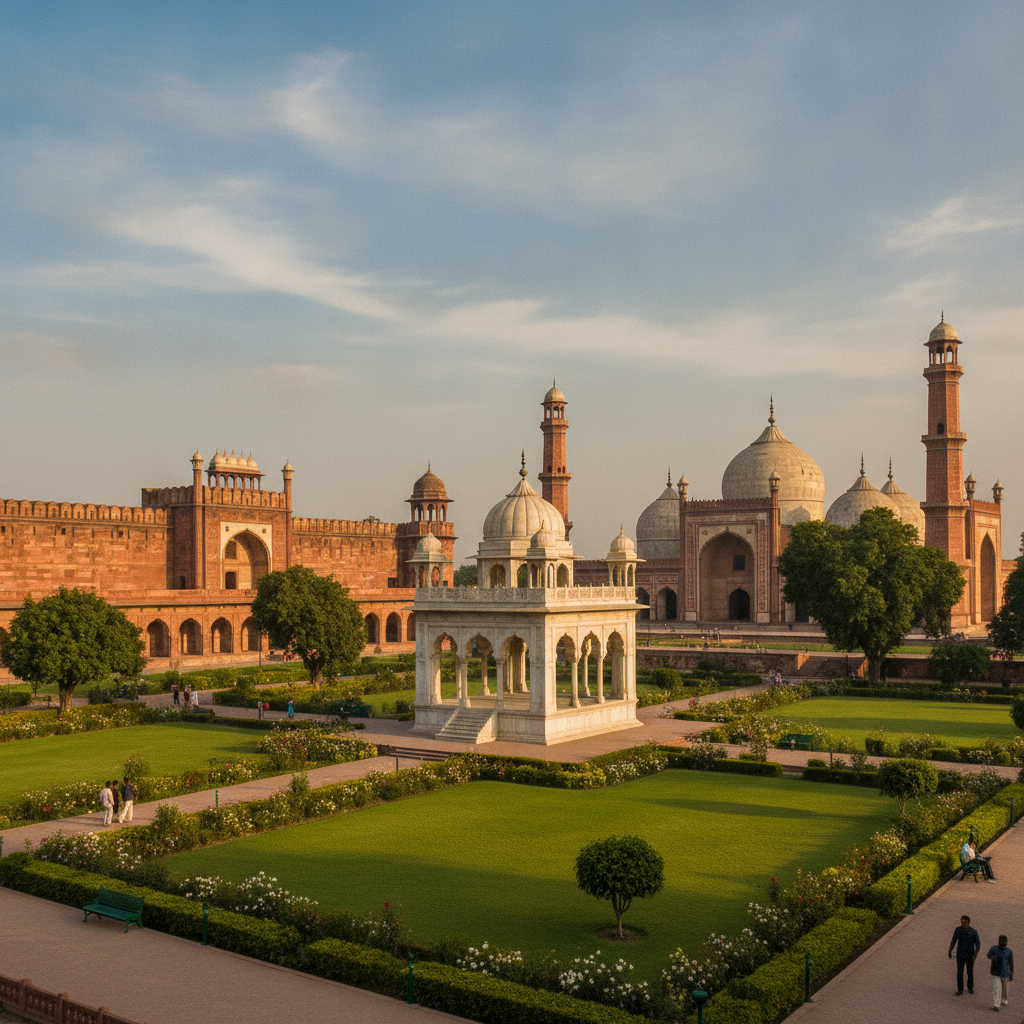
Visit the Shalimar Gardens — the 1641 UNESCO World Heritage Site built by Emperor Shah Jahan as a pleasure garden on three terraced levels, where water channels, fountains, and fruit trees created the Mughal vision of paradise on earth, still intact in its basic layout after 380 years despite the encroachment of the surrounding city.
- 1
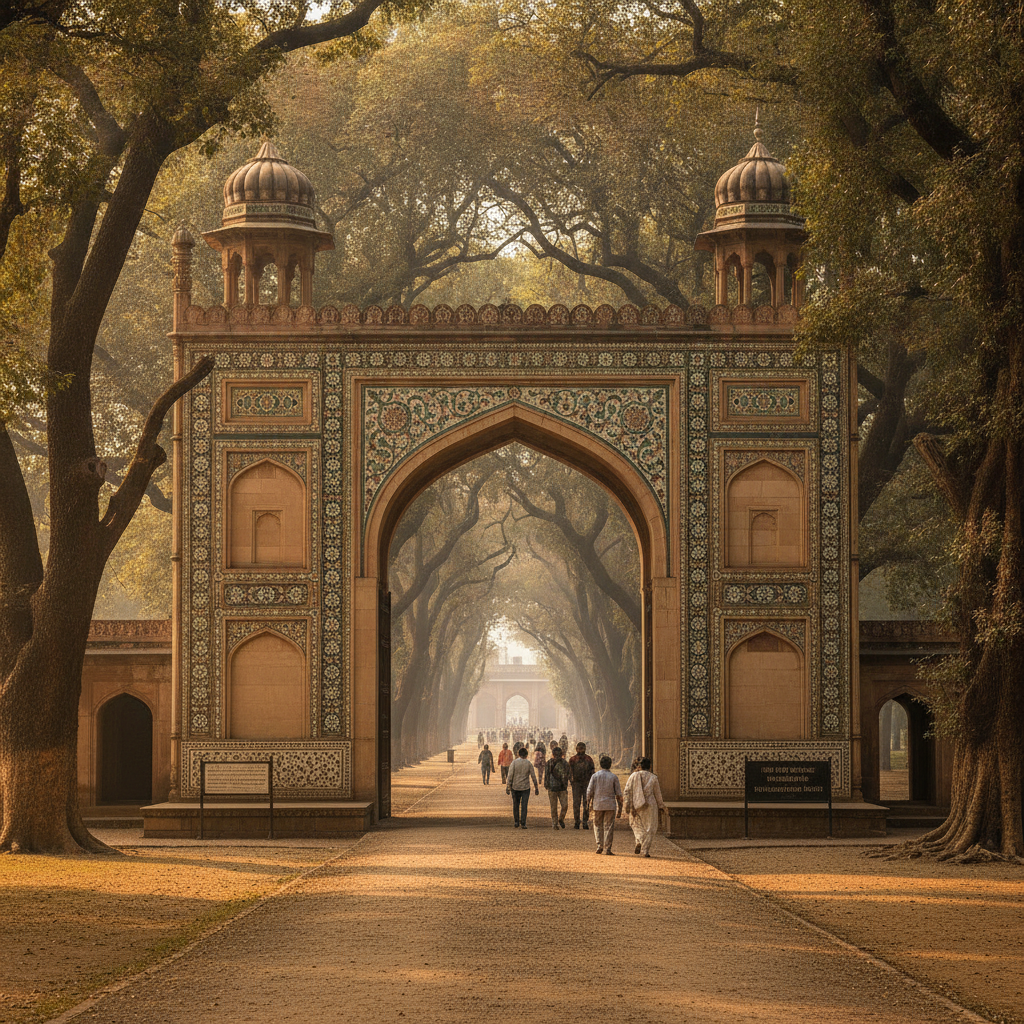
Shalimar Gardens Main Gate
Enter through the restored main gate of the Shalimar Gardens — the approach road lined with mature trees that Shah Jahan had planted to provide shade for the royal procession arriving from the Lahore Fort, the gardens visible through the gate as a green oasis amid the city.
- 2
Upper Terrace Royal Pavilion
The highest of the three garden terraces — the royal level reserved for the emperor and his court, with the marble pavilions where Shah Jahan received ambassadors and held garden parties, the elevated position giving views over all three levels of the garden design.
- 3
Central Water Cascade
The central water feature of the middle terrace — the cascade of water flowing from the upper terrace down through the tiered garden, the hydraulic engineering of the Mughal gardeners creating flowing water in a flat landscape by manipulating a system of underground channels and cisterns.
- 4
Fountain Pool
The large central pool on the middle terrace with its 152 fountains — the restored fountains playing in the central basin, the sound and movement of water being as important to the Mughal garden aesthetic as the plants and pavilions.
- 5
Lower Terrace Orchard
The lowest and largest garden level — originally planted as an orchard with fruit trees supplying the imperial kitchens, the layout of paths and water channels still intact, the mature trees creating the shaded walking garden that Mughal garden design always placed at the lowest level.
- 6
Perimeter Enclosure Wall
Walk the perimeter of the garden wall — the original boundary that encloses the 16-hectare garden complex, the wall's battlemented top and watchtowers reflecting the dual function of the Mughal garden as both pleasure park and defensible enclosure for the emperor and his retinue.
Walk this route with audio
Stories play automatically as you reach each stop — no tapping needed.
More in lahore
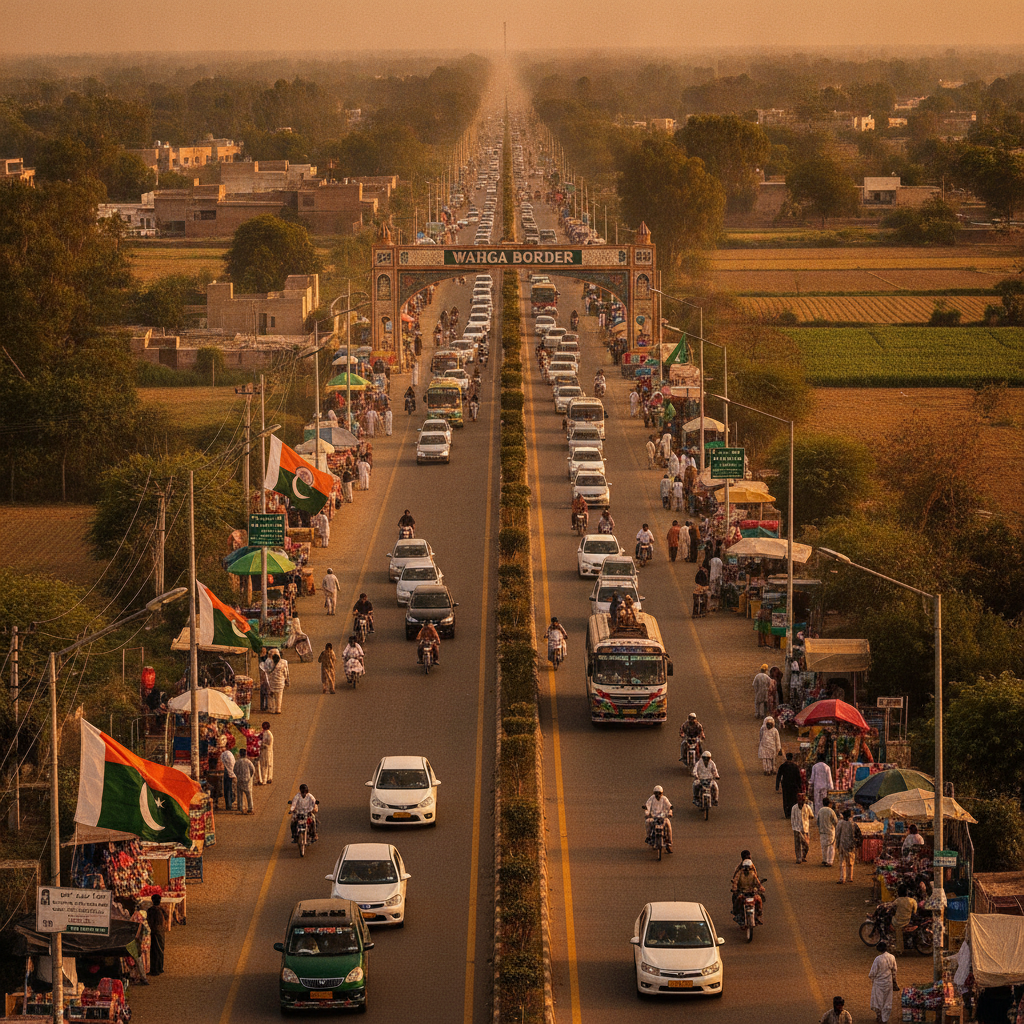
Lahore Wagah Border Retreat Ceremony
Lahore Liberty Market, Cafés and Contemporary Culture
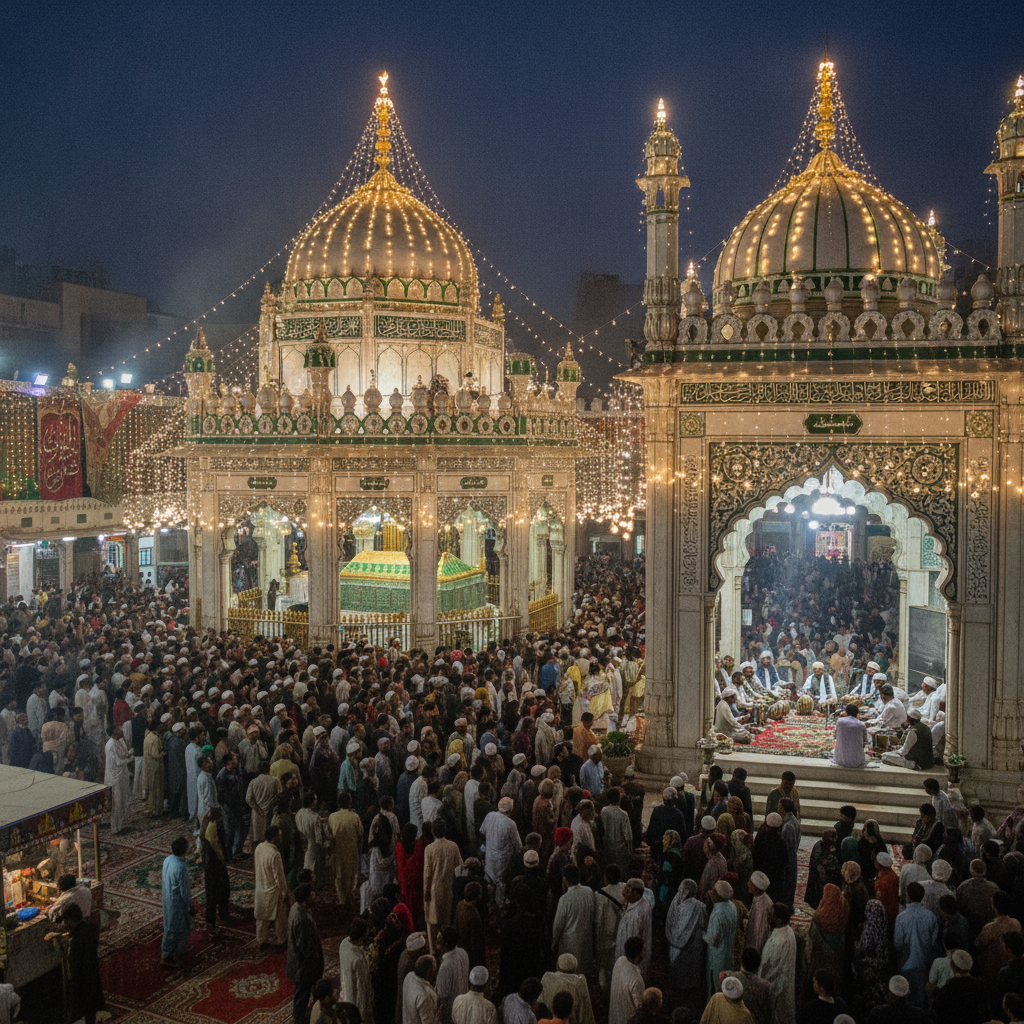
Lahore Sufi Shrines and Qawwali Music Nights
Lahore Colonial Mall Road and British Heritage
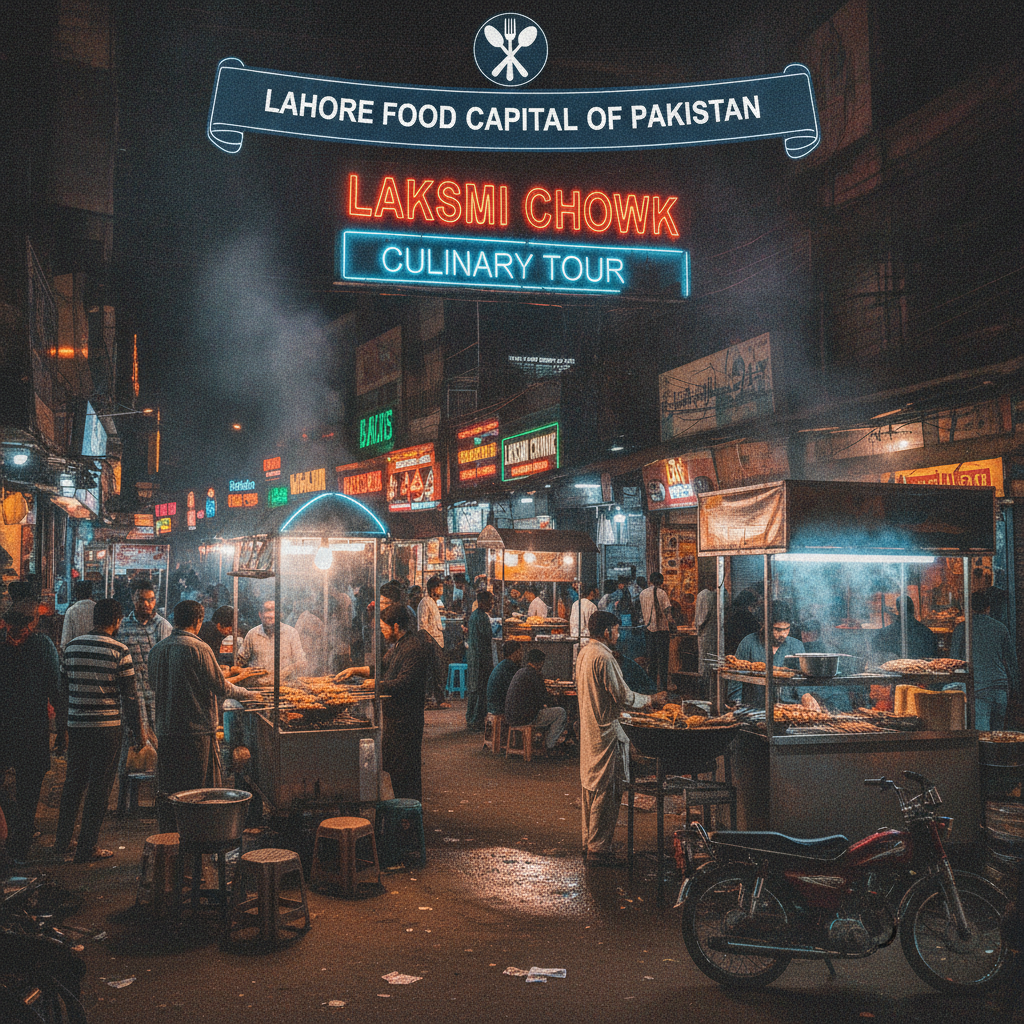
Lahore Food Capital of Pakistan Culinary Tour