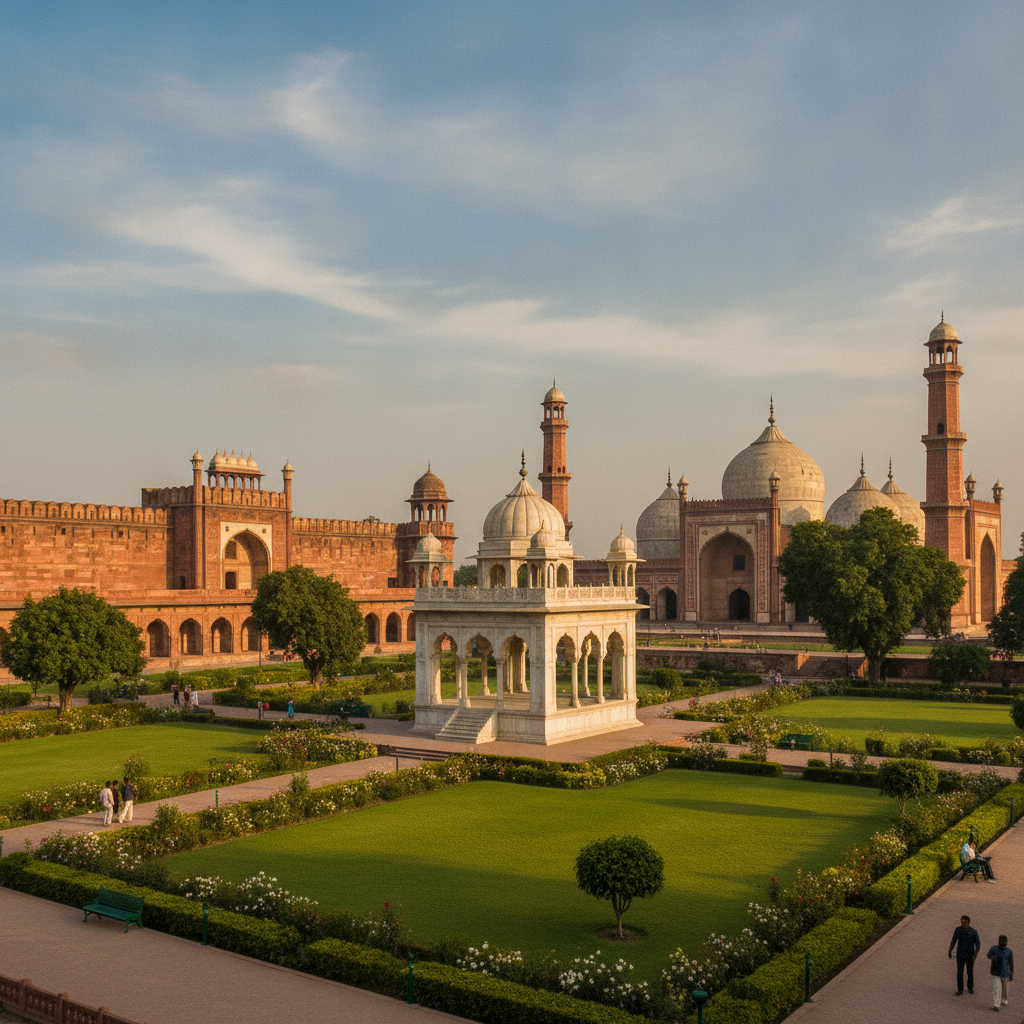
Lahore Colonial Mall Road and British Heritage
Walk Mall Road — Lahore's grand colonial avenue built by the British as the administrative spine of the Punjab's capital city, lined with the monumental public buildings of empire including the Lahore Museum, the High Court, the Cathedral, and the Governor's House, the entire ensemble a remarkably intact statement of Victorian imperial confidence.
- 1
Lahore Museum
The 1894 museum at the head of Mall Road — the building where Rudyard Kipling's father was the first curator and which appears at the opening of Kim as 'the Wonder House', now housing one of South Asia's finest collections of Gandhara Buddhist sculpture and Mughal miniature paintings.
- 2
Government College Tower
The Gothic tower of Government College Lahore — the colonial-era institution that educated generations of South Asian intellectuals, poets, and politicians, its red brick Victorian Gothic architecture the defining image of British educational ambition in the subcontinent.
- 3
High Court of Punjab
The imposing red brick High Court building with its Mughal-influenced domes — the building where British colonial law was administered and Pakistani legal tradition was established, still functioning as the provincial high court, its courtrooms a mix of colonial grandeur and contemporary chaos.
- 4
Cathedral Church of the Resurrection
The Anglican cathedral built in 1887 serving Lahore's British colonial community — now one of the most important churches in Pakistan, its Victorian Gothic interior and the congregation of Pakistani Christians maintaining a continuous presence through the decades of partition and change.
- 5
Aitchison College Campus
The elite school campus built in 1886 for the education of the sons of Punjab's princely and landowning families — the sprawling grounds and colonial buildings now Pakistan's most prestigious private school, its alumni including generations of Pakistan's political and military leadership.
- 6
Lawrence Garden (Bagh-e-Jinnah)
The botanical garden established in 1862 named after the Punjab's first governor — now renamed Bagh-e-Jinnah and still one of Lahore's largest urban green spaces, the mature trees planted by the British providing shade over cricket pitches, walking paths, and the weekly funfair that occupies one corner.
Walk this route with audio
Stories play automatically as you reach each stop — no tapping needed.
More in lahore
Lahore Wagah Border Retreat Ceremony
Lahore Liberty Market, Cafés and Contemporary Culture
Lahore Sufi Shrines and Qawwali Music Nights
Lahore Shalimar Gardens UNESCO Heritage Walk
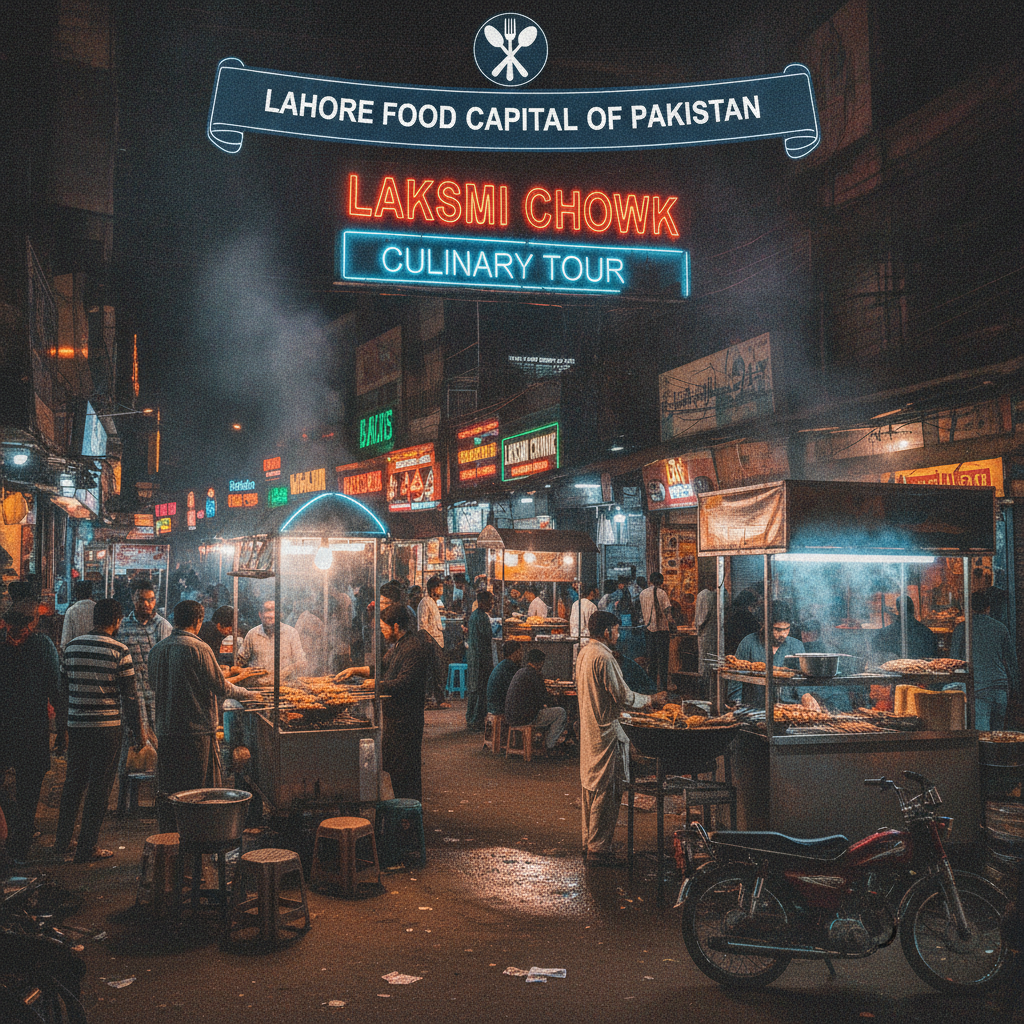
Lahore Food Capital of Pakistan Culinary Tour