Southern Silk Road Route Heritage
Trace the forgotten southern branch of the Silk Road through the Kulob region, where ancient trade routes connected Bactria and India with the Persian world, leaving behind archaeological sites, caravanserais, and multilayered cities.
- 1
Ancient Road Trace
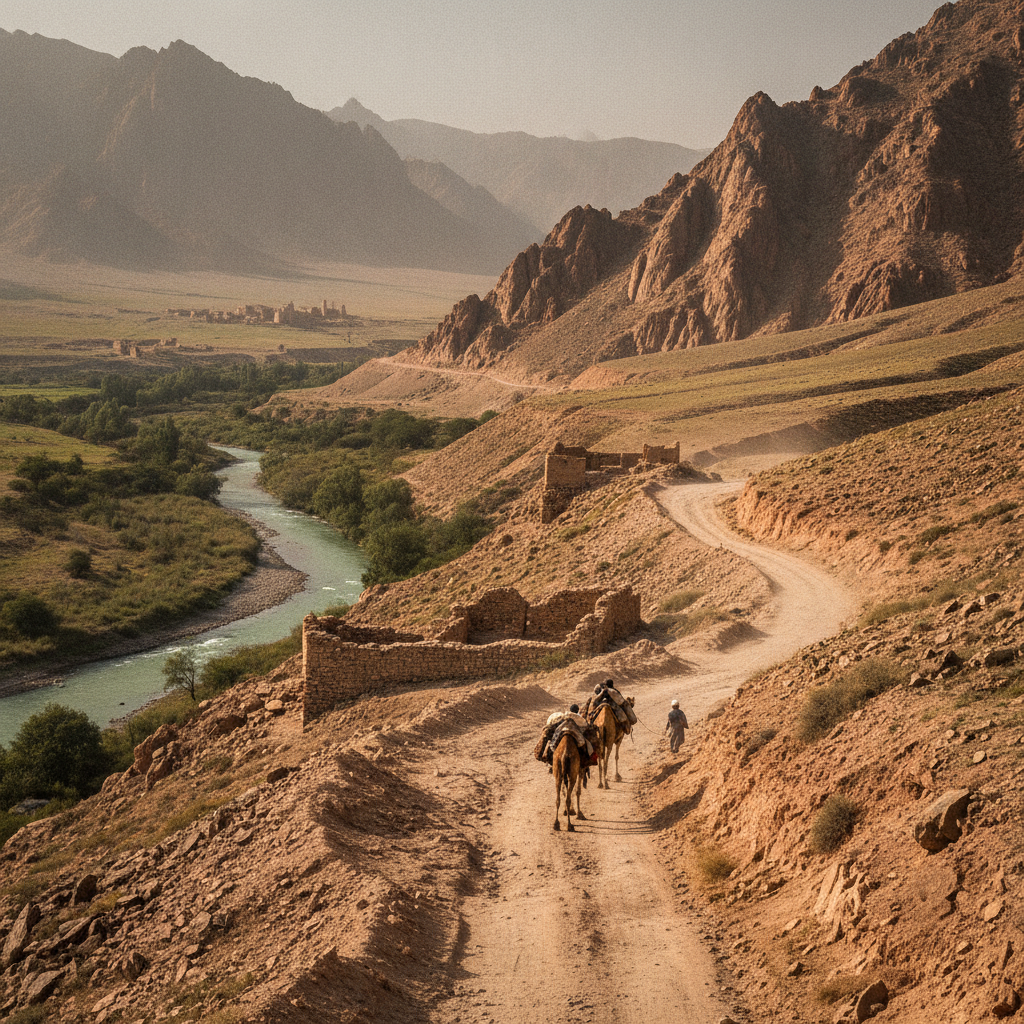
Follow the course of the ancient southern Silk Road branch through the Kulob valley, where the route connected Bactra (modern Balkh) with the Sogdian cities to the north through this challenging mountain terrain.
- 2
Bactrian Archaeological Site
Visit an excavated Bactrian-era settlement where Greek, Persian, and local Bactrian cultural elements mixed in the centuries following Alexander's conquests, producing a distinctive hybrid civilization.
- 3
Buddhist Monastery Remains
See the remains of a Buddhist monastery that served travelers and merchants on the southern route, evidence of the religious pluralism that characterized Silk Road culture before the Islamic period.
- 4
Medieval Caravanserai
Explore the substantial remains of a medieval caravanserai complex where merchants, their camels, and guards rested overnight on the multi-month journey between the Fergana Valley and the Indian subcontinent.
- 5
Trade Goods Display
View the museum display of trade goods recovered from Silk Road-era sites in the region: Chinese ceramics, Indian spices residue, Sassanid silver, Byzantine glass, and local products that flowed through this route.
- 6
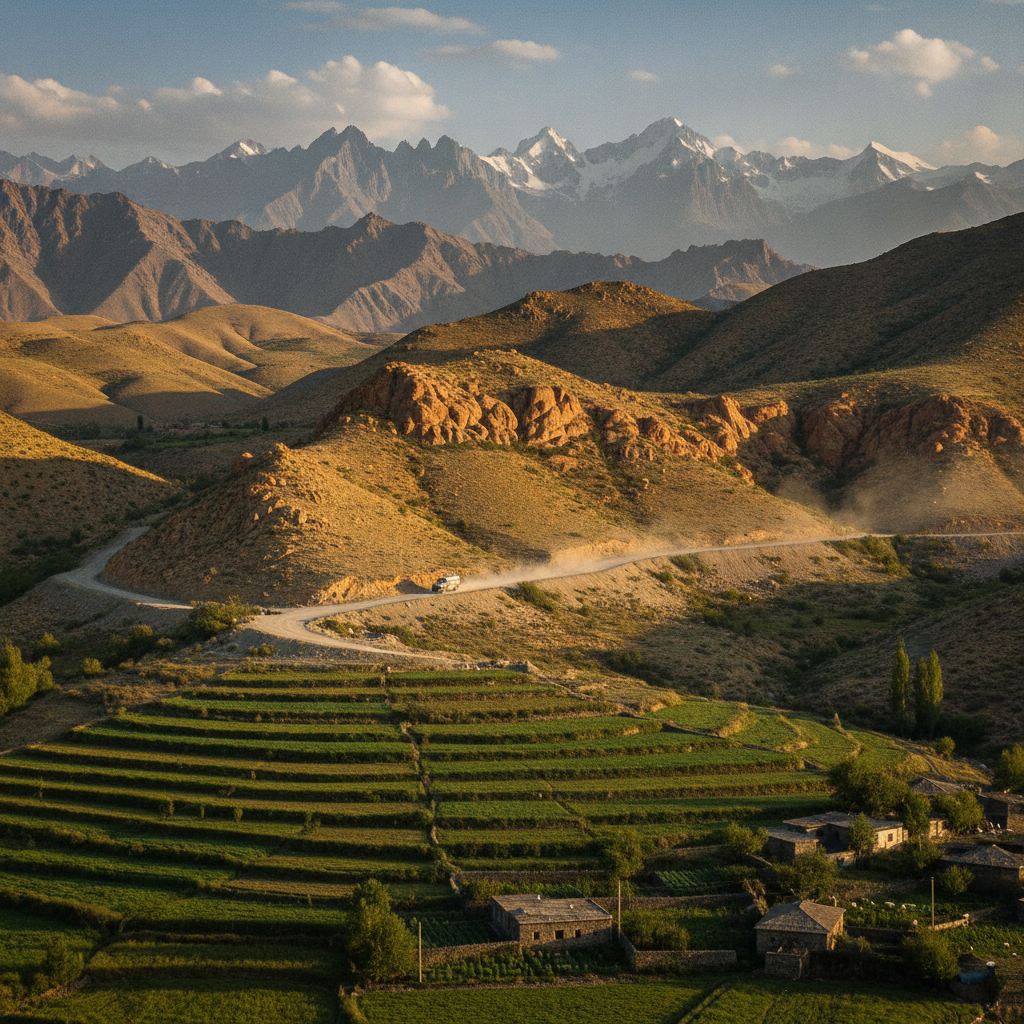
Mountain Pass Viewpoint
Stand at the mountain pass that ancient caravans crossed to continue southward toward Afghanistan and India, the spectacular views giving a sense of the geographic barriers these merchants overcame on their trading journeys.
Walk this route with audio
Stories play automatically as you reach each stop — no tapping needed.