Panj River Border Communities and Bridges
Explore the extraordinary human geography of the Panj River border between Tajikistan and Afghanistan near Khorog, where divided communities, friendship bridges, and cross-border trade tell a story of how geography and politics shape human lives.
- 1
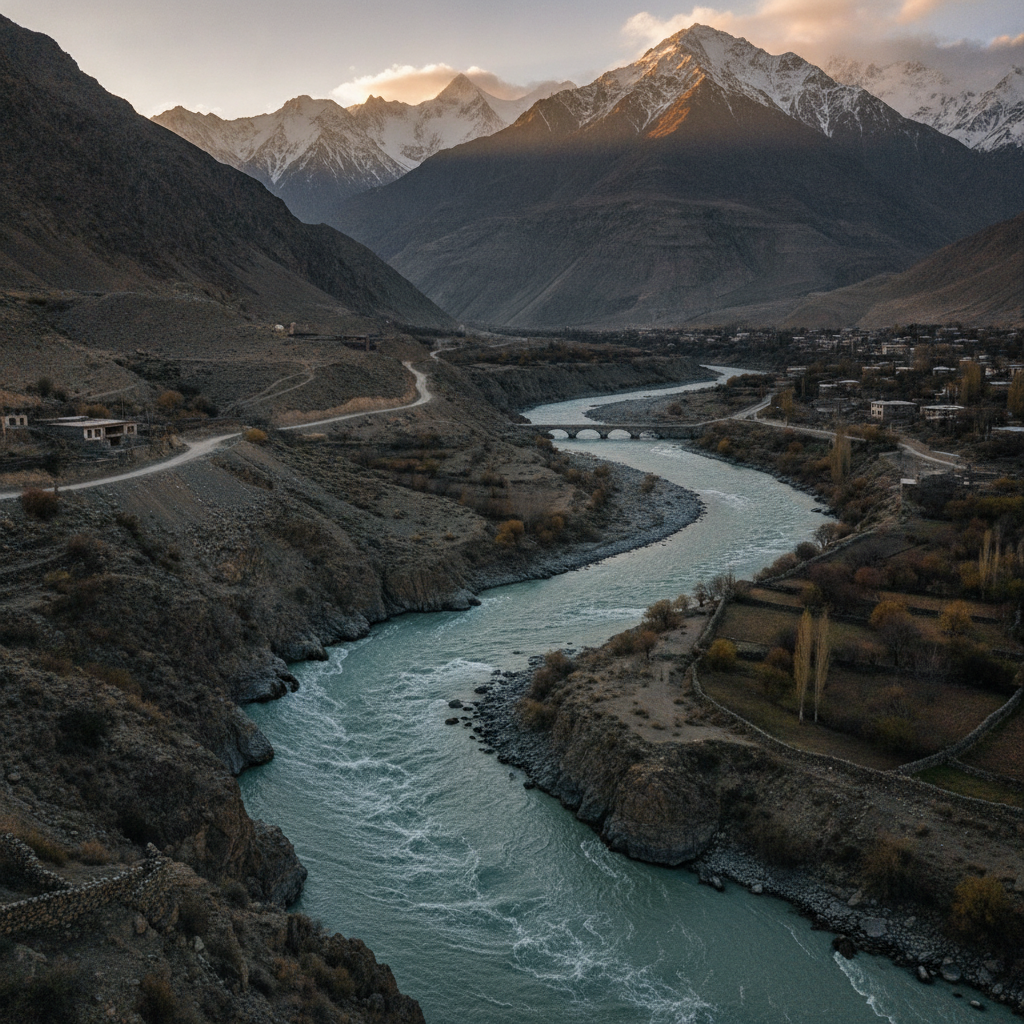
Khorog Panj Riverside
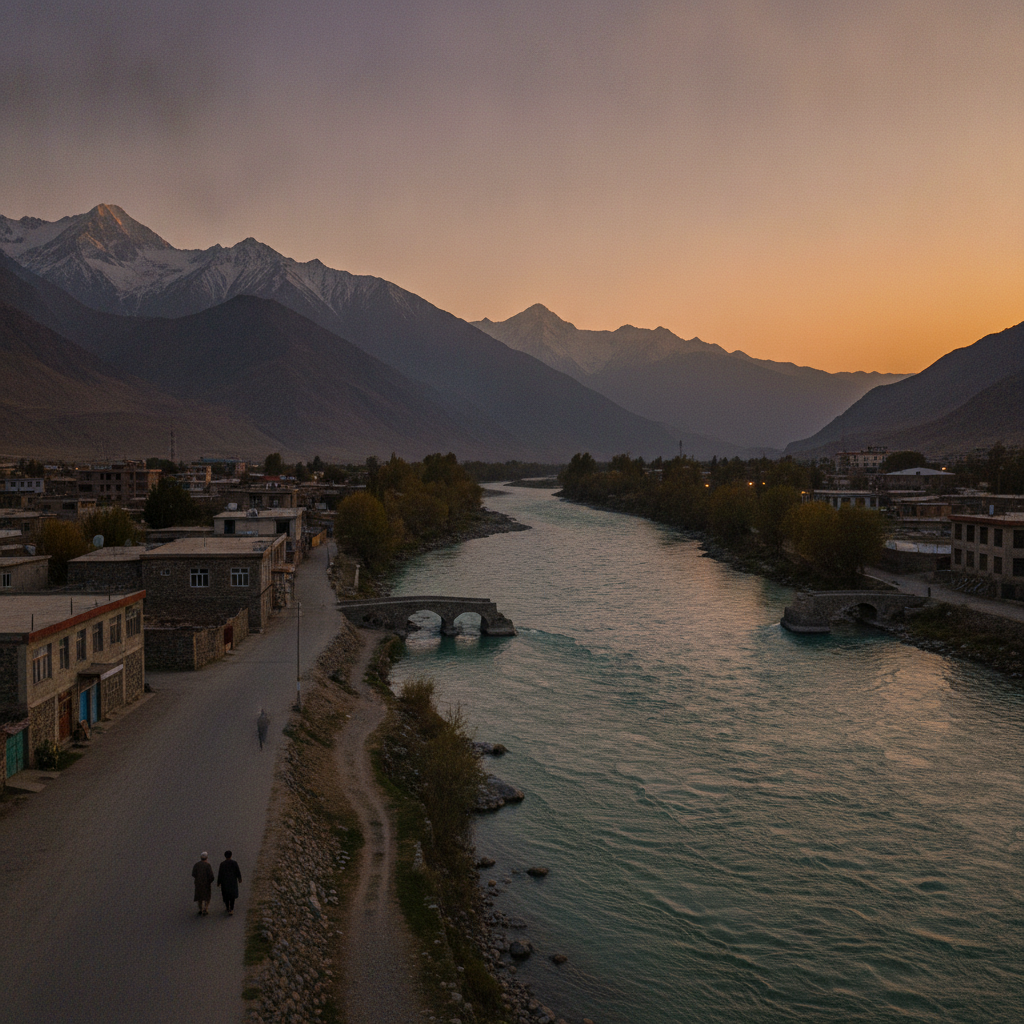
Begin at the Khorog waterfront where the Panj River flows just meters from the city streets, Afghanistan's mountains visible across the water in conditions of total peacefulness that belie the river's role as an international frontier.
- 2
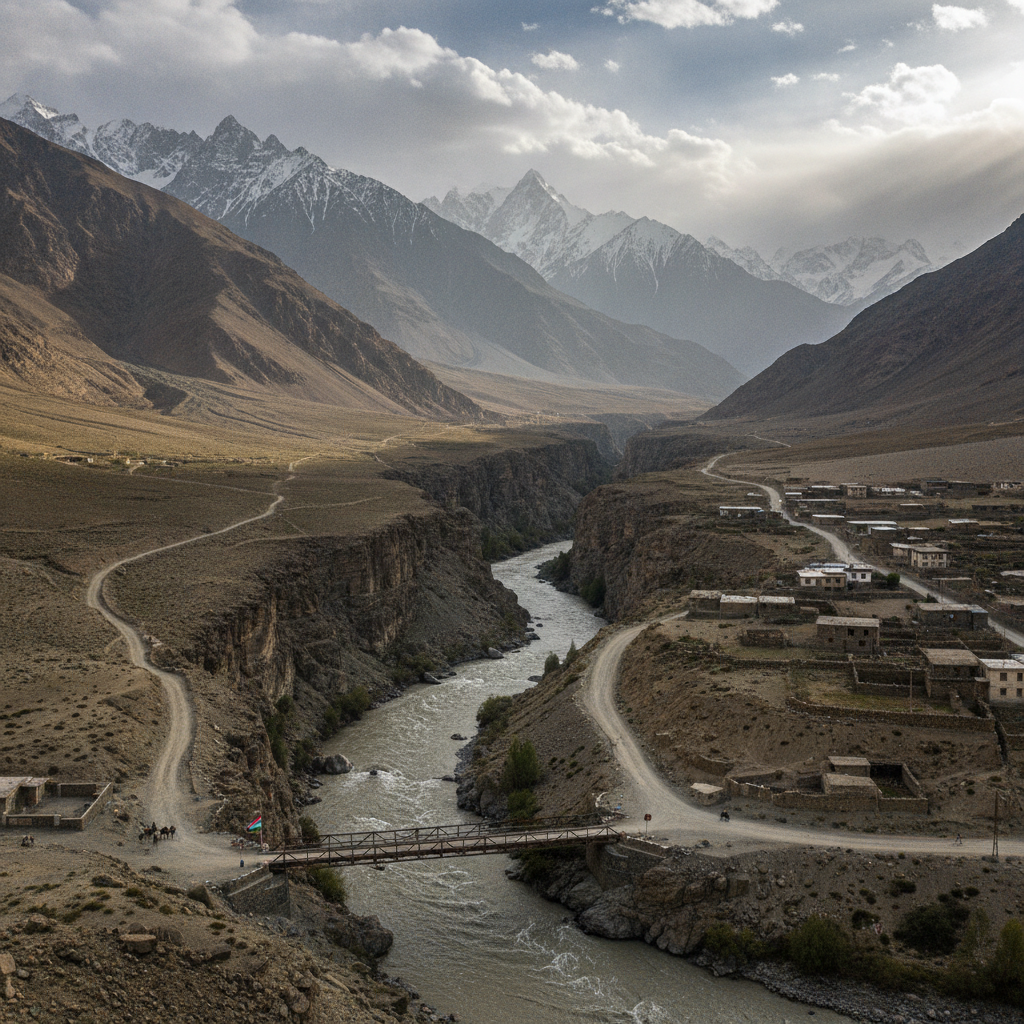
Friendship Bridge
Cross or view one of the friendship bridges that allow controlled movement between Tajikistan and Afghanistan, enabling the divided Wakhi, Ishkashimi, and Shughni communities on both banks to maintain family connections.
- 3
Cross-Border Market
Visit the regular cross-border market where traders from both countries meet to exchange goods in a controlled environment, the commerce maintaining economic connections between border communities that political division otherwise severs.
- 4
Divided Village Story
Learn about villages whose populations were separated by the Panj when the Soviet-Afghan border was formalized in the 20th century, families whose members ended up in different countries speaking different official languages.
- 5
Afghan Village Viewpoint
Stand at a viewpoint directly opposite an Afghan village, close enough to see daily life: children playing, women carrying water, farmers working fields in a community that shares cultural heritage with the Tajik side despite the political division.
- 6
Border History Monument
Visit the monument and information site explaining the history of this border — its drawing by British and Russian imperial powers in the 19th century Great Game, and its persistence as a boundary through Soviet times to the present day.
Walk this route with audio
Stories play automatically as you reach each stop — no tapping needed.