Kampot Cave Temples & Limestone Walk
Explore Kampot's cave temples — the limestone karst hills of the Kampot province contain numerous cave temples used by Buddhist monks and local communities for centuries, with the Phnom Chhngok cave temple and the Kompong Trach cave system among the most dramatic in Southeast Asia.
- 1
Phnom Chhngok Cave Temple
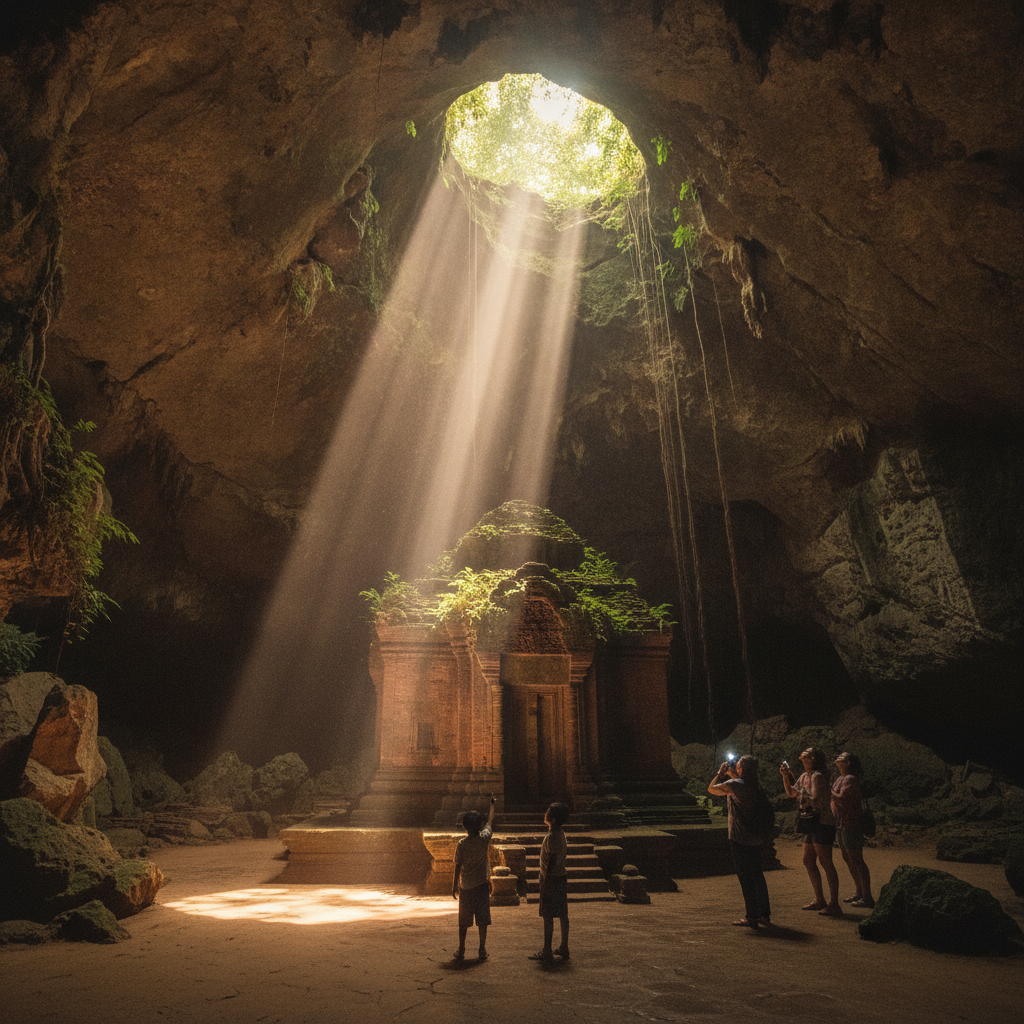
Phnom Chhngok cave temple (30km east of Kampot near Kompong Trach) is the most dramatically positioned Buddhist cave temple accessible in southern Cambodia — the Funan-period brick sanctuary (dating to the 5th-6th century CE, one of the earliest datable Buddhist structures in Cambodia) is located inside the main cave chamber of the limestone hill, with the natural stalactite and stalagmite formations surrounding the ancient brick shrine in an arrangement of extraordinary geological and archaeological drama. The cave sanctuary's antiquity (the brick construction technique and the votive inscription identify it as a Funan period structure, predating the Angkorian civilisation by several centuries) makes it the oldest surviving religious monument accessible in the Kampot province, and its continuing use as an active Buddhist shrine (the monks and devotees making offerings at the ancient sanctuary in the same tradition that has continued since the Funan period) creates the most direct connection between the ancient and the contemporary Buddhist practice accessible in Cambodia.
- 2
Kompong Trach Cave System
The Kompong Trach cave system (the extensive limestone cave network beneath the Phnom Kompong Trach hill) is the most unusual cave environment accessible in Cambodia — the caves form a complete underground circuit through the limestone hill, with the remarkable feature of an open-air 'sky garden' at the centre of the circuit (the collapsed cave roof creating an open courtyard within the cave system, with vegetation growing in the daylit space and the cliff faces of the cave walls visible rising above the garden). The circuit walk through the cave system (the total circuit through all the accessible cave chambers takes approximately 45 minutes) passes through chambers decorated with stalactites and stalagmites, past Buddhist shrines installed in the cave recesses, and through the narrow squeezes between the cave chambers that require visitors to stoop or turn sideways.
- 3
Phnom Chhngok Countryside
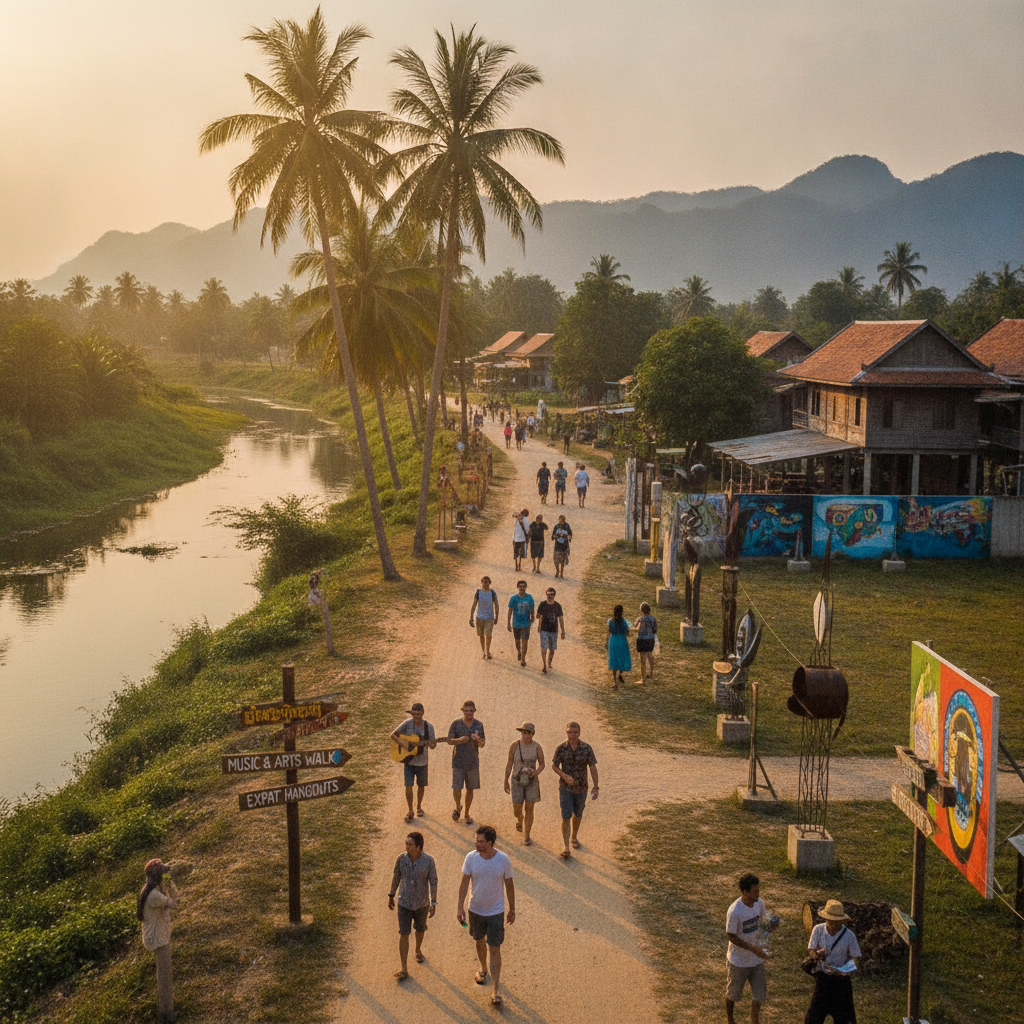
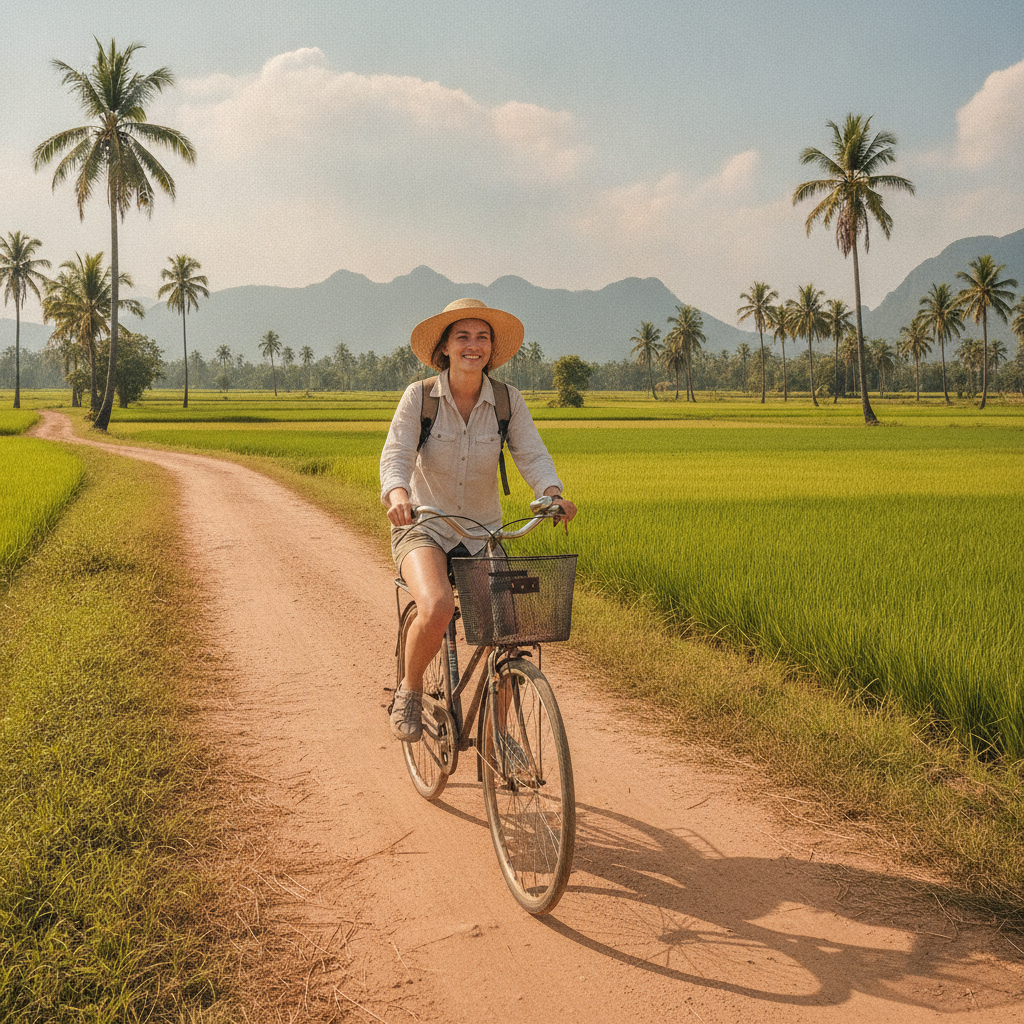
The countryside surrounding the Phnom Chhngok cave temple (the agricultural villages between the main road and the limestone hill, accessible by bicycle or tuktuk from Kampot) provides the most complete encounter with the rural Kampot province landscape — the road to the cave passes through the rice paddy villages where the traditional Khmer wooden houses on stilts are visible above the flood plain level, the sugar palms are visible along the field boundaries (the toddy palms whose sap provides the palm sugar of the Cambodian kitchen), and the temple pagodas of each village are visible above the tree line. The rural community between Kampot and the Kompong Trach area is the most accessible traditional Cambodian village landscape in the province.
- 4
Limestone Karst Landscape
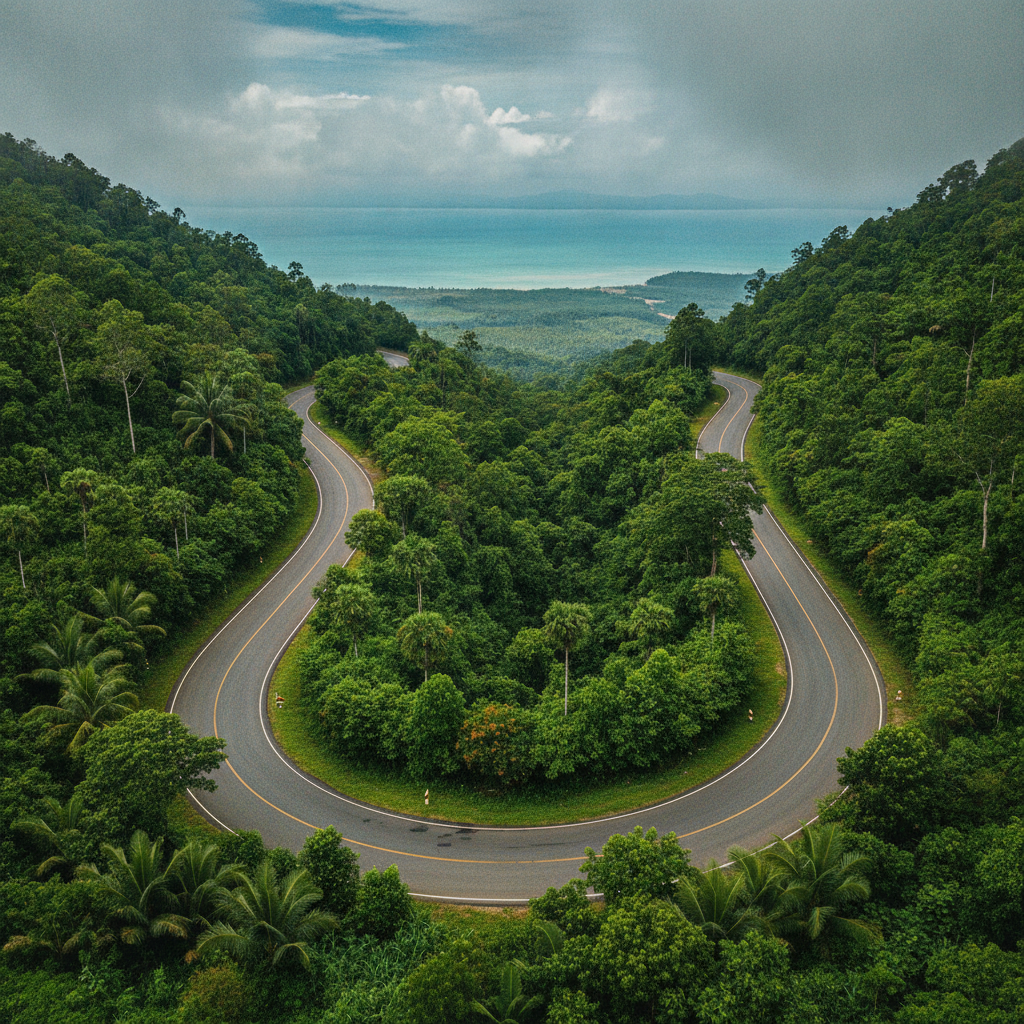
The limestone karst landscape of the Kampot-Kep area (the isolated limestone hills rising abruptly from the flat coastal plain in the characteristic haystack karst formation of Southeast Asian limestone terrain) creates the most distinctive visual landscape in the province — the sudden appearance of the steep-sided limestone hills (their grey cliff faces visible above the surrounding rice fields, with the dark cave openings visible in the cliff faces and the Buddhist temples visible on the hilltops) from the flat agricultural plain creates the most dramatically textured landscape accessible in southern Cambodia. The karst hills' cave systems (formed by the dissolution of the limestone by rainwater over millions of years) provide the natural shelters that have attracted Buddhist monks, hermit practitioners, and the local communities as sacred and protective spaces throughout the history of the Kampot province.
- 5
Wat Kirisan Hilltop
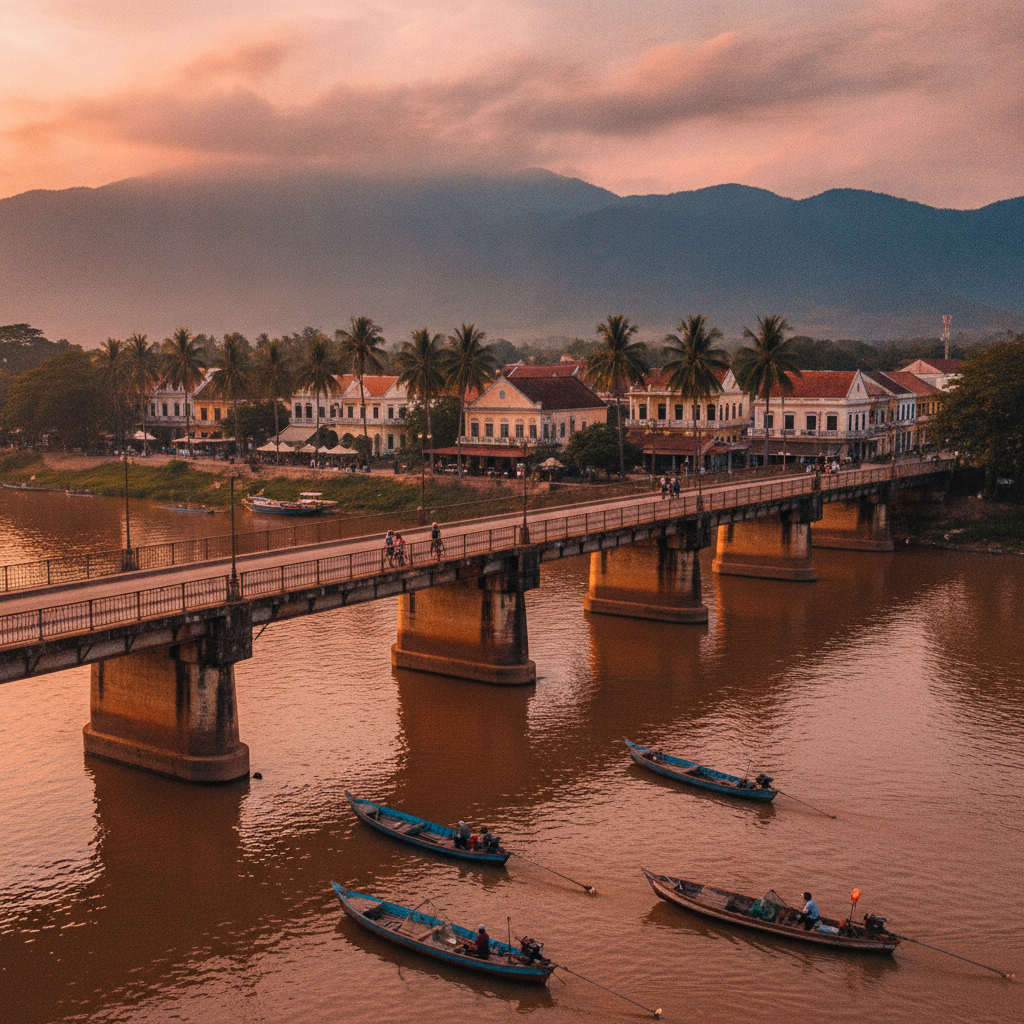
Wat Kirisan on the small limestone hill at the edge of Kampot town (the Buddhist temple on the hilltop above the town's western edge, accessible by the staircase ascending the cliff face) provides the most convenient viewpoint over the Kampot town and the surrounding countryside accessible without transport — the view from the hilltop temple (the colonial town visible below, the Kampot River visible winding through the agricultural plain, and the Gulf of Thailand visible at the horizon in the clear-day visibility) is the most comprehensive single panorama of the Kampot landscape accessible in the town's immediate area. The temple's position on the isolated limestone outcrop (a fragment of the same karst geology as the more dramatic cave systems at Phnom Chhngok and Kompong Trach) contextualises Kampot's landscape within the karst geography of the coastal Cambodian province.
- 6
Herb Garden Cave Path
The herb and medicinal plant gardens established at several of the Kampot province cave temple sites (the traditional Khmer medicinal plants cultivated by the temple communities in the sheltered microclimate of the cave entrances and the wooded slopes of the limestone hills) represent the most direct encounter with the traditional Khmer herbal medicine tradition accessible in the province — the monks' cultivation of the medicinal herbs (the plants used in the traditional Khmer medical system, whose knowledge was seriously disrupted by the Khmer Rouge's systematic elimination of traditional practitioners) is part of the broader restoration of the traditional knowledge base that the temple communities are attempting to preserve and transmit.
Walk this route with audio
Stories play automatically as you reach each stop — no tapping needed.