Kabul Babur Garden Mughal Emperor Heritage
Visit the Garden of Babur — the tomb and garden complex of Zahir-ud-din Muhammad Babur, founder of the Mughal Empire, who chose this Kabul hillside as his final resting place after conquering India, the garden restored to its original Mughal design by the Aga Khan Trust for Culture and now the finest preserved heritage site in the Afghan capital.
- 1
Garden of Babur Lower Terrace
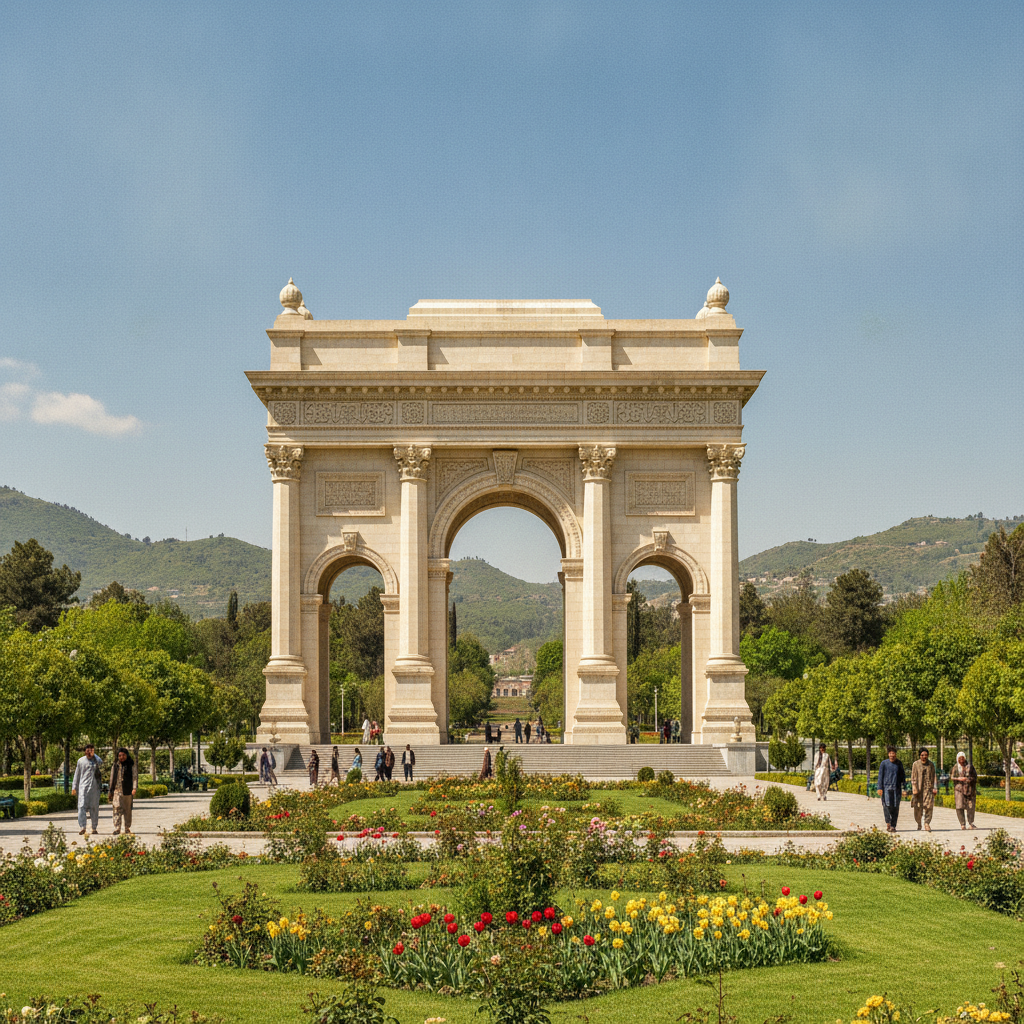
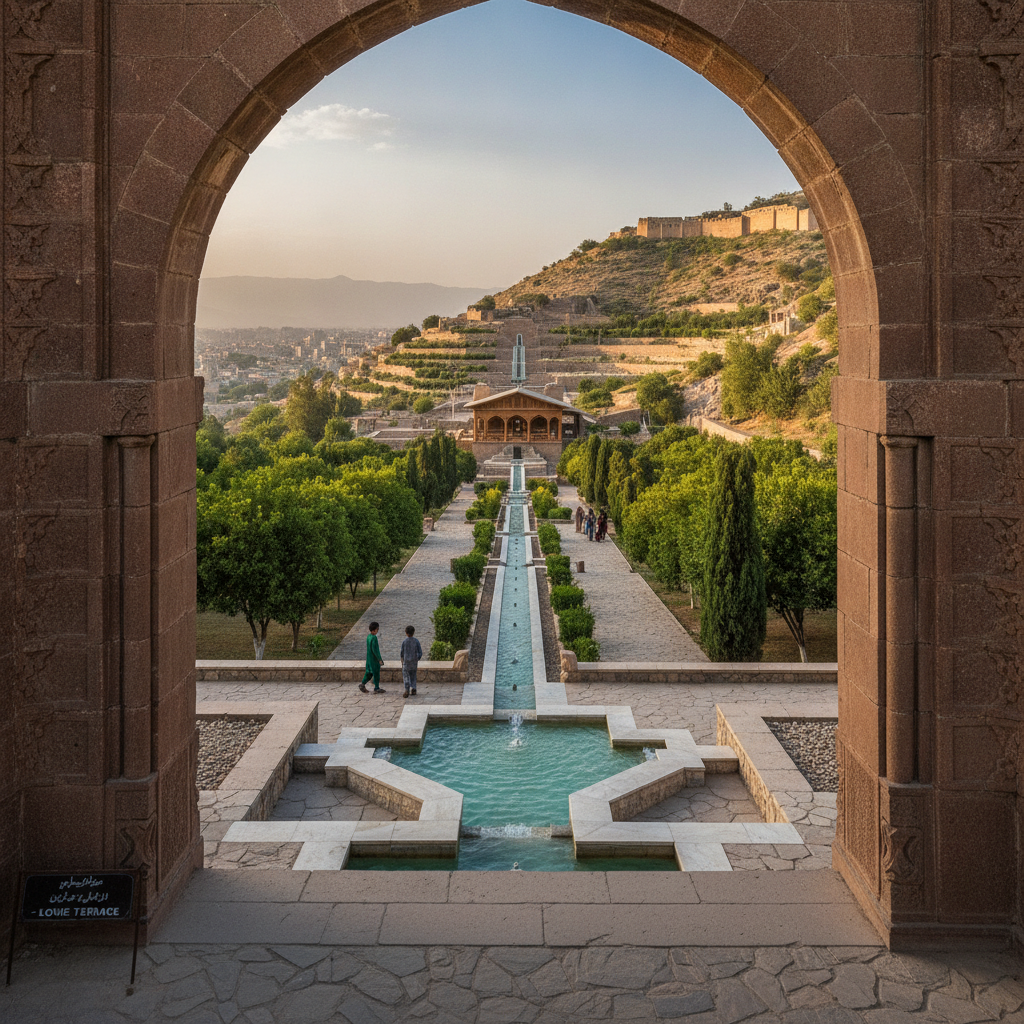
Enter the Garden of Babur from the lower gate — the 11-hectare terraced garden built into the Sher Darwaza hillside, the restoration revealing the original Mughal garden design with water channels, terraced lawns, and flowering trees that Babur himself described in his memoir the Baburnama.
- 2
Babur's Tomb Upper Terrace
Babur's tomb on the upper terrace — the open-air marble grave of the founder of the Mughal Empire, the simplicity of the grave following Babur's own instruction that his tomb remain open to the sky, the inscription identifying the burial place of the emperor who ruled from Kabul before conquering Delhi in 1526.
- 3
Baburnama Memorial Garden
The memorial to the Baburnama — Babur's extraordinary autobiography and memoir that described Kabul in precise detail, the garden, the grapes, the melons, the climate, and the people of the city in the early 16th century, the text a foundational document of Mughal literature and historical geography.
- 4
Queen's Palace Ruins
The ruins of the Queen's Palace within the garden complex — the 19th-century palace built for Queen Soraya that was damaged in the civil war, the remaining structure showing the later Kabul's attempt to blend European architectural elements with traditional Afghan building style.
- 5
Swimming Pool of Amanullah
The historic swimming pool built by King Amanullah Khan in the 1920s within the garden complex — the modernizing king's attempt to bring European recreational culture to Kabul, the pool now restored as part of the garden complex, a reminder of the reformist period before subsequent conflicts.
- 6
Panorama of Kabul Valley
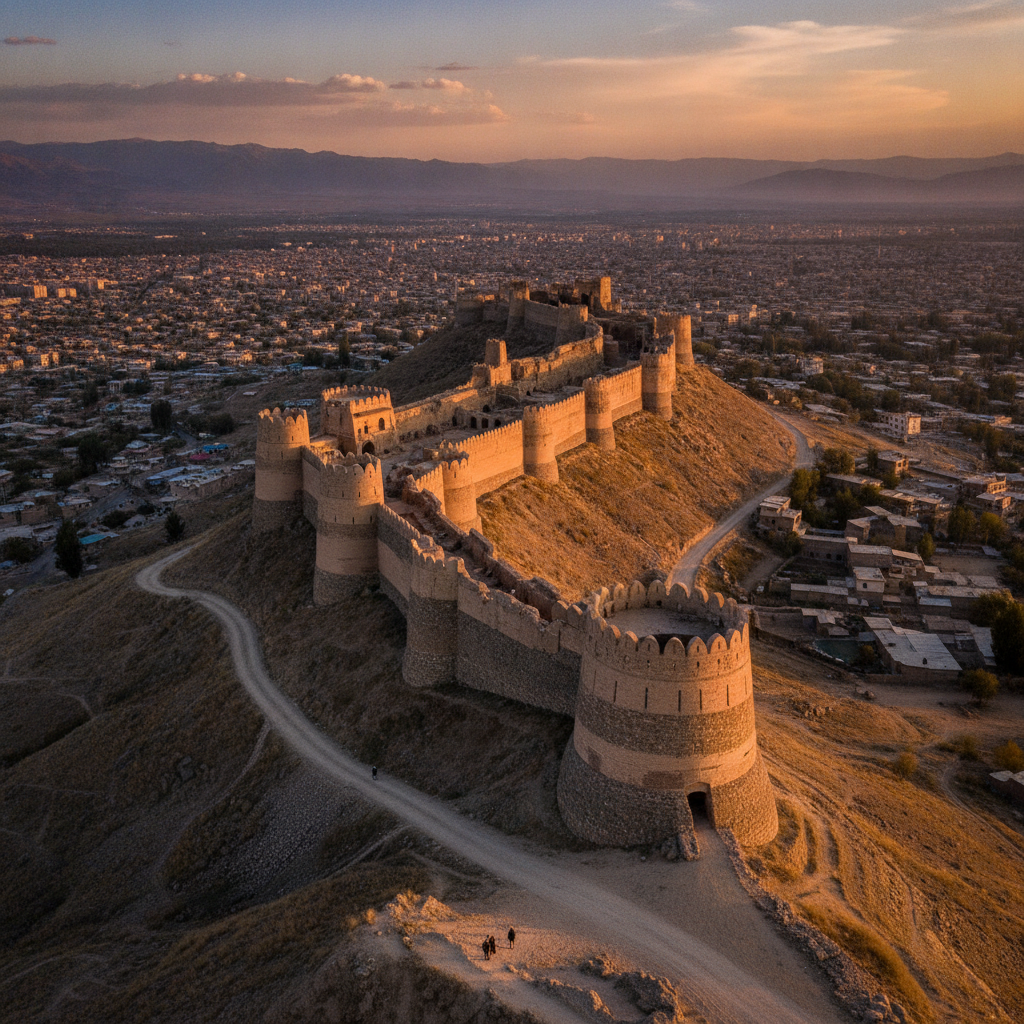
The panoramic view of the Kabul valley from the upper garden terrace — the capital spread across the flat valley floor at 1,800 meters, surrounded by the bare brown mountains that form the Hindu Kush foothills, the snow-capped peaks visible in winter, the urban sprawl of a city that grew from 500,000 to over 5 million people since 2001.
Walk this route with audio
Stories play automatically as you reach each stop — no tapping needed.