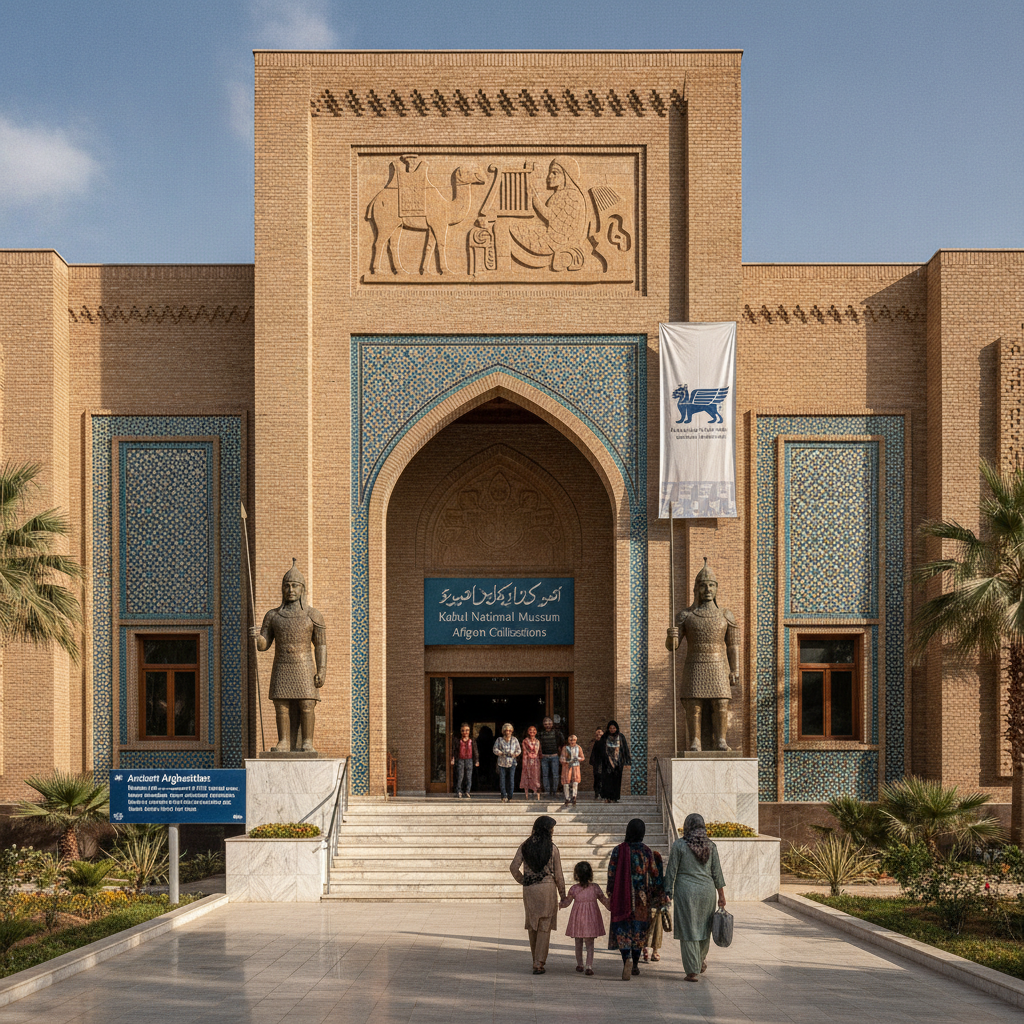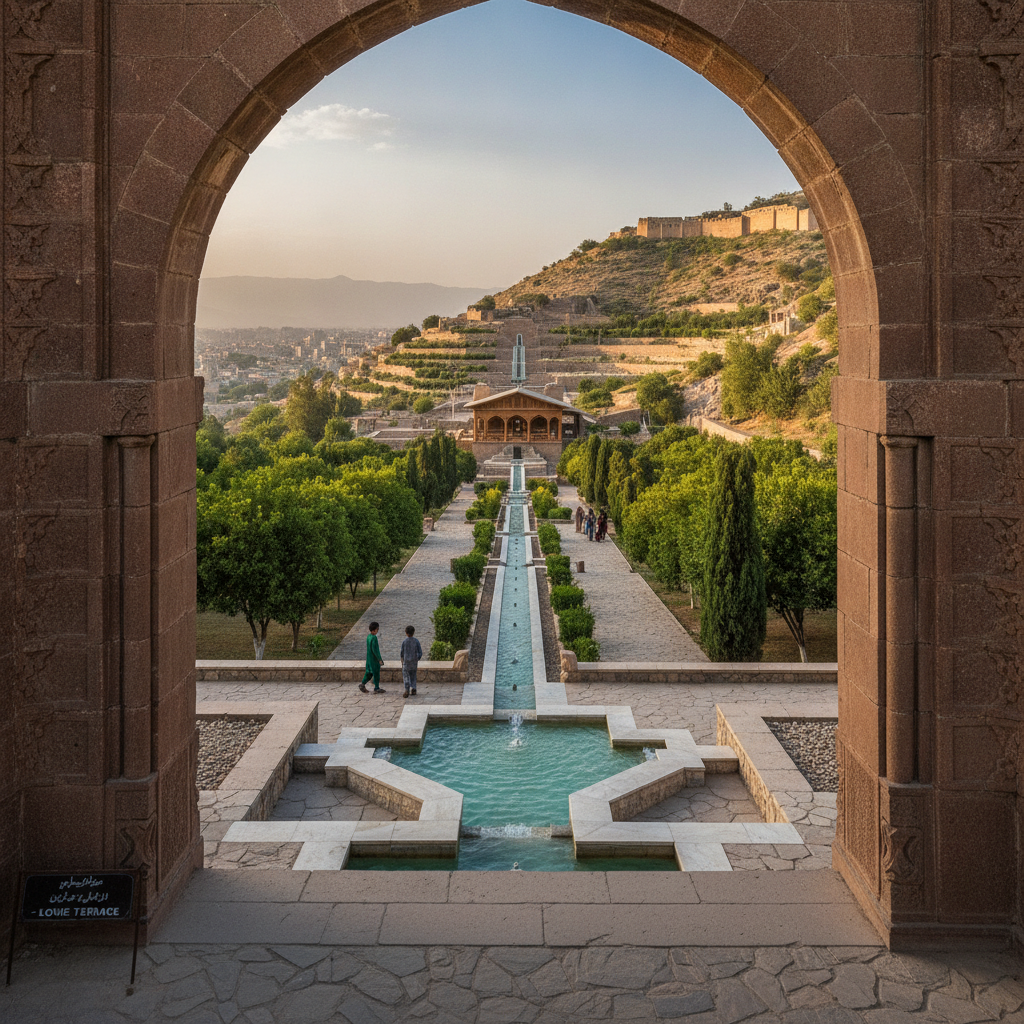
Kabul Chicken Street Antiques and Craft
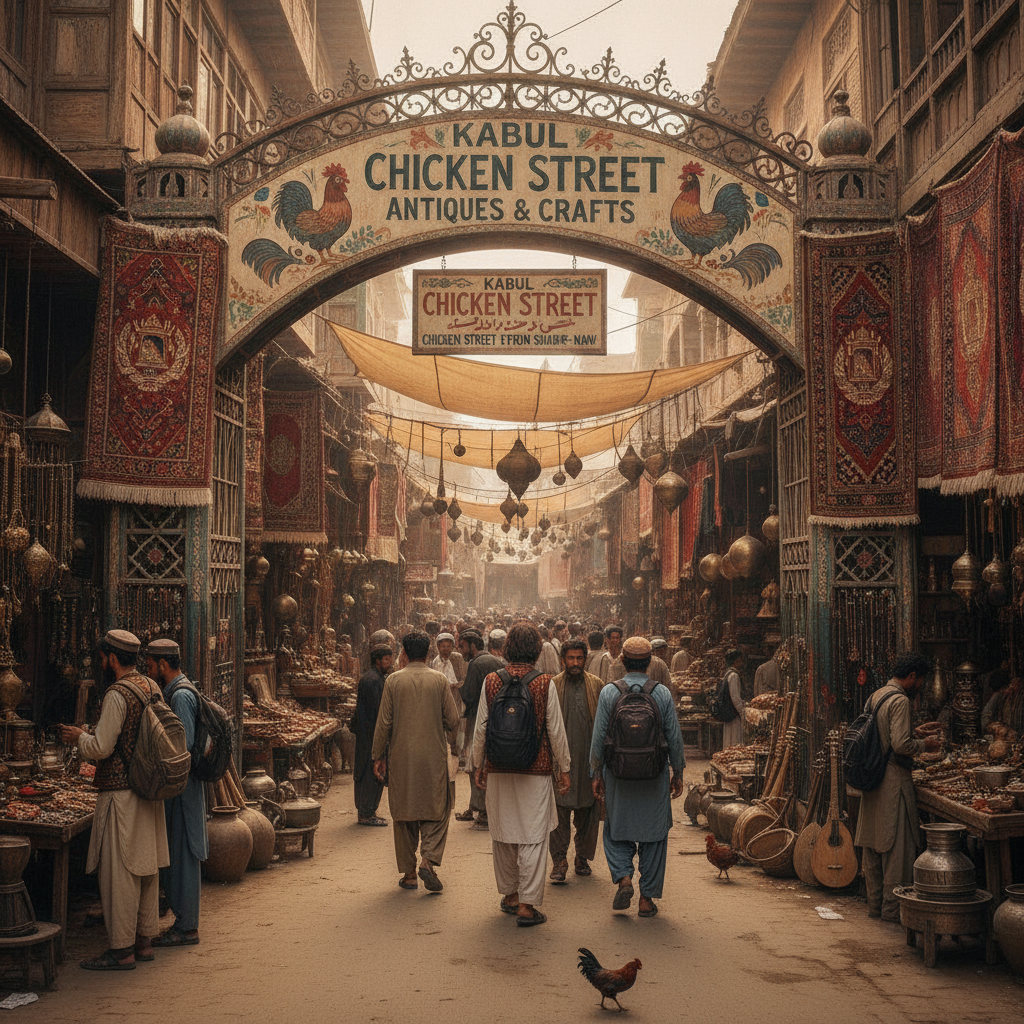
Explore Chicken Street — the famous antique and craft market street of Kabul that has served as the city's international connection point since the hippie trail era of the 1960s and 1970s, selling Afghan carpets, lapis lazuli jewelry, antique rifles, embroidered clothing, and the handicrafts of the ethnic groups of Afghanistan.
- 1
Chicken Street Entry
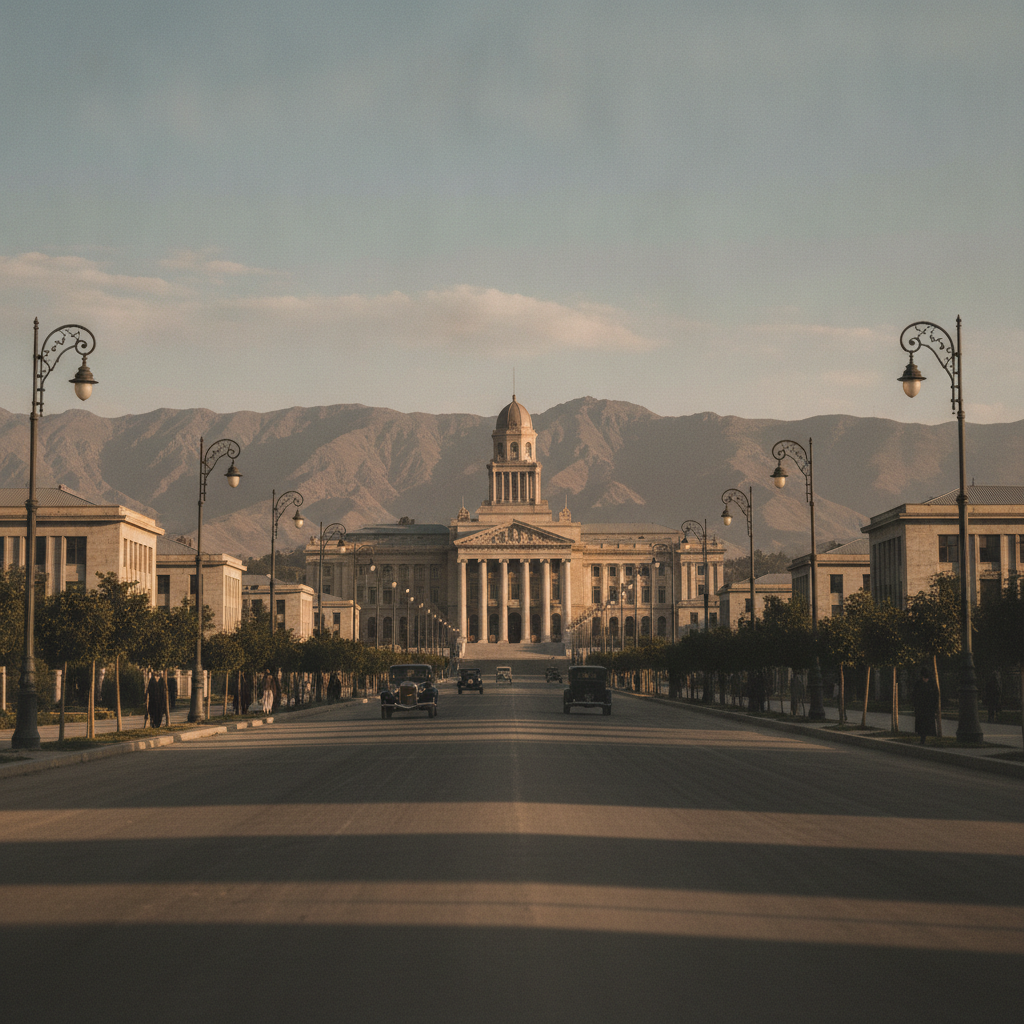
Enter Chicken Street from the Shahr-e-Naw neighborhood — the street famous since the 1960s when it was the center of the hippie trail and the place where Western travelers first encountered Afghan handicrafts, the street today still serving a similar function for the international community working in Kabul.
- 2
Afghan Carpet Dealers
The carpet dealers of Chicken Street — displaying the pile rugs of Turkmen, Uzbek, Baluch, and Hazara weavers, the carpets ranging from antique pre-war pieces to newly woven tribal rugs still using traditional designs, the density of carpet knowledge in these shops representing centuries of Central Asian weaving tradition.
- 3
Lapis Lazuli Jewelry Shops
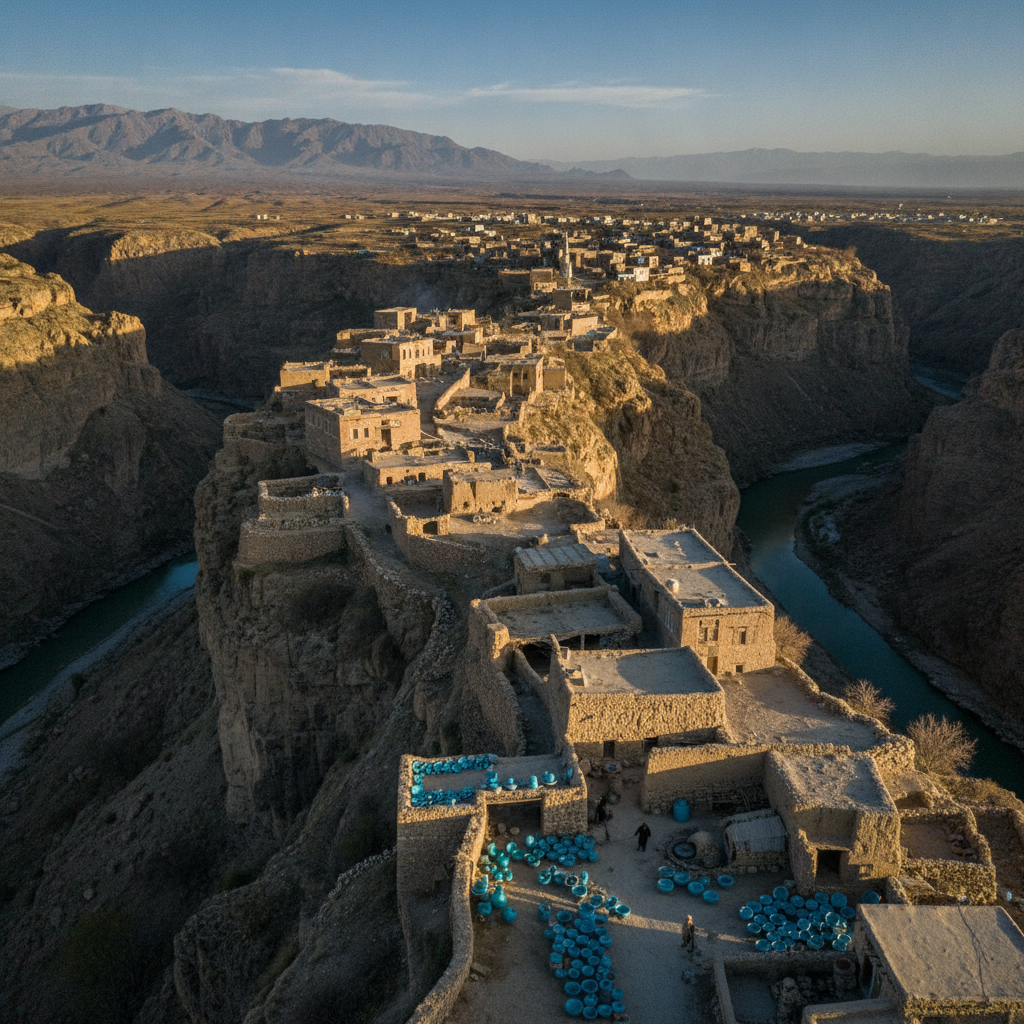
The lapis lazuli jewelry shops — the deep blue stone mined in Badakhshan province for over 6,000 years and traded to Egypt, Mesopotamia, and Rome, the deep blue color used in Egyptian faience and Renaissance paintings, the raw stones and finished jewelry sold alongside turquoise from the Afghan mountains.
- 4
Antique Arms and Armor
The antique arms dealers with Afghan tribal weapons — the decorated jezail rifles with their long barrels and carved stocks, the curved Khyber knives, and the various swords and daggers of the warrior tradition, the pieces representing the martial culture of the Pashtun, Tajik, and Uzbek tribal groups.
- 5
Embroidered Clothing Workshops
The workshops producing the embroidered clothing of Afghan tradition — the Kuchi nomad dresses heavy with mirror work and colored thread, the Nuristani embroidered waistcoats, the Hazara embroidery with its distinctive patterns, each piece representing the distinct aesthetic of an Afghan ethnic community.
- 6
Shahr-e-Naw Park Neighborhood
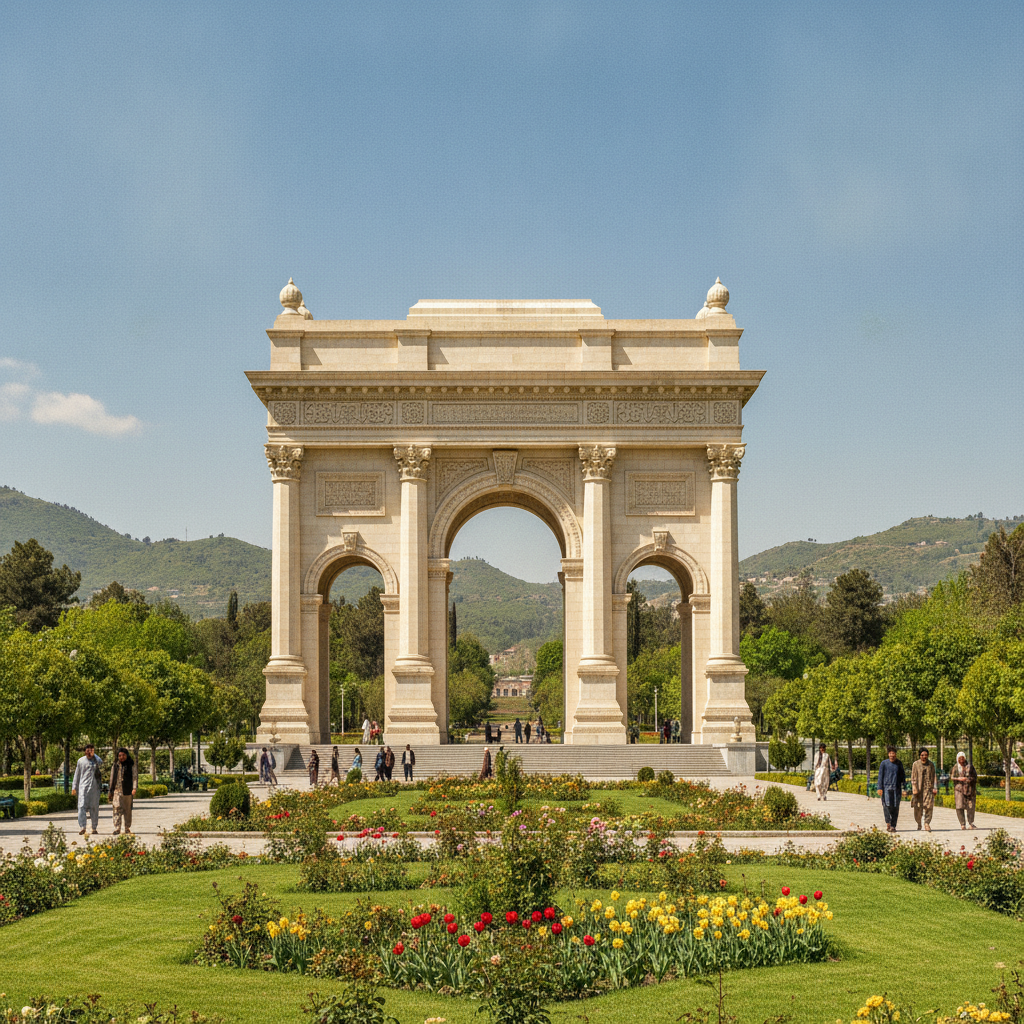
Shahr-e-Naw Park — the green park in the heart of the New City neighborhood built in the 1950s and 1960s as Kabul expanded beyond its historic core, the park surrounded by the mixed residential and commercial architecture of mid-20th century Kabul, the area retaining some of the urban character of pre-war Afghanistan.
Walk this route with audio
Stories play automatically as you reach each stop — no tapping needed.