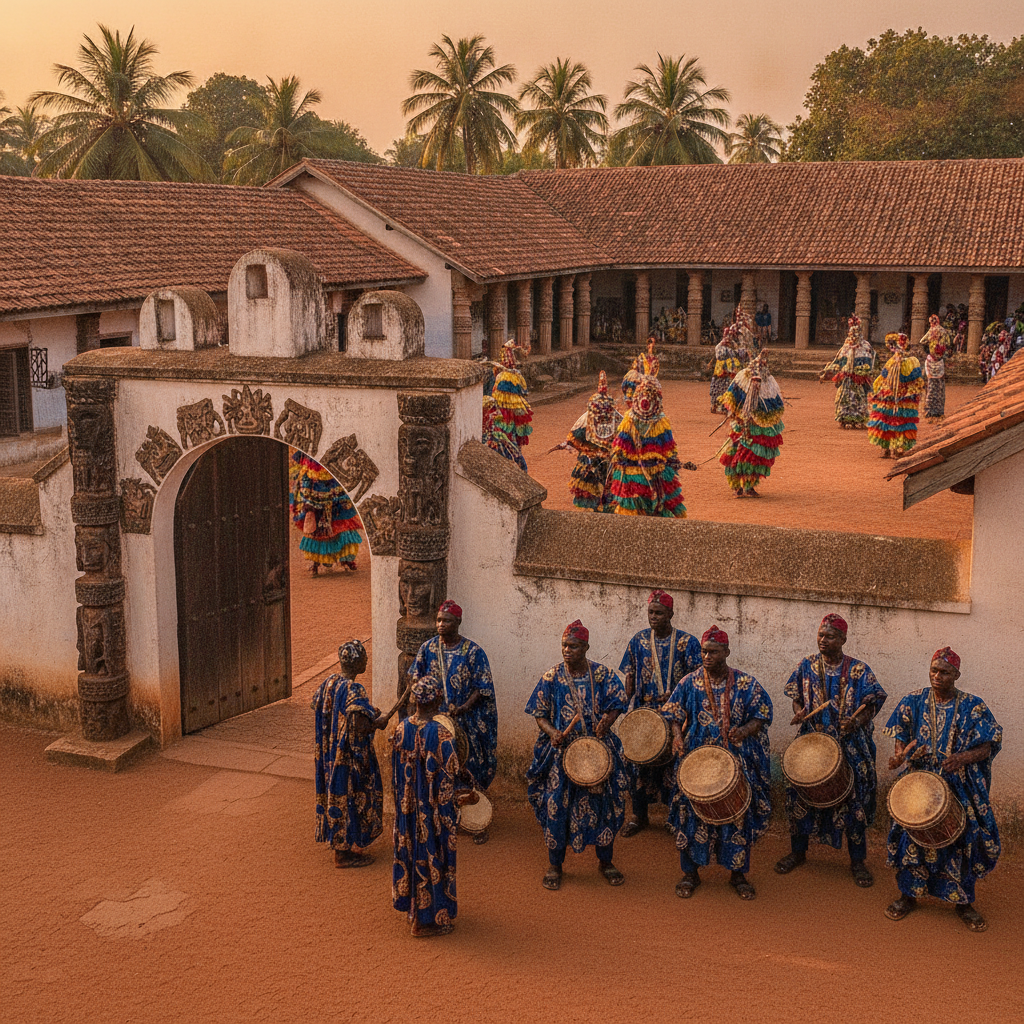
Old Oyo National Park: Ruins of the Yoruba Empire
150 km north of Ibadan, Old Oyo National Park protects the ruins of the greatest city in West African history — the capital of the Oyo Empire that dominated the region from 1400 to 1835
- 1
Oyo Empire Capital Ruins
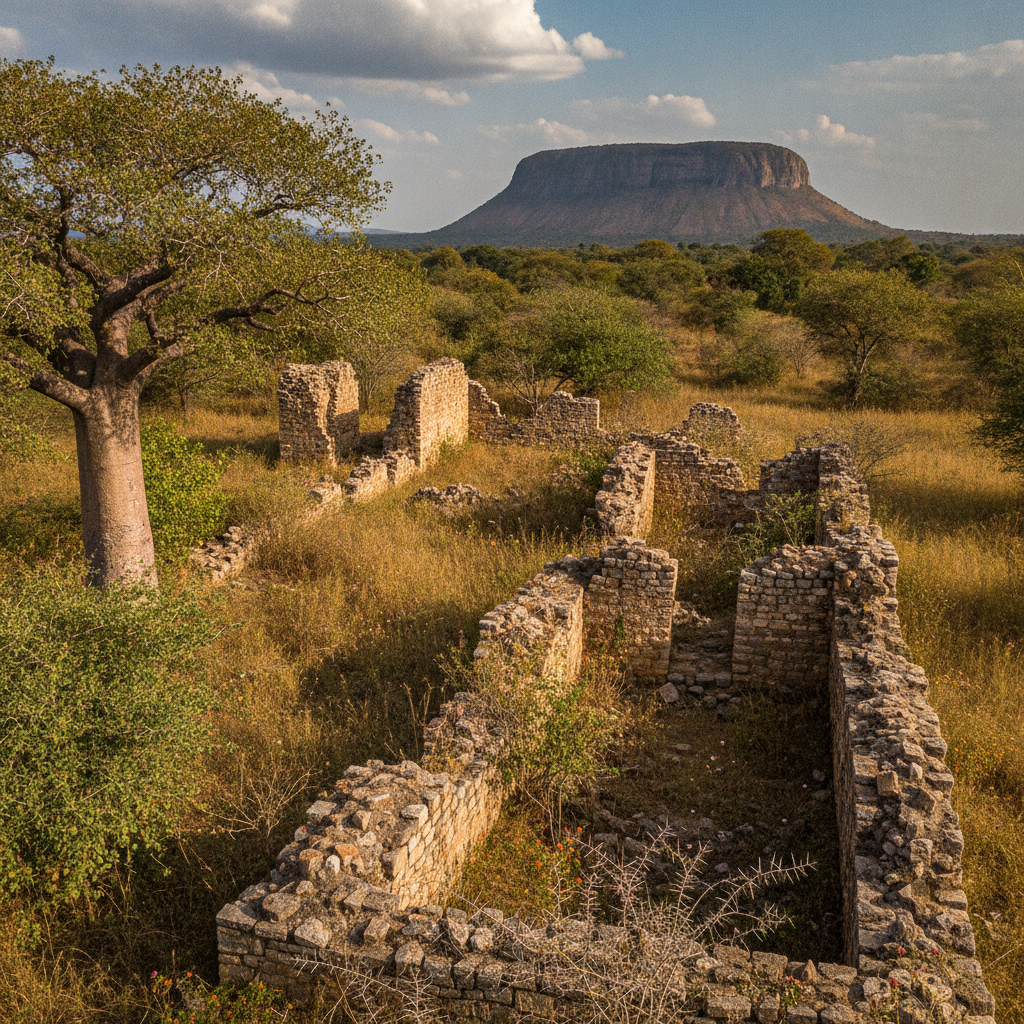
The earthen ramparts and structural remains of the capital of the Oyo Empire are scattered across the savannah park — the scale of the original city visible in the raised ramparts
- 2
Gbere Palace Site Excavation
Archaeological excavations at the Gbere site have revealed palace foundations, pottery and iron objects from the height of Oyo power in the 17th and 18th centuries
- 3
Old Oyo National Park Wildlife
The park around the ruins protects the wild animals of the West African savanna - roan antelope, kob, waterbuck and the occasional lion in a landscape similar to what the kings of Oyo once hunted
- 4
Oyo Oral History Tradition
The Bara priests of Oyo maintain the oral history of the empire – their songs encode the genealogies of kings, deeds of battle and the ritual obligations of royalty
- 5
Return of the Alafin Ceremony
The festival of the Alaafin of Oyo in the city of Oyo (the new capital) celebrates the legacy of the empire – the current Alaafin traces his lineage directly to Oduduwa
- 6
Nupe Riverbank Villages
The northern boundary of the park reaches the Ogun River where Nupe fishing villages have kept their way of life largely unchanged since before the Oyo Empire
Walk this route with audio
Stories play automatically as you reach each stop — no tapping needed.
More in Ibadan
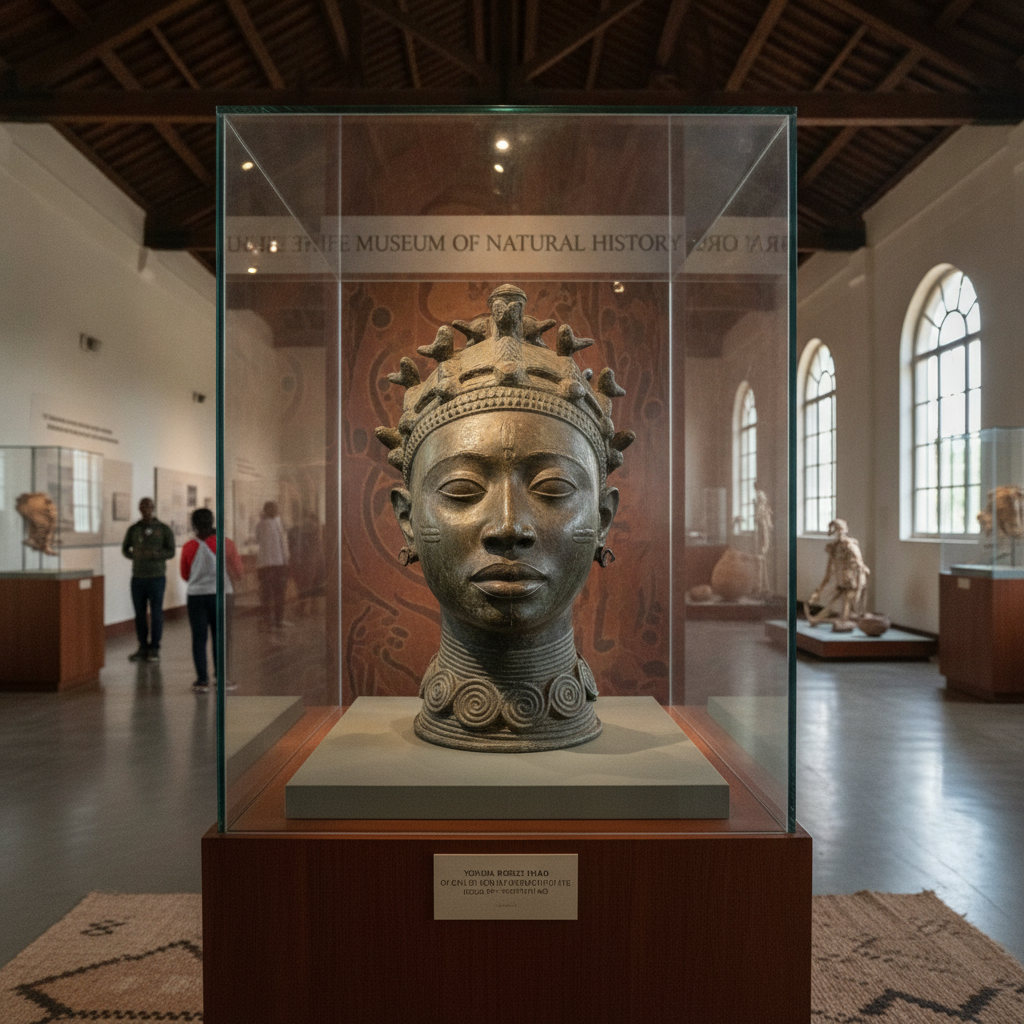
Ile-Ife: City of Creation & World-Class Bronze Museum
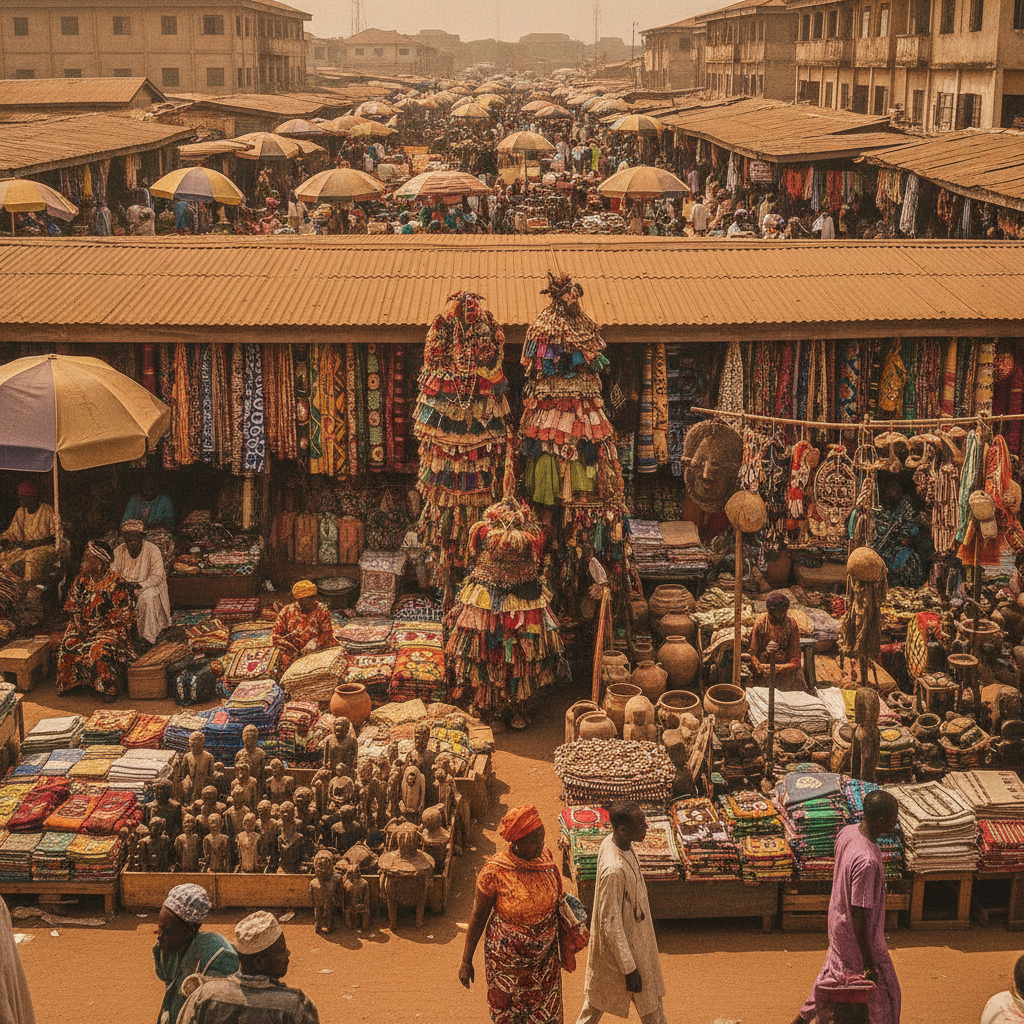
Oje & Beere Markets: Yoruba Antiques, Aso-Oke & Traditional Commerce
University of Ibadan & the Museum of Natural History
Ibadan's Yoruba Cuisine: Amala, Ewedu & Authentic Street Food
Agodi Gardens, Ibadan Zoo & the City's Green Lungs