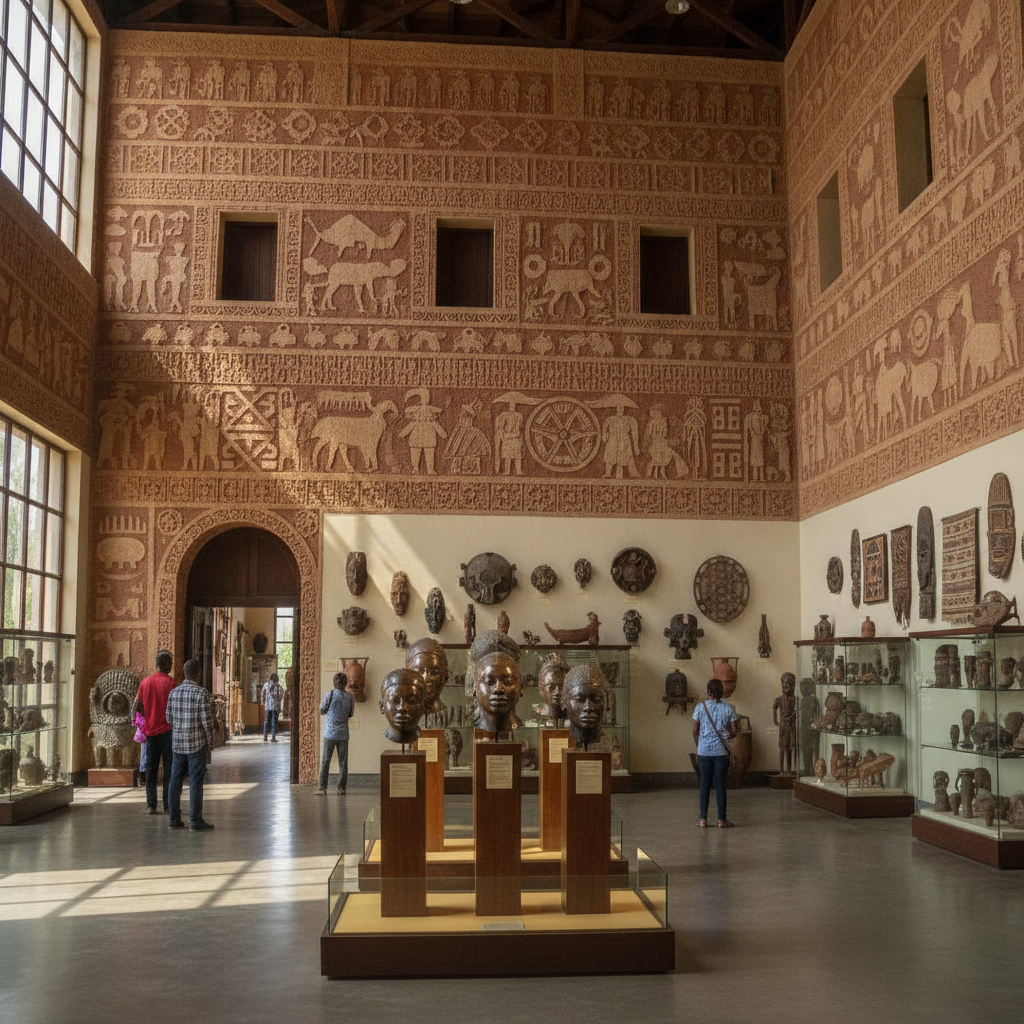


Abuja National Museum & Nigeria's Cultural Heritage
The National Museum in Abuja houses Nigeria's most important archaeological and artistic collections — Nok terracotta, Ife bronze heads, and Benin bronzes that were the foundation of African art history

Abuja Dining & Nightlife: From Suya to Sophisticated Restaurants
Abuja's restaurant scene is Nigeria's most cosmopolitan — from late-night suya meat grills to fine dining in Maitama, the capital feeds diplomats, civil servants, and a wealthy Nigerian elite

Gurara Falls & Abuja's Natural Escapes
Two hours from Abuja, Gurara Falls tumbles dramatically over stepped black rock faces — a popular weekend escape with swimming, picnics, and the roar of falling water in the savanna

Yankari Game Reserve: Elephants at Wikki Warm Springs
Six hours from Abuja, Yankari is Nigeria's most visited national park — famous for its warm spring where elephants, baboons, and warthogs drink alongside swimmers in crystal-clear water

National Mosque, Cathedral & Abuja's Interfaith Architecture
Abuja was planned to reflect Nigeria's religious diversity — the National Mosque and the National Christian Centre face each other across the ceremonial axis, a deliberate act of plural architecture

Abuja Arts & Crafts Village: Nigerian Traditional Art Market
The Arts and Crafts Village is Abuja's best market for Nigerian traditional art — Nupe brasswork, Yoruba masks, Igbo carved doors, and Hausa leatherwork from across Nigeria's cultural regions

Aso Rock & Abuja's Planned City Architecture
Aso Rock is Abuja's defining feature — a 400-metre granite monolith that gave the presidential palace its name and anchors one of Africa's most deliberately planned capital cities

Nigerian Society: Naming Ceremonies, Ankara Fashion & Abuja Life
Abuja concentrates Nigeria's political, business, and cultural elite — the naming ceremonies, owambe parties, and Ankara fashion that define modern Nigerian society are on full display in the capital