Gilgit Ismaili Culture and Aga Khan Development
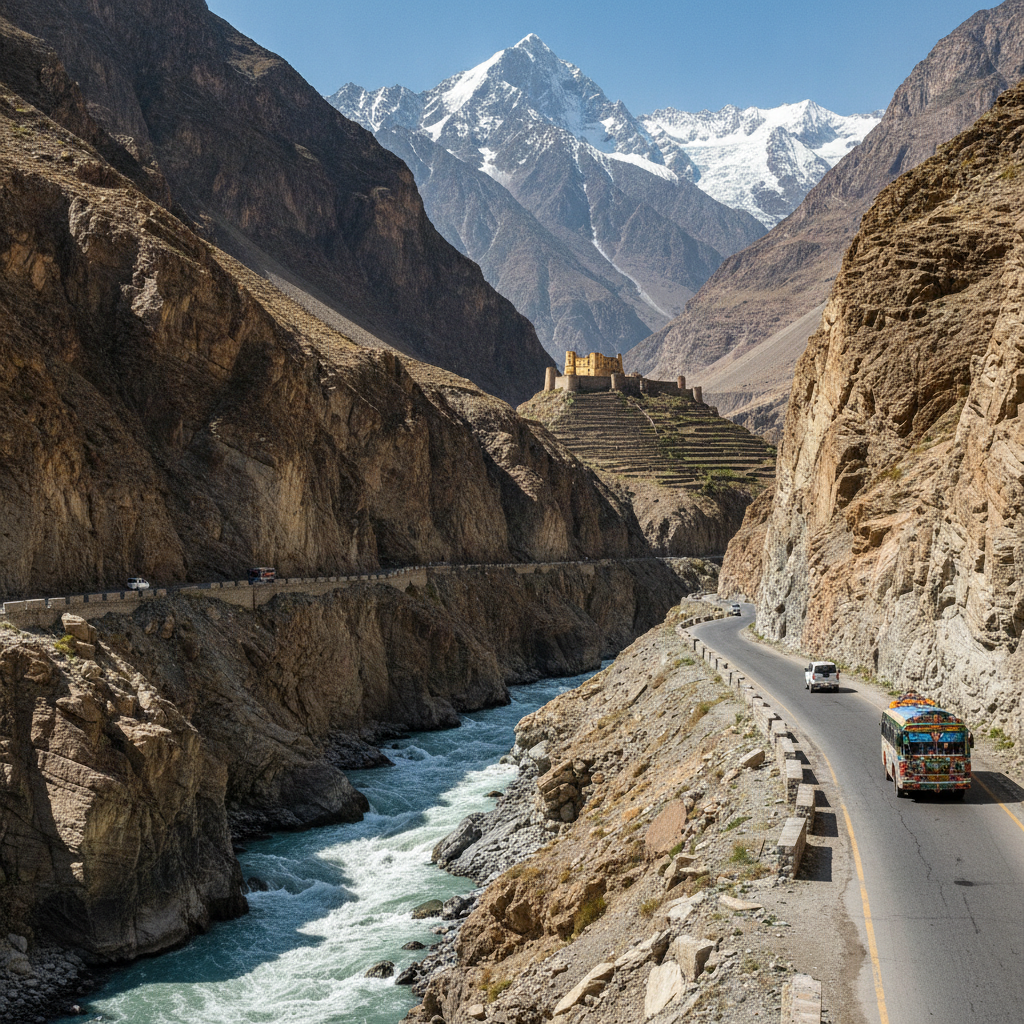
Understand the unique Ismaili Muslim culture of Gilgit-Baltistan — the community that follows the Aga Khan as imam and has embraced education, development, and pluralism as religious values, creating the most literate and gender-equal society in rural Pakistan with the support of the Aga Khan Development Network that has transformed the mountain region.
- 1
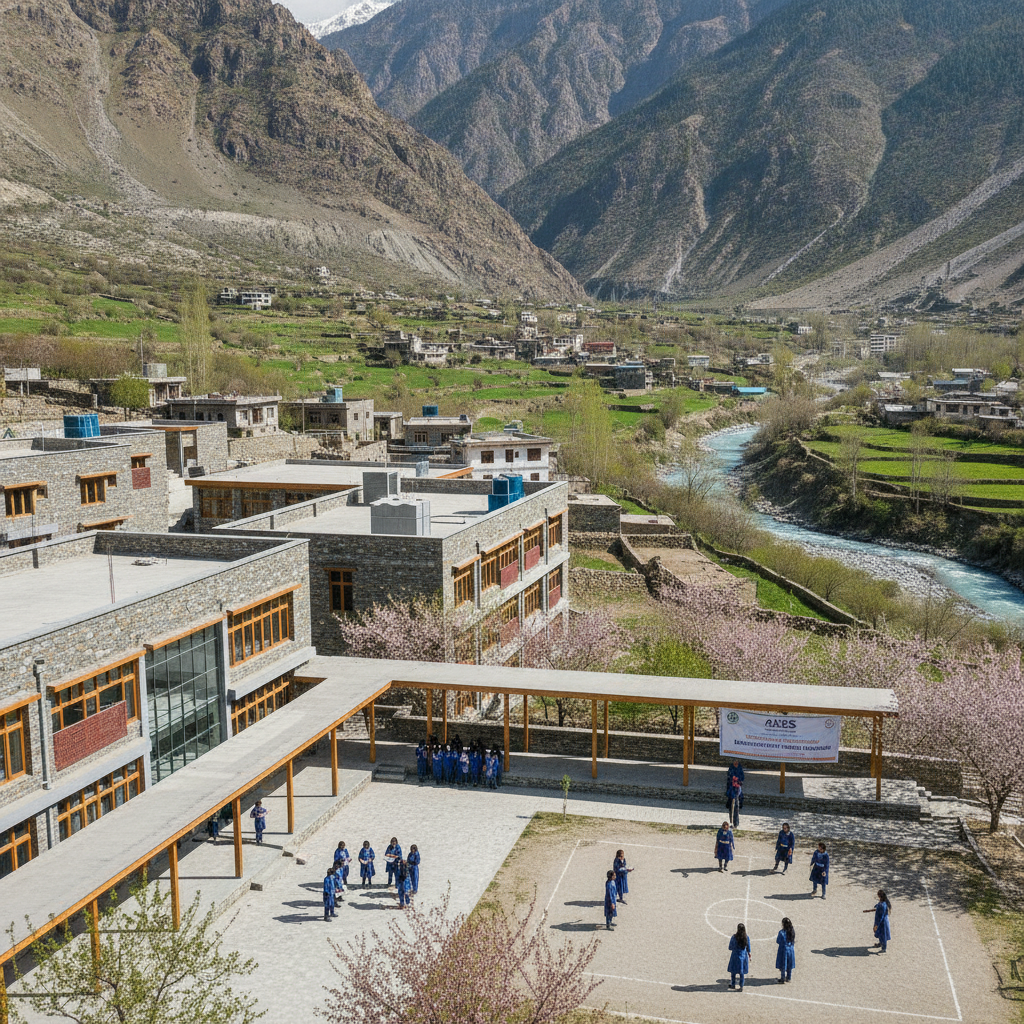
Aga Khan Education Services School
An Aga Khan Education Services school in the Gilgit valley — the network of schools that has achieved near-universal literacy in the Ismaili communities of Gilgit-Baltistan, with notably high female enrollment in a region where girls' education was historically restricted, the educational achievement visible in the community's professional workforce.
- 2
Ismaili Jamat Khana
The Ismaili community center (Jamat Khana) — the prayer and community gathering space that functions as both mosque and social center, the Ismaili practice of prayer being more informal and meditative than Sunni or Shia traditions, the Jamat Khana reflecting the community's values of education, health, and service.
- 3
Karakoram Area Development Organization
A cooperative or community organization supported by the Aga Khan Rural Support Programme — the network of village organizations that has channeled development funds into irrigation, road building, and microfinance in the mountain villages, transforming the subsistence economy of Gilgit-Baltistan over four decades.
- 4
Mountain Craft Workshop
A craft workshop producing the traditional wooden furniture, carved doors, and embroidered textiles of the Gilgit-Baltistan mountain tradition — the Aga Khan Cultural Service supporting the documentation and revival of mountain craft traditions that were being lost to mass-produced alternatives.
- 5
Gilgit Women's Enterprise
A women's enterprise supported by the development network — the embroidery cooperatives, dried fruit processing units, and handicraft businesses that have given Ismaili women of Gilgit-Baltistan economic independence and participation in the formal economy unusual in rural Pakistan.
- 6
Hindu Kush Conservation Tour
A community conservation initiative protecting the snow leopard habitat in the mountain valleys — the trophy hunting program that gives financial value to living snow leopards, creating economic incentives for herder communities to protect rather than kill the big cats that prey on their livestock.
Walk this route with audio
Stories play automatically as you reach each stop — no tapping needed.
More in gilgit
Gilgit Ancient Silk Road and Buddhist Kingdom History
Gilgit Shimshal Valley Remote High Altitude Trekking
Gilgit to Skardu Indus Canyon Road Journey
Gilgit Phander Valley Lakes and Ghizer River