Qumran and the Dead Sea Scrolls
Visit Qumran, where Bedouin shepherds discovered the Dead Sea Scrolls in 1947, exploring the ancient Essene settlement and the caves where these extraordinary biblical manuscripts were hidden 2,000 years ago.
- 1
Qumran National Park
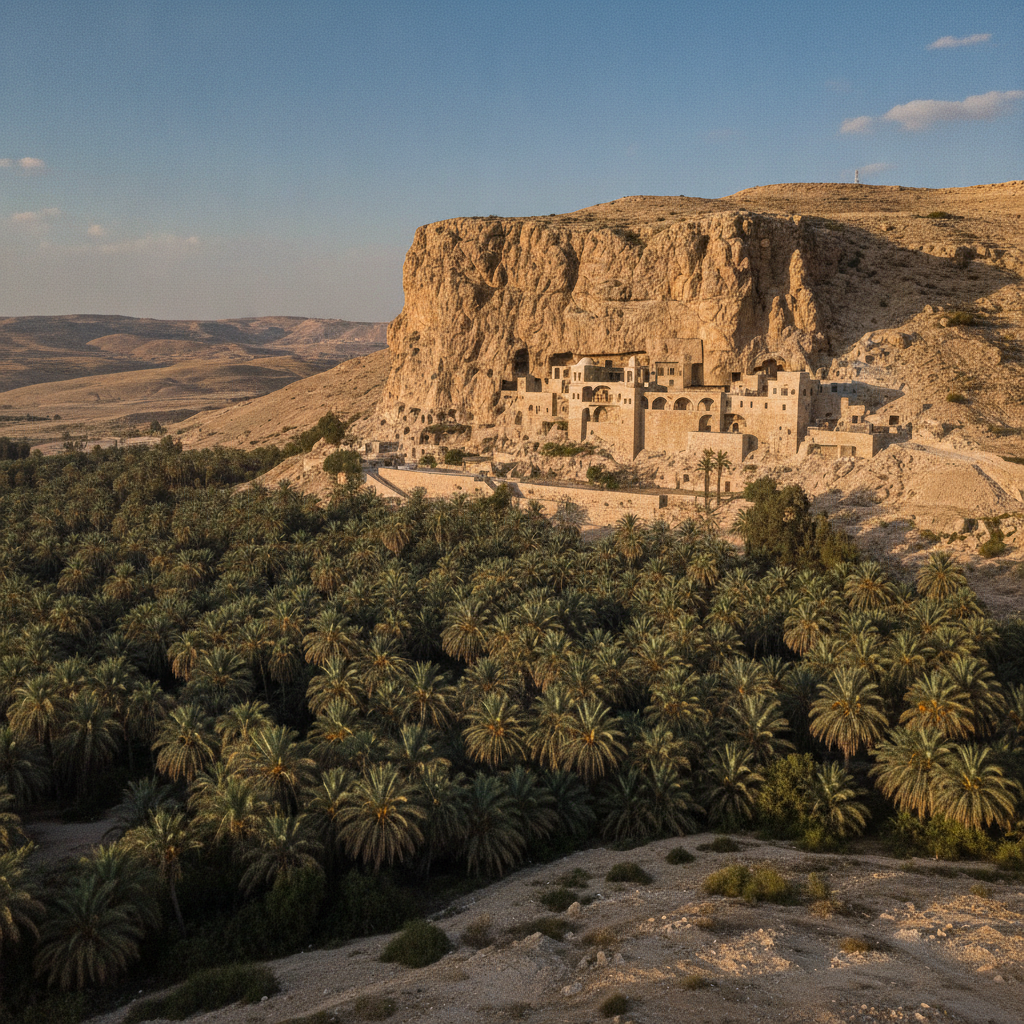
Arrive at Qumran National Park where the ruins of the ancient Essene community settlement spread across the desert plateau, the sect that wrote or collected the Dead Sea Scrolls living here from around 150 BCE to 68 CE.
- 2
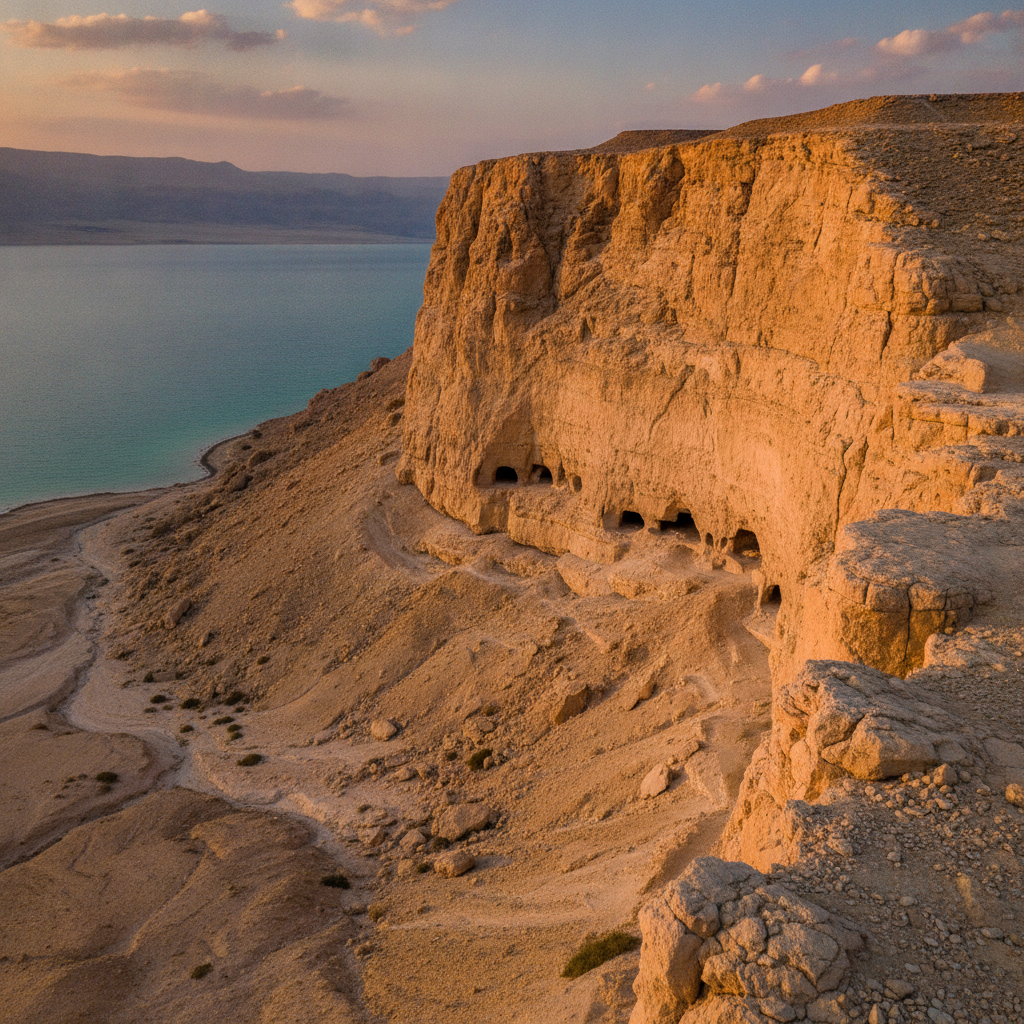
Cave 4
See Cave 4, the most productive of the Qumran caves where over 15,000 manuscript fragments representing nearly all the books of the Hebrew Bible were found, the greatest manuscript discovery of the 20th century.
- 3
Scriptorium
Visit the scriptorium, the room where scholars believe Essene scribes copied biblical texts and composed their own sectarian documents, the inkwells and writing tables preserved in the excavated ruins.
- 4
Mikveh Pools
See the network of ritual bath pools throughout the Qumran complex, the Essene community obsession with ritual purity requiring constant immersion documented in the stepped pools that filled from winter flash floods.
- 5
Scroll Discovery Cave 1
Hike to Cave 1 where Bedouin shepherd Muhammad edh-Dhib first discovered the scrolls in 1947, the clay jars containing the manuscripts still standing undisturbed for nearly 2,000 years until that accidental discovery.
- 6
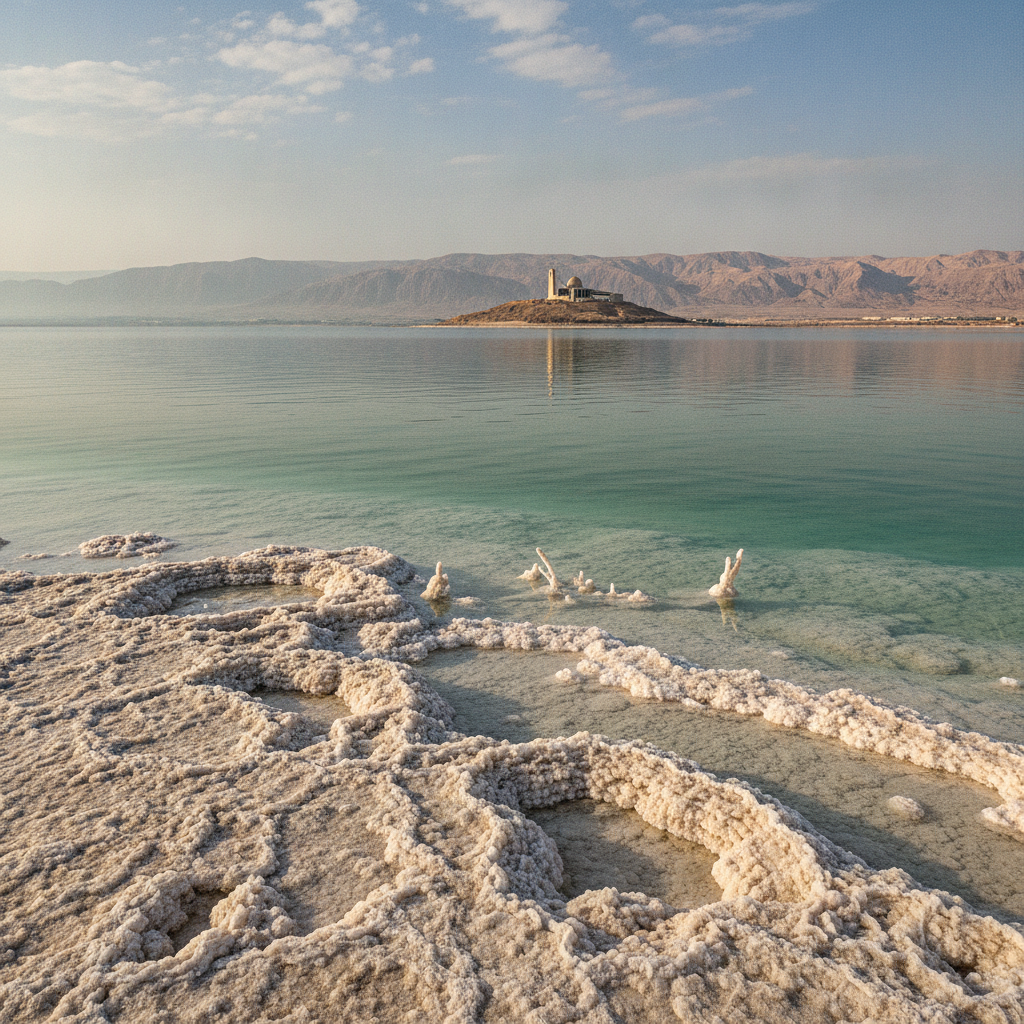
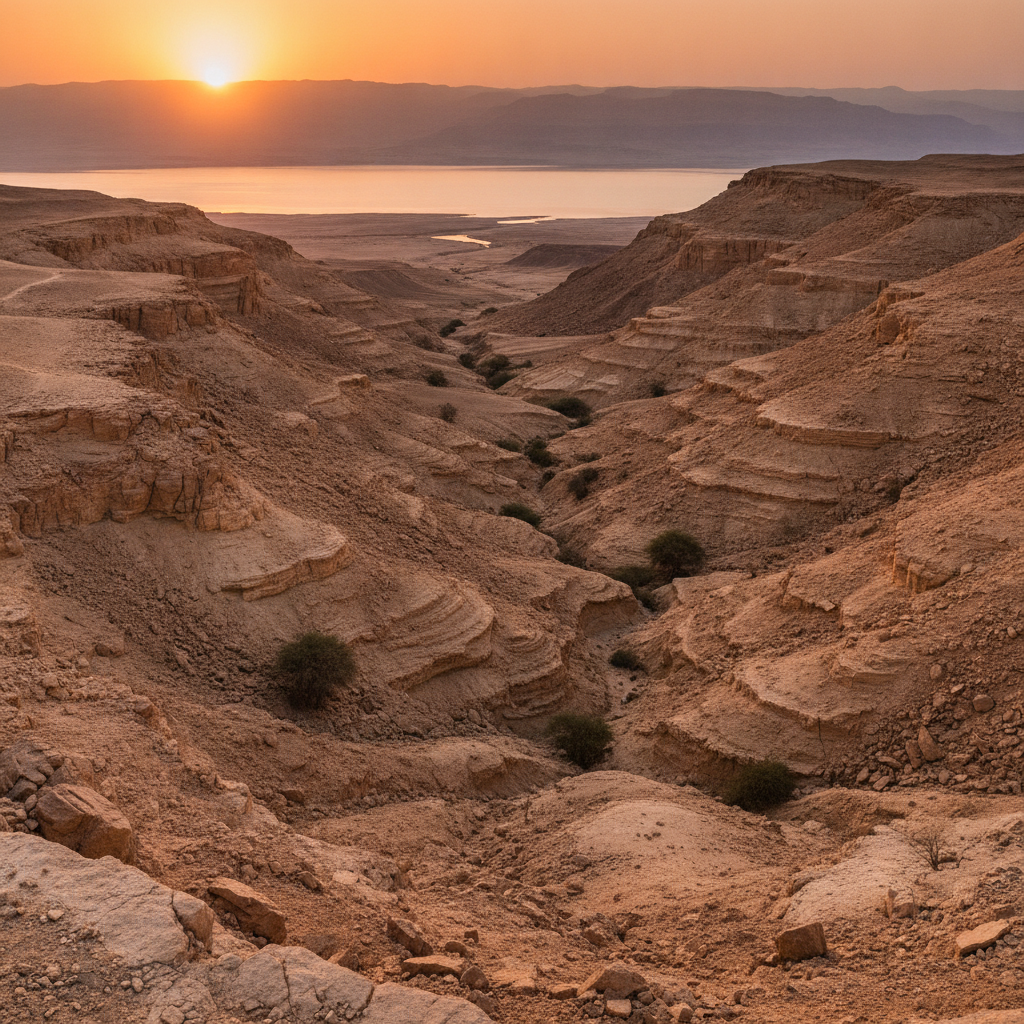
Dead Sea View from Qumran
Take in the view from Qumran over the Dead Sea, the same view the Essenes had from their desert monastery as they awaited the apocalyptic battle they believed would soon end the world and vindicate their community.
Walk this route with audio
Stories play automatically as you reach each stop — no tapping needed.