Dead Sea Industry and Ecology
Understand the ecological crisis and industrial story of the Dead Sea, where the water level drops a meter per year due to water diversion, while the southern basin evaporation ponds produce potash and the mineral industry faces an uncertain future.
- 1
Dead Sea Works Panorama
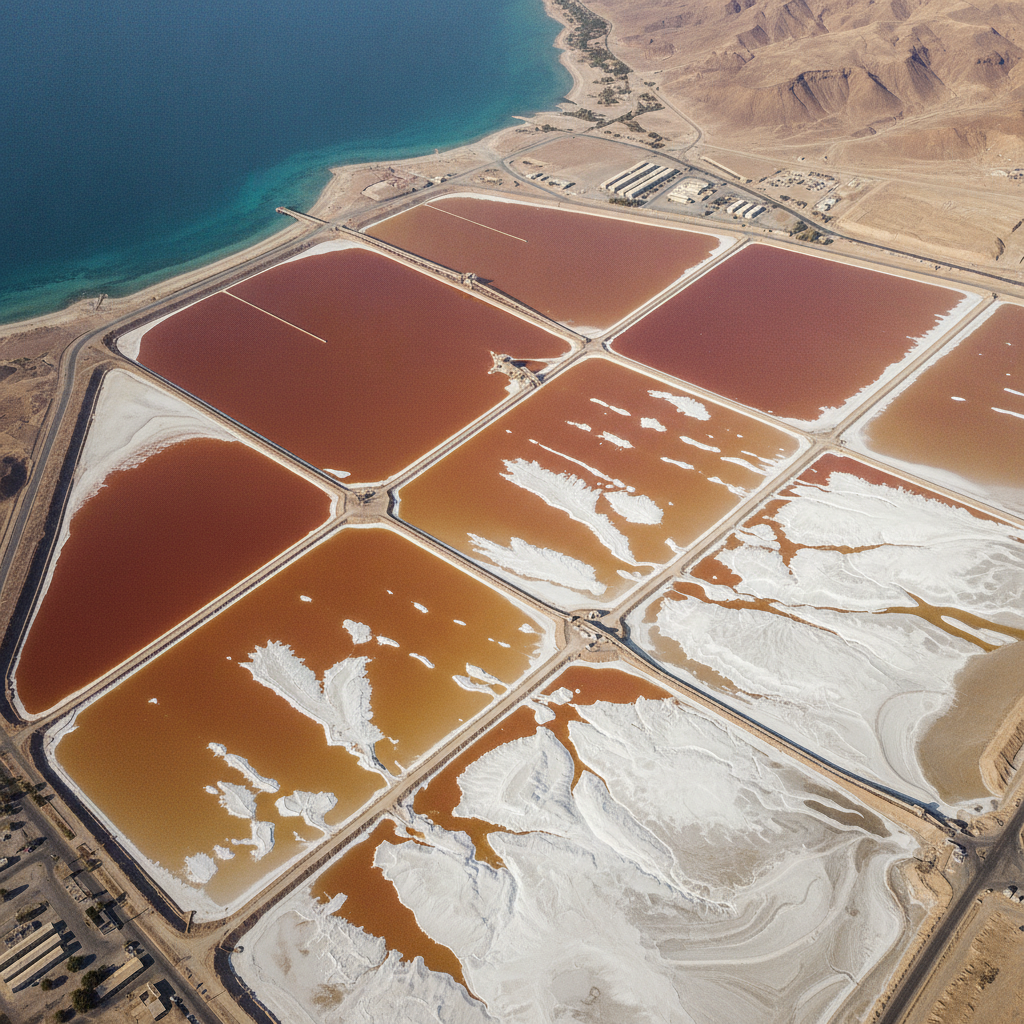
View the Dead Sea Works facility from above where the southern basin has been divided into evaporation ponds for potash extraction, the chemical rich brine creating extraordinary patterns of red, orange, and pink depending on the algae present.
- 2
Shrinking Sea Markers
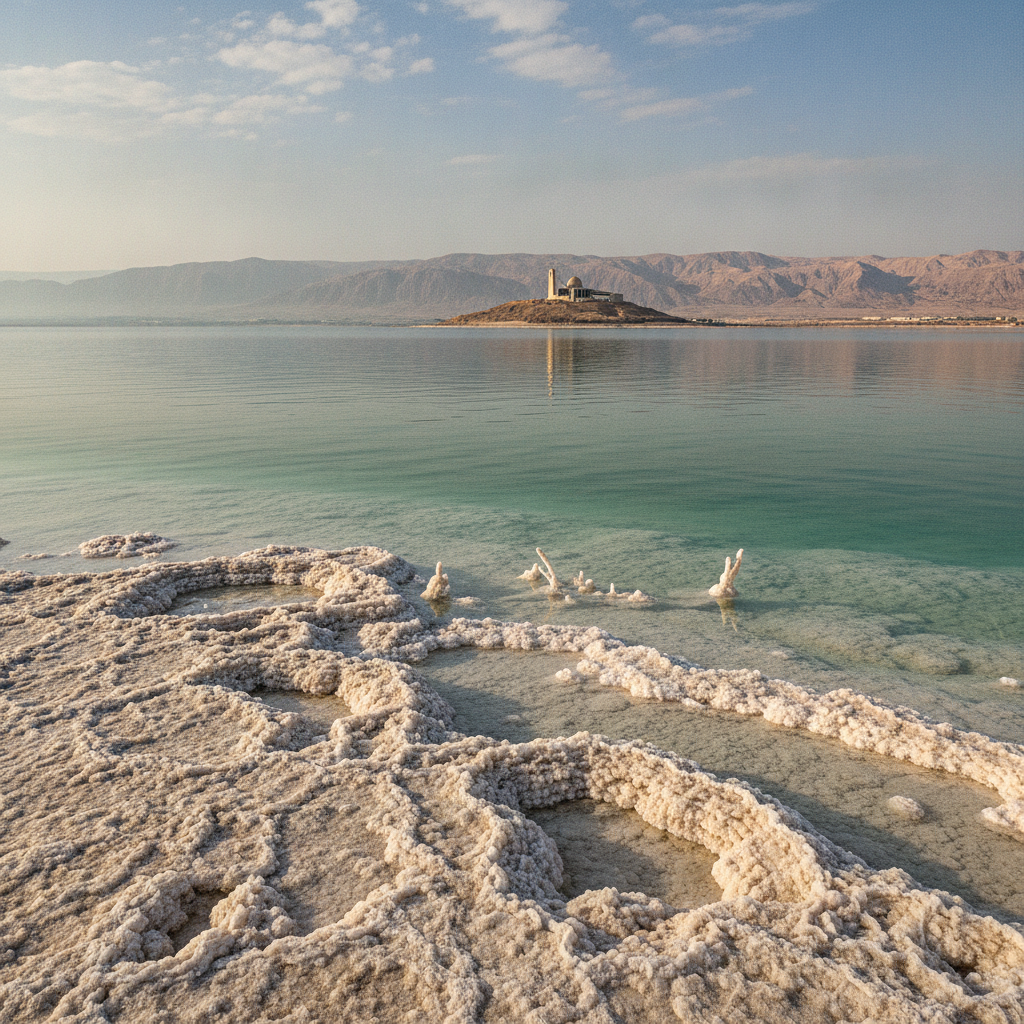
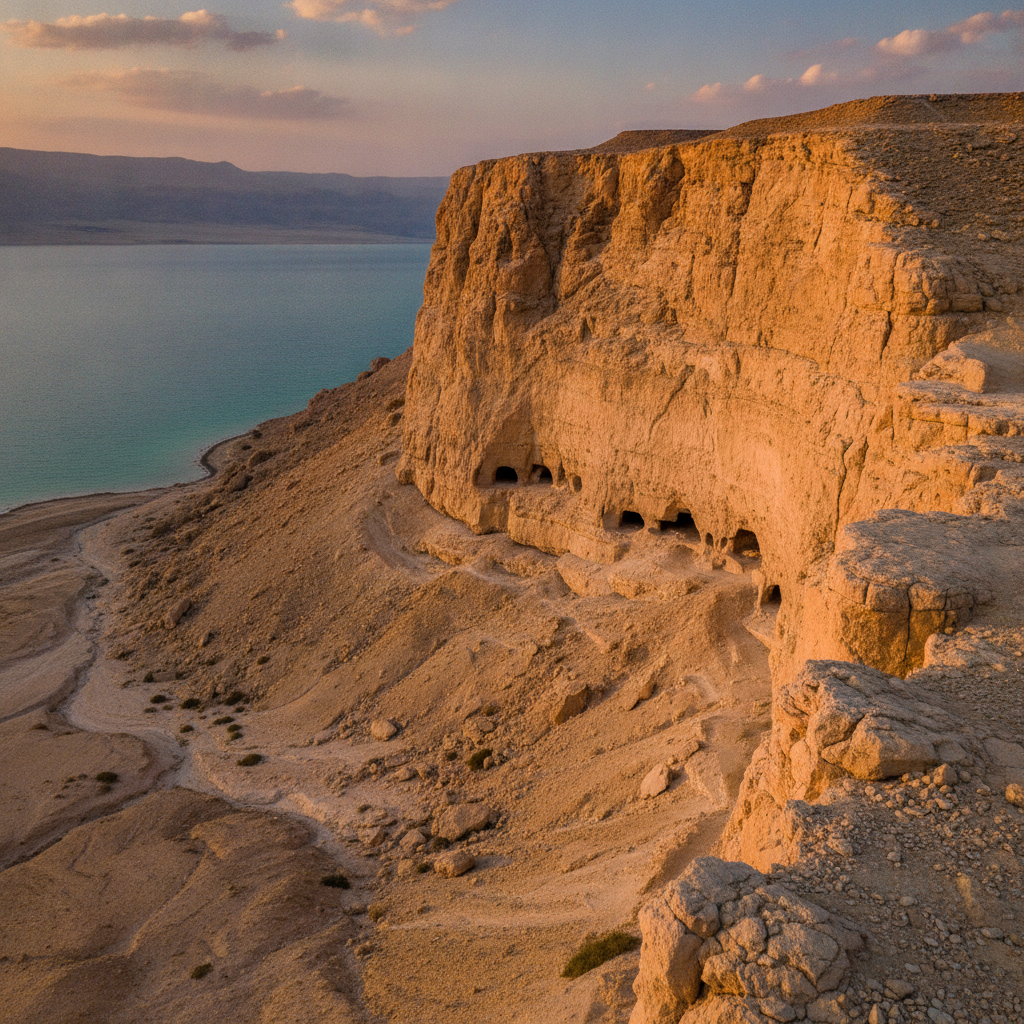
See the dramatic evidence of the Dead Sea receding shoreline where old hotel buildings, beaches, and infrastructure from the 1970s now stand hundreds of meters from the current waterline, the sea having dropped over 40 meters.
- 3
Sinkholes Area
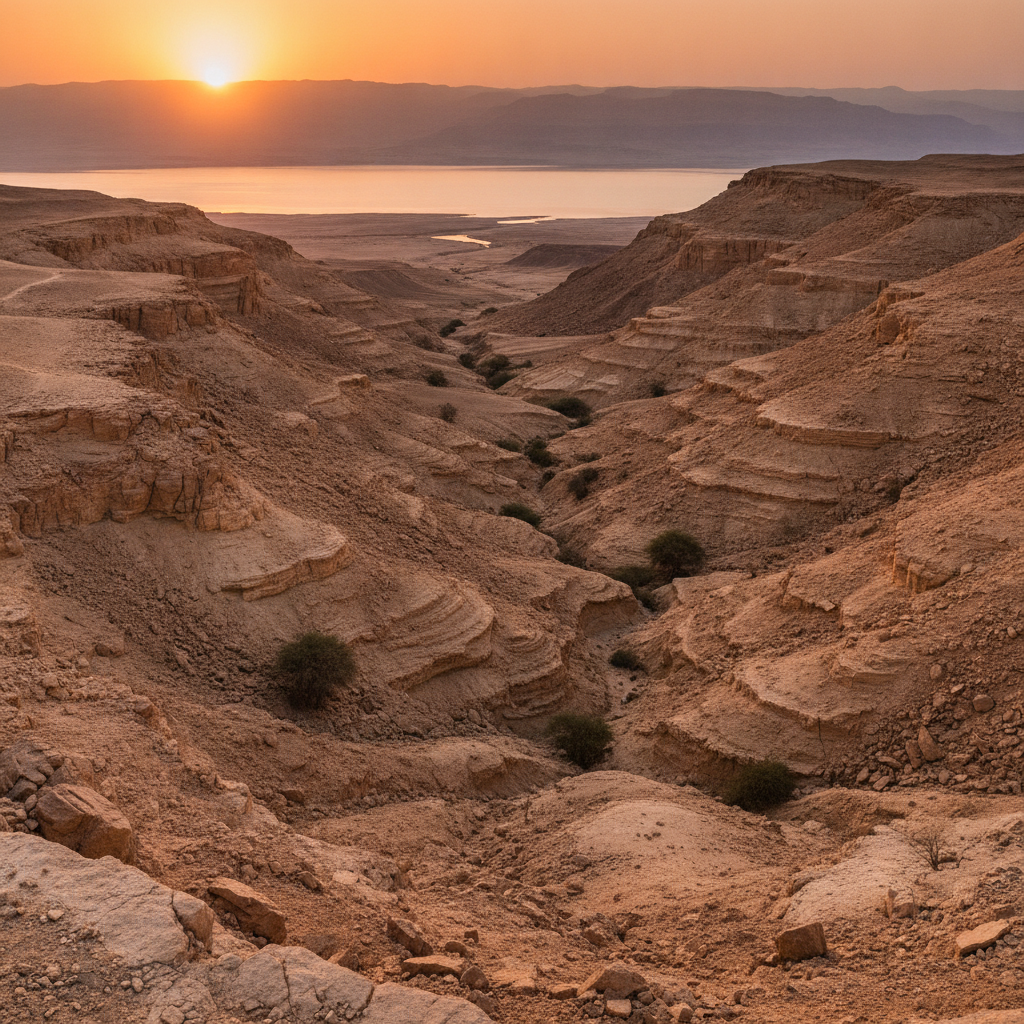
Observe the sinkholes that appear along the former Dead Sea shoreline as underground salt deposits dissolve when fresh groundwater flows into the spaces left by the retreating sea, creating unstable terrain that swallowed roads and fields.
- 4
Mineral Products Exhibition
Learn about the Dead Sea mineral products including potash fertilizer, cosmetic minerals, and the famous Dead Sea Works operations that extract potassium, bromide, and magnesium from the concentrated brine.
- 5
Environmental Research Station
Visit the environmental research station monitoring the Dead Sea ecology and the proposed Red Sea-Dead Sea canal that would bring water from the Gulf of Aqaba to reverse the decline, a major international environmental infrastructure project.
- 6
Historical Shoreline Walk
Walk the historical shoreline where markers show where the water stood in 1960, 1980, and 2000, the receding sea a visible demonstration of one of the Middle East most dramatic ecological changes in human memory.
Walk this route with audio
Stories play automatically as you reach each stop — no tapping needed.