Southern Cassowary Trail & Forest Walk
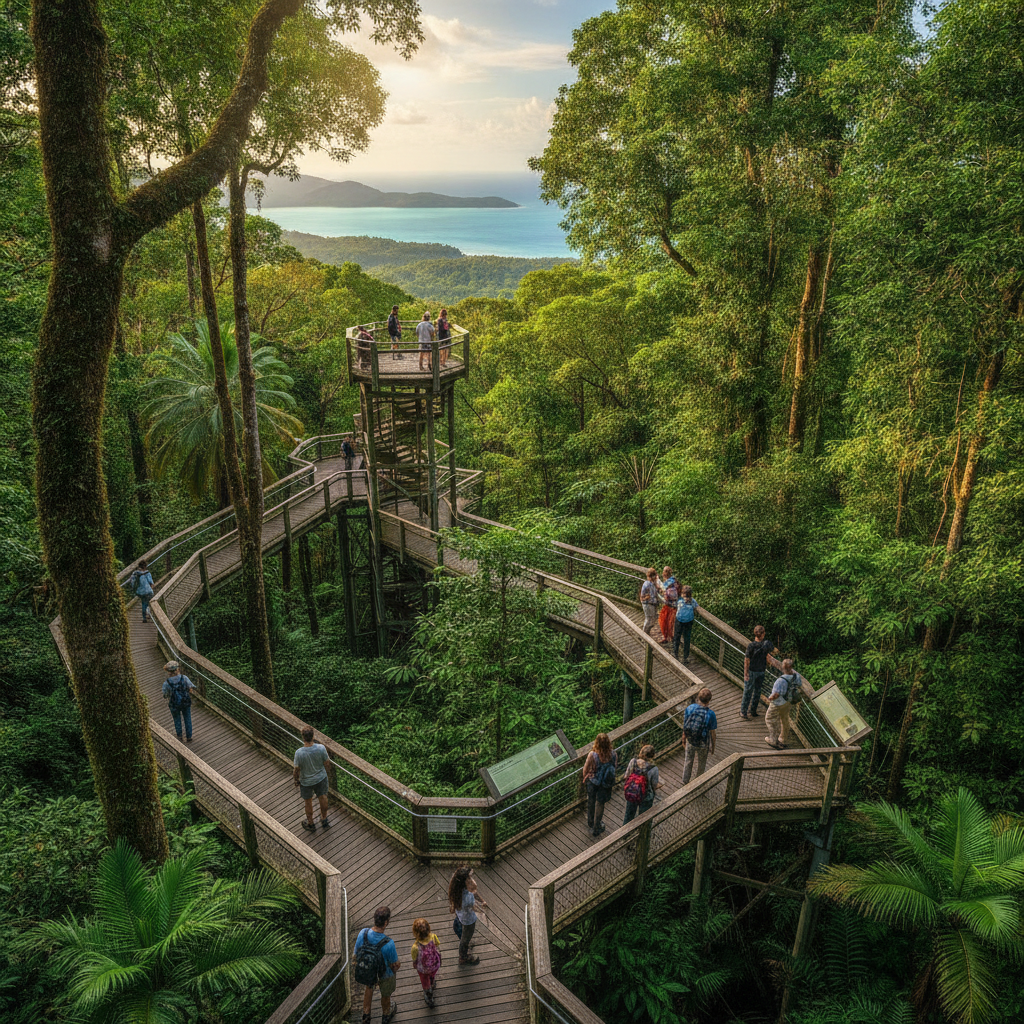
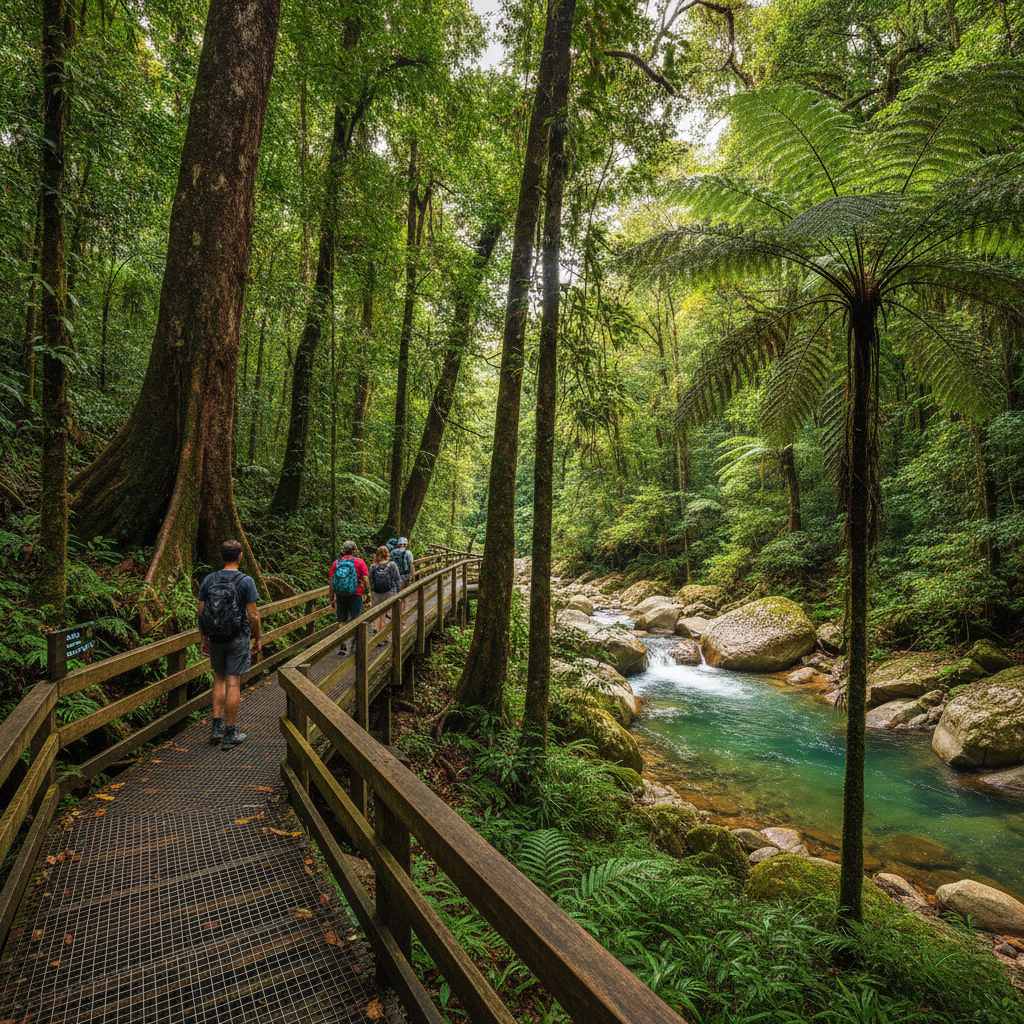
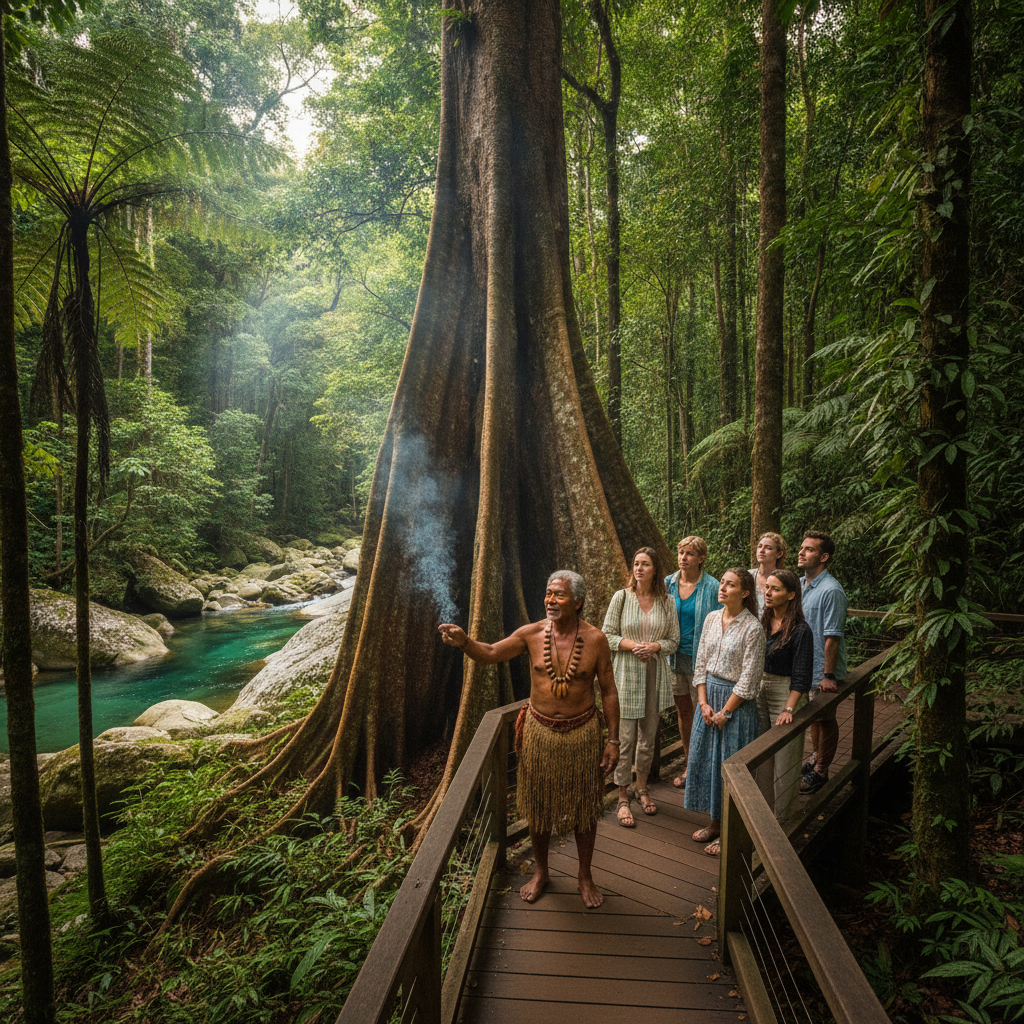
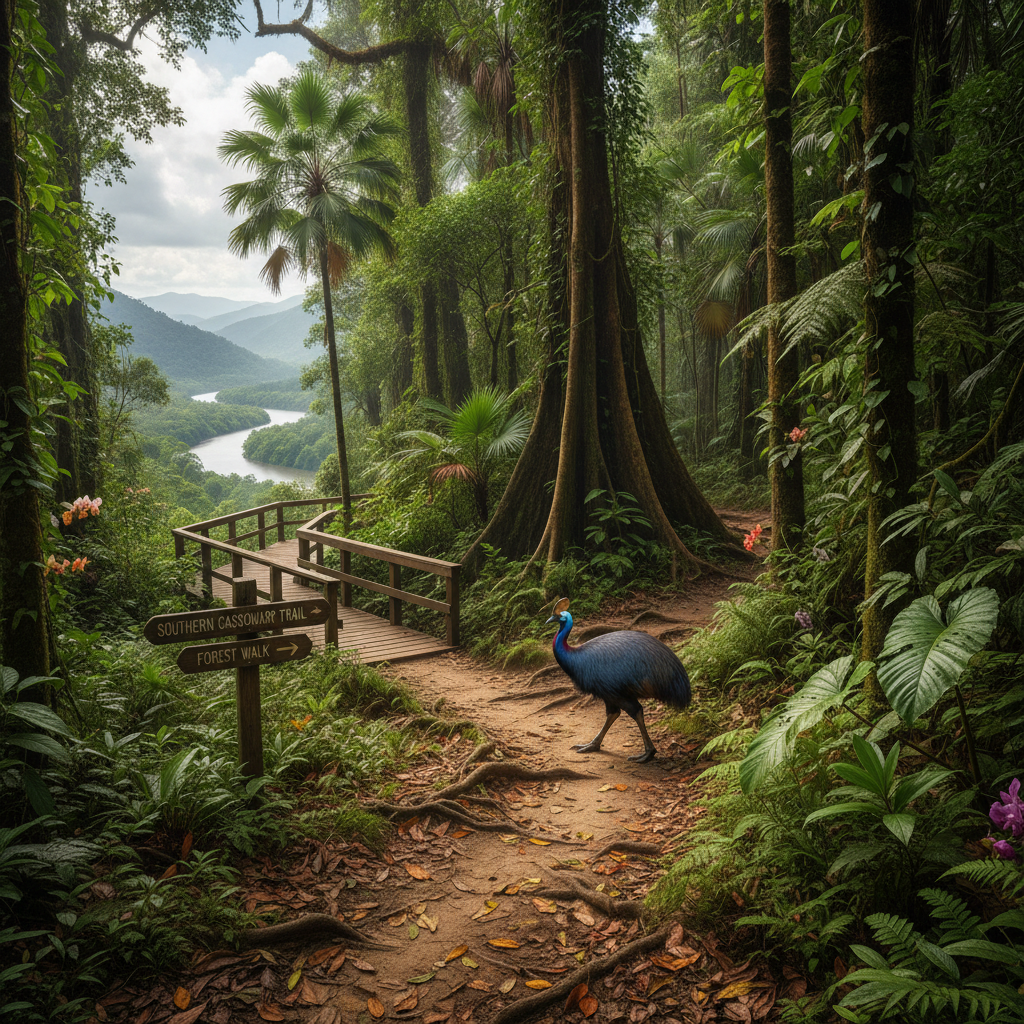
Walk the forest trails north of the Daintree ferry crossing in the best habitat for southern cassowary encounters — the keystone species of the rainforest whose seed dispersal maintains the diversity of the ancient ecosystem.
- 1
Cooper Creek Wilderness Area
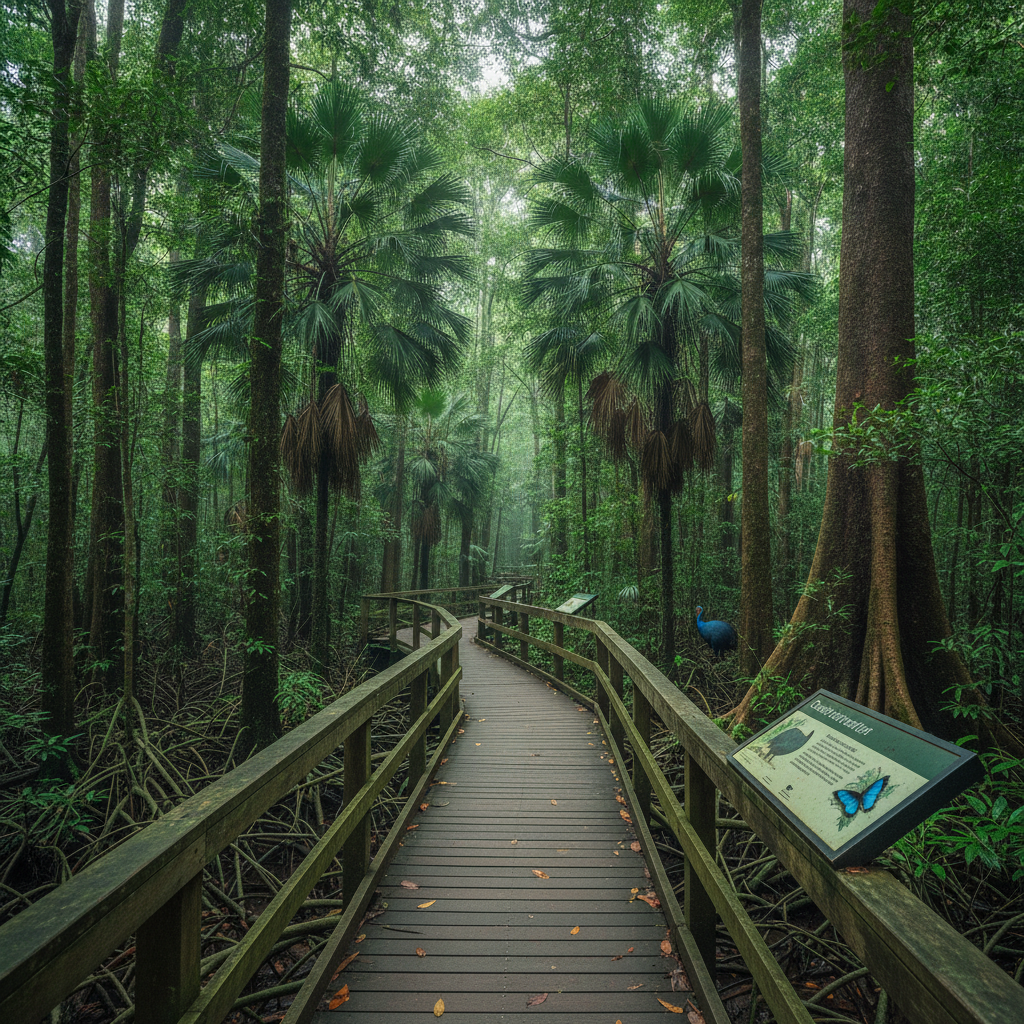
The Cooper Creek area north of Cape Tribulation is prime cassowary habitat — the dense rainforest with abundant fruiting trees provides the food resources that support one of the healthiest cassowary populations in the Daintree.
- 2
Cassowary Encounter Zone
Cassowaries are encountered year-round in the Daintree, but most frequently from December to June when females nest and males raise chicks — encountering a male with 3 chicks in the forest understorey is one of the great wildlife experiences of Australia.
- 3
Fruiting Fig Tree
A large Ficus in the forest interior produces fruit year-round — the tree is a gathering point for cassowaries, spectacled flying foxes, and the fruit-eating birds that represent the forest's seed dispersal network.
- 4
Forest Floor Fungi
The Daintree forest floor is covered in fungi of extraordinary diversity — mycorrhizal networks connect the trees underground, and the fruiting bodies that appear after rain are indicators of the fungal richness that underlies the entire ecosystem.
- 5
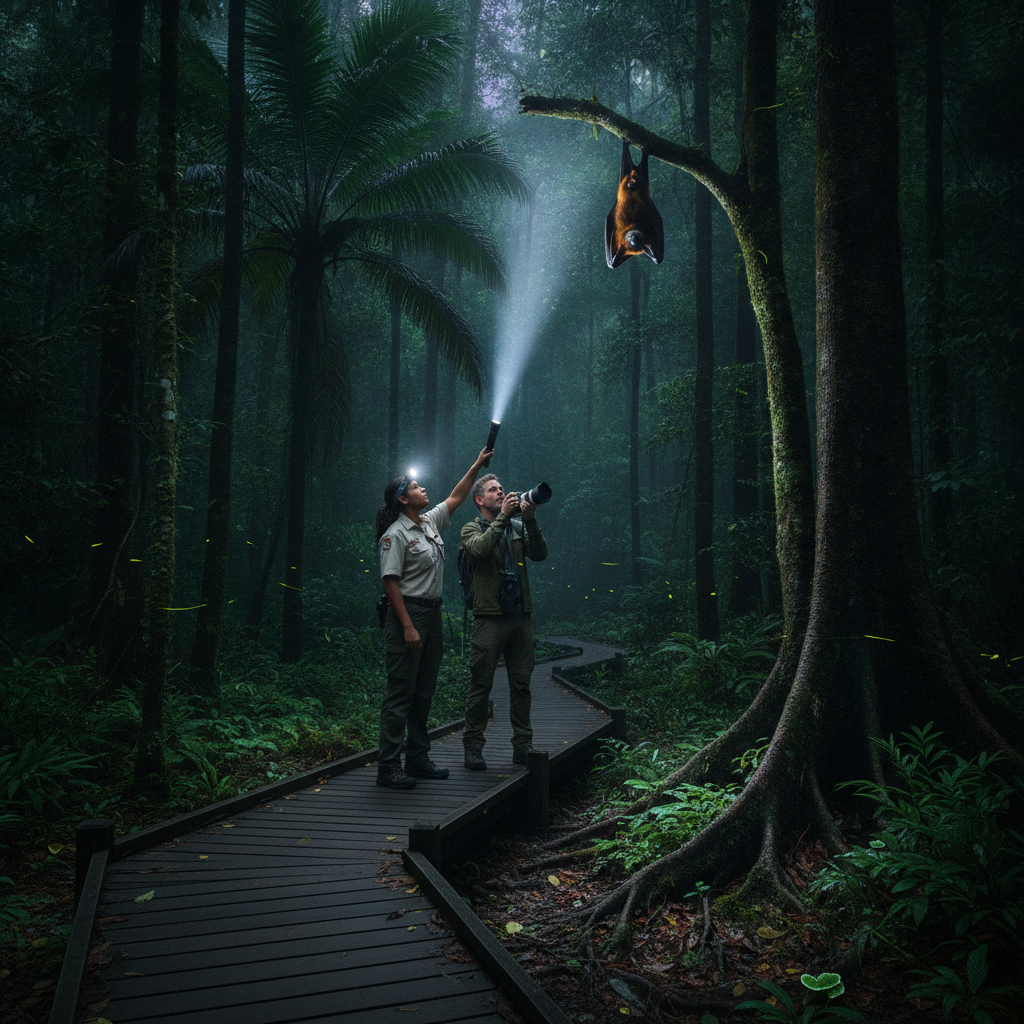
Rainforest Night Walk
Night walks in the Daintree reveal the nocturnal dimension of the rainforest — tree kangaroos, green tree pythons, and Boyd's forest dragons are all nocturnal, and the chorus of insects and frogs is overwhelming in its volume and variety.
- 6
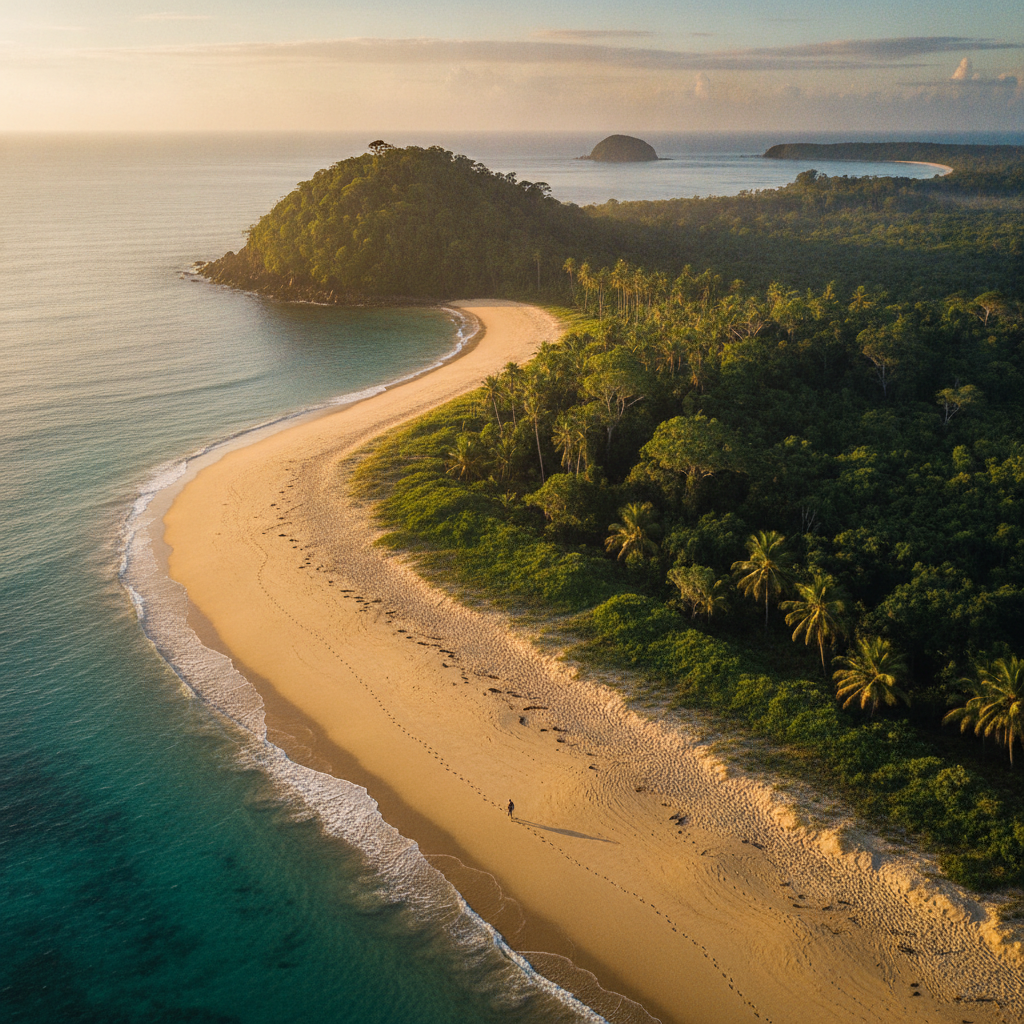
Emmagen Beach
Emmagen Beach at the northern limit of the road system is the most remote beach in the Daintree — the track ends here, and the rainforest and reef continue north in complete wilderness accessible only by foot or boat.
Walk this route with audio
Stories play automatically as you reach each stop — no tapping needed.