Bursa Silk Heritage: The Koza Han Cocoon Auction, the Ottoman Silk Industry Peak, the Bursa Ipek Silk Textile Tradition, the Silk Route Connection, and the Modern Silk Fabric Market
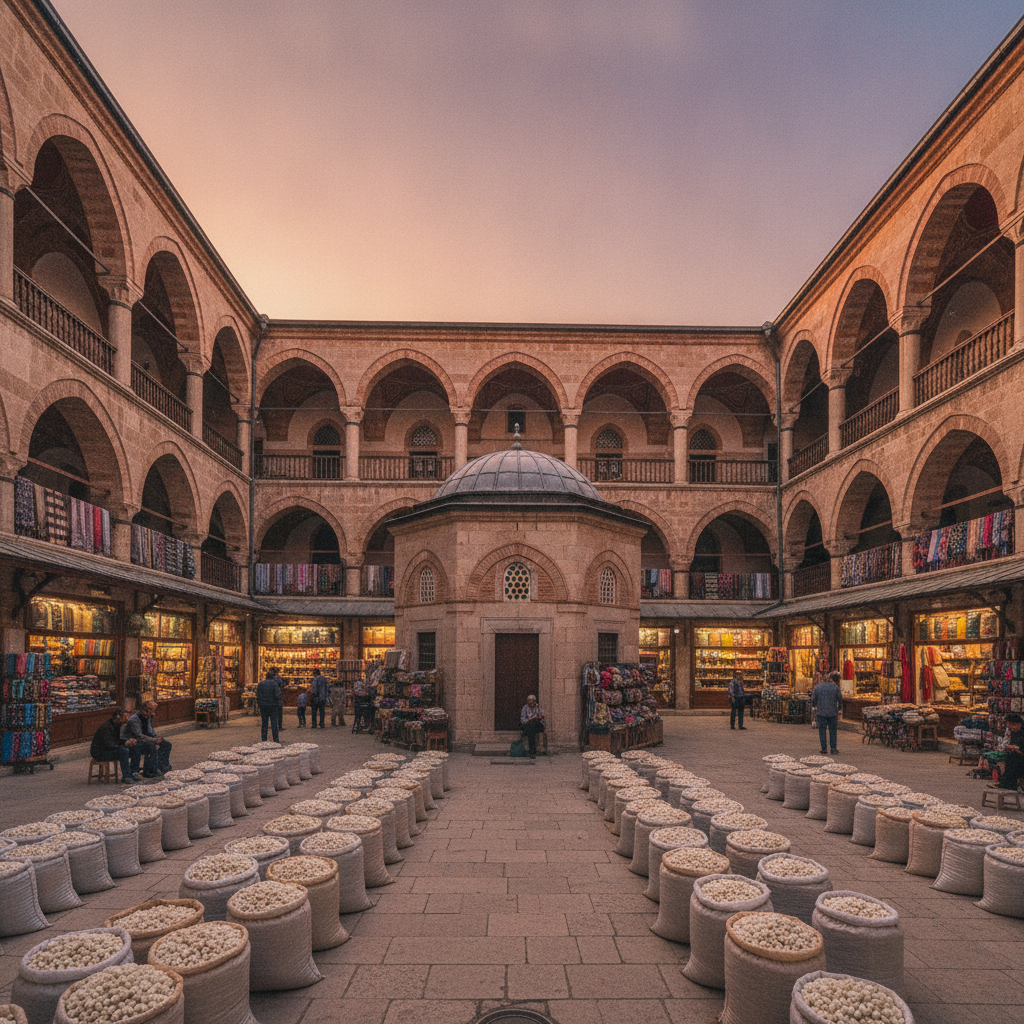
The Bursa silk heritage route covers the Koza Han as the center of the world silk trade in the 15th and 16th centuries, the cocoon auction tradition still held in the han courtyard in June, the Ottoman silk industry at its global peak, the Bursa ipek (silk) woven textile tradition, and the modern silk fabric and accessory market in the bazaar.
- 1
Bursa Silk: The World Silk Market Capital
Bursa was the western terminus of the central Asian silk road from the 13th to the 17th centuries and the city where the raw silk from China and the Caspian silk-producing regions was traded, woven into the most technically sophisticated silk fabrics in the Islamic world, and sold to the European merchants who shipped it to the luxury textile markets of Venice, Genoa, and Bruges. The Bursa silk weaving workshops, concentrated in the bazaar quarter around the Koza Han, produced the Bursa silk brocade (kemha), the velvet (kadife), and the embroidered silk (seraser) that dressed the Ottoman court and supplied the most expensive single fabric market in 15th century Europe.
- 2
Koza Han Cocoon Auction: The June Tradition
The June cocoon auction in the Koza Han courtyard is the oldest continuously operating single commodity market event in Turkey, held each year when the mulberry-fed silkworm cocoons from the Bursa region and the Bilecik province are brought to the han by the farmers and auctioned to the silk reeling factories. The Bursa cocoon auction is the last surviving raw silk commodity market in Turkey and the most direct connection to the Ottoman silk trade heritage. Visitors in late June can observe the cocoon sacks, the auction procedure, and the silk factor buyers in the most atmospherically authentic single trading event available in the Bursa bazaar quarter.
- 3
Ottoman Silk Industry: The Global Peak
The Ottoman Bursa silk industry reached its global commercial peak in the 16th century under Suleyman the Magnificent when the Bursa silk weaving workshops produced the most technically complex single silk textiles in the world. The Venetian merchants who dominated the European Bursa trade had their own han (Fondaco) in the city and the Bursa silk register of the 16th century is the most detailed single commercial document of the Ottoman textile economy. The Ottoman silk industry declined in the 17th and 18th centuries as European competition increased and the silk cultivation in the Bursa region decreased, and the final blow was the 19th century silkworm disease (pebrine) that devastated the regional cocoon production.
- 4
Bursa Ipek: The Silk Textile Tradition
The Bursa ipek (silk) woven fabrics produced today include the traditional Bursa towel (Bursa havlusu) in the cotton-silk blend, the silk headscarves in the geometric and floral patterns derived from the Ottoman original, and the Bursa silk jacquard fabric used for upholstery and furnishing textiles. The Kozabirlik silk cooperative founded in 1912 is the most historically continuous single silk organization in Turkey and maintains both the silk reeling factory at the Bursa organized industrial zone and the retail outlet in the Koza Han where the most authentic single source for Bursa silk products is concentrated.
- 5
Cumalikizik: The Ottoman Village Silk Culture
Cumalikizik village 12 kilometers from Bursa, the best preserved single Ottoman village in Turkey with the 14th century foundation date and the UNESCO World Heritage nomination alongside the Bursa monuments, maintained the village silk culture of the mulberry cultivation and the family-scale cocoon rearing that supplied the Bursa market until the 20th century. The Cumalikizik village stone houses with the projecting upper floors, the cobblestone lanes, and the village fountain date from the early Ottoman period and represent the most completely preserved single early Ottoman domestic architectural environment in Turkey.
- 6
Modern Silk Shopping: The Bursa Bazaar Today
The modern Bursa silk shopping in the Koza Han and the surrounding Kapali Carsi covers the silk scarves (ipek esarp), the silk yardage, the silk home textiles, and the silk accessories in the most competitive single silk retail market in Turkey. The price of Bursa silk is significantly lower than the Istanbul tourist market because the Bursa bazaar sells directly from the regional production rather than through the wholesale intermediary. The Cumalikizik village market on Sunday mornings sells the traditional hand-embroidered silk textile accessories made by the village women in the most authentically local single textile retail event in the Bursa region.
Walk this route with audio
Stories play automatically as you reach each stop — no tapping needed.
More in Bursa
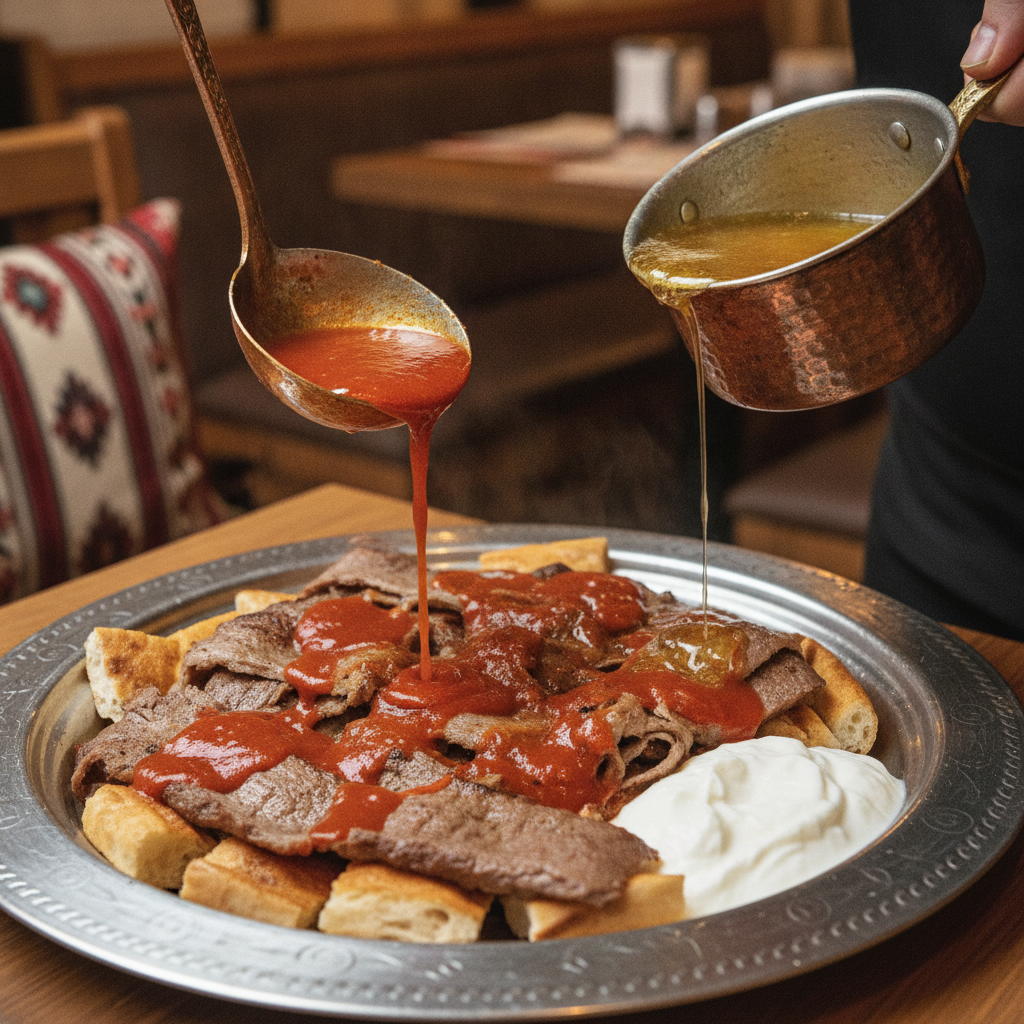
Bursa Cuisine: The Iskender Kebab Invention, the Chestnut and Uludag Honey Culture, the Inegol Kofte Tradition, the Bursa Peach Orchards, and the Ottoman Court Food Legacy
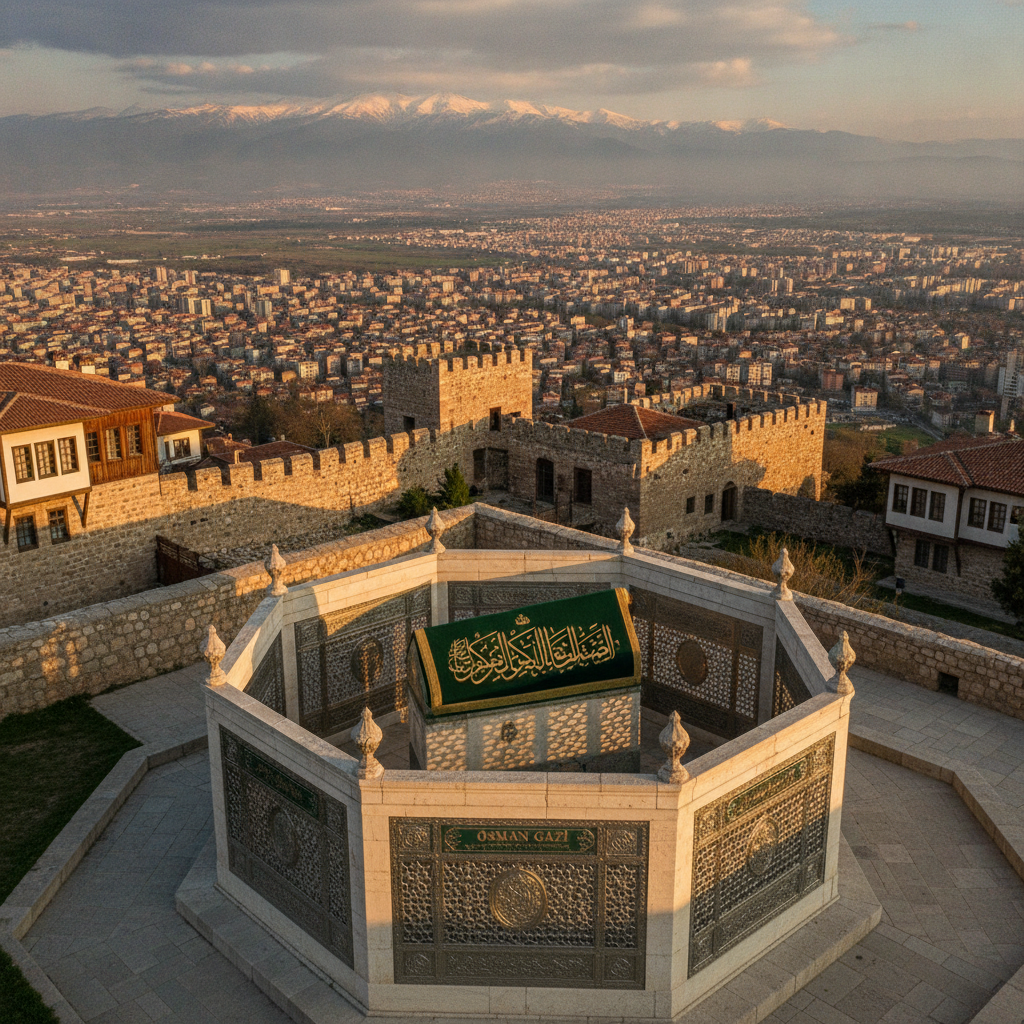
Bursa: First Ottoman Capital, the Osman Gazi Tomb and Foundation Legend, the Orhan Gazi Mosque, the Muradiye Complex with Royal Tombs, and the Ottoman Dynasty Founding Story
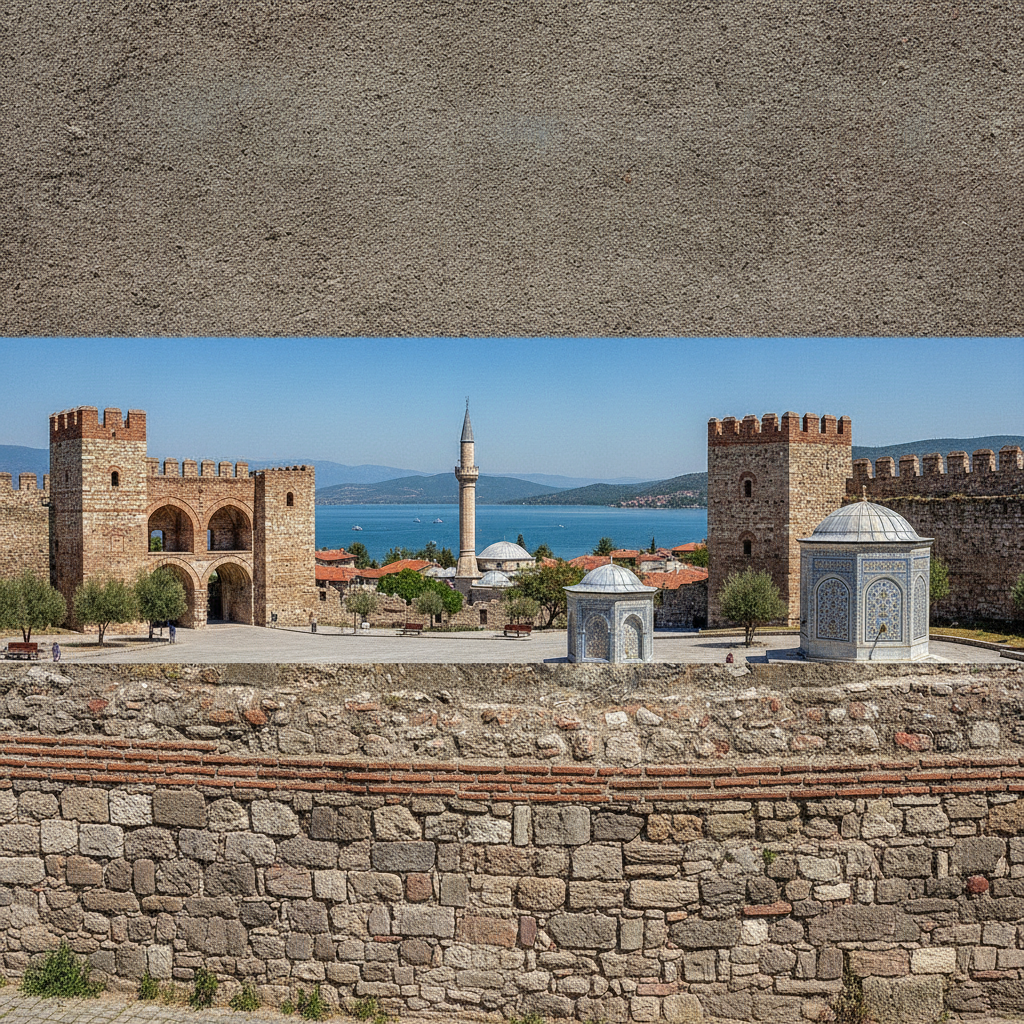
Bursa Region: The Iznik-Nicaea Byzantine Heritage, the First Council of Nicaea, the Iznik Tile Tradition, the Istanbul Day Trip Position, and the Bursa as the Ottoman Circuit Hub
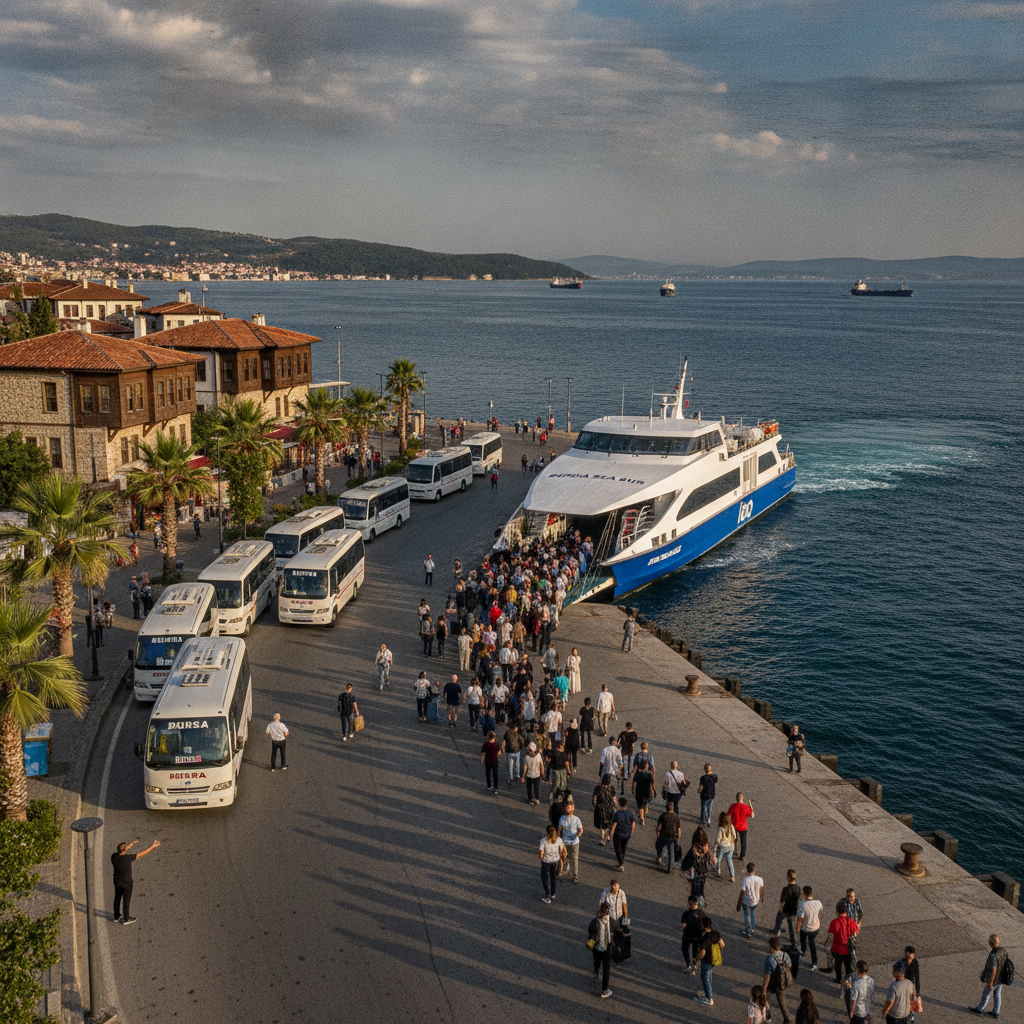
Bursa Practical: The Istanbul Ferry Connection, the Mudanya Arrival, Transport Within Bursa, the Best Accommodation Districts, the Optimal Visit Timing, and the Departure for the Marmara Circuit
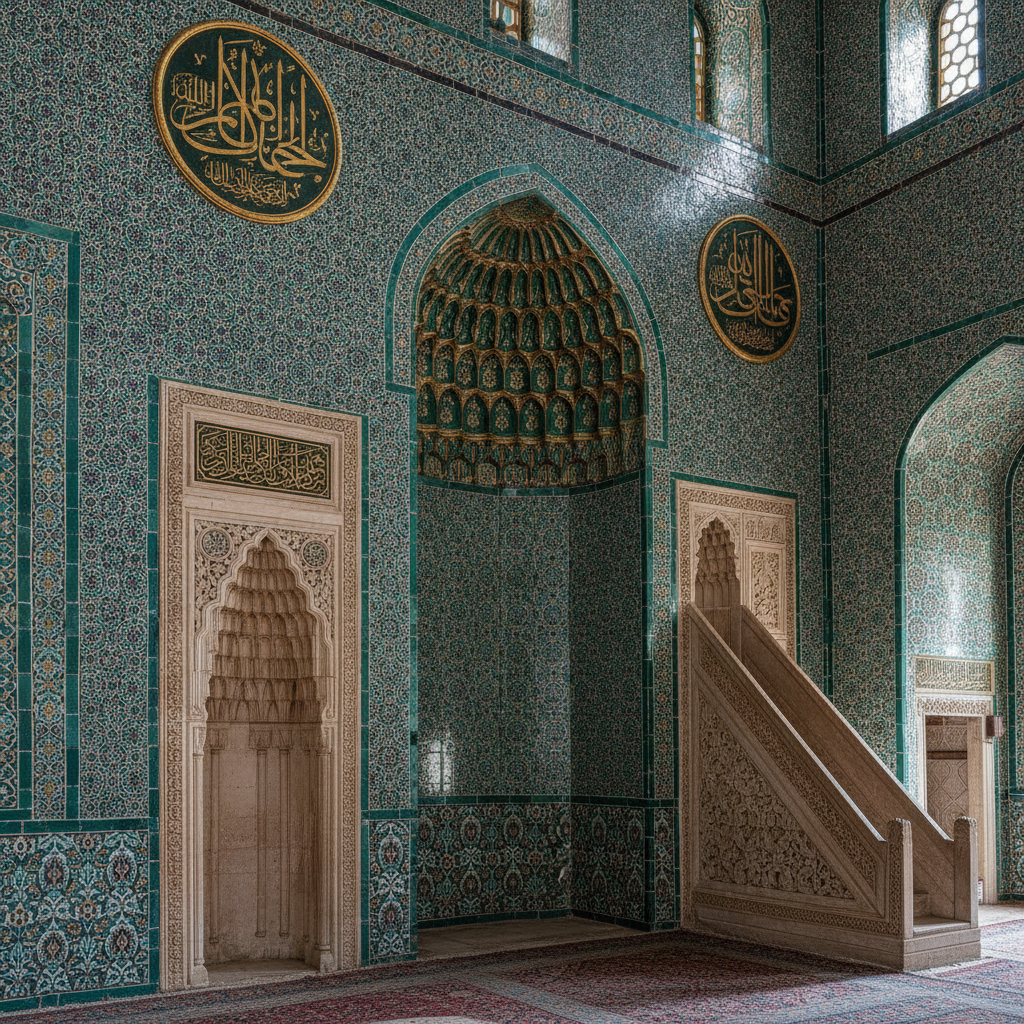
Bursa Essential: The Green Mosque and Green Tomb, the Grand Mosque Ulu Cami, the Covered Bazaar and Koza Han Silk Market, the Uludag Cable Car, and the First Ottoman Capital Heritage