Bursa Essential: The Green Mosque and Green Tomb, the Grand Mosque Ulu Cami, the Covered Bazaar and Koza Han Silk Market, the Uludag Cable Car, and the First Ottoman Capital Heritage
The Bursa essential circuit covers the Green Mosque with the finest early Ottoman tile interior, the Green Tomb of Sultan Mehmed I, the Grand Mosque Ulu Cami with the indoor ablution fountain, the Koza Han silk caravanserai, the Bedesten covered bazaar, the Uludag cable car view, and the first Ottoman capital architectural heritage.
- 1
Green Mosque: The Early Ottoman Tile Masterpiece
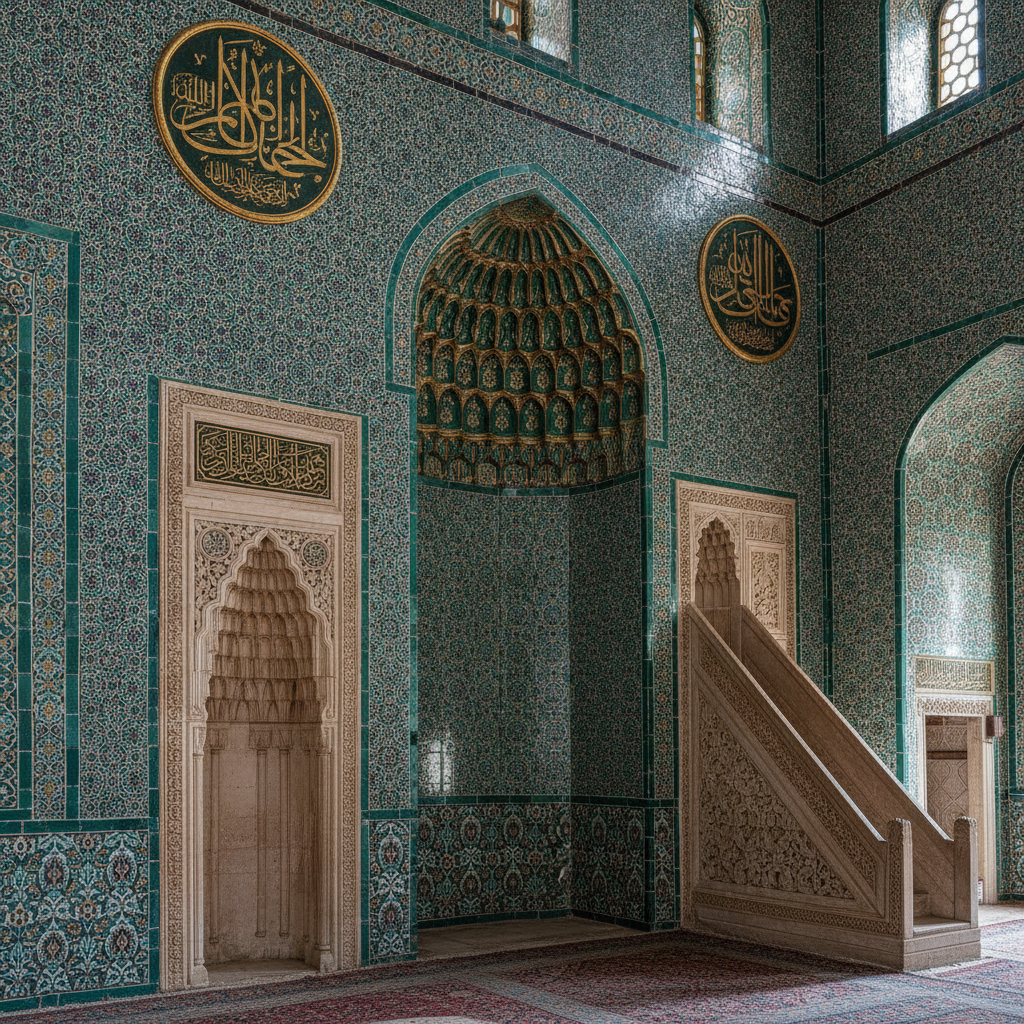
The Green Mosque (Yesil Cami) of Bursa, built between 1412 and 1424 for Sultan Mehmed I by the architect Haci Ivaz Pasha, is the most important single building in the early Ottoman architectural tradition with the royal loggia interior decorated in the finest pre-Iznik teal and turquoise tile work that the Tabriz tilemakers brought to Bursa. The tiles of the royal box above the entrance - the most completely tiled single interior surface in any Ottoman building - represent the apex of the Persian-influenced decorative tile tradition before the specifically Ottoman Iznik ceramic style developed in the late 15th century. The mosque inscription incorrectly completed by the craftsman was deliberately left as a theological humility statement.
- 2
Green Tomb: The Sultan Mehmed I Mausoleum
The Green Tomb (Yesil Turbe) of Sultan Mehmed I, built in 1421 adjacent to the Green Mosque, is the most completely tiled Ottoman mausoleum in Turkey with the hexagonal building exterior and the interior surfaces covered in the same teal and turquoise tile work as the mosque royal loggia. The sultan who built the tomb reunified the Ottoman empire after the decade of civil war following the Timur defeat in 1402 (the Interregnum period) and his mausoleum is the most historically significant single Ottoman tomb in terms of dynastic importance. The cenotaph of Mehmed I is the most elaborately tiled single funerary furnishing in the early Ottoman tradition.
- 3
Ulu Cami: The Twenty-Dome Grand Mosque
The Ulu Cami (Grand Mosque) of Bursa, built between 1396 and 1400 by Sultan Bayezid I with the votive proceeds from the Battle of Nicopolis (1396), is the most architecturally ambitious single early Ottoman mosque with the 20-dome roof covering the prayer hall supported by 12 pillars, the indoor ablution fountain (sadirvan) under the central skylight dome that is the only indoor mosque ablution fountain in Turkey, and the largest single Quranic calligraphy composition in Ottoman art on the interior walls. The Ulu Cami was the model for the multi-dome mosque type that the early Ottoman architects developed before the single-dome Ottoman classical style replaced it in the 16th century.
- 4
Koza Han: The Silk Caravanserai
The Koza Han (Cocoon Inn) in Bursa, built in 1490 by Sultan Bayezid II as the caravanserai for the Bursa silk market, is the most beautiful surviving Ottoman hans in Turkey with the two-story arcade courtyard surrounding the central mosque on the raised platform. The Koza Han was the center of the Ottoman silk industry where the raw silk cocoons from the Bursa region were traded between the merchant families and the caravan traders in the world most important single raw silk market before the Italian silk industry developed in the 15th century. The Koza Han today houses the most atmospheric single antique market in Bursa with the silk textile vendors still operating in the 16th century arcade shops.
- 5
Bursa Covered Bazaar: The Ottoman Commercial Center
The Bursa Bedesten and Kapali Carsi (covered bazaar), the most completely preserved Ottoman commercial complex in Turkey after the Istanbul Grand Bazaar, extends from the Koza Han through the gold and jewelry bazaar, the textile market, the copper craftsmen district, and the general merchandise covered streets covering the most complete single Ottoman commercial urban plan in Anatolia. The Bursa bazaar escaped the Istanbul bazaar fire devastation and retains more original 15th and 16th century commercial building fabric than any comparable Ottoman market complex. The central jeweler street is the most densely concentrated single gold retail market in Turkey outside Istanbul.
- 6
Uludag: The Olympus of Bursa
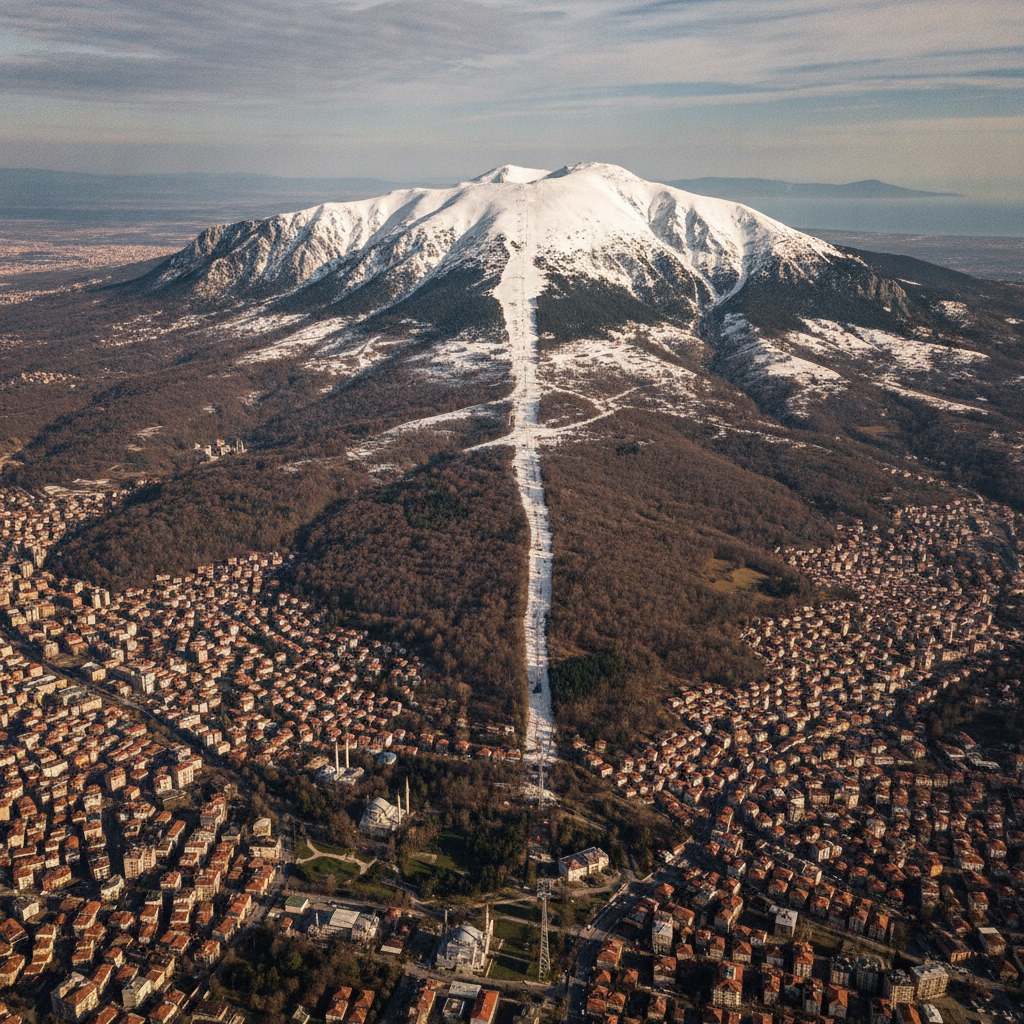
Uludag (Great Mountain), the 2,543-meter peak above Bursa known in antiquity as the Mysian Olympus, is visible from the Bursa city center and accessible by the cable car (teleferik) from the Teferruc station in 25 minutes to the summit plateau. The Uludag National Park with the beech, the oak, and the fir forests on the lower slopes and the alpine meadow above the tree line provides the most dramatically vertical single landscape contrast in northwestern Turkey where the city and the mountain are visible from each other. The Uludag ski resort on the east-facing slopes is the most popular single ski destination near Istanbul with the daily cable car traffic making it the most frequented mountain in Turkey.
Walk this route with audio
Stories play automatically as you reach each stop — no tapping needed.
More in Bursa
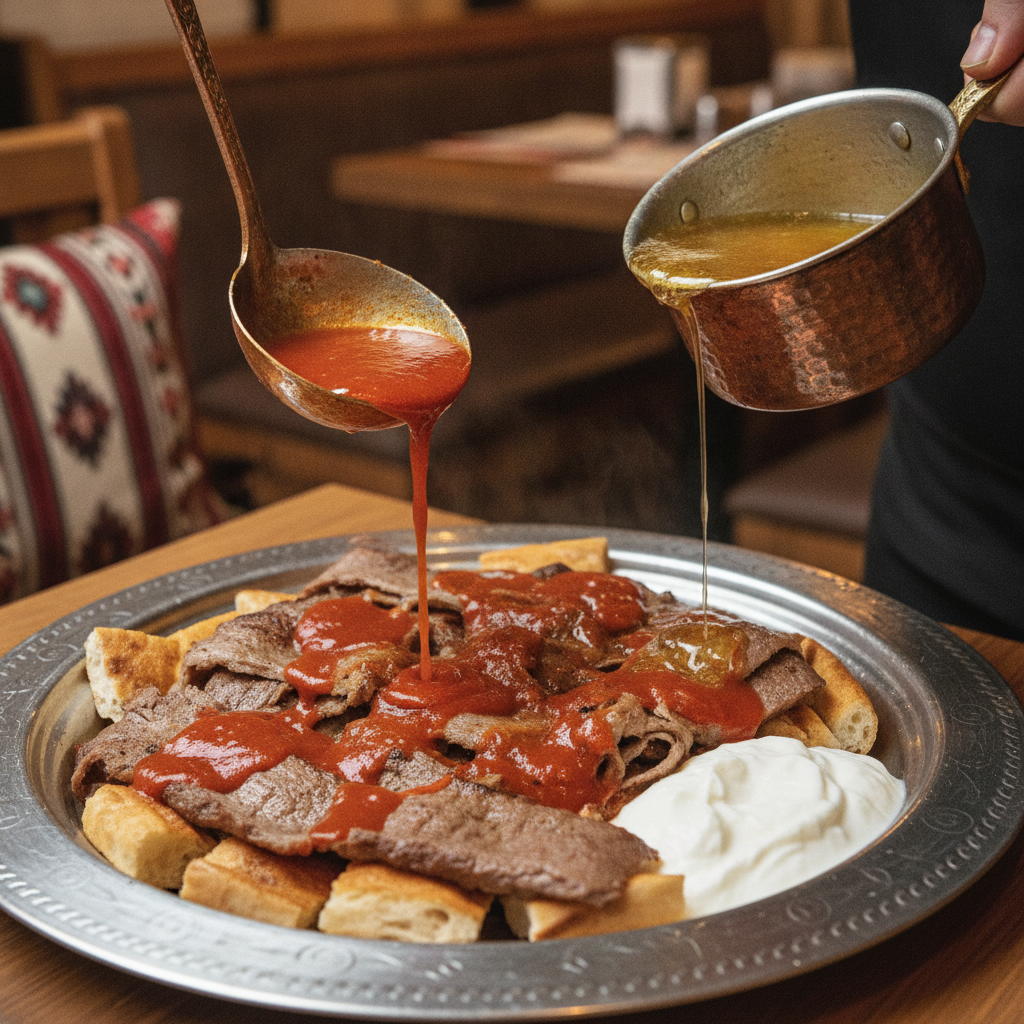
Bursa Cuisine: The Iskender Kebab Invention, the Chestnut and Uludag Honey Culture, the Inegol Kofte Tradition, the Bursa Peach Orchards, and the Ottoman Court Food Legacy
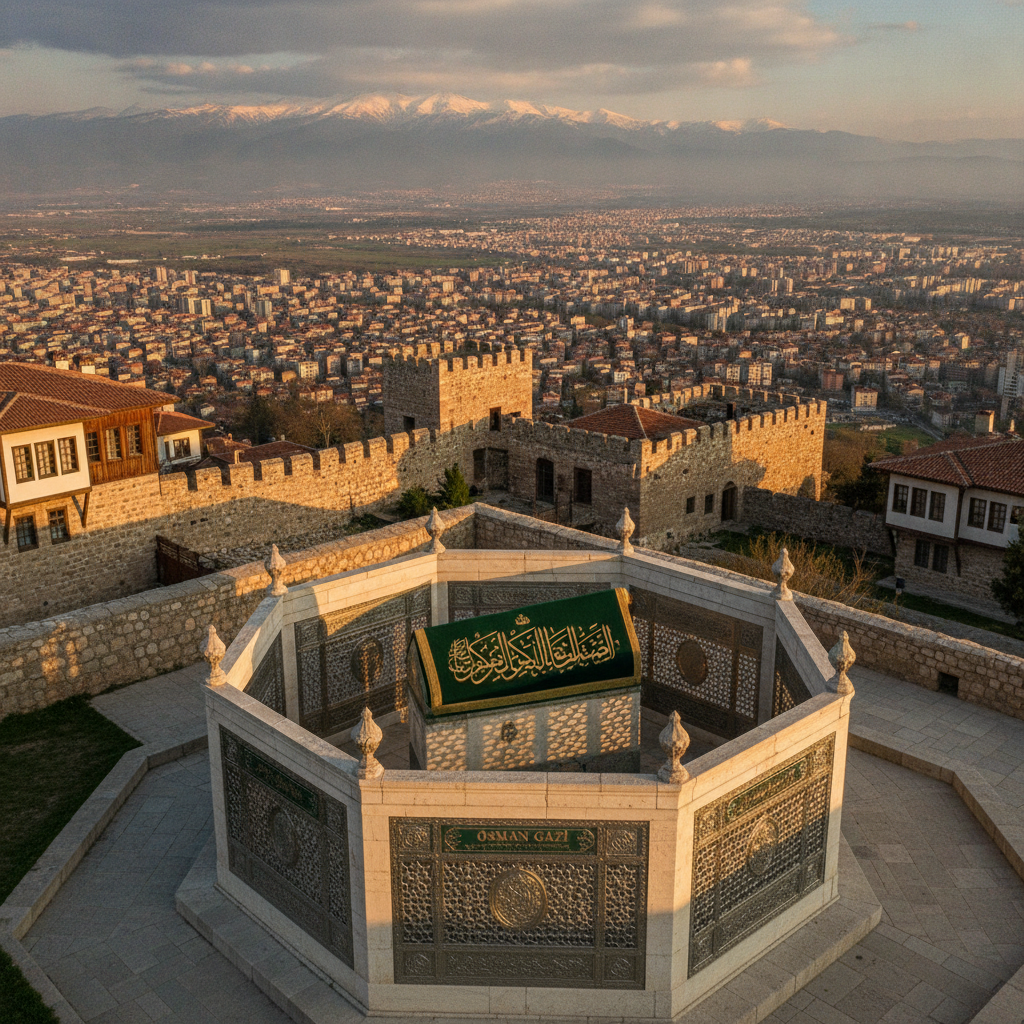
Bursa: First Ottoman Capital, the Osman Gazi Tomb and Foundation Legend, the Orhan Gazi Mosque, the Muradiye Complex with Royal Tombs, and the Ottoman Dynasty Founding Story
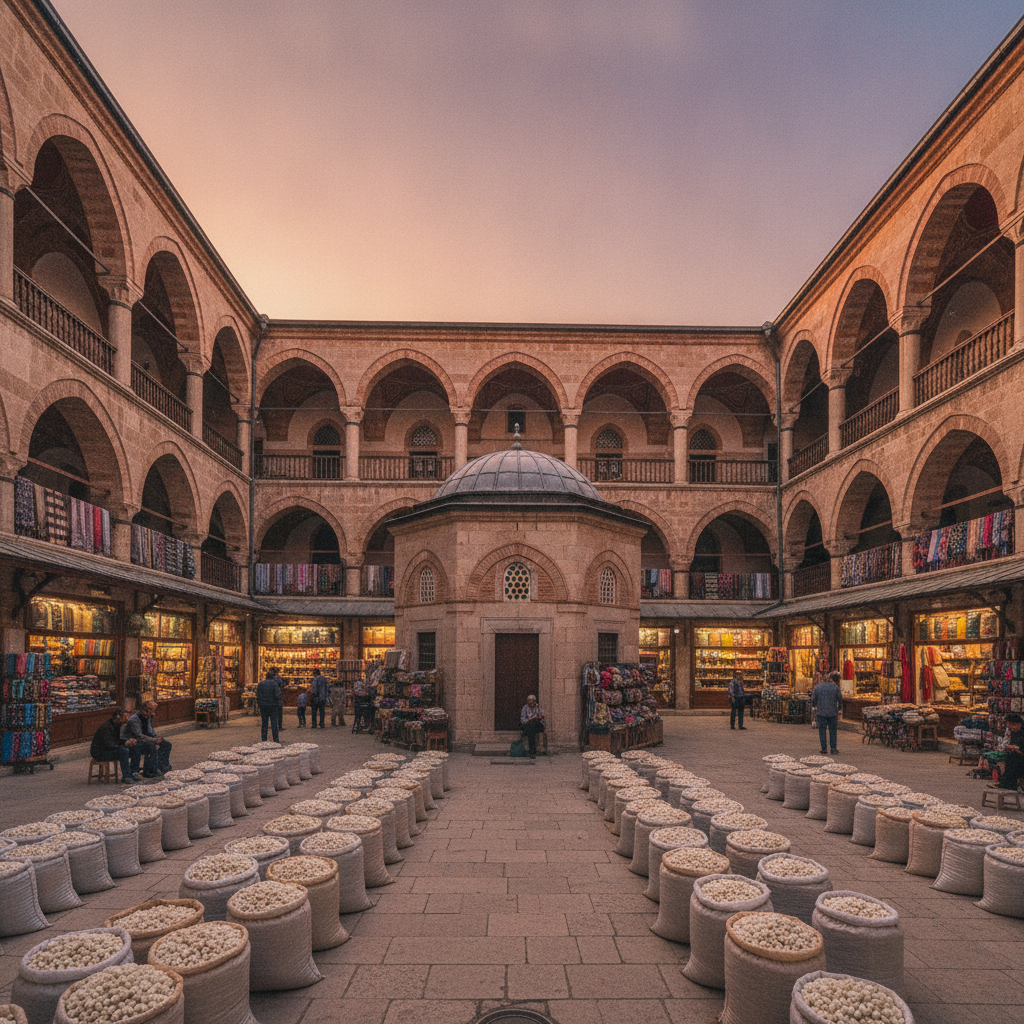
Bursa Silk Heritage: The Koza Han Cocoon Auction, the Ottoman Silk Industry Peak, the Bursa Ipek Silk Textile Tradition, the Silk Route Connection, and the Modern Silk Fabric Market
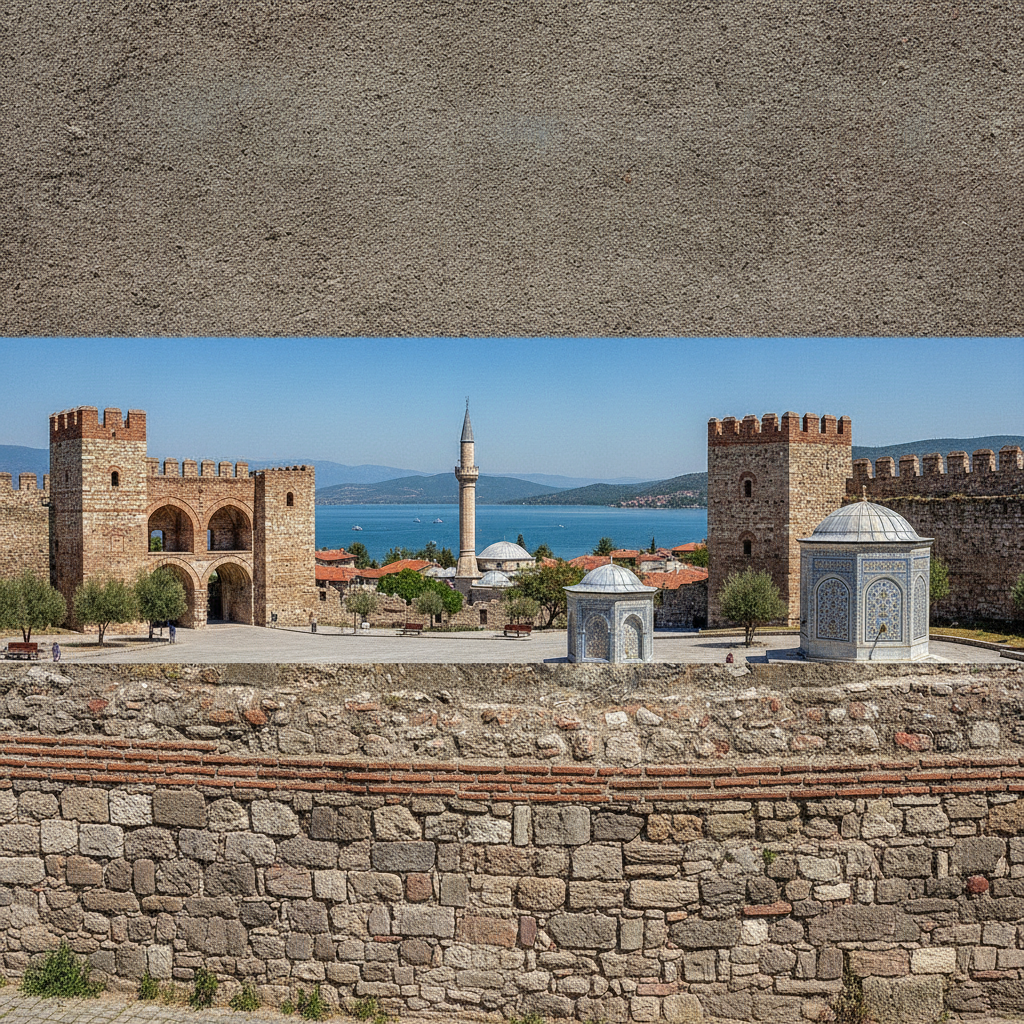
Bursa Region: The Iznik-Nicaea Byzantine Heritage, the First Council of Nicaea, the Iznik Tile Tradition, the Istanbul Day Trip Position, and the Bursa as the Ottoman Circuit Hub
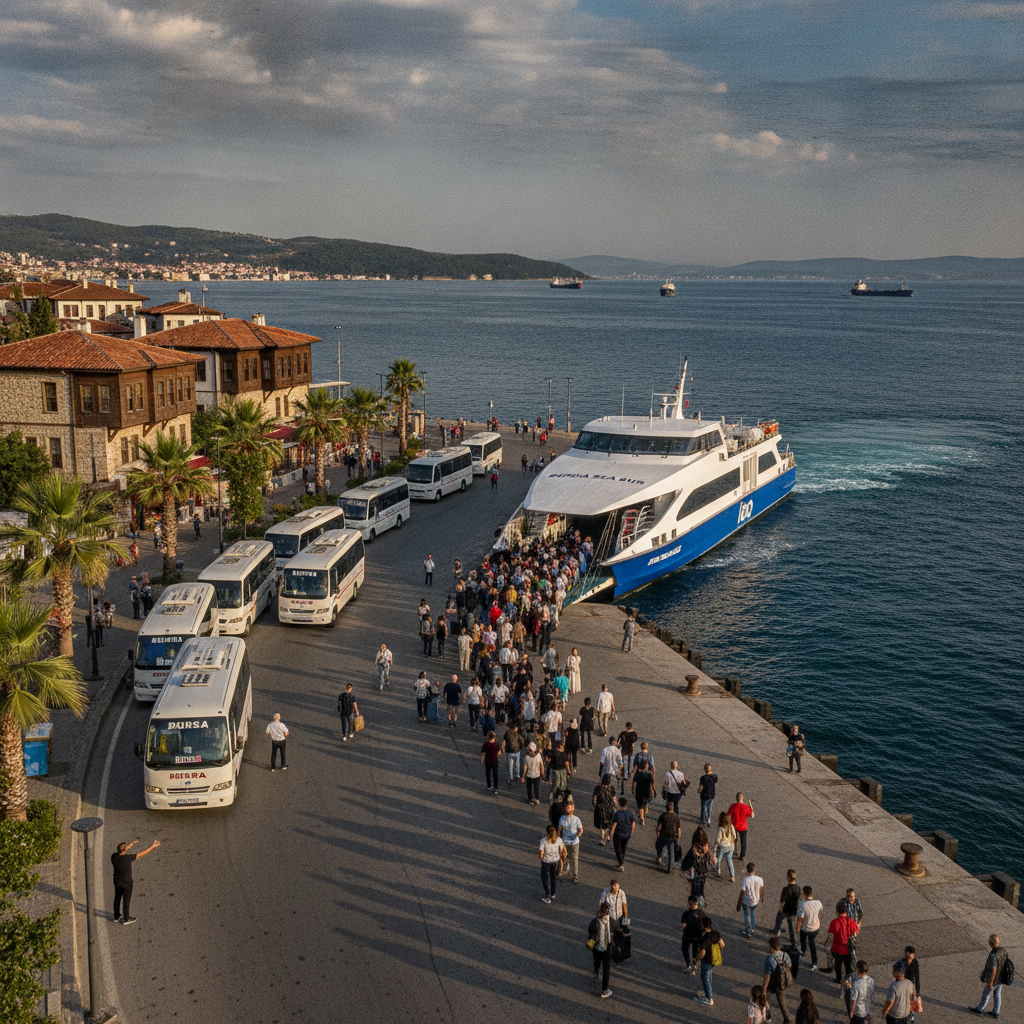
Bursa Practical: The Istanbul Ferry Connection, the Mudanya Arrival, Transport Within Bursa, the Best Accommodation Districts, the Optimal Visit Timing, and the Departure for the Marmara Circuit