Congolese Rumba: Brazzaville's Living Musical Heritage
Brazzaville and Kinshasa together invented Congolese rumba — the music that conquered Africa — and the river city's bars and studios remain part of one of the world's great musical traditions
- 1
Rumba Origins at the River
Congolese rumba evolved from Cuban son music reinterpreted by Congolese musicians in the 1940s — the guitar style, dance and lyrics created a pan-African music that spread from Dakar to Nairobi
- 2
The Brazzaville Bar Scene
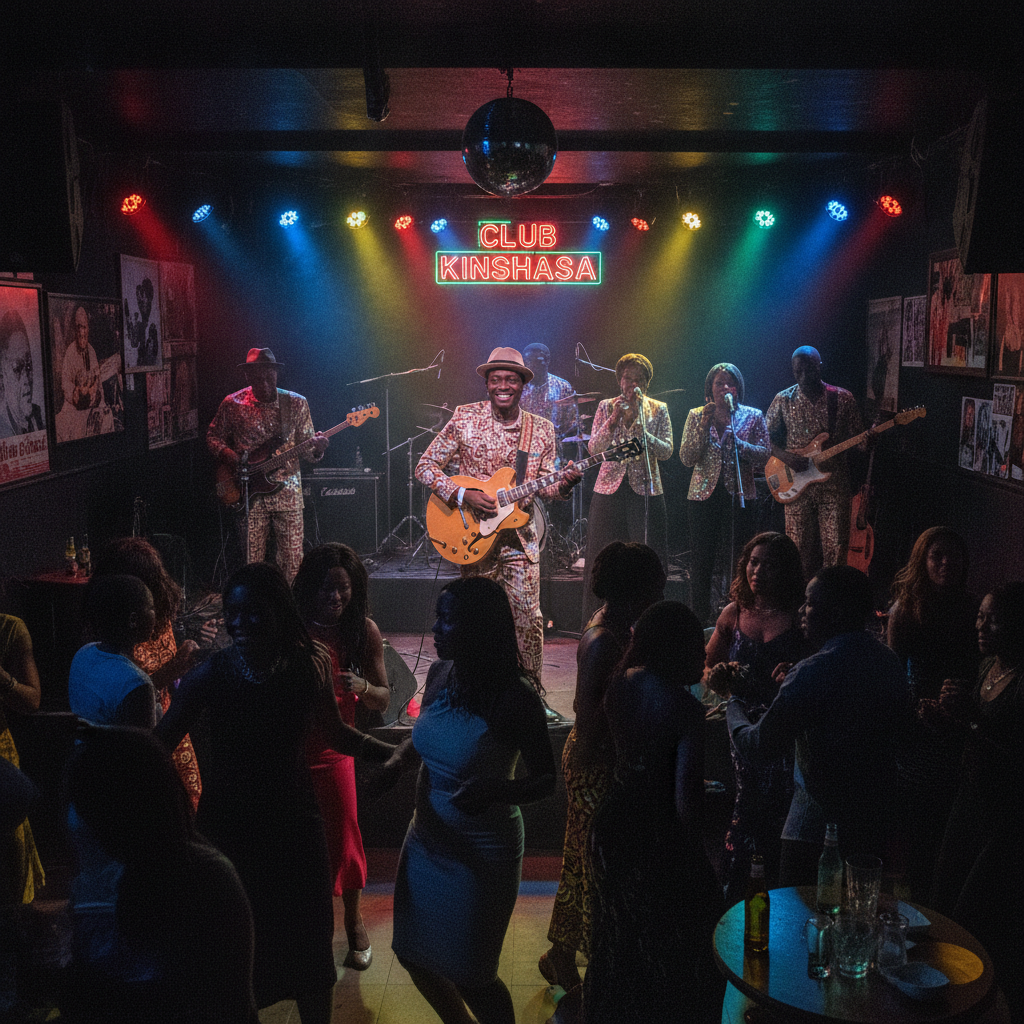
Brazzaville's bars play rumba and soukous every night — the culture of live music in the city's nightclubs is part of daily life, with bands starting after midnight and playing until dawn
- 3
Grand Marché Music Stalls
The music stalls in Brazzaville's markets sell CDs and streaming links to current soukous artists — the genre remains commercially vital and evolving, with new stars from both Congo's
- 4
Soukous Guitar Style
The distinctive soukous lead guitar — fast, melodic and ornamental — was pioneered by guitarists on both sides of the river; the technique is taught in guitar schools in both Congo's
- 5
Congolese rumba UNESCO recognition
UNESCO inscribed Congolese rumba on the Intangible Cultural Heritage List in 2021 — recognizing the music's unique cultural significance as the continent's most widespread musical genre
- 6
Recording studios in Brazzaville
The studio culture that produced the golden age of Congolese rumba still works — small studios in Poto-Poto and the Plateau record the current generation of musicians who keep the tradition alive
Walk this route with audio
Stories play automatically as you reach each stop — no tapping needed.
More in Brazzaville
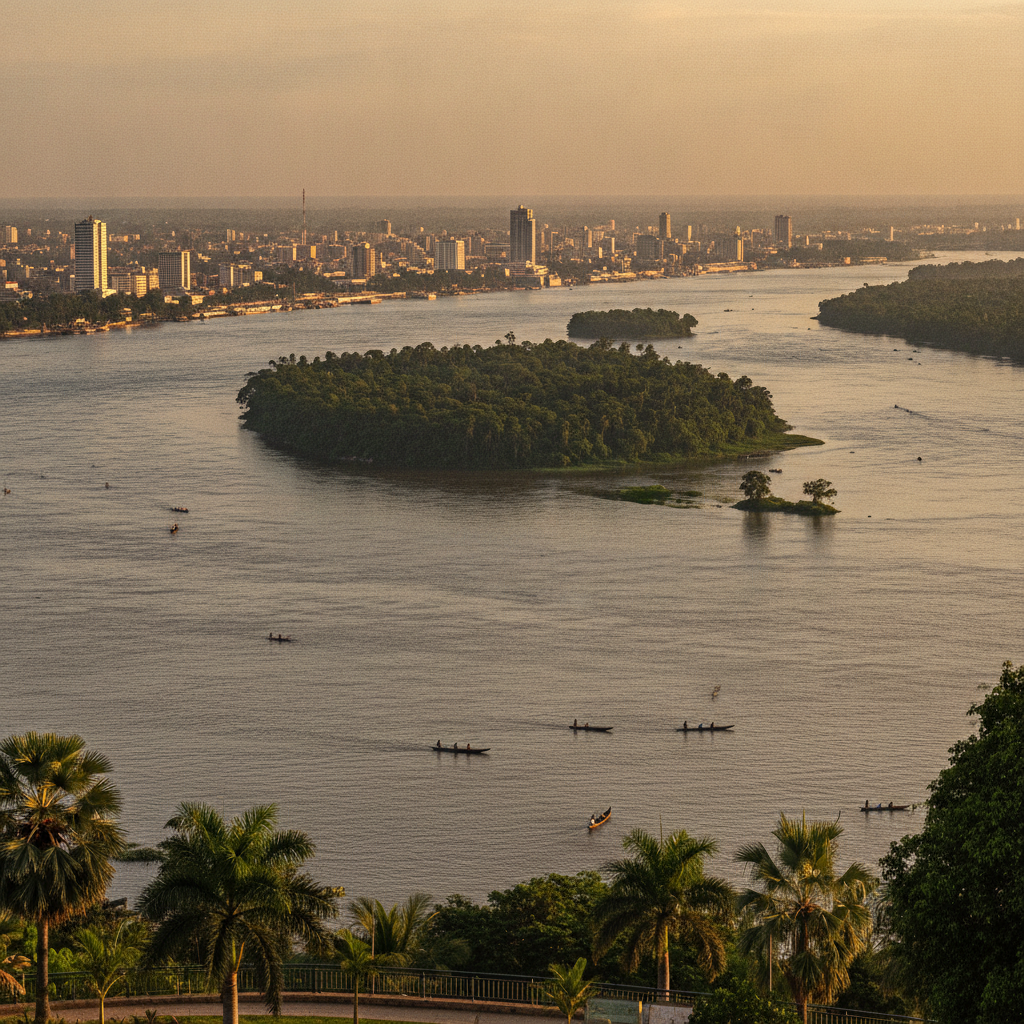
Pool Malebo: Two Capitals Facing Each Other Across the Congo
Brazzaville & Pierre de Brazza: The Colonial Founding Story
La SAPE: The Brazzaville Cult of Elegant Dressing
Poto-Poto: Africa's Famous School of Painting
Congolese Cuisine: Moambé, Ntaba & River Fish