Pidjiguiti Massacre & Guinea-Bissau's Liberation History
The 1959 Pidjiguiti dockworkers' massacre — when Portuguese troops killed striking workers — sparked Amílcar Cabral's independence movement; Bissau's liberation heritage is one of Africa's most inspiring
- 1
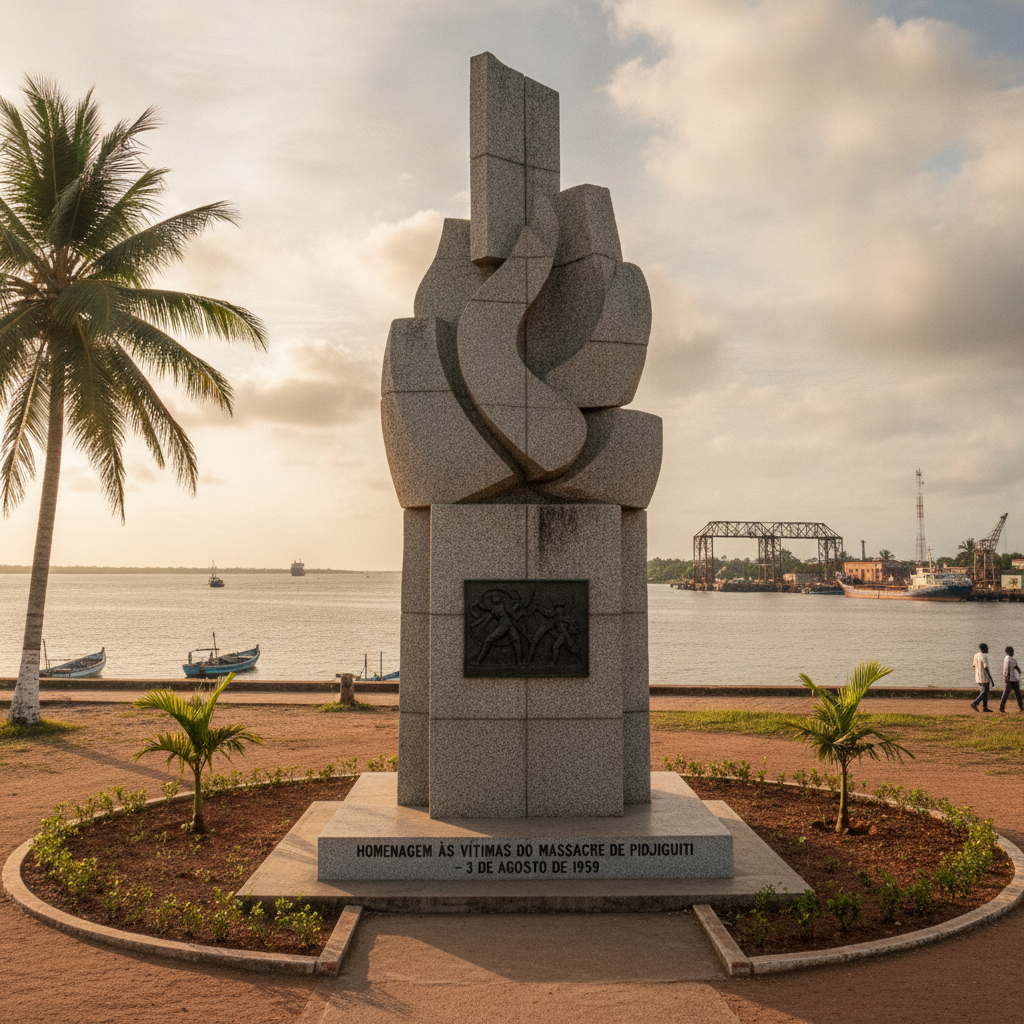
Pidjiguiti Dockside Memorial
The waterfront monument marks the exact spot where Portuguese forces killed at least 50 striking dock workers on August 3, 1959 – the event that radicalized Amílcar Cabral
- 2
Amílcar Cabral Memorial
Guinea-Bissau's founder was one of Africa's greatest revolutionary thinkers — his writings on culture, identity and liberation influenced independence movements across the continent
- 3
PAIGC Liberation Museum
The Museum of the African Party for the Independence of Guinea and Cape Verde documents the 11-year guerrilla war that defeated Portuguese colonialism without major conventional fighting
- 4
Liberated Zones History
By 1972, the PAIGC controlled two-thirds of Guinea-Bissau – the liberated zones had their own schools, health stations and administrative structures documented in this remarkable exhibit
- 5
Carnation Revolution Connection
The war of liberation exhausted the Portuguese army and directly caused the 1974 Carnation Revolution that ended the Portuguese dictatorship — Bissau changed the history of Lisbon
- 6
Instability after independence
Since independence in 1974, Guinea-Bissau has had nine successful coups — the story of how a heroic liberation movement became a failed state is one of Africa's most tragic stories
Walk this route with audio
Stories play automatically as you reach each stop — no tapping needed.
More in Bissau
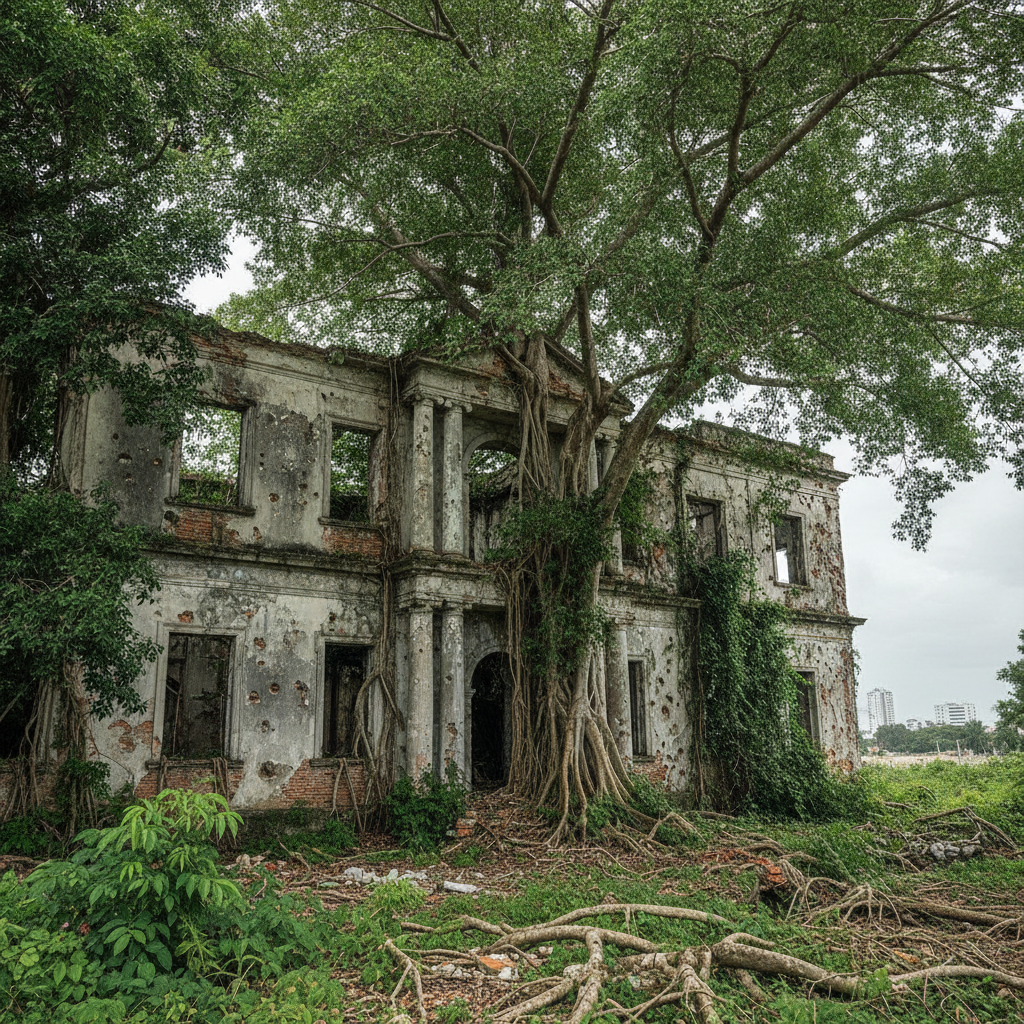
Bissau's Colonial Ruins & Post-War Architecture
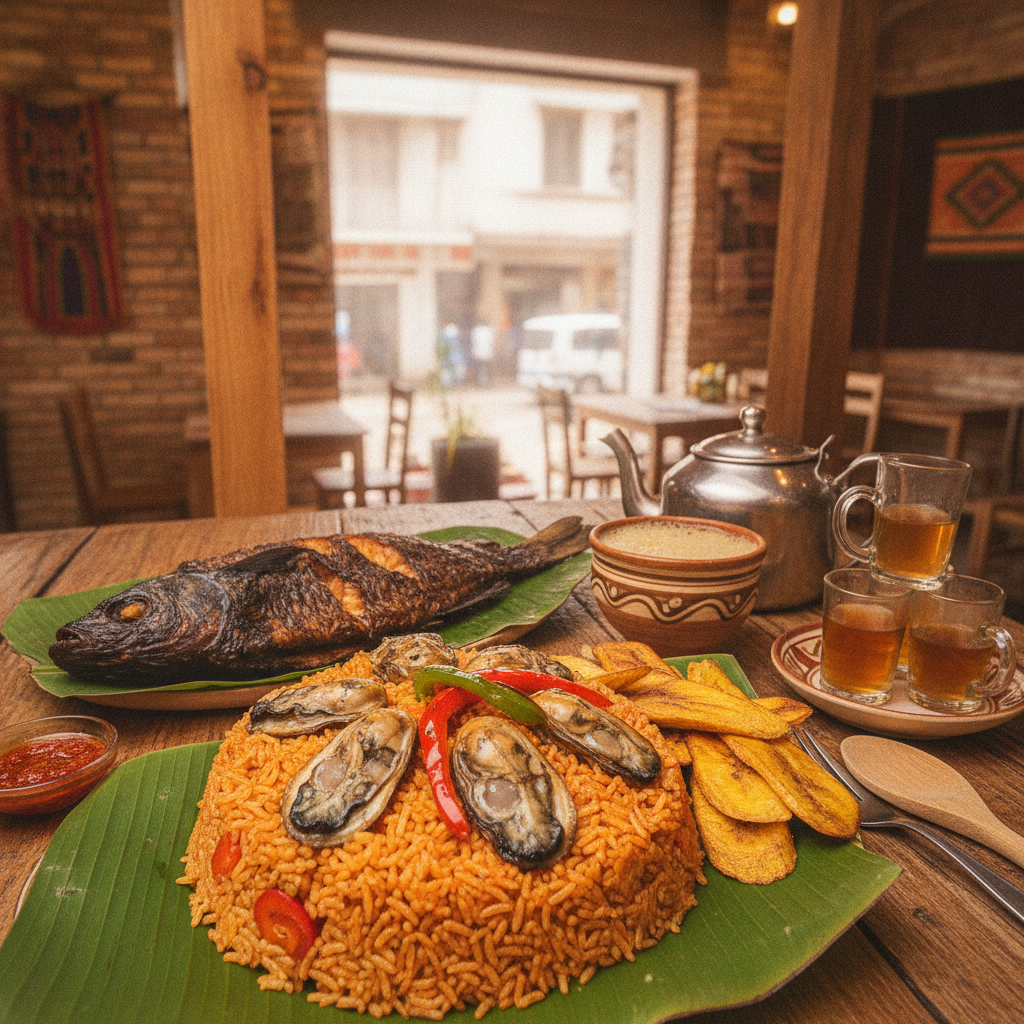
Guinea-Bissau Cuisine: Smoked Oysters, Caldo & Estuary Seafood
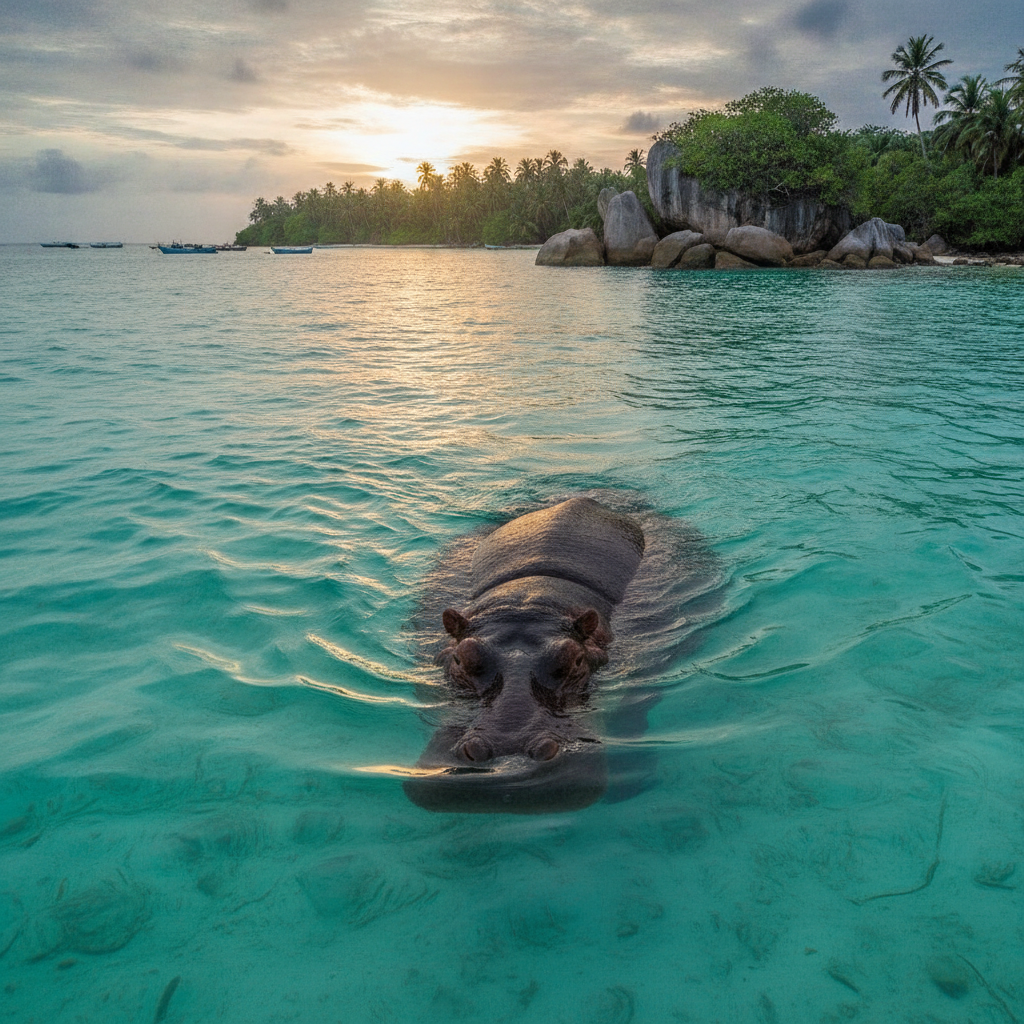
Orango's Marine Hippos: The World's Only Salt-Water Hippopotami
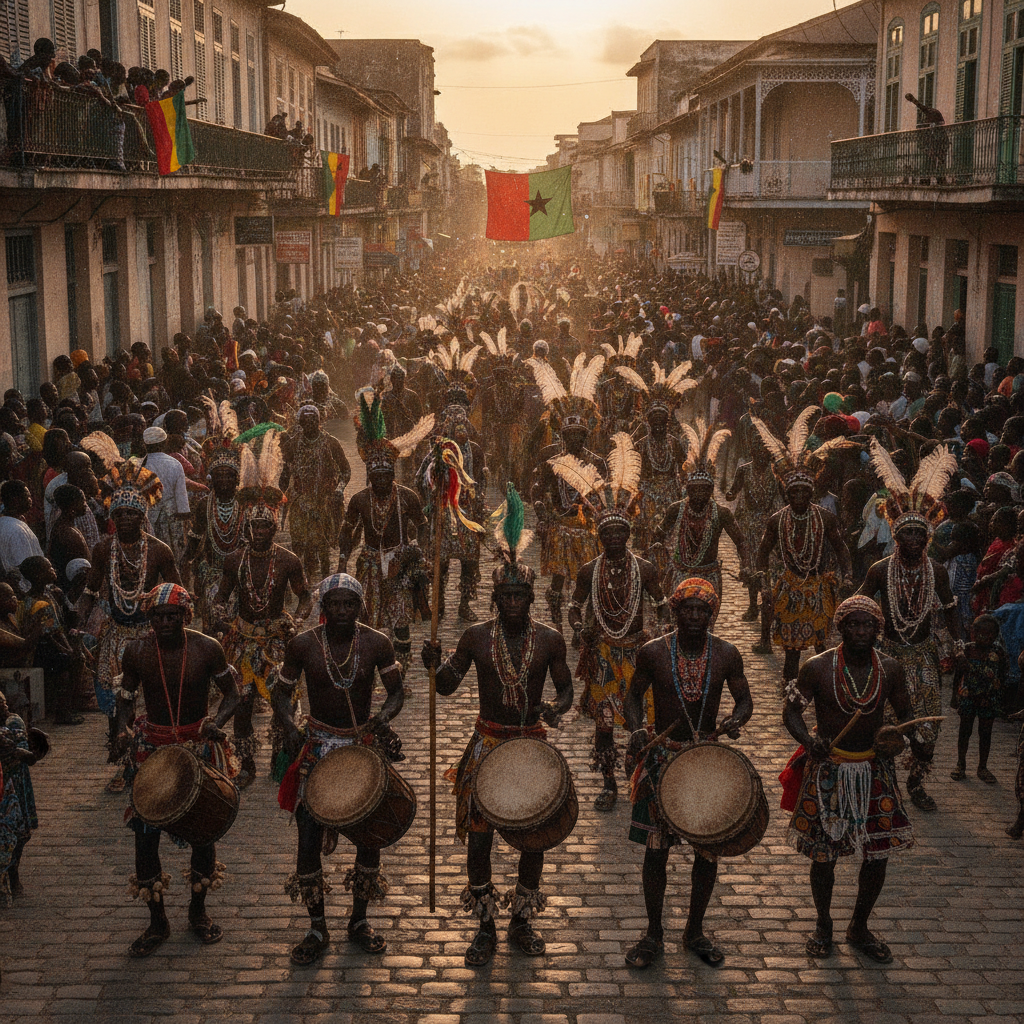
Tabanka & Carnival: Guinea-Bissau's Musical Traditions
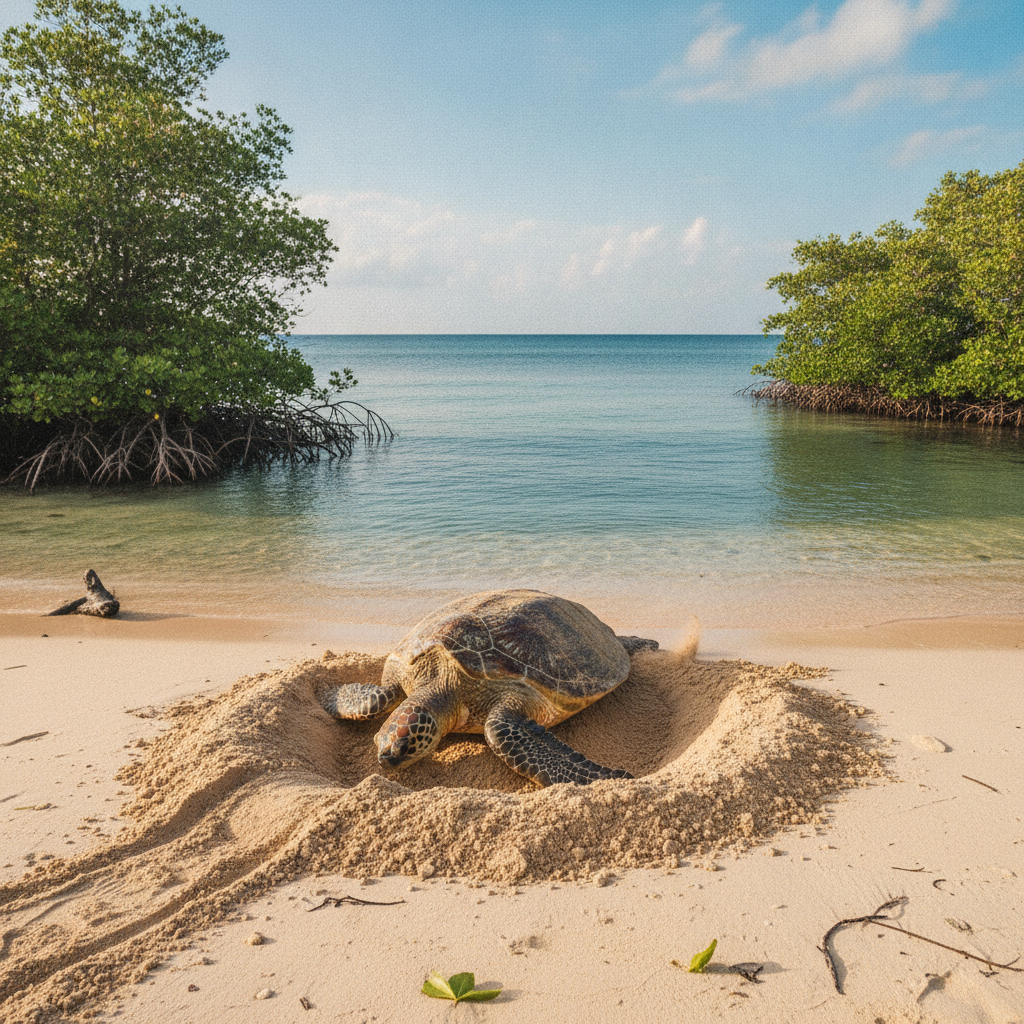
Bijagós Archipelago: UNESCO Biosphere Reserve & Turtle Nesting