Battambang Khmer Rouge History & Memory Walk
Confront Battambang's darkest history — the Battambang province was one of the most heavily affected regions during the Khmer Rouge period (1975-1979), and the memorials, killing caves, and survivor communities in and around the city create the most significant provincial Khmer Rouge memorial landscape in Cambodia.
- 1
Phnom Sampeu Killing Caves
The Phnom Sampeu Killing Caves are the most frequently visited Khmer Rouge atrocity site accessible from Battambang — the natural cave openings in the limestone cliff face were used by the Khmer Rouge to dispose of victims from 1975 to 1979, with victims (typically bound and blindfolded) thrown from the cliff above into the cave chambers below. The glass-enclosed memorial case in the largest cave chamber (containing the bones and skulls excavated after 1979, arranged in the same manner as the more famous memorial at Choeung Ek in Phnom Penh) confronts the visitor with the direct physical evidence of the genocide in the most unmediated manner possible. The surrounding Buddhist temple complex (the monks still resident in the temple immediately above the killing caves, the sound of their prayer bells audible at the cave memorial entrance) creates the most confronting juxtaposition of Buddhist practice and historical horror accessible at any Cambodian memorial site.
- 2
Battambang Khmer Rouge Era Buildings
The Khmer Rouge period buildings surviving in Battambang (the structures built or adapted during the Khmer Rouge administration of the city from 1975-1979, when Battambang was a major base for the movement's northwestern regional command) are visible throughout the urban fabric — the former Khmer Rouge administration buildings (some still in use as government offices), the former prison sites (where the city's educated residents and suspected enemies were held before transport to the killing fields), and the warehouses that served as collection points for the property confiscated from the evacuated urban population document the Khmer Rouge's systematic conversion of the colonial city into a revolutionary base. The Battambang Museum exhibits the Khmer Rouge-era artefacts and the documentation of the evacuation of the city (which began on 17 April 1975, the same day as Phnom Penh's evacuation) in the most comprehensive provincial display accessible.
- 3
Survivor Community Testimony
The Battambang survivor community (the residents who survived the Khmer Rouge period either through luck, concealment of their background, or assignment to agricultural labour in the rural communes) is accessible through the social enterprise tour operators who arrange meetings with community members willing to share their testimony with visitors — the first-hand accounts of the Khmer Rouge period (the evacuation from the city, the labour camps in the rice fields, the hunger and violence of the regime, and the liberation by Vietnamese forces in January 1979) are the most powerful educational encounter with the Cambodian genocide accessible at any site outside the Tuol Sleng Genocide Museum in Phnom Penh. The survivor community's testimony is the most important single resource for understanding the lived experience of the genocide at the provincial level.
- 4
Post-War Reconstruction Sites
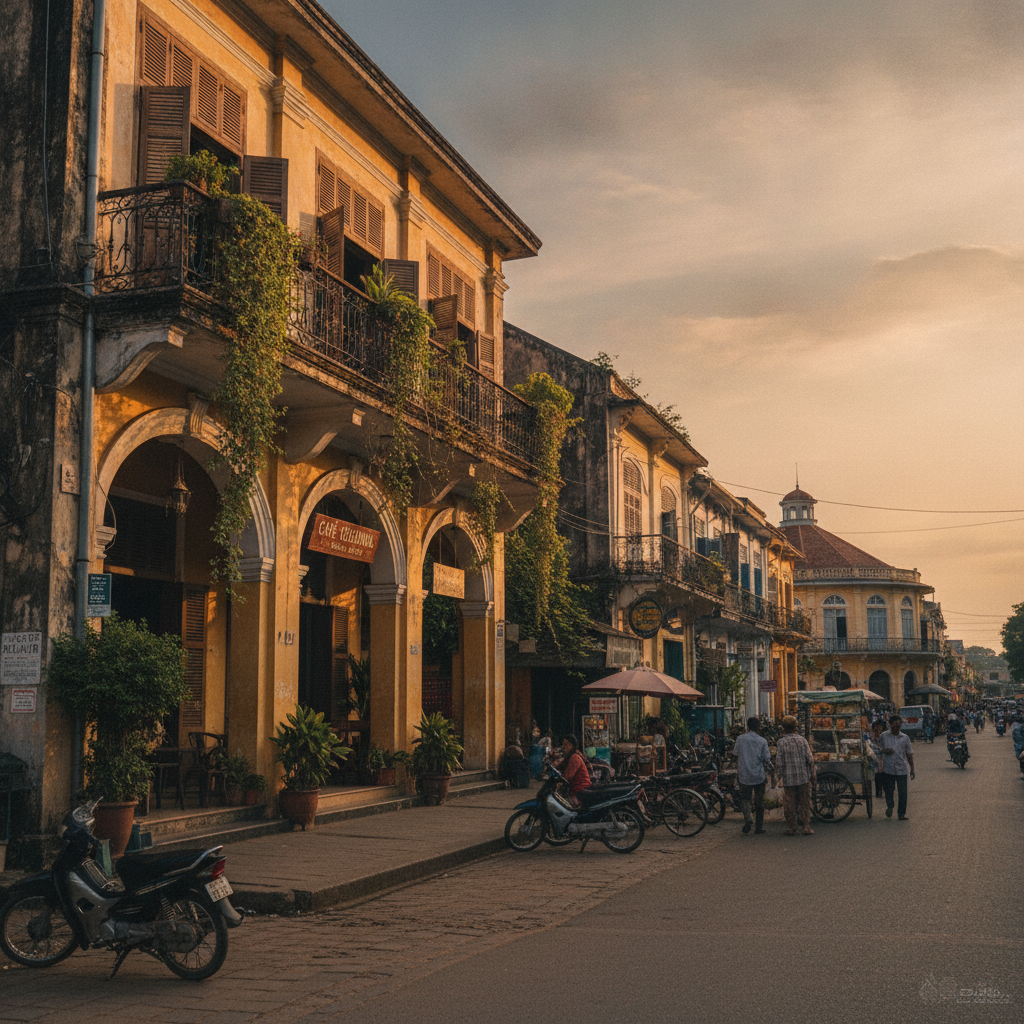
The post-Khmer Rouge reconstruction of Battambang (the rebuilding of the city and the restoration of its economic and cultural life between 1979 and the 1990s) is visible in the urban fabric of the contemporary city — the contrast between the French colonial buildings that survived (protected by their solid construction from the Khmer Rouge's systematic destruction of the urban infrastructure), the Vietnamese-era reconstructed buildings (built in the functional Soviet-influenced style of the 1980s reconstruction period), and the contemporary construction (the new hotels, the restaurant district, and the arts infrastructure of the post-UNTAC tourism era) creates an architectural time-map of the city's recovery from the genocide. The Battambang Museum's documentation of the reconstruction period is the most comprehensive provincial record of the post-genocide rebuilding accessible in Cambodia.
- 5
Chhouk Ksach Memorial
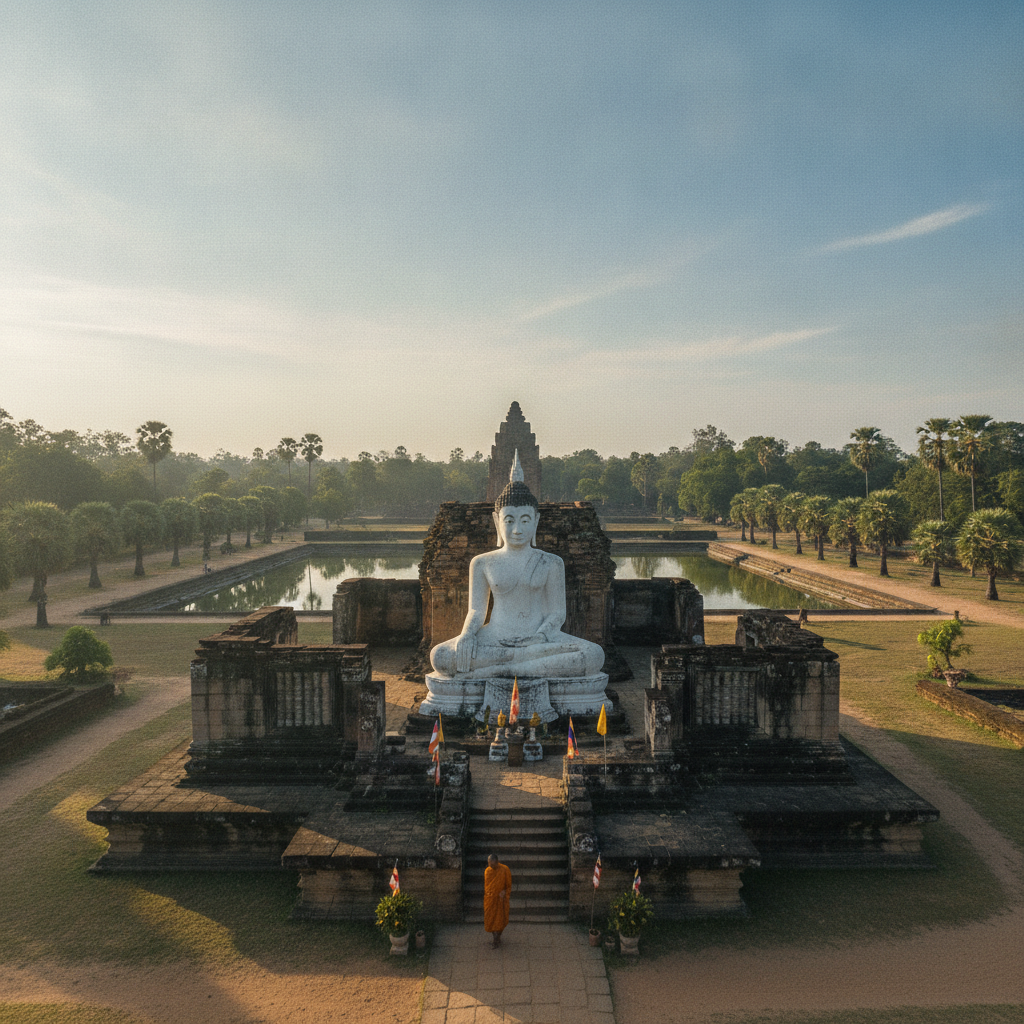
The Chhouk Ksach memorial stupa (one of several provincial memorial structures built in the Battambang area to commemorate the victims of the Khmer Rouge) represents the most common form of provincial Cambodian genocide memorial — the white stupa containing the bones of the local victims (collected from the mass graves and killing sites in the surrounding area and interred in a Buddhist memorial structure that provides the religious framework for understanding the deaths within the karma and rebirth beliefs of Theravada Buddhism) is the standard memorial form adopted by the Cambodian government and the local communities for the commemoration of the genocide's victims outside the major museum and memorial sites.
- 6
Living Arts Recovery
The Phare Ponleu Selpak arts school's foundational history as a response to the cultural trauma of the Khmer Rouge period (founded by artists who survived the genocide and the refugee camp experience with the specific purpose of using arts education to help the traumatised post-war generation) makes it the most important single institution for understanding the relationship between the genocide and the contemporary Cambodian arts revival — the PPS performance and the school's education programme are both expressions of the belief that the restoration of the traditional Cambodian arts (destroyed or suppressed during the Khmer Rouge period) is an essential component of the psychological recovery from the collective trauma of the genocide. The school's documentation of the traditional arts forms that were lost during the Khmer Rouge period and the process of their recovery and transmission to the post-war generation is the most important cultural conservation work accessible in the Battambang arts scene.
Walk this route with audio
Stories play automatically as you reach each stop — no tapping needed.