Bagan Temple Plain Cycling Walk
Cycle Bagan's temple plain — the most rewarding way to explore the Bagan archaeological zone is by bicycle or e-bike, navigating the sand tracks between the ancient temples and discovering the less-visited monuments away from the main tourist circuit.
- 1
E-Bike Rental Nyaung-U
The e-bike rental operations in Nyaung-U town (the modern service town adjacent to the Old Bagan archaeological zone, where the majority of visitor accommodation and the transport services are located) provide the most practical and most popular transport for the independent exploration of the Bagan temple plain — the e-bike (the electric-assist bicycle that makes the flat-terrain temple circuit comfortable in even the hot Bagan dry season) is the consensus preferred vehicle for the Bagan exploration, combining the freedom of the bicycle (the ability to stop at any temple, to take the sand tracks between the monuments, and to explore at an individual pace) with the motor assist that makes the 20km+ daily distances of a comprehensive temple circuit physically comfortable. The e-bike's silence (no engine noise) is the additional advantage over the motorcycle or horse-cart alternatives, allowing the approach to the quieter temples without disturbing the ambient peace of the archaeological zone.
- 2
Old Bagan Temple Cluster
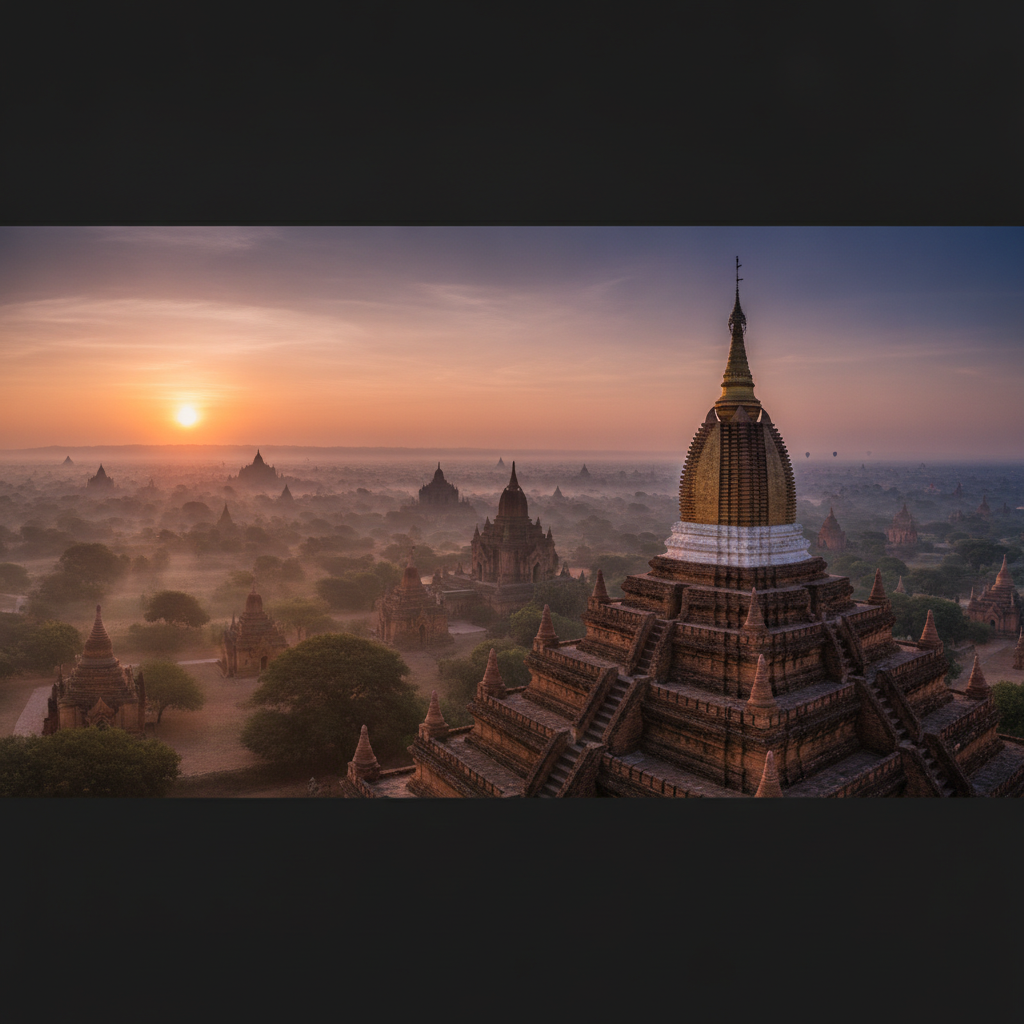
The Old Bagan temple cluster (the most densely concentrated area of the archaeological zone, in the walled city area where the original capital was located and where the highest density of major monuments including Ananda, Thatbyinnyu, and Gawdawpalin are grouped within walking distance of each other) provides the most efficient single-area survey of the Bagan architectural heritage accessible on the cycling circuit — the e-bike path through the Old Bagan cluster (the sand tracks between the temples, accessible to bicycles but impassable to tour buses) provides the most intimate approach to the major monuments. The cluster's accessibility from the Nyaung-U town base (15 minutes cycling on the paved road south) makes it the typical first destination of the morning cycling session before the heat of the day makes the sand-track exploration more demanding.
- 3
Remote Temple Discovery
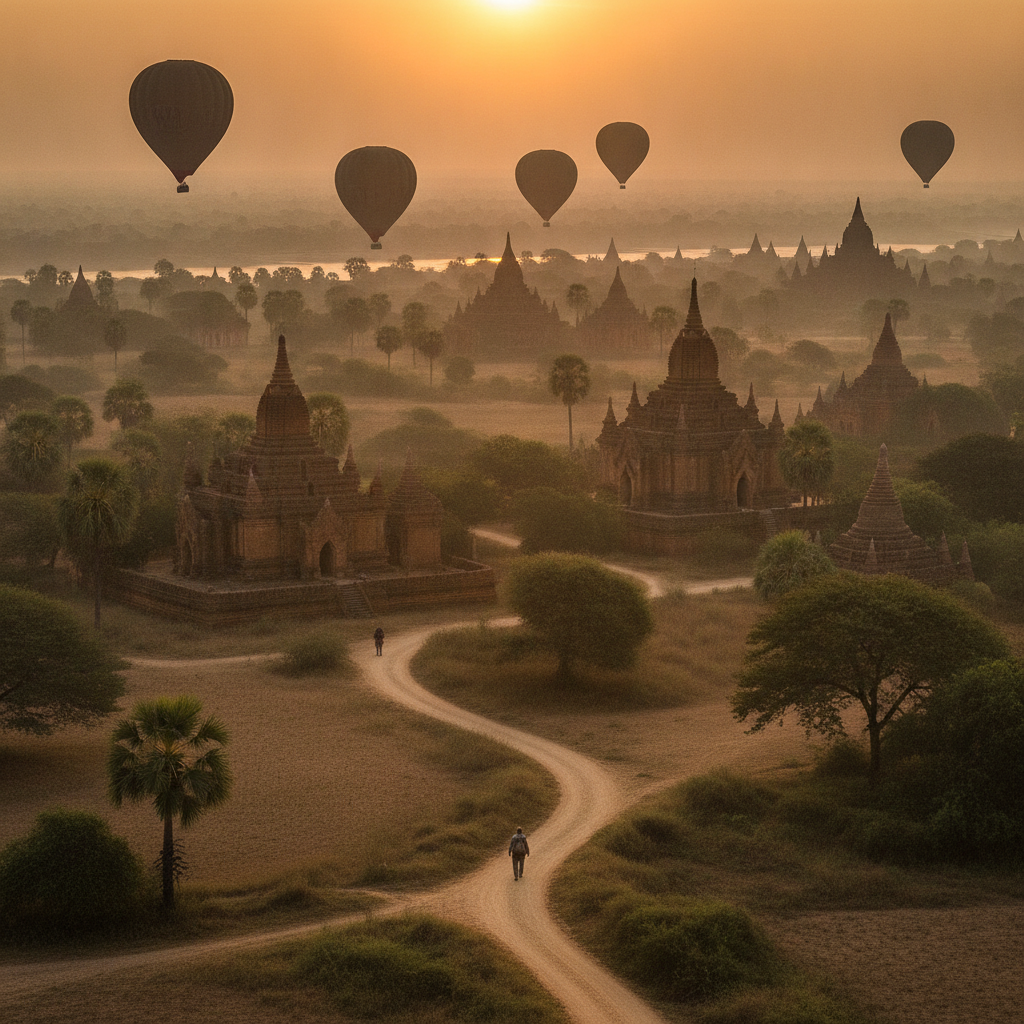
The remote temples in the southern and eastern sections of the Bagan archaeological zone (the monuments accessible only by the sand tracks through the scrub vegetation that separates the main archaeological clusters) provide the most rewarding discovery experience of the independent Bagan cycling exploration — the temples in these areas (typically smaller structures than the major monuments of the Old Bagan cluster, but often better preserved in their original state, without the restoration work that has altered the appearance of some of the major sites) are the most atmospheric encounters with the ancient landscape accessible in Bagan. The remote temple experience (the sudden appearance of a well-preserved terracotta tower above the scrub vegetation, the absence of other visitors, and the silence of the archaeological zone in the morning before the tour groups arrive) is the most consistently cited peak experience of the Bagan cycling itinerary.
- 4
Minnanthu Village Temples
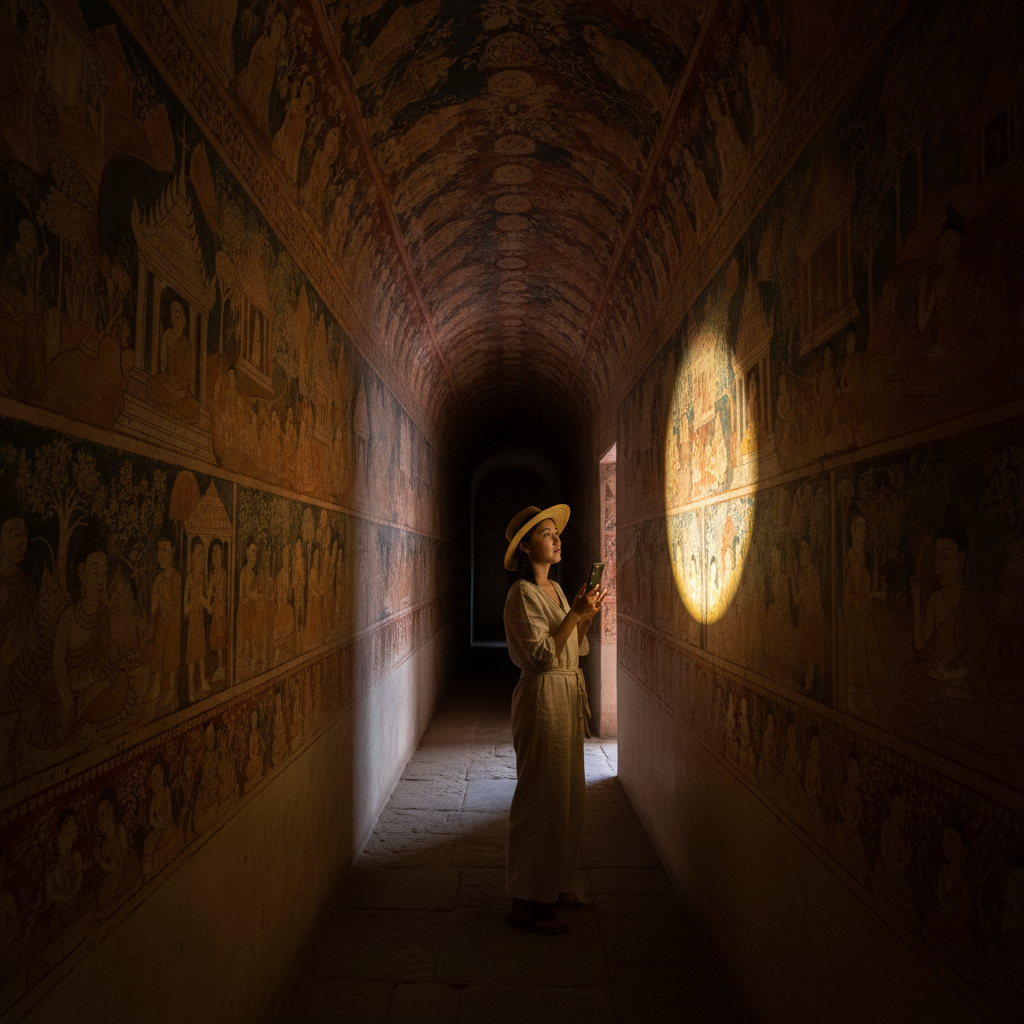
The Minnanthu village area in the southeastern section of the Bagan zone (the village community surrounded by a cluster of lesser-visited temples including Lemyethna, Thambula, and Nandamannya) provides the most complete integration of the living village community with the archaeological heritage accessible in Bagan — the temples in the Minnanthu area (some still in active use for the village Buddhist community, with monks visible in the temple grounds and the community's festival activities occurring in the temple compounds) create the most directly inhabited archaeological landscape accessible in the zone. The Nandamannya temple in the Minnanthu area is one of the most significant for the quality of its interior frescoes, with the Tantric Buddhist imagery painted in the 13th century representing the most artistically distinctive painting accessible in the zone.
- 5
Lacquerware Workshop
The lacquerware workshops in the Nyaung-U area (the craft tradition of Bagan lacquerware — the most distinctive art form of the Bagan region, using the sap of the thitsi tree applied in multiple layers to bamboo or wood forms and carved, engraved, or painted with the traditional Bagan decorative vocabulary) are the most accessible craft production encounters available during the temple circuit — the workshops (typically family operations where visitors can observe all stages of the production from the bamboo weaving of the base form through the lacquer application and drying to the final engraving and polishing) provide the most educationally complete encounter with the traditional Myanmar craft tradition accessible in the Bagan area. The Bagan lacquerware tradition (dating to the Bagan period itself, with the craft tradition documented in the temple frescoes of the 12th-13th centuries) is the most historically deep craft tradition accessible at any single Myanmar tourist destination.
- 6
Temple Plain Sunset
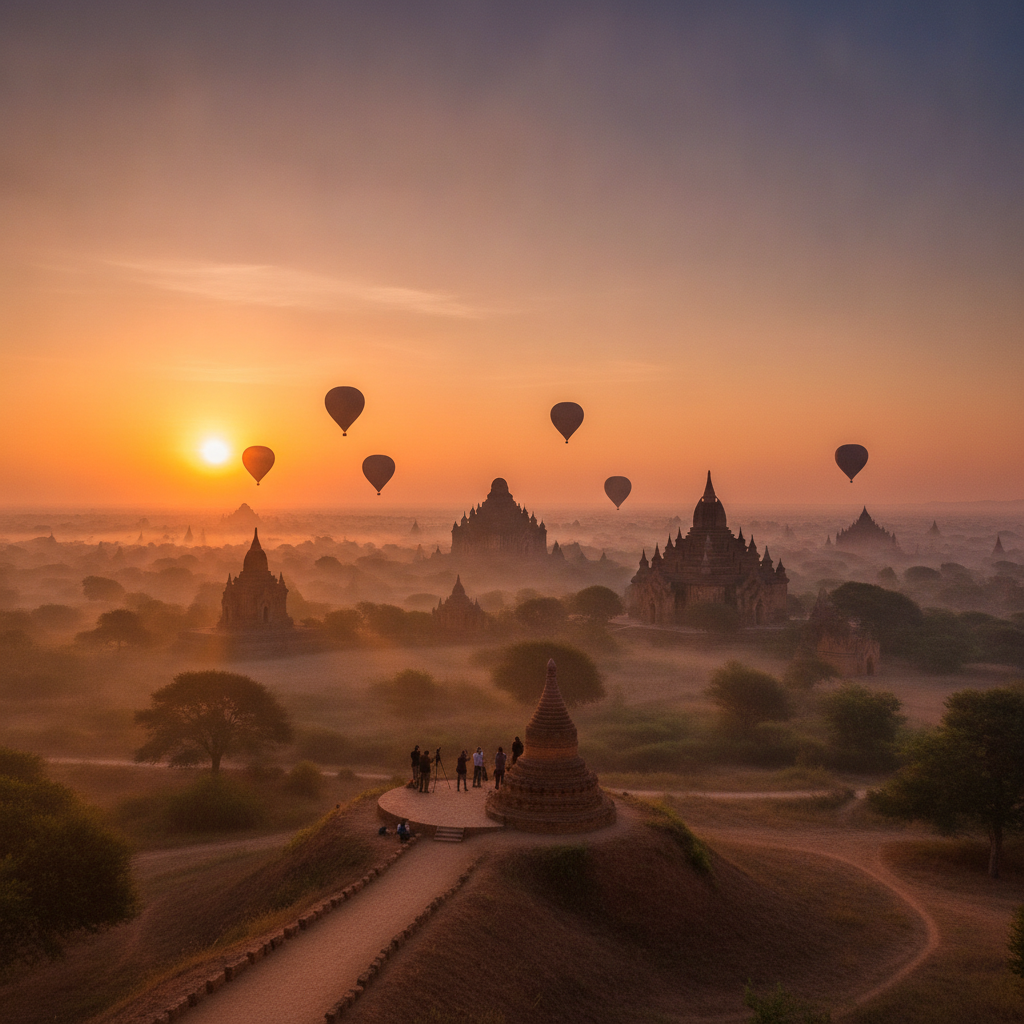
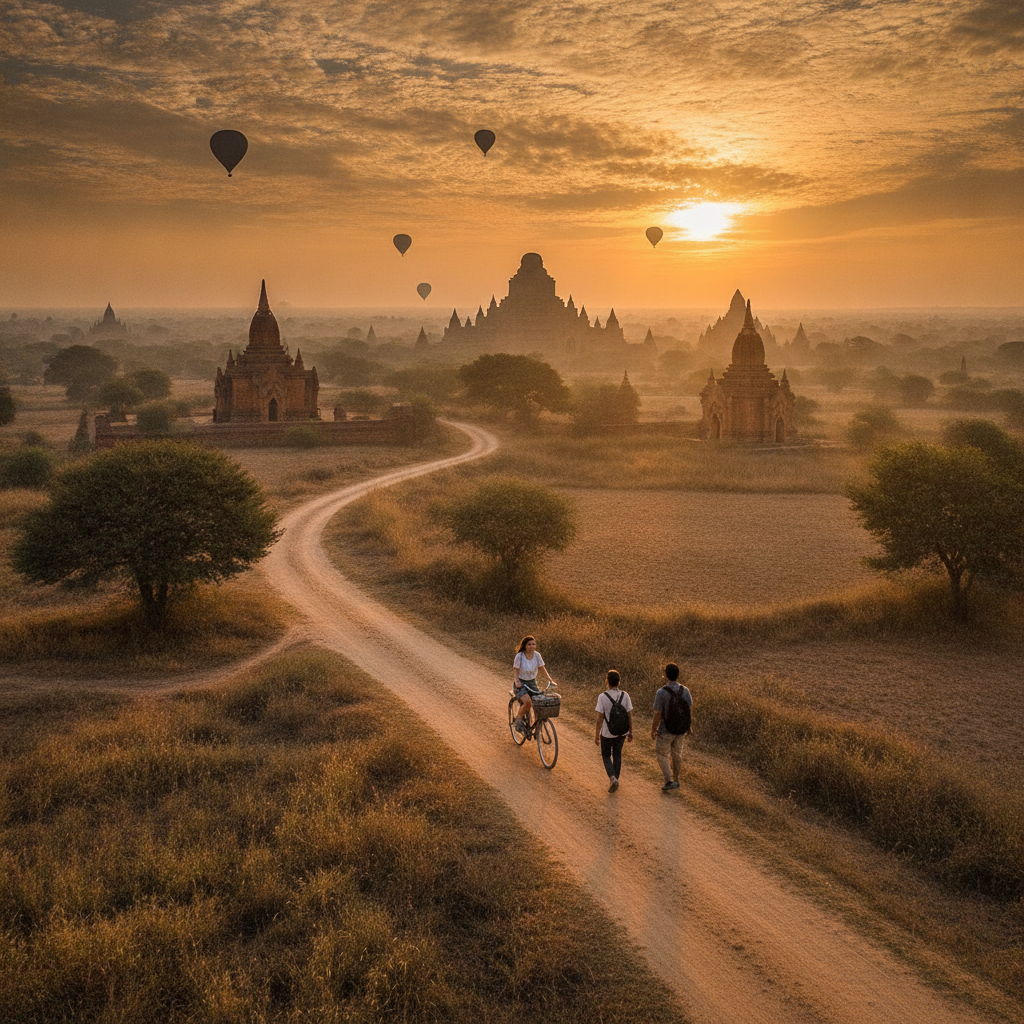
The sunset cycling return through the Bagan plain (the e-bike journey back toward Nyaung-U from the remote temple areas in the late afternoon, with the setting sun illuminating the terracotta towers from the west and the bicycle path through the temple plain at the most photogenic time of day) is the most consistently memorable single experience of the Bagan cycling circuit — the golden hour illumination of the ancient brick (the warm orange-red light catching the rough terracotta surface of the unrestored temples, creating the most textured and most ancient-feeling version of the Bagan landscape available at any time of day), combined with the cooling temperature of the late afternoon and the reduced visitor numbers as the tour groups return to their hotels, creates the most complete encounter with the Bagan temple landscape available during the cycling day.
Walk this route with audio
Stories play automatically as you reach each stop — no tapping needed.