Andijan Silk Weaving Workshop Tradition
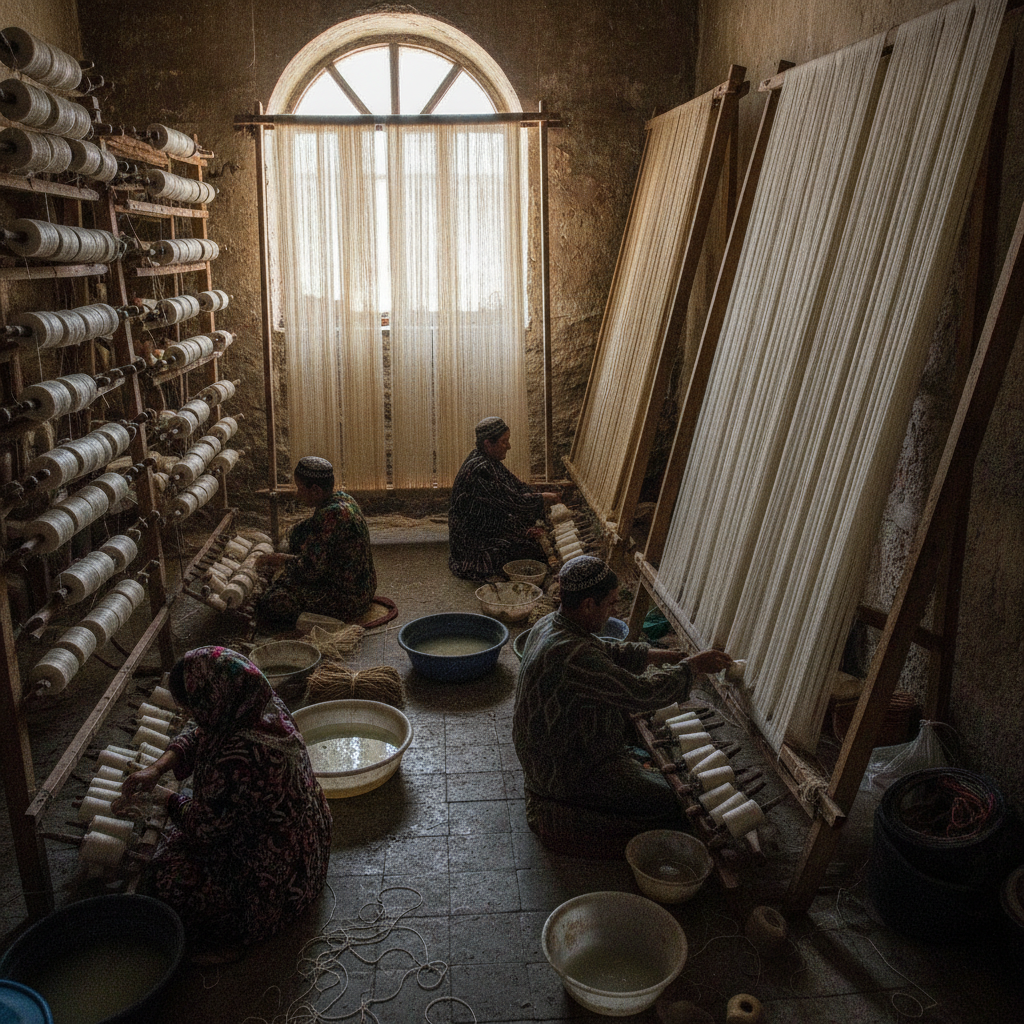
Explore the silk weaving tradition in and around Andijan — the workshops producing the ikat-dyed silk fabric that is the Fergana Valley's most celebrated craft, the tradition rooted in the valley's long history as a silk production center going back two millennia, the contemporary master weavers maintaining techniques while adapting designs for both the local and international markets.
- 1
Thread Preparation Workshop
A thread preparation workshop near Andijan — the silk threads wound from cocoons and prepared for the ikat tying process, the workspace filled with frames of wound thread and the chemical smell of the dye vats, the preparation phase requiring careful measuring to ensure the ikat pattern registers correctly across the width of the woven fabric.
- 2
Ikat Pattern Design
The ikat pattern design process used by Andijan-area weavers — the traditional designs transmitted from master to apprentice in the oral and visual tradition, the contemporary designers adapting the ancestral geometric and floral patterns to current color preferences, the design knowledge considered a family heritage worth protecting from imitation.
- 3
Ferghana Valley Silk History
The Ferghana Valley silk history visible at a local museum display — the evidence of silk production in this valley from at least the 2nd century CE, the valley's position at the eastern end of the Silk Road making it both a producer and a transit point for Chinese raw silk, the centuries of craft development producing the distinctive Fergana ikat style.
- 4
Weaving on Backstrap Loom
Weaving on the traditional backstrap loom in a village workshop outside Andijan — the simplest loom technology used for narrow-width fabric production, the weaver's body tension controlling the warp tension, the technique allowing a weaver to work anywhere without a fixed loom installation, the fabric produced in narrow strips joined to make wider cloth.
- 5
Silk Fabric Market
The silk fabric market section of the Andijan bazaar — the stalls selling both locally-produced ikat and factory-produced silk fabric for the urban clothing market, the price gradient from hand-woven silk to machine-produced polyester ikat-print fabrics, the market vendors who can identify the quality and origin of each fabric type.
- 6
Adras Mixed Fabric Tradition
The adras mixed fabric tradition of the Fergana Valley — the fabric woven with a silk warp and cotton weft creating a lighter, more affordable alternative to pure silk ikat, the adras producing a slightly more muted color than pure silk but with the same ikat pattern, the fabric traditionally used for men's robes and women's everyday dress as a more durable alternative to silk.
Walk this route with audio
Stories play automatically as you reach each stop — no tapping needed.
More in andijan
Andijan Mountain Nature Day Trips Eastern Valley
Andijan Kokand Khanate Eastern Frontier Heritage
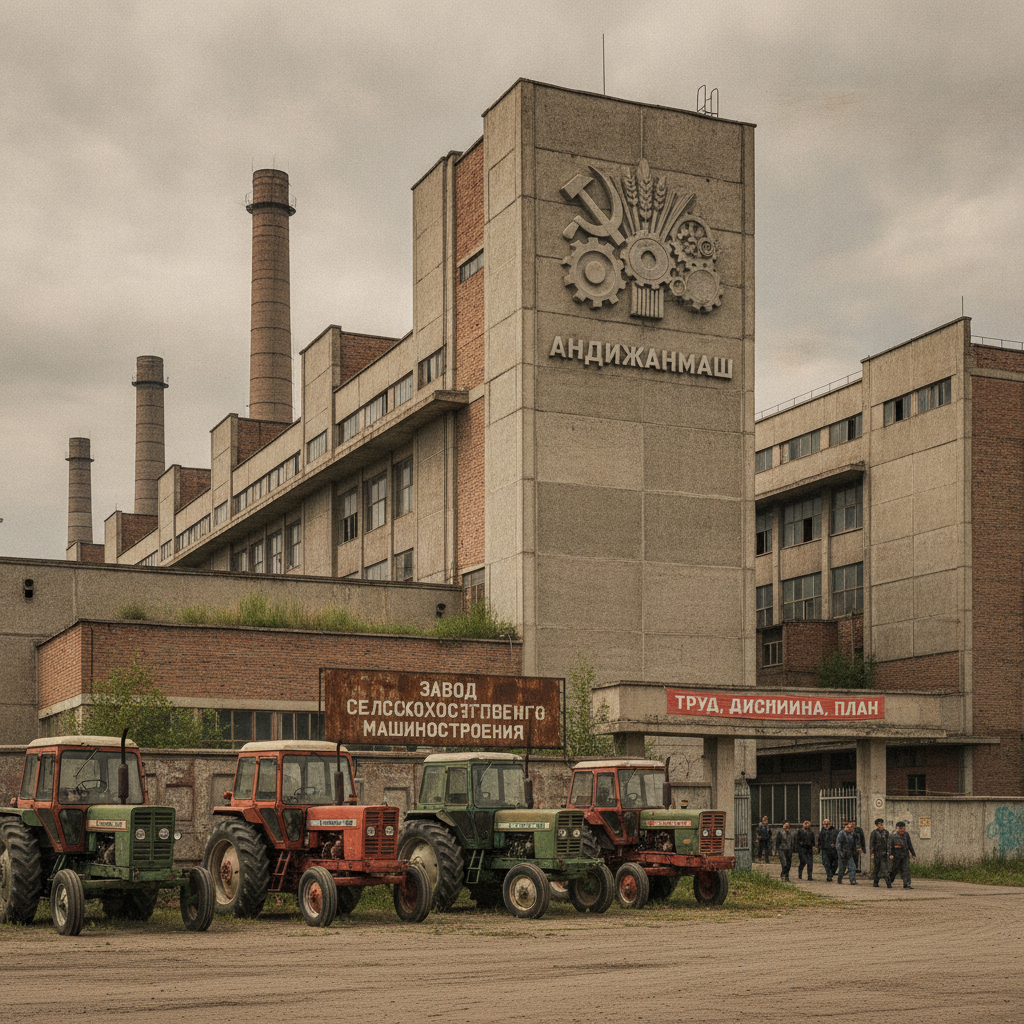
Andijan Khanabad Industrial Heritage District
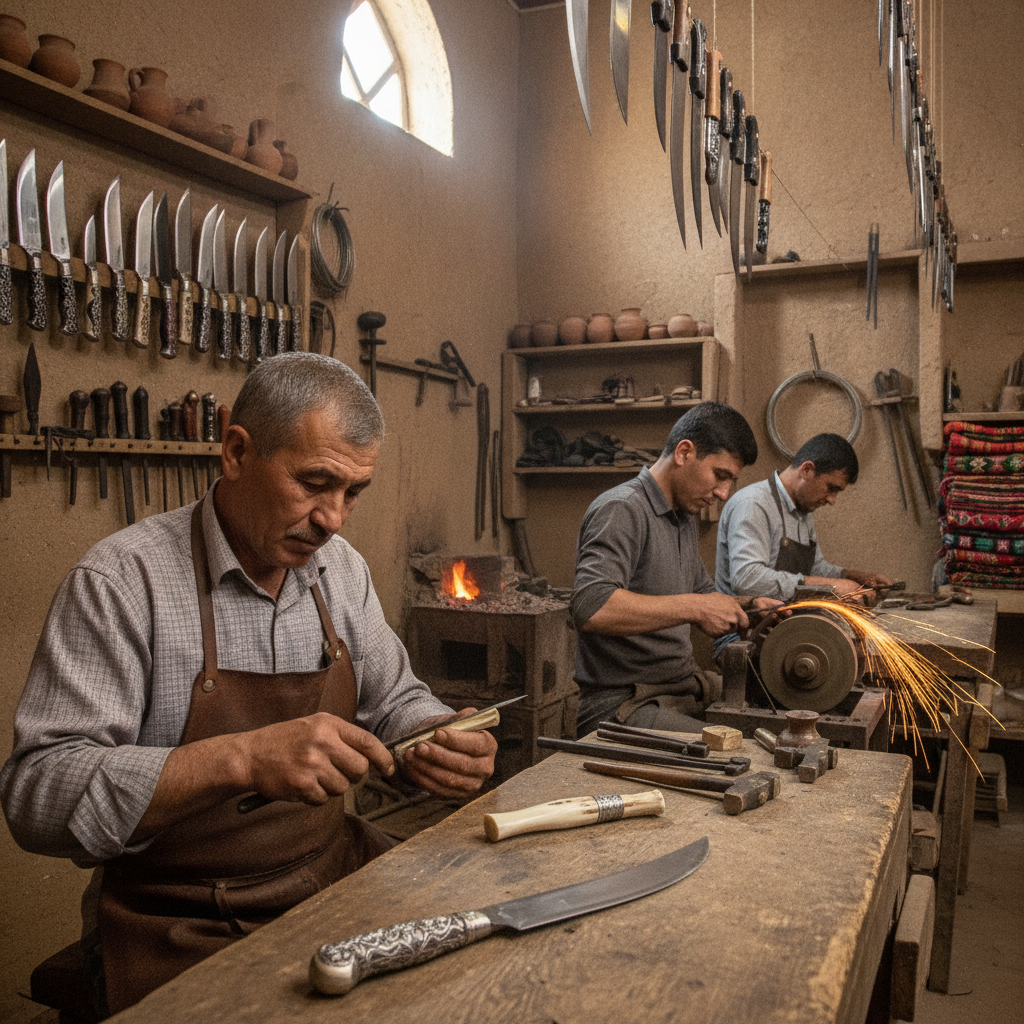
Andijan Traditional Craft Workshops Knife Making
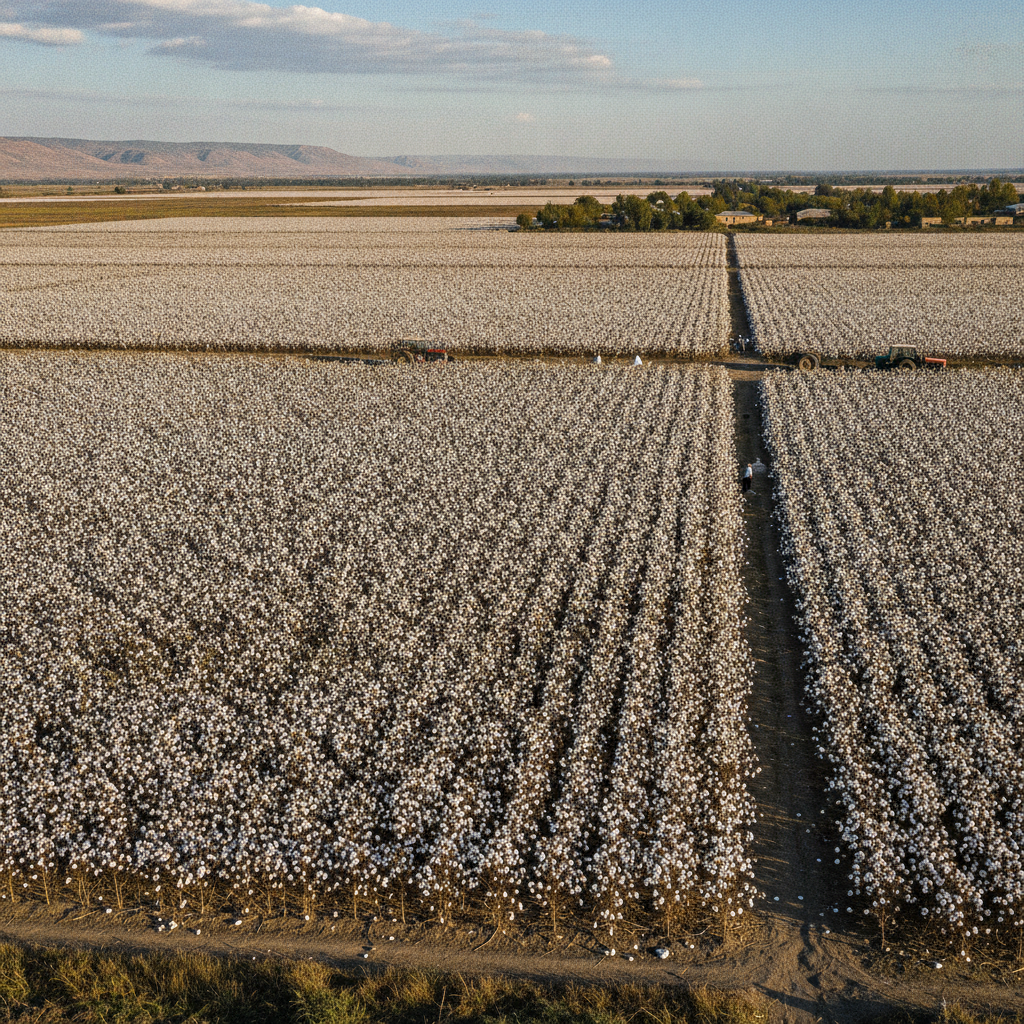
Andijan Fergana Valley Agricultural Heartland