Amman History: The Ammonite Rabbath Ammon, the Hellenistic Philadelphia, the Roman Gerasa, the Byzantine City, the Umayyad Capital, and the Modern Jordanian Capital
The Amman history route covers the Ammonite Rabbath Ammon as the most frequently mentioned ancient Transjordanian city in the Bible, the Hellenistic-Roman Philadelphia, the Byzantine Christian city, the Umayyad administrative center, and the modern Hashemite capital.
- 1
Rabbath Ammon: The Ammonite Capital
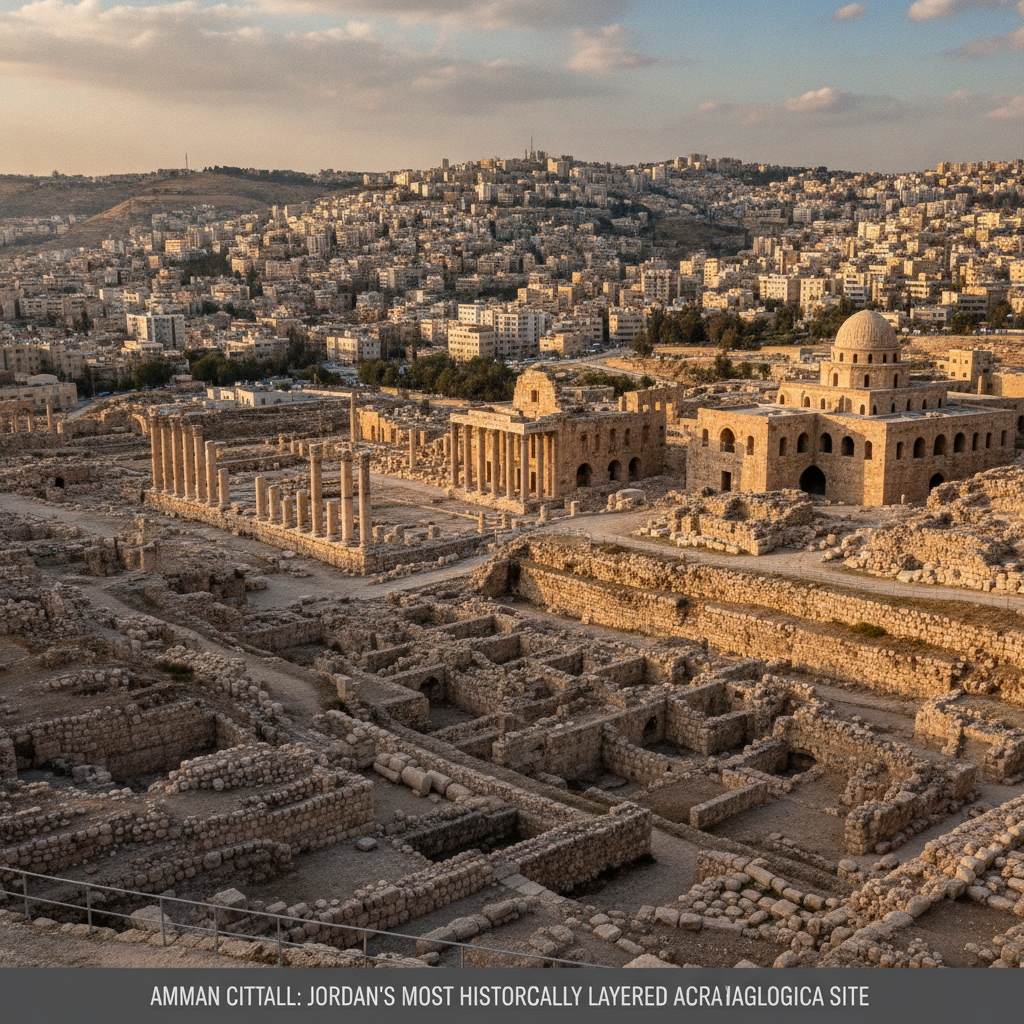
Rabbath Ammon (the Great City of the Ammonites, the most frequently mentioned Transjordanian city in the Hebrew Bible with the siege by David and the death of Uriah the Hittite as the most narratively dramatic single Ammonite story in the biblical tradition), the Iron Age capital of the Ammonite kingdom (1200-332 BC), is the most archaeologically documented single Ammonite urban site with the Citadel excavations revealing the most extensive single Iron Age building complex in the Jordan valley.
- 2
Philadelphia: The Hellenistic Ptolemaic City
Philadelphia (the Hellenistic name given by Ptolemy II Philadelphus, the Egyptian king who rebuilt the city circa 259 BC and named it for himself in the most self-referentially named single Hellenistic city in the Levant), became the most commercially important single city in the eastern Decapolis confederation and the most strategically positioned single Hellenistic city in the Transjordan with the most productive single trade connection to the Nabataean caravan route.
- 3
Roman Philadelphia: The Decapolis Metropolis
Roman Philadelphia (1st-4th century AD), one of the most important cities of the Roman Decapolis confederation (the most commercially active single Roman-era network of ten cities in the Transjordan and the Hauran), built the most dramatically positioned single Roman theatre in the Transjordan (the 6,000-seat theatre now called the Roman Theatre of Amman), the nymphaeum fountain, and the colonnaded street network that made Philadelphia the most architecturally developed single Decapolis city after Jerash.
- 4
Byzantine Amman: The Christian City
The Byzantine period Amman (4th-7th century AD) produced the most extensive single early Christian church building program in the Transjordan with 14 churches identified on the Citadel and in the surrounding hills. The Byzantine mosaic floor tradition (the most regionally specific single Jordanian Byzantine art form) is the most extensively represented single art tradition in the Jordan museums.
- 5
Hashemite Kingdom: The Modern Capital Since 1921
The British Mandate created Transjordan in 1921 and the Hashemite King Abdullah I chose Amman as the capital of the new kingdom, transforming the most modestly inhabited single Roman ruin (estimated population of 2,000-3,000 in 1900) into the most rapidly growing single Arab capital city of the 20th century. The 1948 Palestinian refugees (the most historically consequential single demographic event in modern Jordan), the 1967 West Bank refugees, and the 1991 Gulf War returnees created the most ethnically diverse single Jordanian city.
- 6
Modern Amman: The Refugee Capital
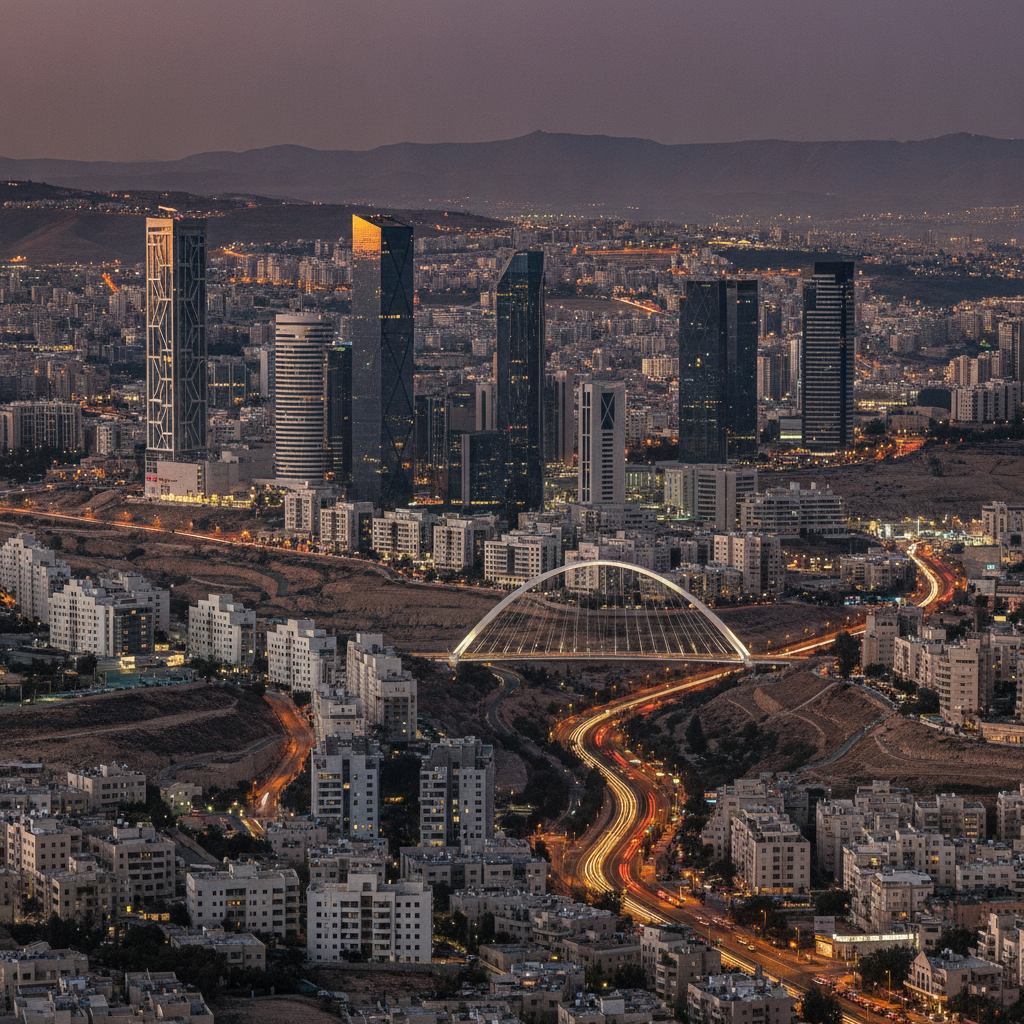
Amman today, with the most internationally diverse single refugee population of any Arab capital (the Palestinian Jordanian majority, the most significant single Iraqi refugee community in the Arab world after 2003, and the most extensive Syrian refugee registration in any Arab city after 2011), is the most geopolitically significant single city in the Levant region and the most diplomatically active single Arab capital in the Middle East peace process. The Amman cosmopolitan character is the most directly shaped single Arab capital by the most successive waves of refugee arrival.
Walk this route with audio
Stories play automatically as you reach each stop — no tapping needed.
More in Amman
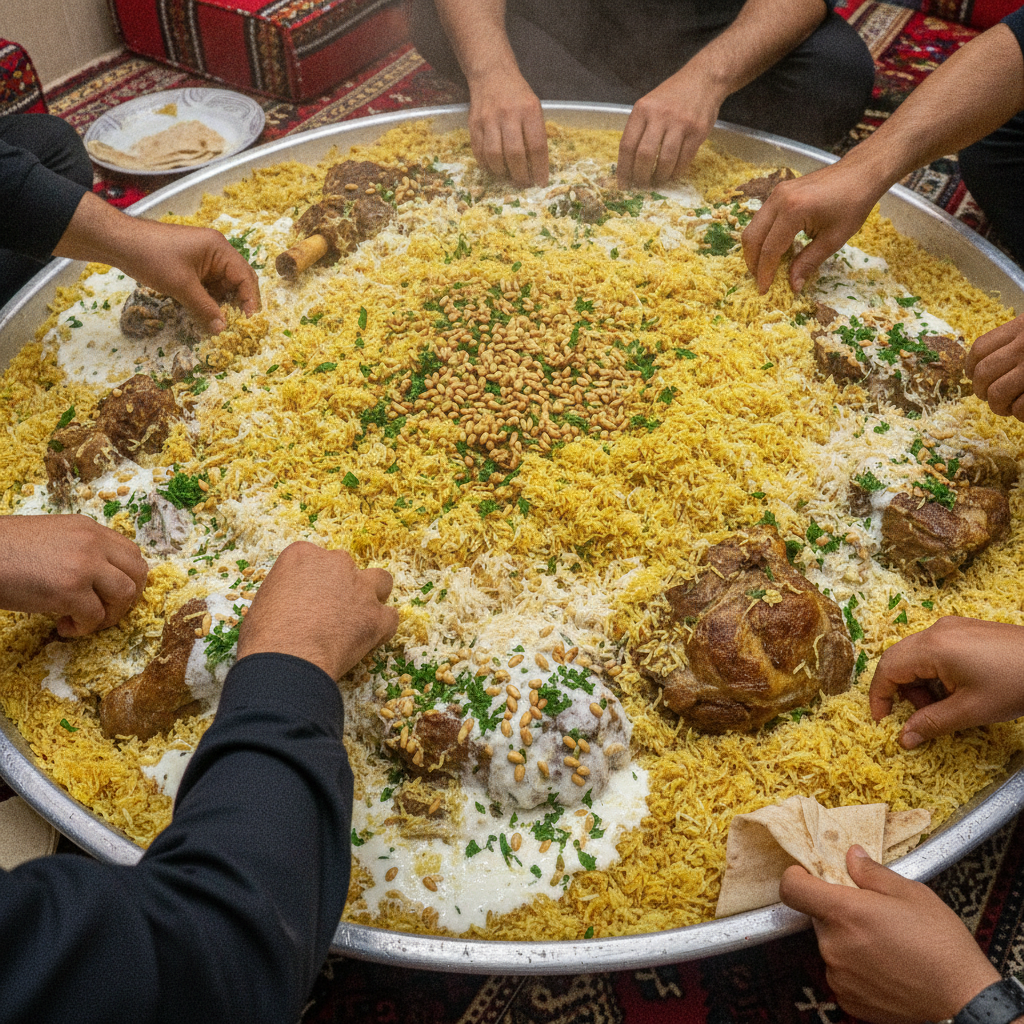
Amman's Food & Culture: Mansaf by Hand, Palestinian Knafeh & Rome's Best Ruins at Jerash
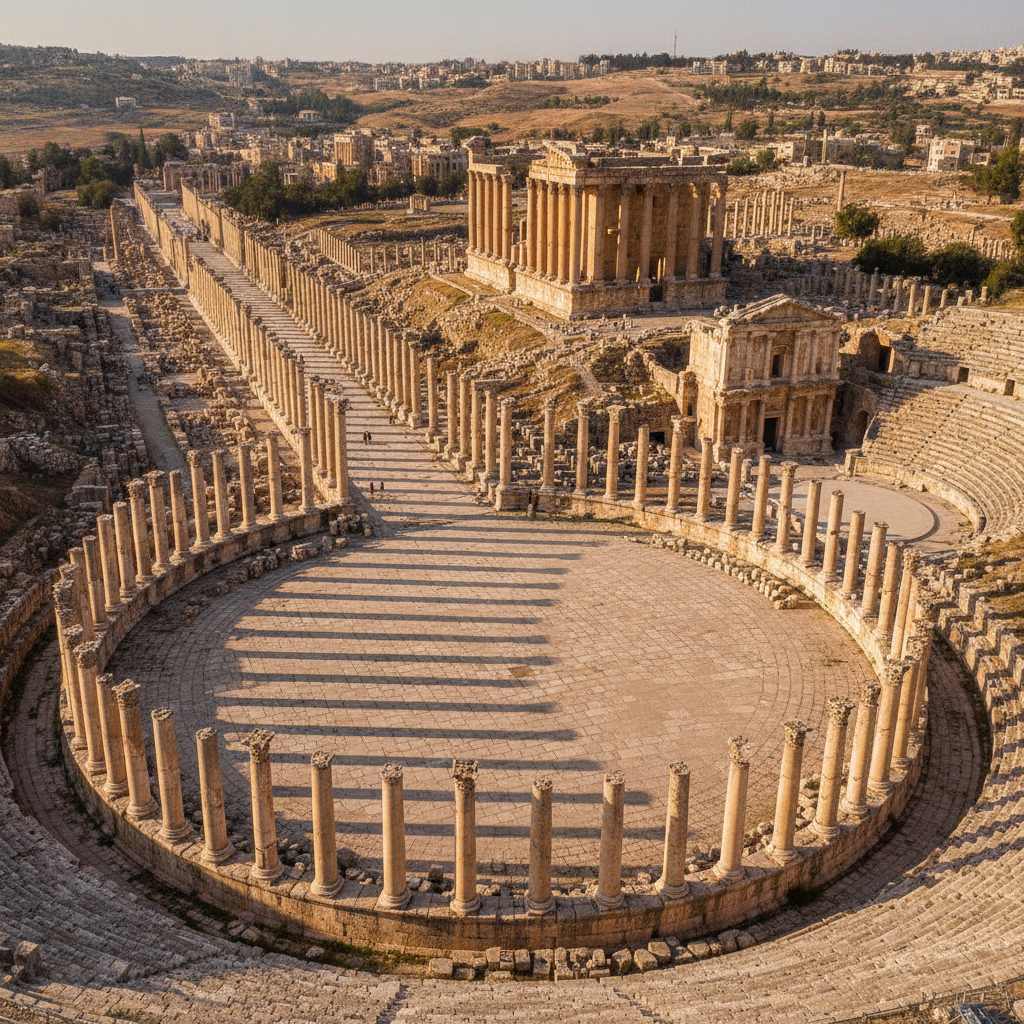
Amman Day Trips: Jerash Roman City, Ajloun Castle, the Dead Sea Float, and the Madaba Mosaic Map
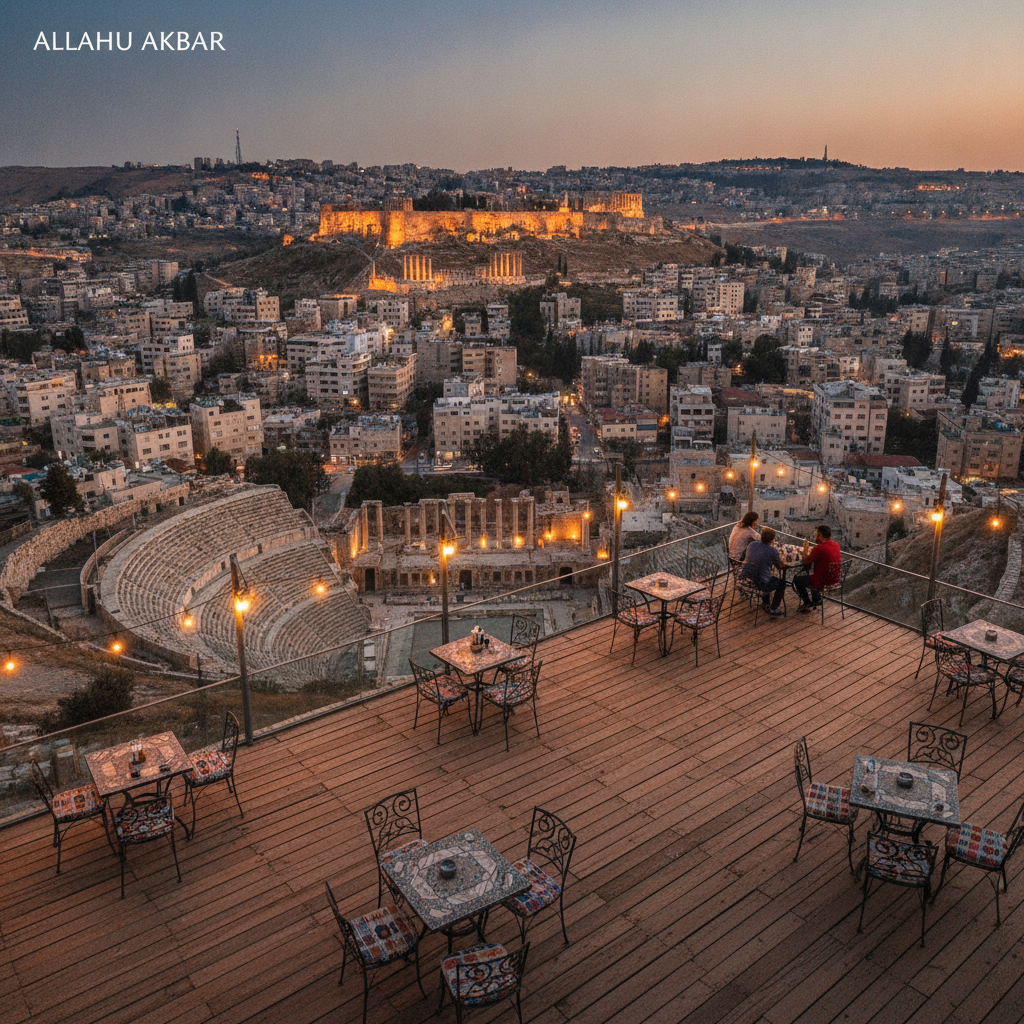
Amman's Living Culture: Syrian Restaurants, Wild Jordan Café & a Diplomatic Crossroads
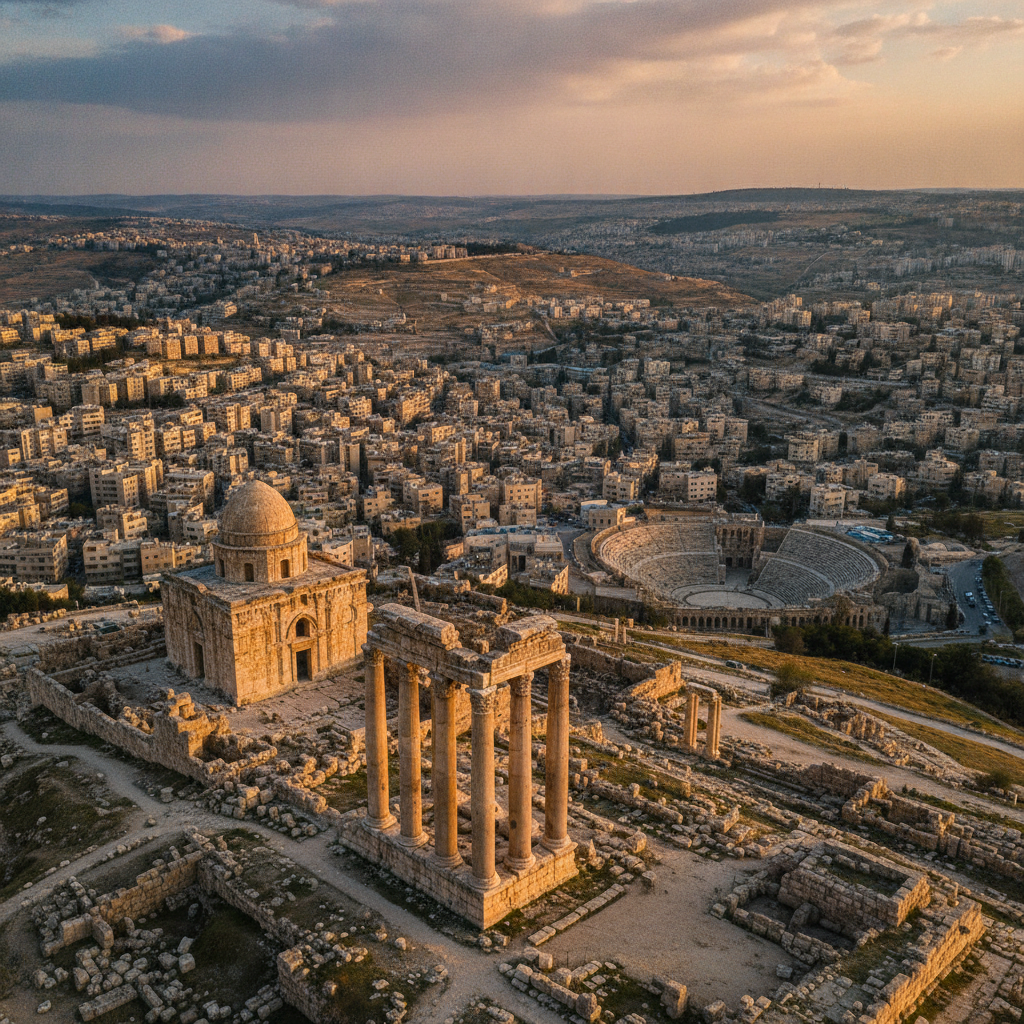
Amman Essential: The Citadel with the Temple of Hercules, the Roman Theatre, the Umayyad Palace, Rainbow Street, and the Downtown Medley of Ancient and Modern Jordan