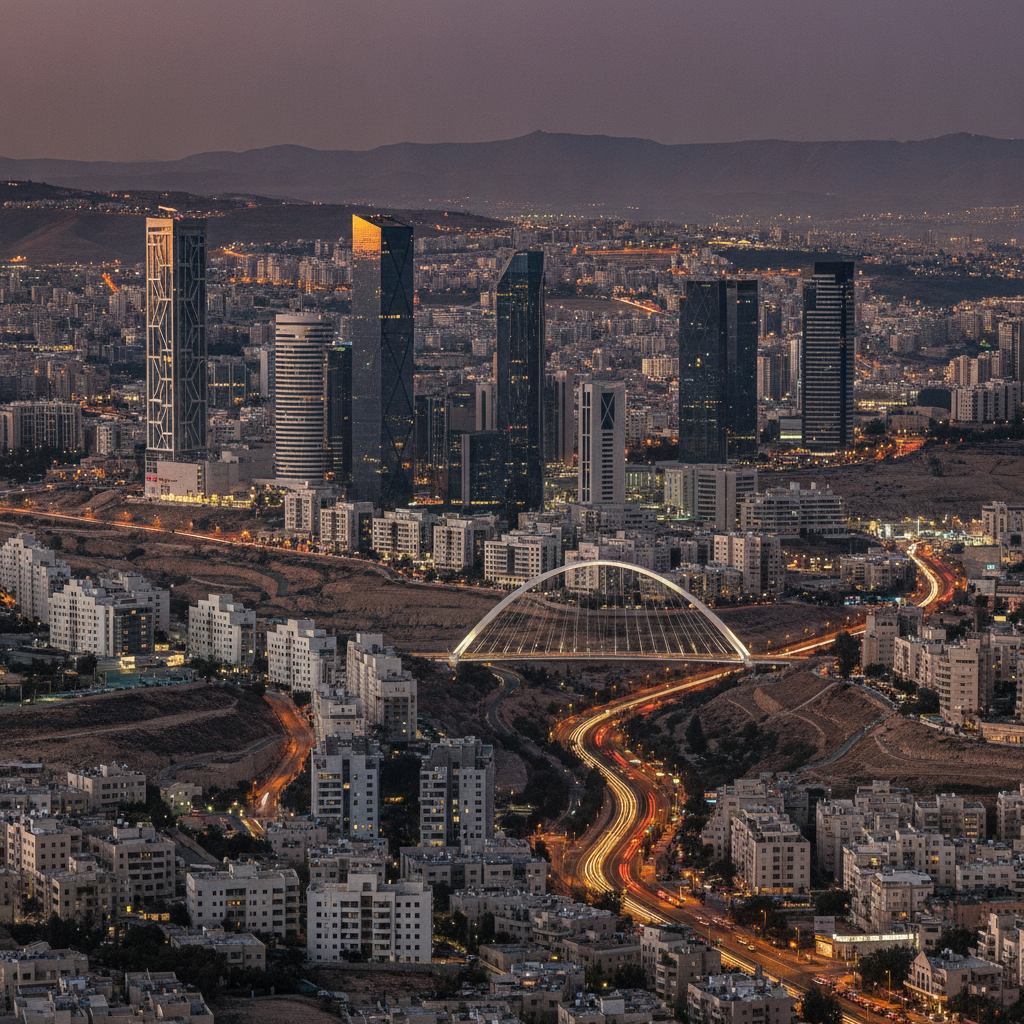
Amman's Layers: 9,000-Year-Old Statues, the Hashemite Royals & the Palestinian Gold Souk
Discover Amman's extraordinary depth—the 7500 BC Ain Ghazal plaster statues (the world's oldest monumental human sculpture found during road construction in 1983), the Hashemite Royal Family's direct descent from the Prophet Muhammad, Jordan's 400,000-strong indigenous Christian community, the Darat al-Funun contemporary art residency in a 1920s villa, and the downtown gold souk where prices are set by daily gold rates.
- 1
Amman's Ancient History – Rabbath Ammon to Philadelphia
Amman has been continuously inhabited for over 8,000 years. The Ain Ghazal Neolithic statues (7500 BC)—32 plaster human figures discovered during road construction in 1983, now in the Jordan Museum—are among the world's oldest monumental sculptures. The city was known as Rabbath Ammon (capital of the Ammonites) in the Bronze and Iron Age—its name appears in the Bible as a city David besieged and took (2 Samuel 12). It became Philadelphia under the Ptolemies, then a prosperous Roman Decapolis city before the Arab conquest of 636 AD renamed it Amman.
- 2
The Hashemite Kingdom & Jordan's Royal Family
Jordan's Hashemite Royal Family traces direct descent from the Prophet Muhammad through the Sharif of Mecca. King Abdullah II (reigned 1999–present) and his wife Queen Rania are among the Arab world's most diplomatically active royals; Queen Rania's social media presence and advocacy for education have made her one of the most recognised figures in the region. The royal palaces (Al-Husseiniya, Beit Al-Urdun) are in west Amman; the Beit Al-Urdun complex is occasionally open for national day celebrations.
- 3
Amman's Christian Community
Amman and Jordan have a significant indigenous Christian community—Christians make up approximately 4% of Jordan's population (400,000 people), a proportion that has declined from 30% in 1940 due to emigration and differential birth rates. The community is predominantly Greek Orthodox, with significant Roman Catholic, Armenian, and various Eastern Christian congregations. The Greek Orthodox Cathedral and St Joseph's Church are the most historically significant churches in downtown Amman. Christians hold prominent positions in Jordanian public life disproportionate to their numbers.
- 4
Amman's Contemporary Art Scene
Amman's contemporary art scene has grown rapidly since the 2000s—Darat al-Funun (operating in a 1920s villa above downtown) is Jordan's most respected non-commercial gallery, running a residency programme for Arab artists. Nabad Art Gallery in Weibdeh represents Jordanian contemporary artists; the Jordan National Gallery of Fine Arts holds the Arab world's most comprehensive collection of modern Arab and Islamic art. The Amman Design Week (September) brings international design culture to the city's galleries, public spaces, and restaurants.
- 5
Shopping in Amman – Crafts, Gold & Modern Malls
Amman offers the full spectrum of Middle Eastern shopping. The gold souk in downtown Amman sells 18-karat and 21-karat Arabic gold at prices regulated by daily gold rates (craftsmanship charged separately). The souvenir shops of Jabal Amman and Rainbow Street sell Palestinian embroidery (tatreez), Jordanian silver jewellery, Dead Sea mineral products, and Bedouin crafts. The Jordan River Foundation's shops sell handicrafts made by Jordanian women's cooperatives; the Citadel gift shop has the best quality reproduction Nabataean and Roman pieces.
- 6
Amman's Architectural Layers – Ottoman to Brutalist
Amman's architecture layers history from Ottoman-era stone houses (early 20th century, in the Jabal Amman and Weibdeh districts) through the Italian-influenced buildings of the early Jordanian state (1940s–1950s) to the rapid concrete construction of the refugee influx periods and the glass towers of the 2000s–2020s Abdali development. The requirement for limestone cladding (established in the 1970s) gives the city visual coherence despite the rapid construction. The Abdali Boulevard development in northern downtown is the most ambitious urban regeneration project.
Walk this route with audio
Stories play automatically as you reach each stop — no tapping needed.
More in Amman
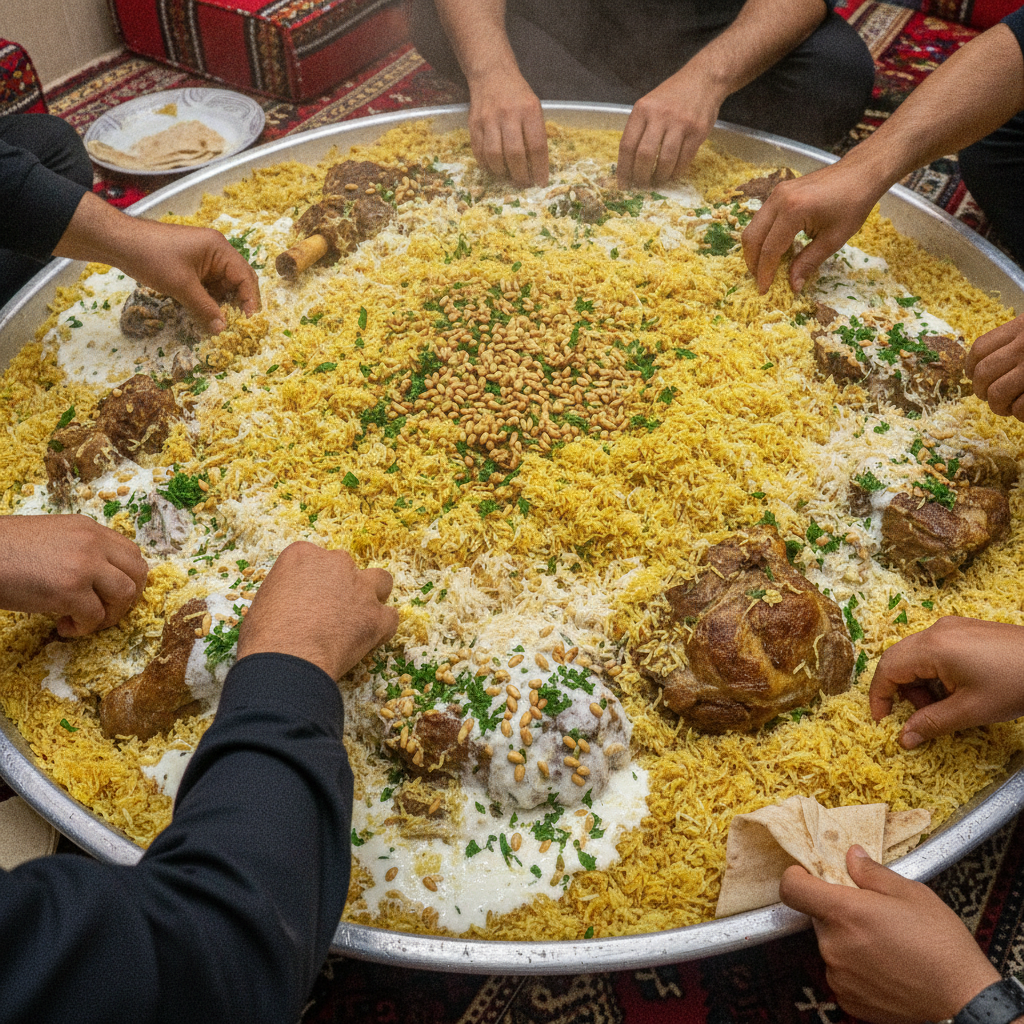
Amman's Food & Culture: Mansaf by Hand, Palestinian Knafeh & Rome's Best Ruins at Jerash
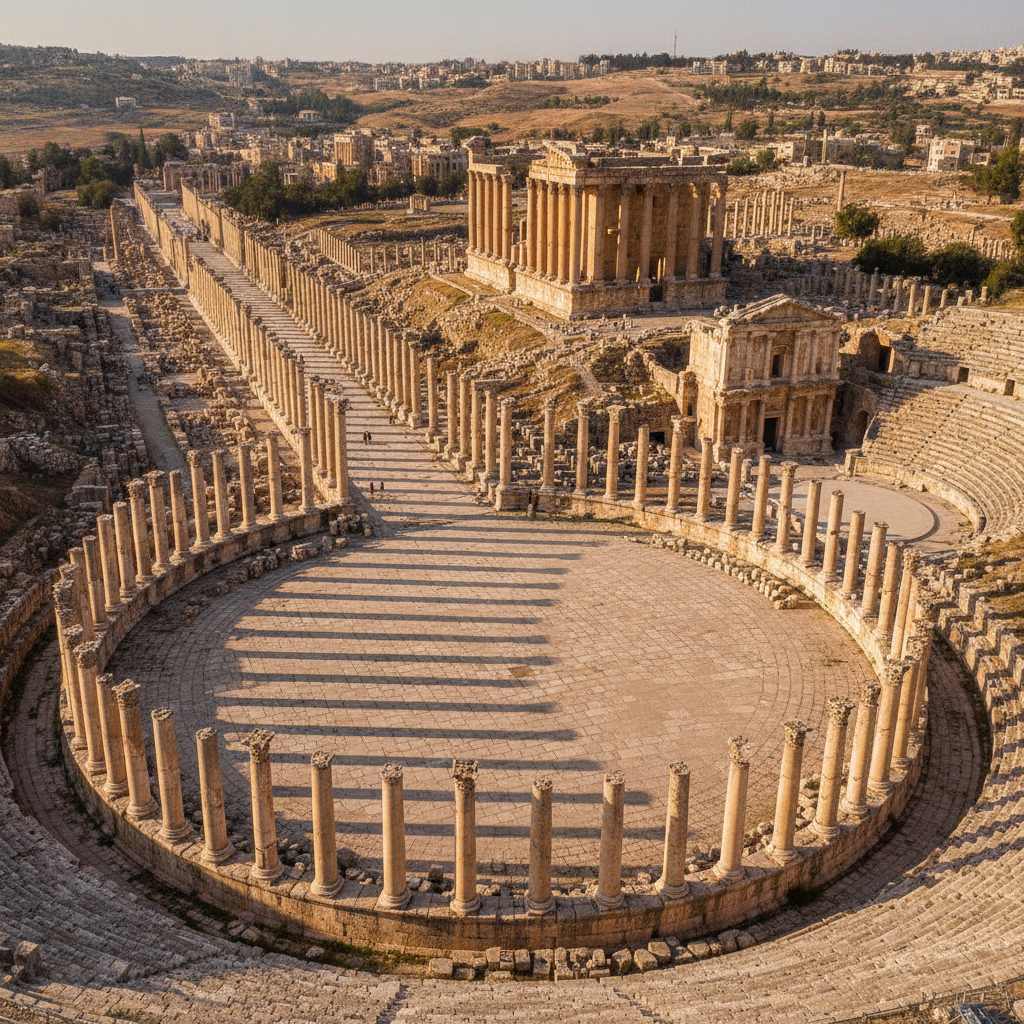
Amman Day Trips: Jerash Roman City, Ajloun Castle, the Dead Sea Float, and the Madaba Mosaic Map
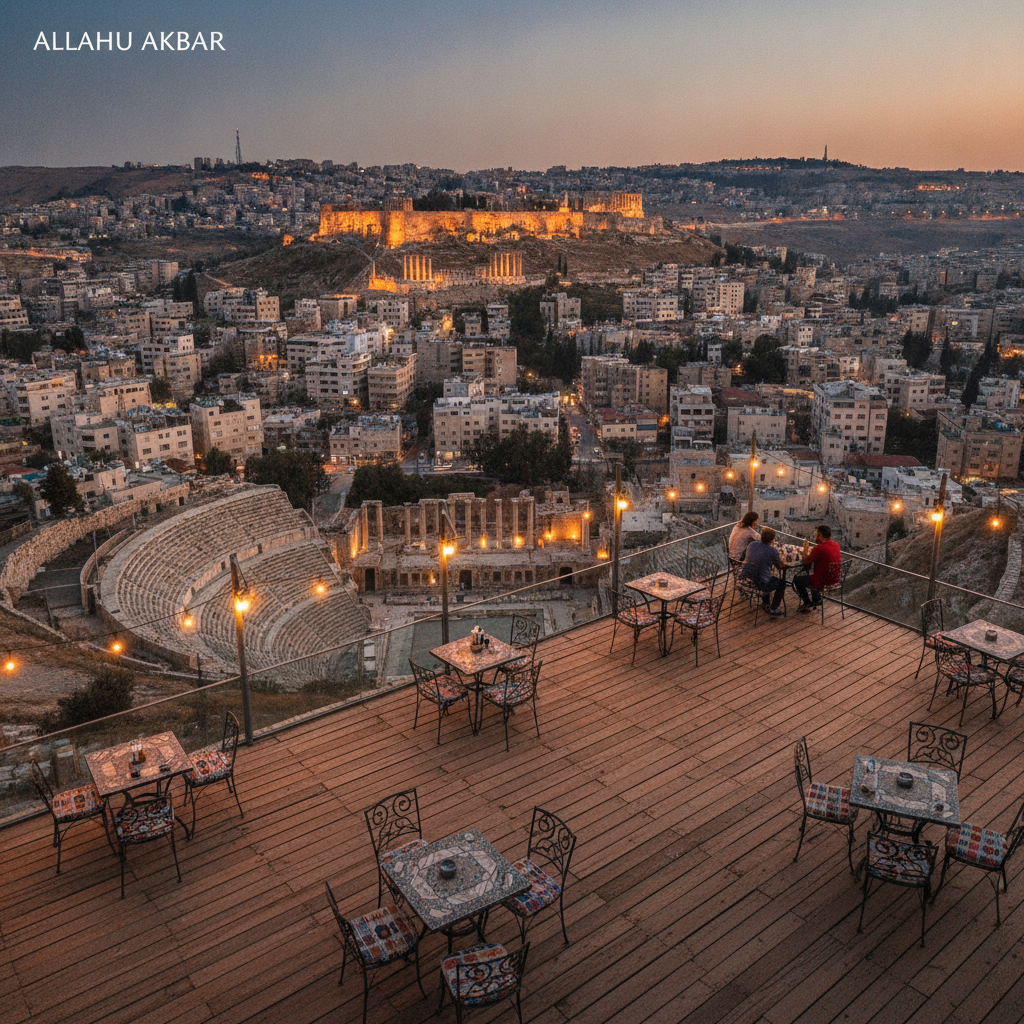
Amman's Living Culture: Syrian Restaurants, Wild Jordan Café & a Diplomatic Crossroads
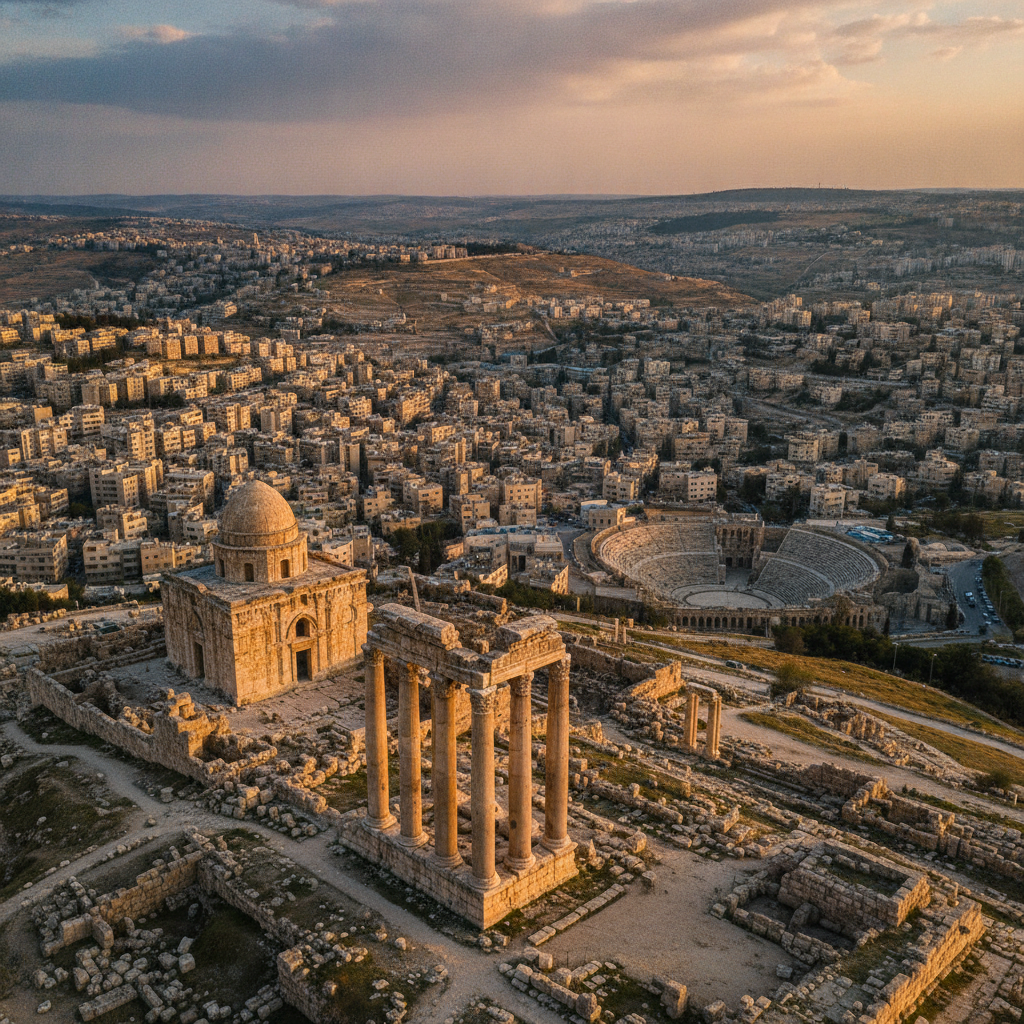
Amman Essential: The Citadel with the Temple of Hercules, the Roman Theatre, the Umayyad Palace, Rainbow Street, and the Downtown Medley of Ancient and Modern Jordan
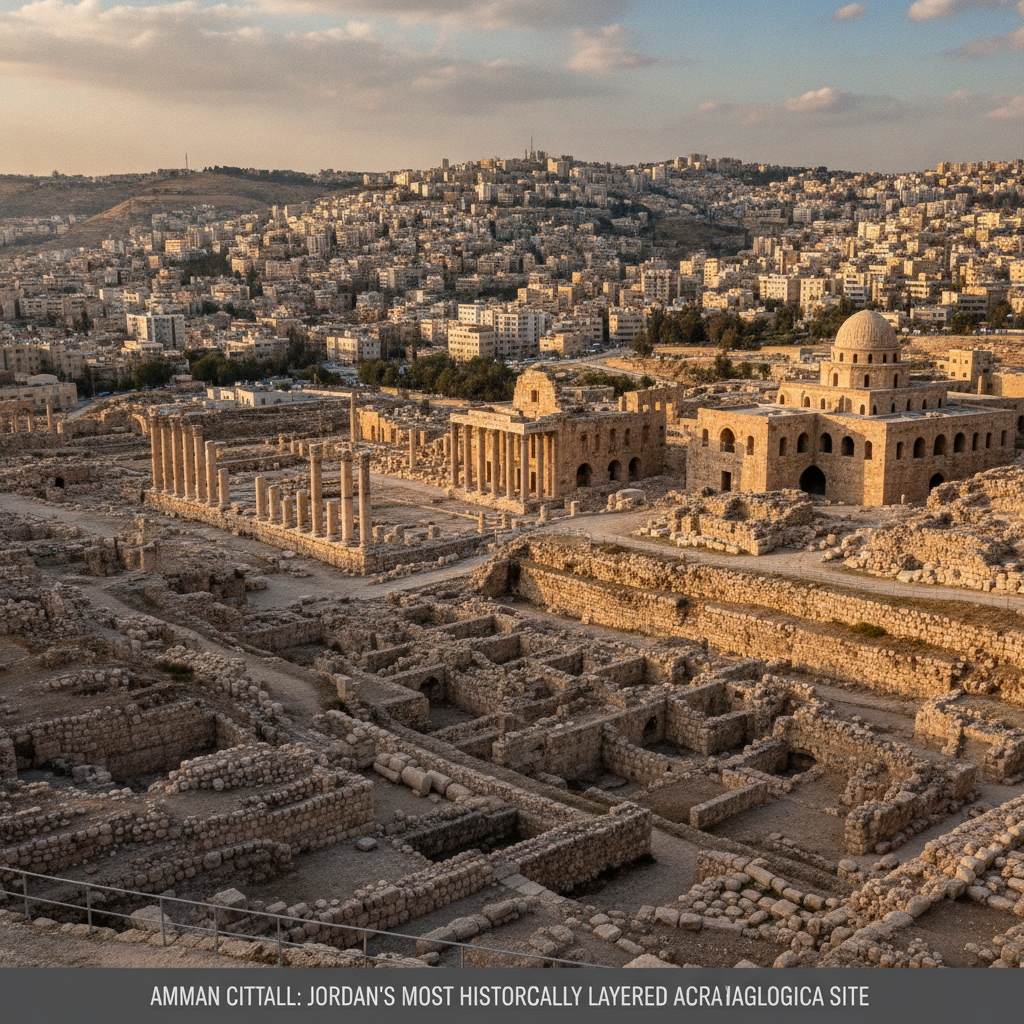
Amman History: The Ammonite Rabbath Ammon, the Hellenistic Philadelphia, the Roman Gerasa, the Byzantine City, the Umayyad Capital, and the Modern Jordanian Capital