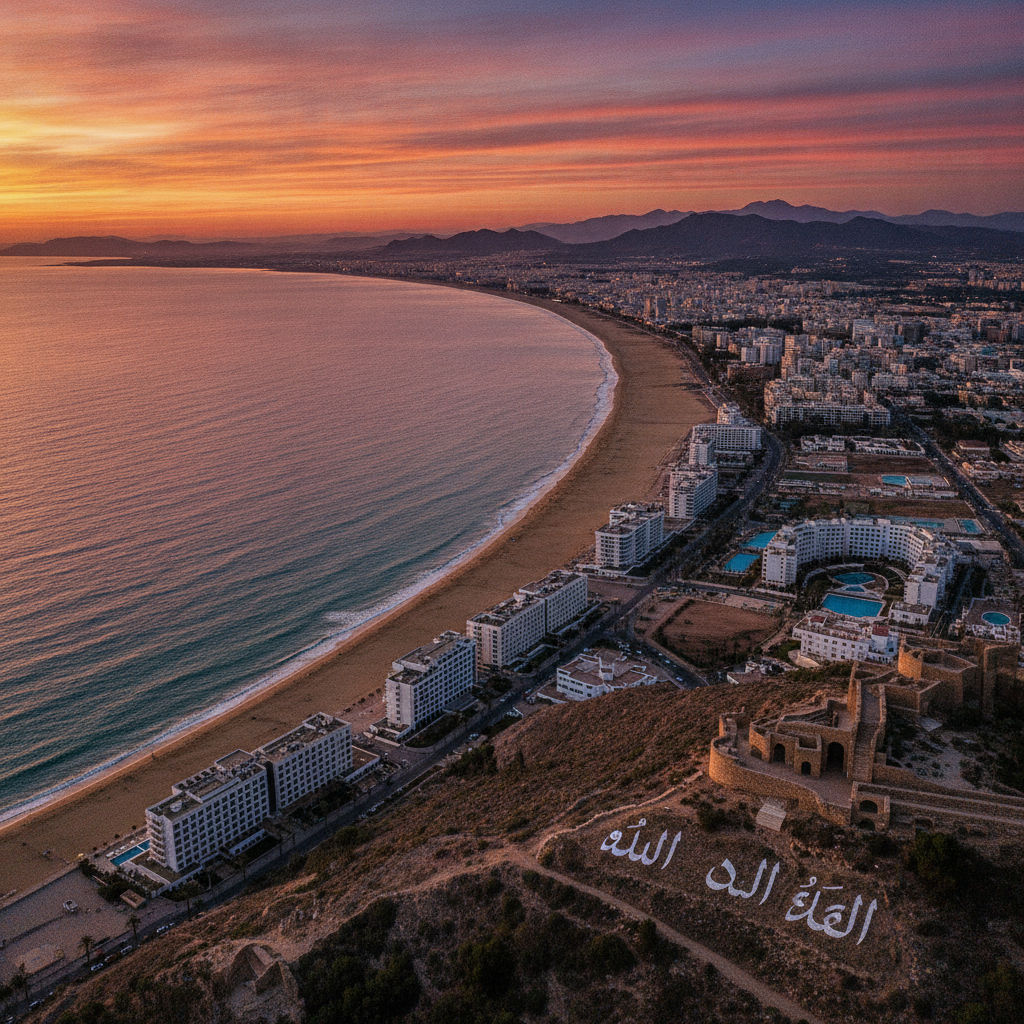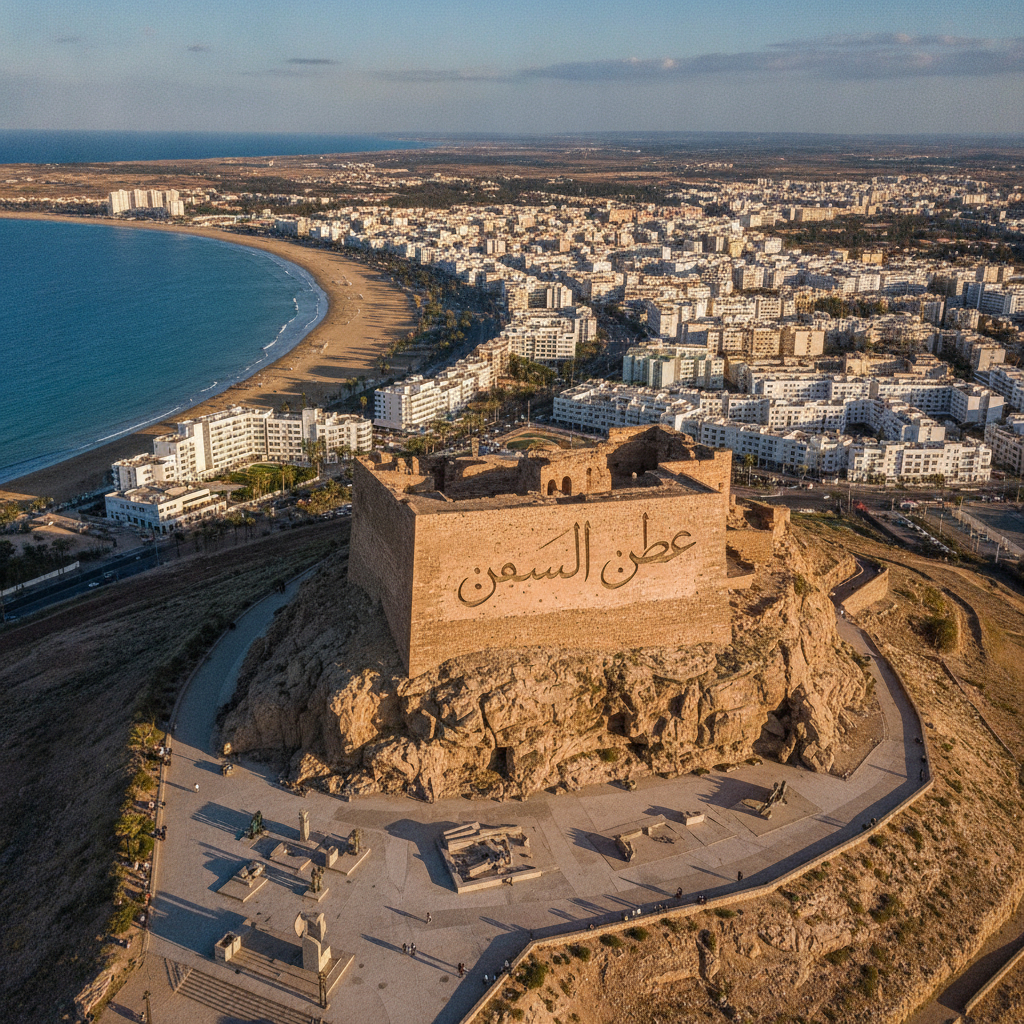
Agadir History: The Portuguese Kasbah, the Colonial Economy, the 1960 Earthquake Reconstruction, the Memory Museum, and the Reinvented Modern Moroccan City
The Agadir history route covers the Portuguese-era Kasbah foundation, the colonial Agadir as a significant Atlantic port, the 1960 earthquake as the most devastating single natural disaster in Moroccan history, the reconstruction under King Mohammed V and Hassan II, the Memory Museum, and the reinvented modern Moroccan beach city.
- 1
Portuguese Kasbah: The 1505 Foundation
The Agadir Kasbah on Oufella Hill was built by the Portuguese in 1505 as the Santa Cruz do Cabo de Gue trading post and fortification, the most commercially significant single Portuguese Atlantic Africa factory south of Ceuta, controlling the Souss Valley trade (the gold, the slaves, and the sugar from the Souss cane plantations) for 36 years until the Saadian Sultan Mohammed al-Sheikh captured it in 1541. The Saadian capture of Agadir was the first significant Moroccan defeat of a European colonial fortification in Africa and the event that began the Saadian expansion that briefly made Morocco the dominant single power in West Africa.
- 2
Colonial Agadir: The French Protectorate Port
The French Protectorate development of Agadir after 1912 established it as the most important single Atlantic Morocco commercial port south of Casablanca with the new harbor, the Corniche road, and the French administrative quarter (Ville Nouvelle) that attracted the French, the Spanish, and the international merchant community to the most commercially active single Souss region port. The 1911 Agadir Crisis (the German gunboat Panther sent to Agadir harbor during the Morocco colonial competition between France and Germany) is the diplomatic event that most directly shaped the European alliance structure leading to World War One.
- 3
1960 Earthquake: The 15-Second City Destruction
The Agadir earthquake of February 29, 1960, at 11:47pm local time when the maximum single city population was in the most vulnerable building stock (the earthen Old Medina, the Talborjt popular quarter, and the Founti fishing village), killed 12,000 to 15,000 people in 15 seconds and destroyed 90% of the city buildings. The seismological explanation (the earthquake epicenter was directly beneath the city at 3 kilometers depth, maximizing the single-point destruction concentration) and the building explanation (the traditional earthen construction dissolved in the most catastrophic single building failure in Moroccan history) combine to explain the most devastating 15 seconds in Moroccan urban history.
- 4
Memory Museum: The Earthquake Memorial
The Agadir Memory Museum (Musee de la Memoire), established in the reconstructed city to document the 1960 earthquake and the reconstruction, preserves the most comprehensive single archive of the pre-earthquake Agadir photography, the survivor testimony, and the reconstruction planning documents. The museum is the most emotionally direct single contact with the Agadir identity that is completely built on the 1960 trauma and the 1960-1970 decade of collective rebuilding. The Memorial Garden near the Kasbah hill, where the buried old Medina was sealed and preserved as the most intact single earthquake archaeological site in Morocco, is the most contemplative single Agadir outdoor memorial.
- 5
King Mohammed V and the Reconstruction
King Mohammed V visited Agadir 5 days after the earthquake and personally directed the reconstruction planning for the new Agadir city on the cleared coastal plain 3 kilometers south of the old city, deciding the most generous single urban street width in Morocco (the Agadir Corniche boulevard), the most progressive single Moroccan urban plan (separating the industrial port, the residential districts, and the tourist zone in the most functionally logical single city plan in Morocco), and the most direct single royal personal investment in a disaster recovery in Moroccan history. The Mohammed V reconstruction is the most frequently cited single example of the Alaouite dynasty crisis leadership.
- 6
Modern Agadir: The Reinvented Beach City
Modern Agadir is the most completely reinvented single Moroccan city and the most successfully commercialized single beach resort in Morocco, demonstrating the most extreme single contrast between historical destruction and contemporary prosperity in the country. The transformation from earthquake ruin to the most visited European beach resort destination in Morocco in 60 years represents the most accelerated single urban tourism development success in North Africa. The paradox of Agadir - the most modern single Moroccan city with the least visible Moroccan traditional culture - is the most frequently debated single Moroccan destination question in the international travel community.
Walk this route with audio
Stories play automatically as you reach each stop — no tapping needed.
More in Agadir
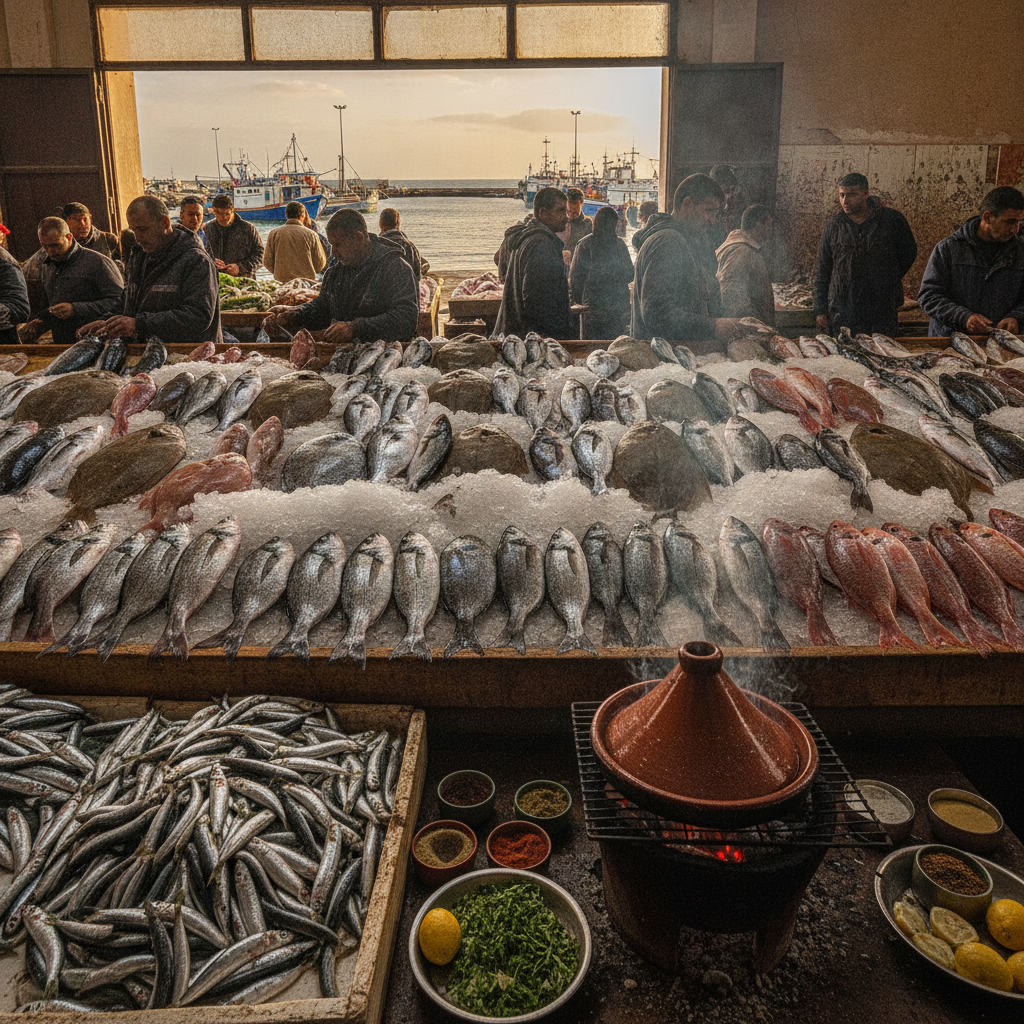
Agadir Food: Souss Cuisine, the Fish Tagine with Argan Oil, the Agadir Marina Restaurants, the Central Market, the Argan Gastronomy, and the Atlantic Seafood Culture
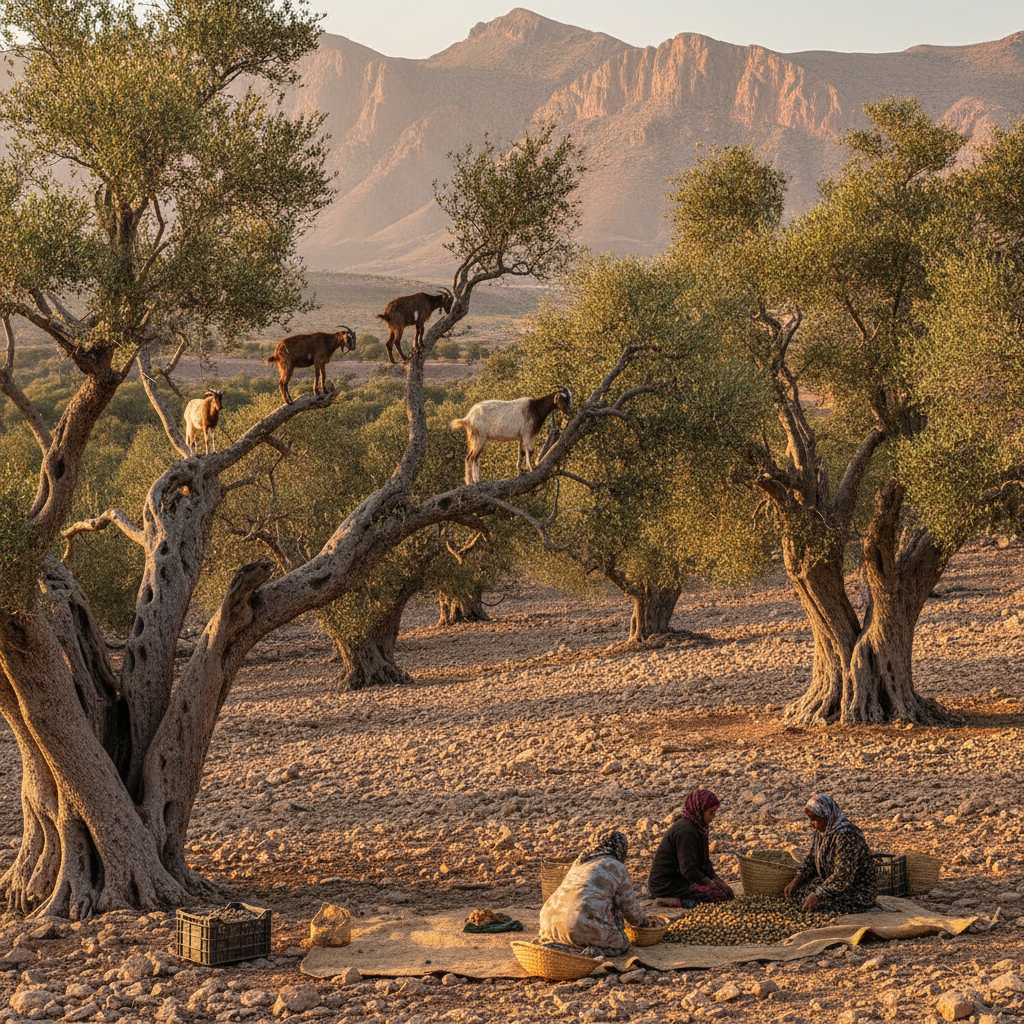
Agadir Nature: The Argan Forest of the Souss, Anti-Atlas Mountain Trekking, the Berber Village Circuit, the Oued Souss Estuary Birds, and the Atlantic Coastal Landscape
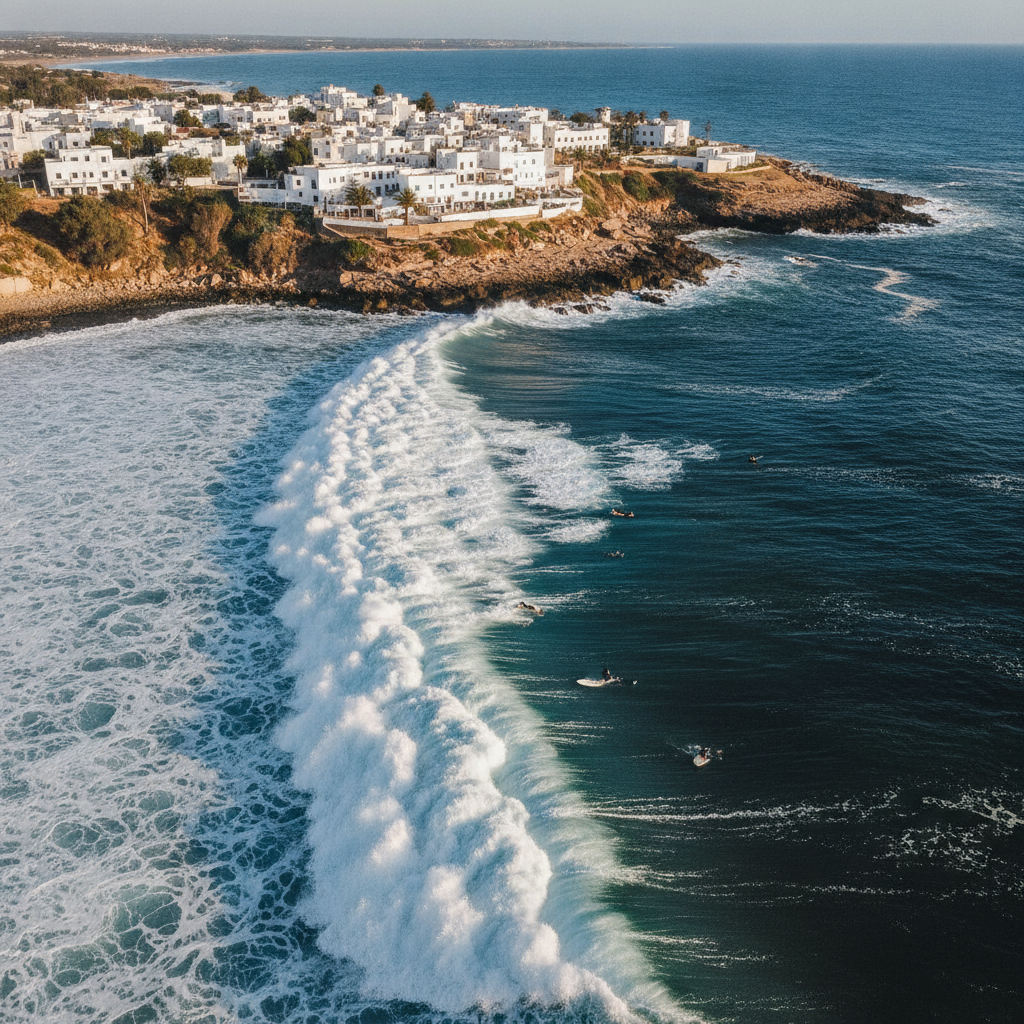
Agadir Surf: Taghazout Village, Anchor Point, Killer Point, Hash Point, the Surf Camp Culture, and the Moroccan Atlantic Surf Season
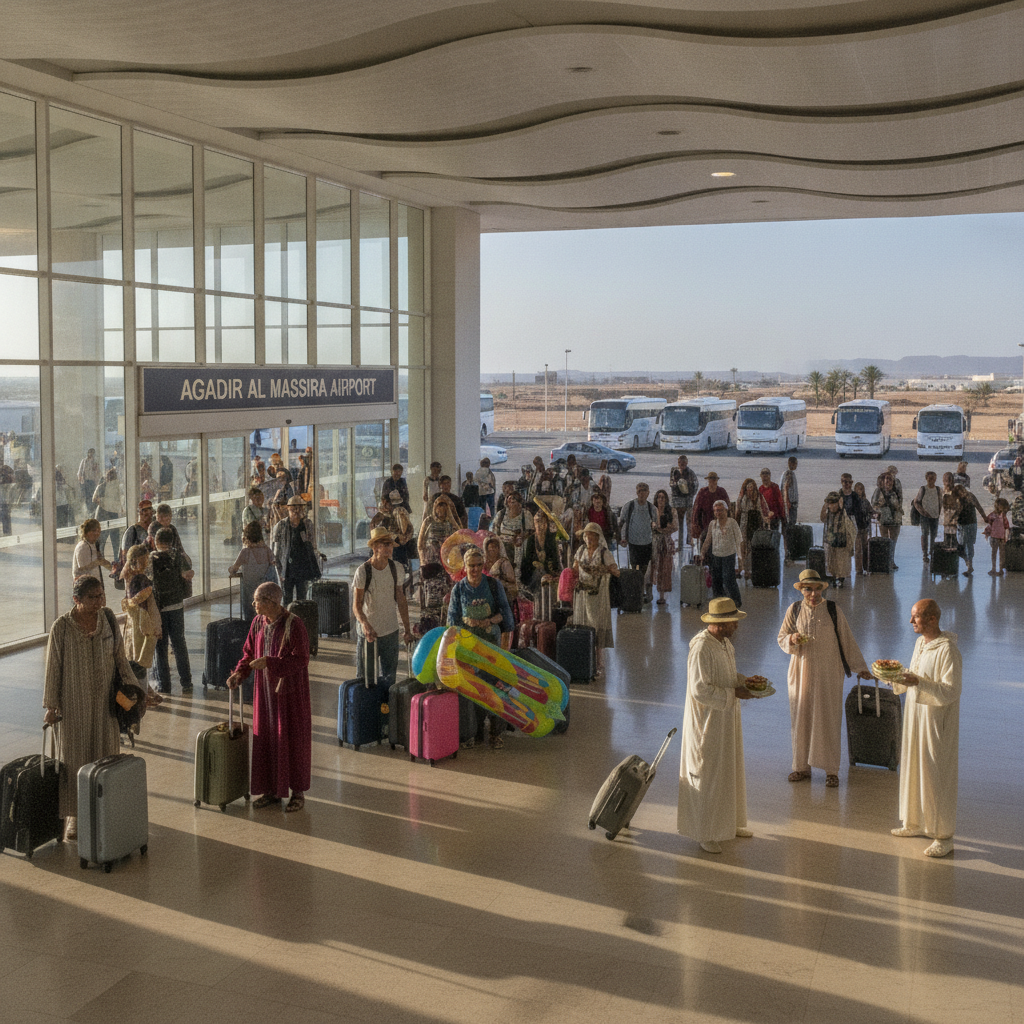
Agadir Practical: Al Massira Airport, the Marrakech Bus Connection, the Beach Resort Accommodation Choice, the Optimal Timing, and the Departure Summary
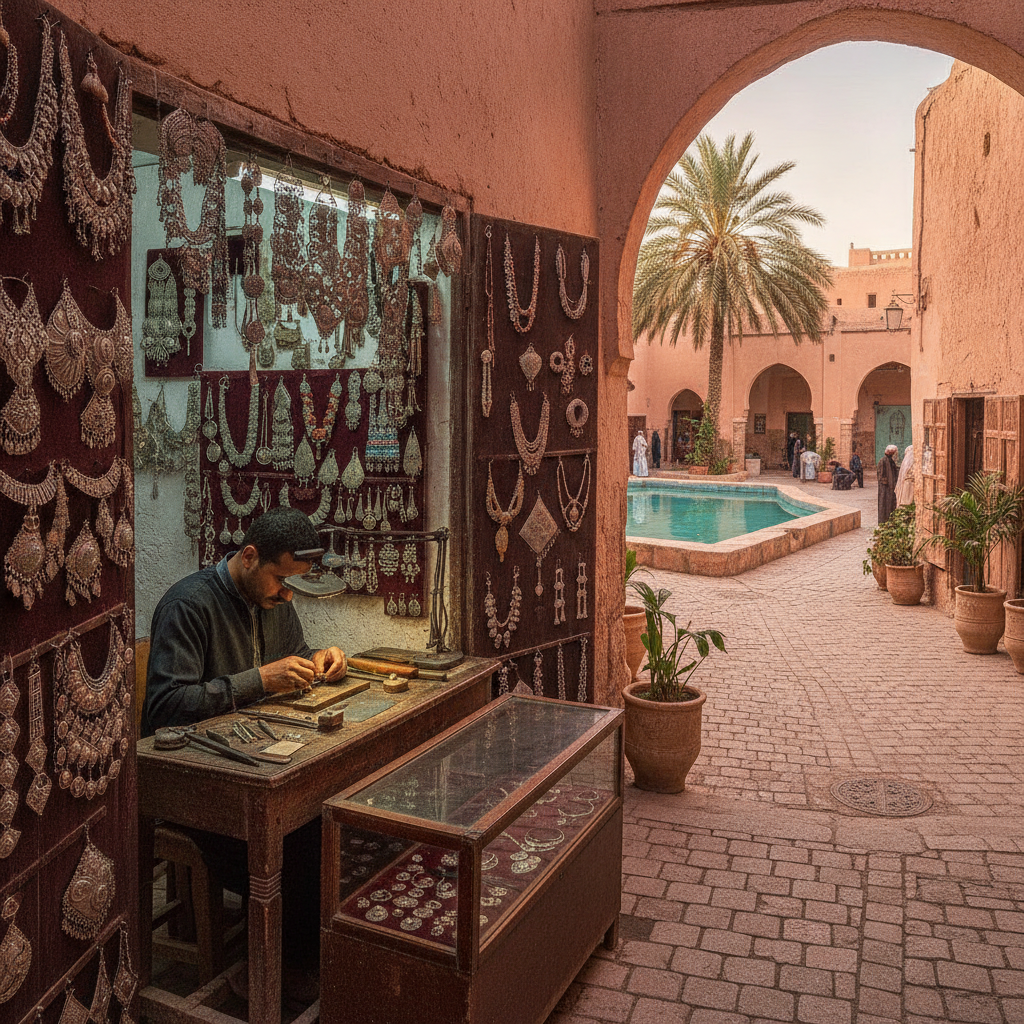
Agadir Region: Tiznit the Silver Capital, the Souss Berber Culture, the Oasis Villages of the Anti-Atlas Foothills, and the Amtoudi Granary Circuit