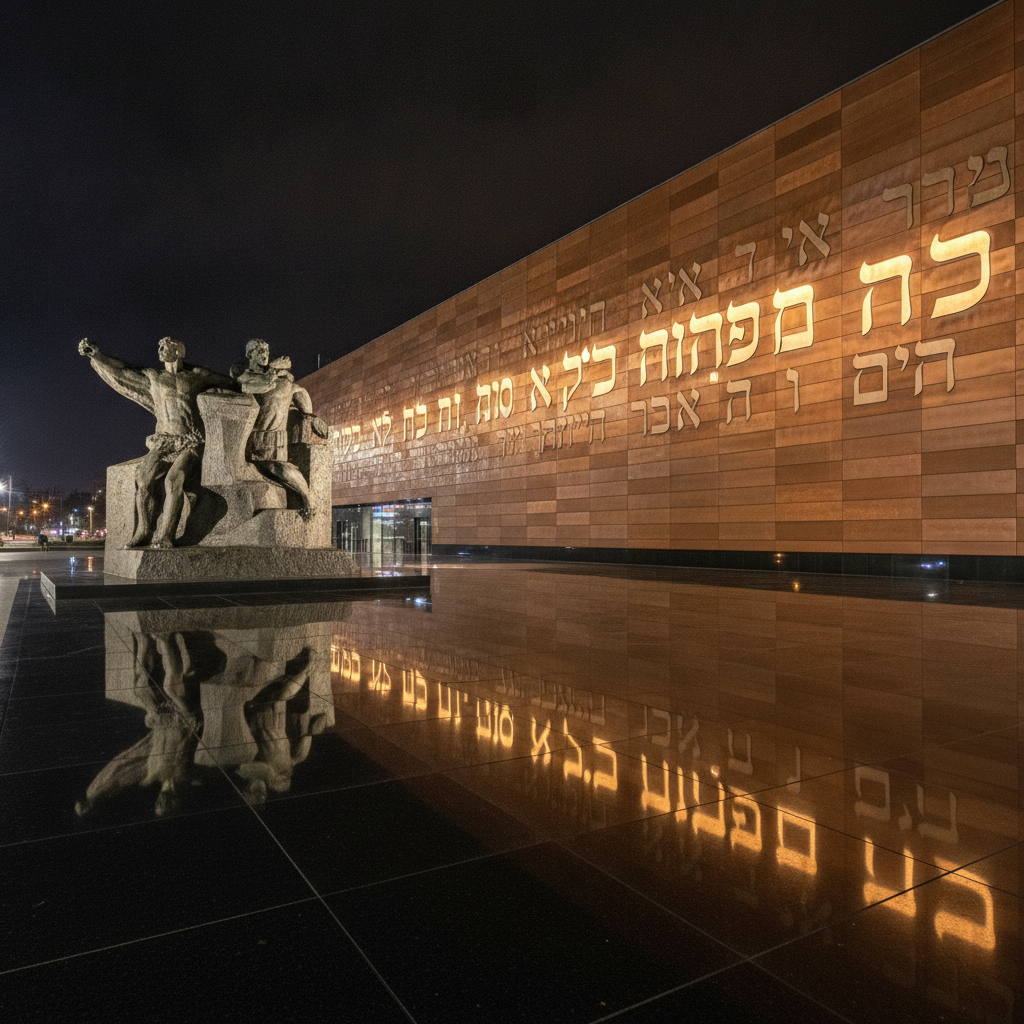

Warsaw Jewish Heritage — POLIN Museum, the Ghetto & the Uprising of 1943
Warsaw was the largest Jewish city in Europe before World War II — with 370,000 Jewish residents constituting 30 percent of the city's population — and the site of the Warsaw Ghetto, the largest Jewish ghetto in Nazi-occupied Europe, and the Warsaw Ghetto Uprising of April-May 1943, the largest Jewish armed resistance to the Nazis in World War II.
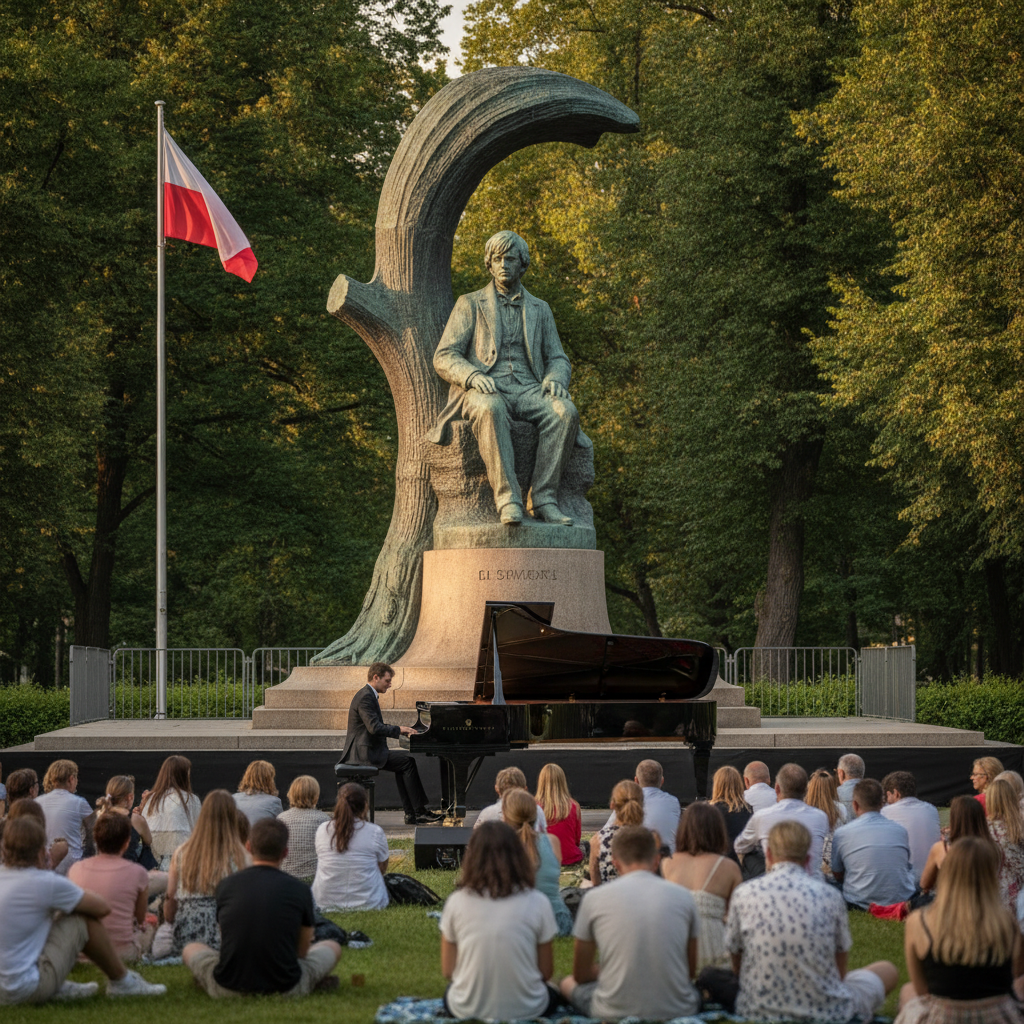
Warsaw Music & Culture — Chopin, Łazienki Park, the Palace of Culture & the Museum Circuit
Warsaw's cultural infrastructure (the most concentrated in Poland, the product of the communist-era investment in cultural institutions as ideological capital) includes the most important Chopin heritage sites in the world, the largest park in the city centre, and a museum quarter that has been significantly expanded since 1989.
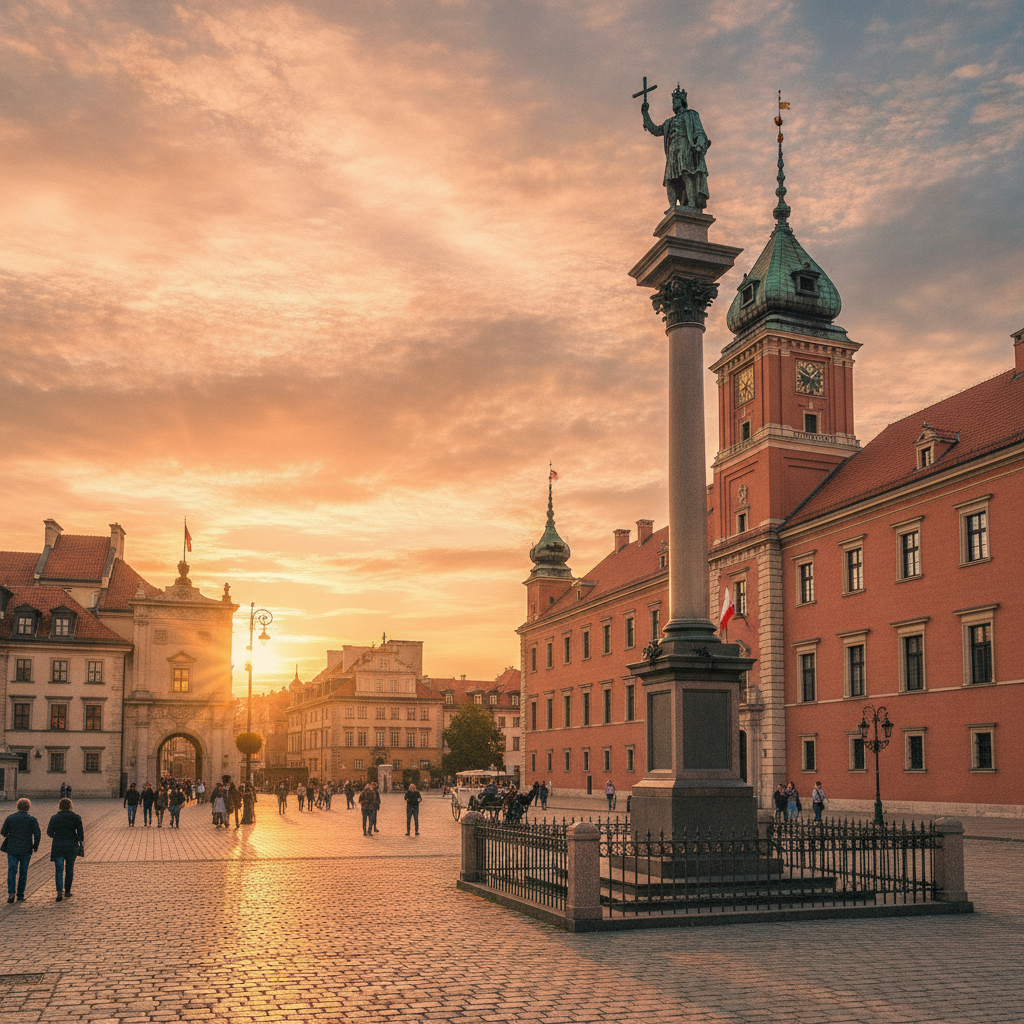
Warsaw Old Town — the Royal Castle, Sigismund Column & the Rebuilt Medieval City
Warsaw (the capital of Poland, population 1.8 million, the largest city in the country and the political, economic, and cultural centre of Poland) was 85 percent destroyed by the Nazi German army in 1944-45 — the most thoroughly destroyed capital city in World War II. The Old Town (Stare Miasto) was rebuilt brick-by-brick from 1945 to 1963 using historical records, photographs, and the 18th-century paintings of Bernardo Bellotto, and was inscribed on the UNESCO World Heritage List in 1980 as the outstanding example of near-total historical reconstruction.