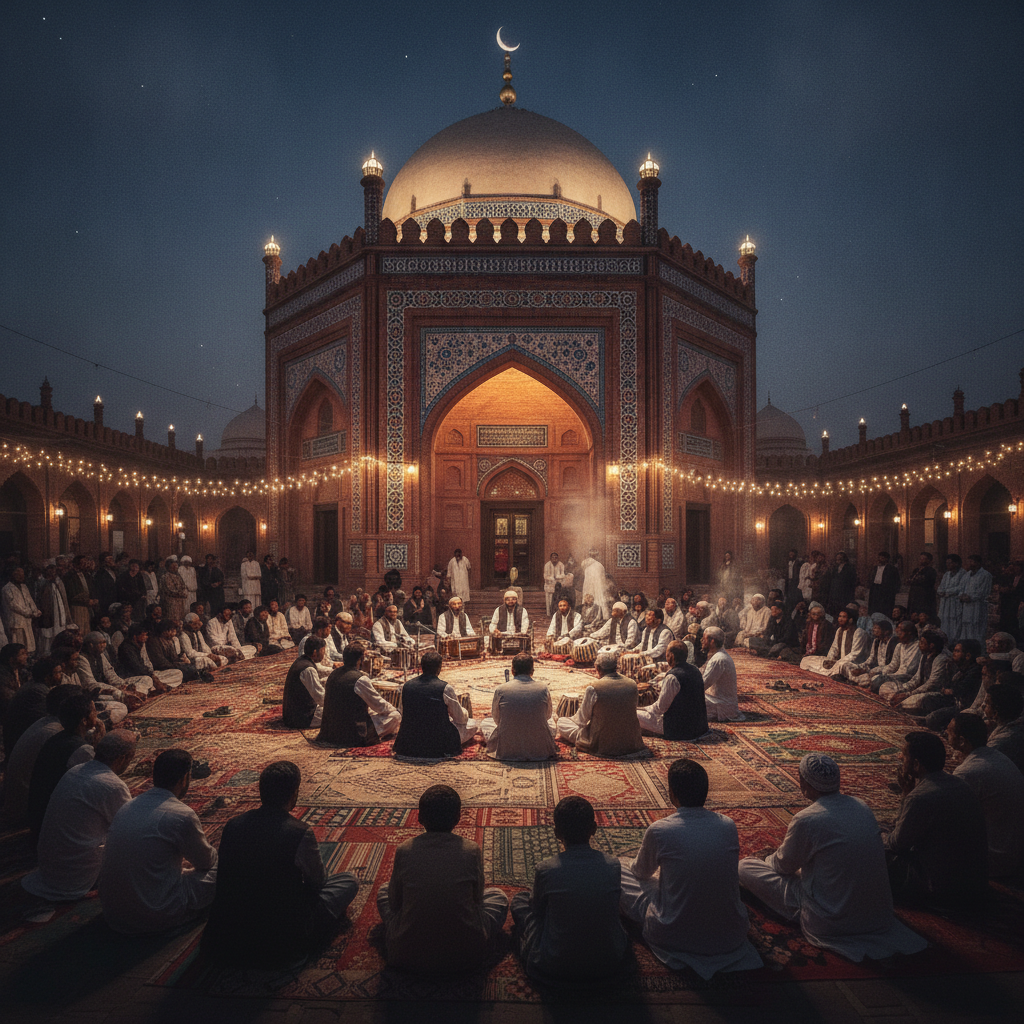

Multan Sufi Music and Qawwali Nights
Experience Multan's living Sufi music culture — the qawwali performances at the shrines that have continued for centuries, the traditional musicians who maintain the musical lineages of the Sufi orders, and the Thursday night gatherings at the major shrines where the devotional music builds through the night in the city that is the heartland of Pakistani Sufi tradition.
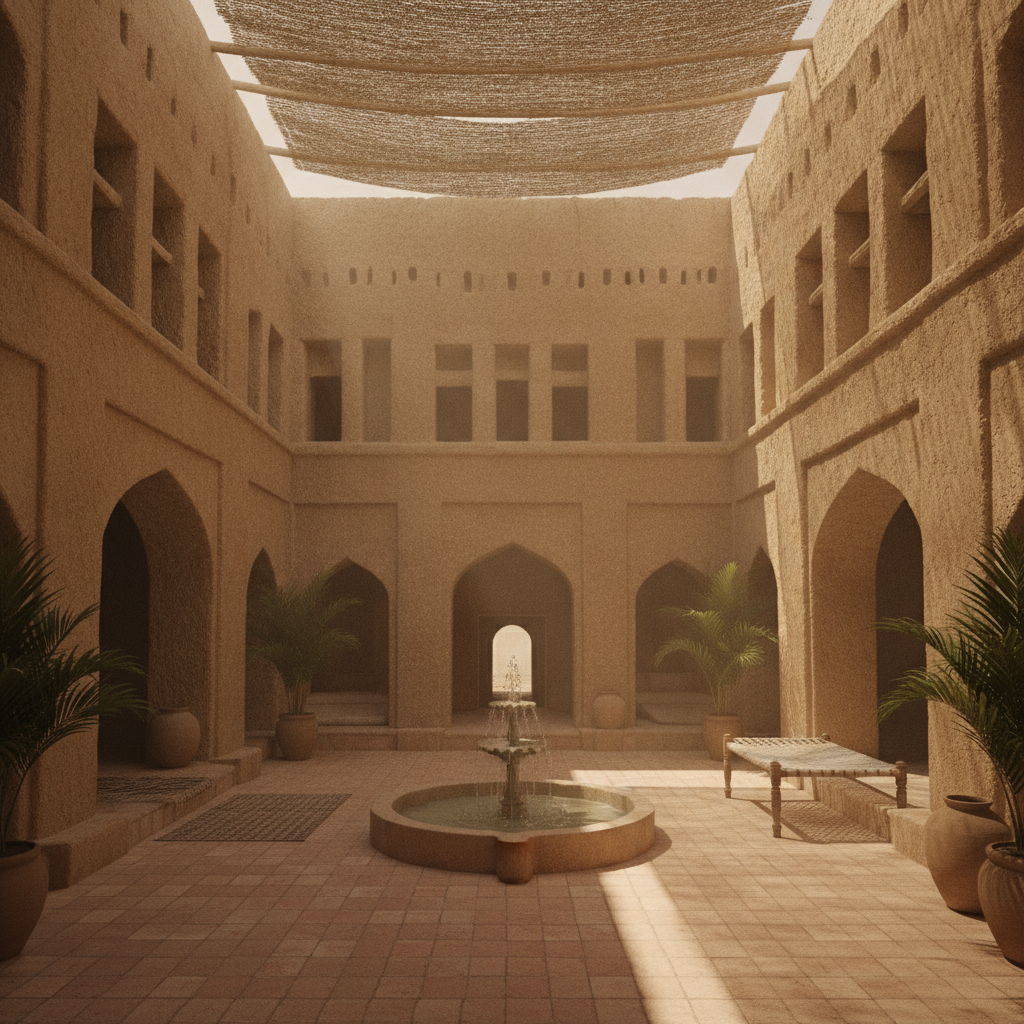
Multan Extreme Heat and Summer Desert Experience
Experience Multan in summer — the city that regularly records temperatures above 50°C, making it one of the hottest inhabited places on earth, where the extreme heat has shaped the architecture of thick-walled courtyard houses, the food culture of cooling drinks and heat-tolerant fruit, and the night-time social life of a city that effectively moves outdoors after dark when the temperature becomes bearable.
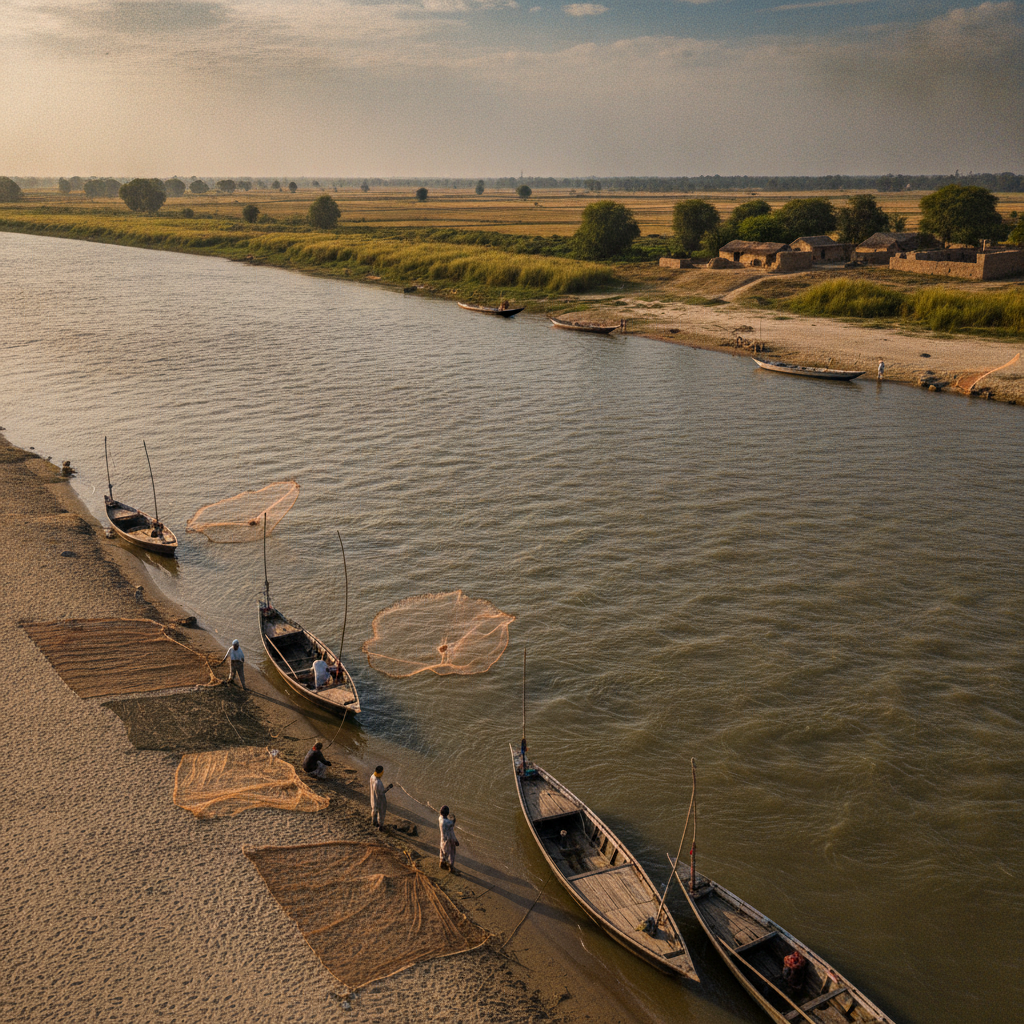
Multan Chenab River and Punjab Riverine Landscape
Explore the rivers that define Multan's geography — the Chenab river that flows near the city and the canal irrigation system that has transformed the surrounding Punjabi plain from a semi-arid landscape into Pakistan's most productive agricultural zone, the engineering of water management visible in the headworks and the canal towns that have grown around the distribution system.
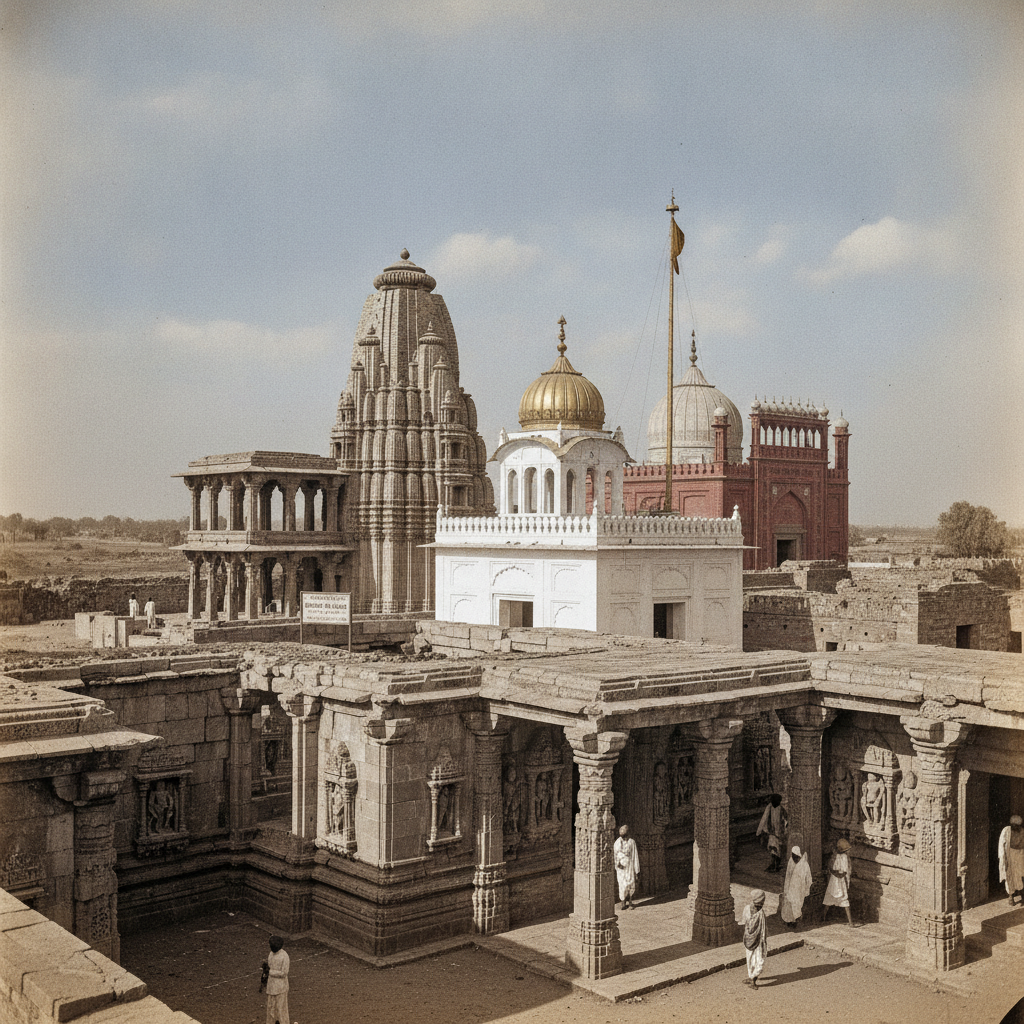
Multan Pre-Partition Hindu and Sikh Heritage
Discover Multan's pre-Partition cosmopolitan past — the city that before 1947 had a substantial Hindu merchant class and a Sikh community whose temples and haveli mansions still stand in the old city, the material memory of a religious diversity that was erased by Partition but whose architectural traces remain as evidence of what Multan was before it became exclusively Muslim.
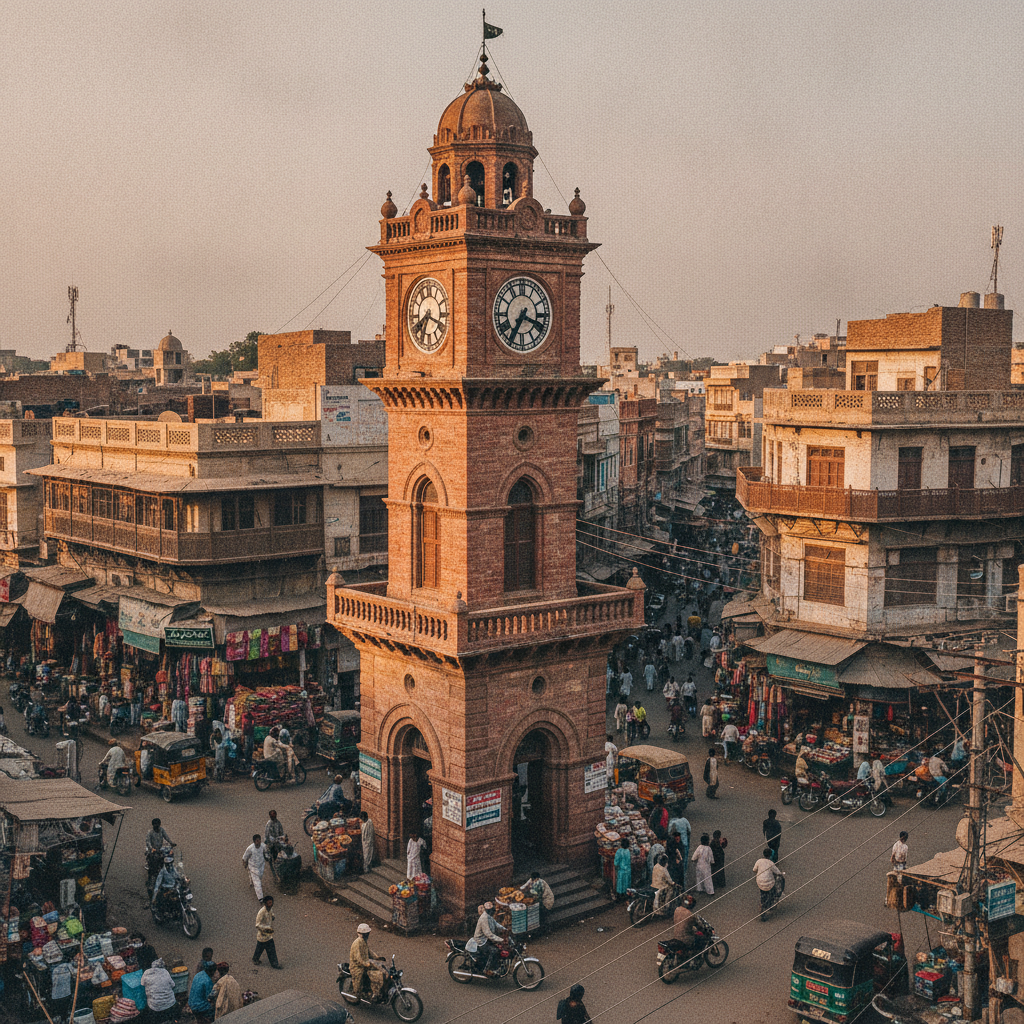
Multan Ghanta Ghar Clock Tower and Historic Bazaars
Explore Multan's old city from the Ghanta Ghar clock tower through the historic bazaar lanes — the Hussain Agahi Bazaar selling fabrics, the Sarafa Bazaar of the gold merchants, the vegetable market at Bohar Gate, and the dense urban fabric of a city that has been continuously inhabited for over 4,000 years and wears its antiquity in the very texture of its streets.

Multan Mango Capital of Pakistan Food Experience
Eat through Multan in mango season — Pakistan's mango capital where the Chaunsa, Sindhri, and Anwar Ratol varieties ripened in the fierce Multan heat are considered the finest in the world, where sohan halwa (a hard amber toffee) is the city's most famous sweet, and where the Multani food culture combines Punjabi abundance with the date and dried fruit traditions of the Sindh borderlands.
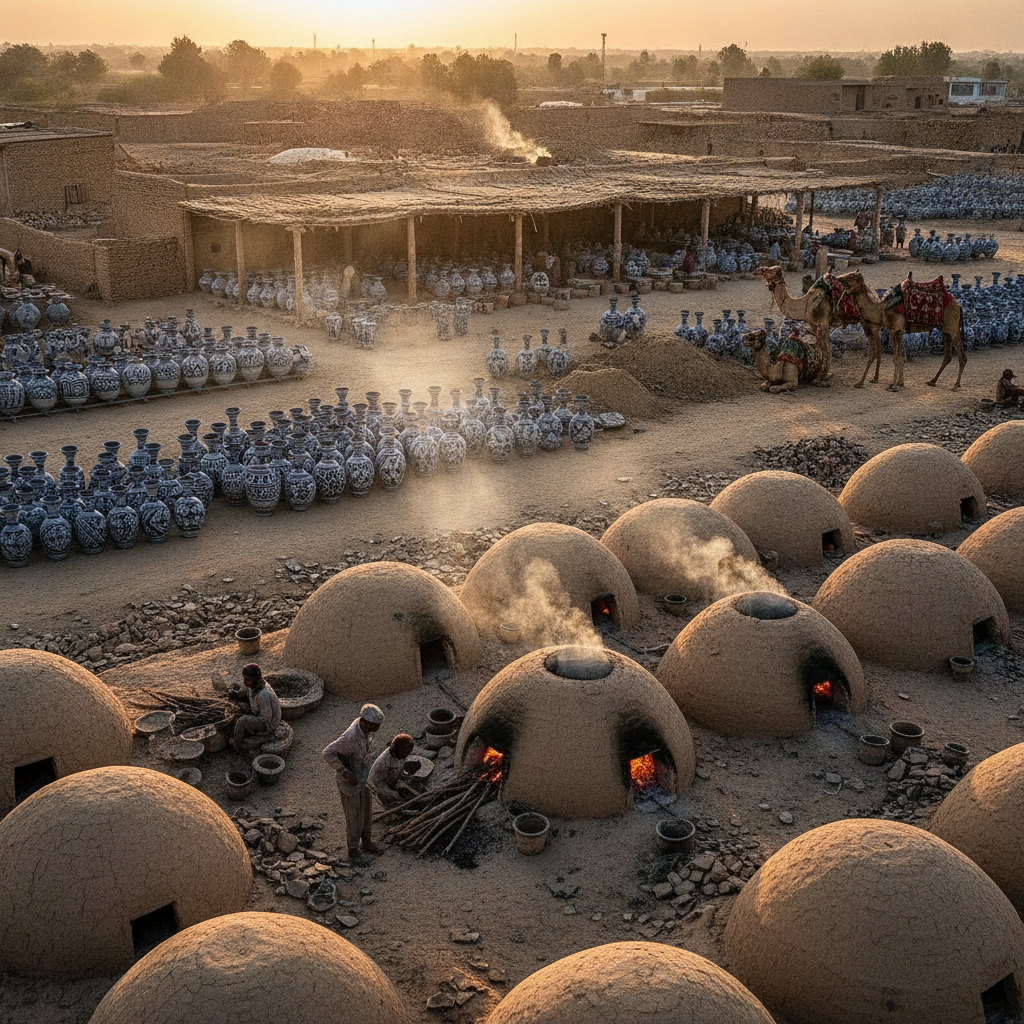
Multan Traditional Crafts Blue Pottery and Camel Skin
Discover Multan's extraordinary craft traditions — the blue glazed pottery that has decorated the city's Sufi shrines for centuries, the camel-skin lamp shades whose painted surfaces glow amber when lit, the embroidered soozi work done by women in the old city lanes, and the block-printed ajrak fabrics that make Multan one of Pakistan's great craft cities.
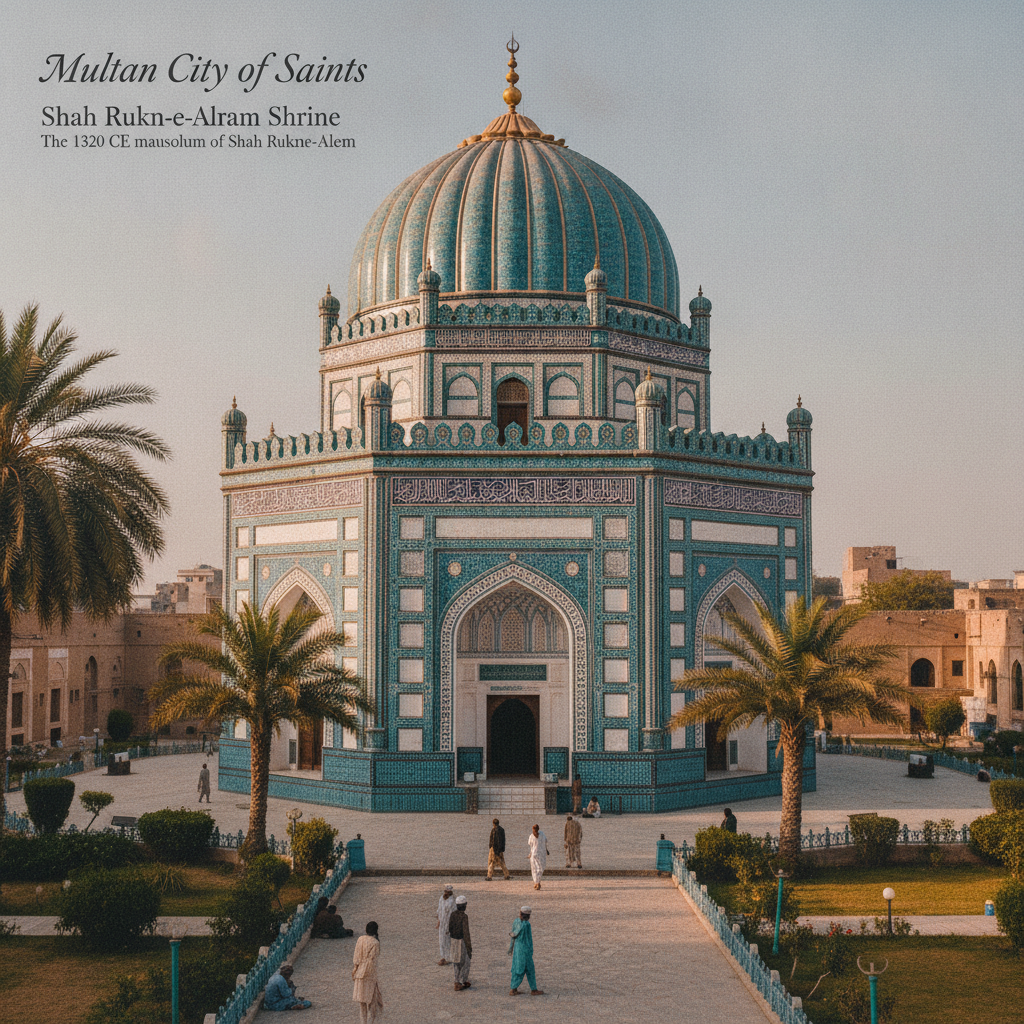
Multan City of Saints Sufi Shrines Walk
Walk Multan's Sufi shrine circuit — the city called Madinat ul Auliya (City of Saints) for the extraordinary concentration of Sufi shrines within its walls, where the tombs of Bahauddin Zakariya, Shah Rukn-e-Alam, and Shamsuddin Sabzwari have drawn pilgrims for 700 years and where the blue-tile architecture of the Tughluq and Lodi periods survives in remarkable condition.