Multan Sufi Music and Qawwali Nights
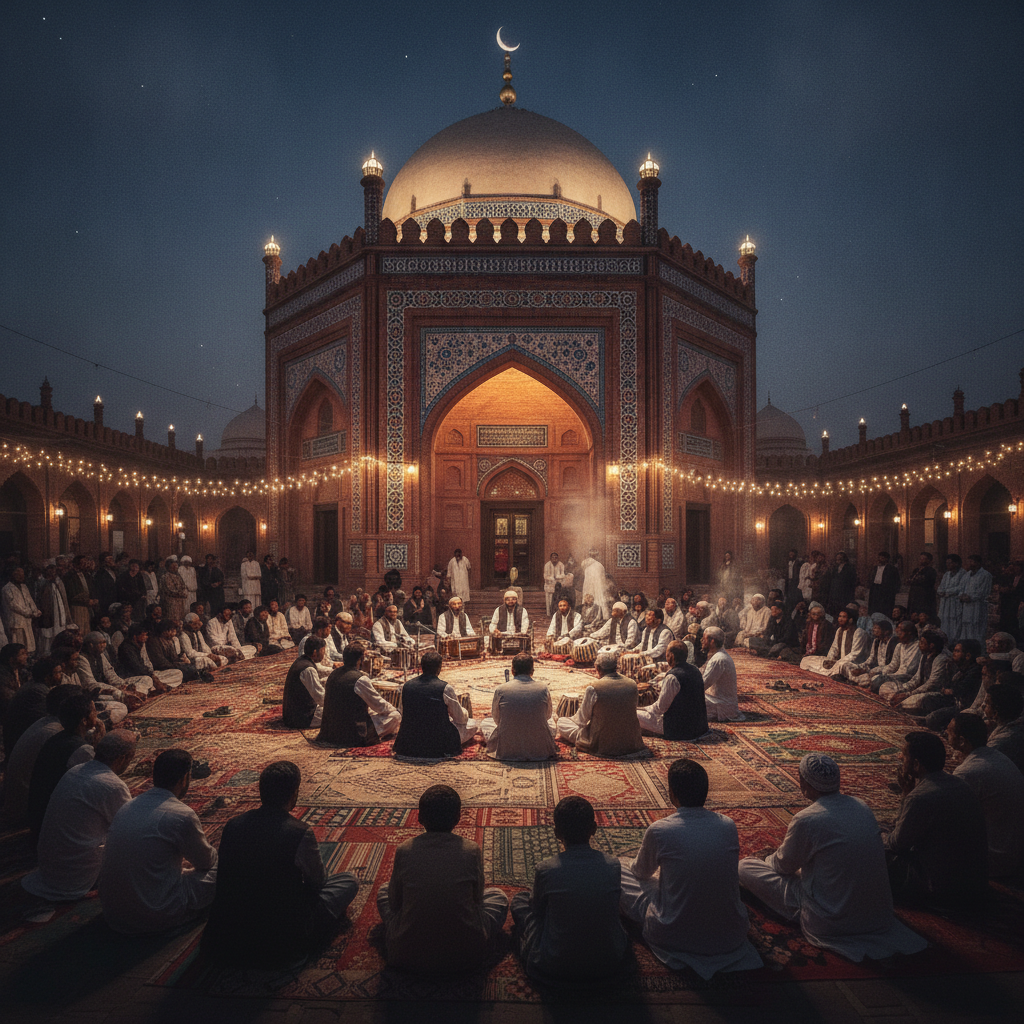
Experience Multan's living Sufi music culture — the qawwali performances at the shrines that have continued for centuries, the traditional musicians who maintain the musical lineages of the Sufi orders, and the Thursday night gatherings at the major shrines where the devotional music builds through the night in the city that is the heartland of Pakistani Sufi tradition.
- 1
Thursday Night at Shah Rukn-e-Alam
The Thursday evening gathering at the Shah Rukn-e-Alam shrine — when qawwali singers take their place in the shrine courtyard after the Isha prayer and perform through the night, the pilgrims sitting on the marble floor or standing around the musicians, the performance building in intensity as the night progresses.
- 2
Hereditary Qawwali Musicians
Meet the hereditary qawwali musicians who serve the Multan shrines — the families who have maintained their service to specific shrines for generations, the musical knowledge passed from father to son, the repertoire of Sufi poetry in Punjabi, Sindhi, Urdu, and Persian preserving texts that are centuries old.
- 3
Sufi Poetry Recitation
A gathering for Sufi poetry recitation — the kafi (Punjabi Sufi lyric) tradition associated with the poets Shah Hussain, Bulleh Shah, and Sultan Bahu whose verses have been sung in Multan's shrines for 400 years, the poetry expressing the mystical search for union with God in the vernacular language of the Punjab.
- 4
Dhamal (Ecstatic Dance)
The dhamal — the ecstatic whirling dance performed by devotees at Sufi shrines when the music reaches its most intense — at the Multan shrines this can break out spontaneously during qawwali performances, the dancers entering a state described as spiritual absorption, the practice controversial among orthodox Muslims but central to the popular shrine culture.
- 5
Shrine Langar Kitchen
The community kitchen at the shrine complex feeding pilgrims at all hours — the langar tradition of Sufi shrines providing free food to all visitors regardless of their circumstances, the cooking done by volunteers and paid for by donations from wealthy devotees fulfilling a religious obligation through the feeding of the poor.
- 6
Dawn Prayer at the Shrine
The Fajr (dawn) prayer at the shrine — for those who stay through the night at the qawwali, the gathering becomes a vigil ending with the dawn prayer, the muezzin's call bringing the night's devotional music to a close and the shrine beginning its daily cycle of visitors, prayers, and the continuous murmur of devotion.
Walk this route with audio
Stories play automatically as you reach each stop — no tapping needed.
More in multan
Multan Extreme Heat and Summer Desert Experience
Multan Chenab River and Punjab Riverine Landscape
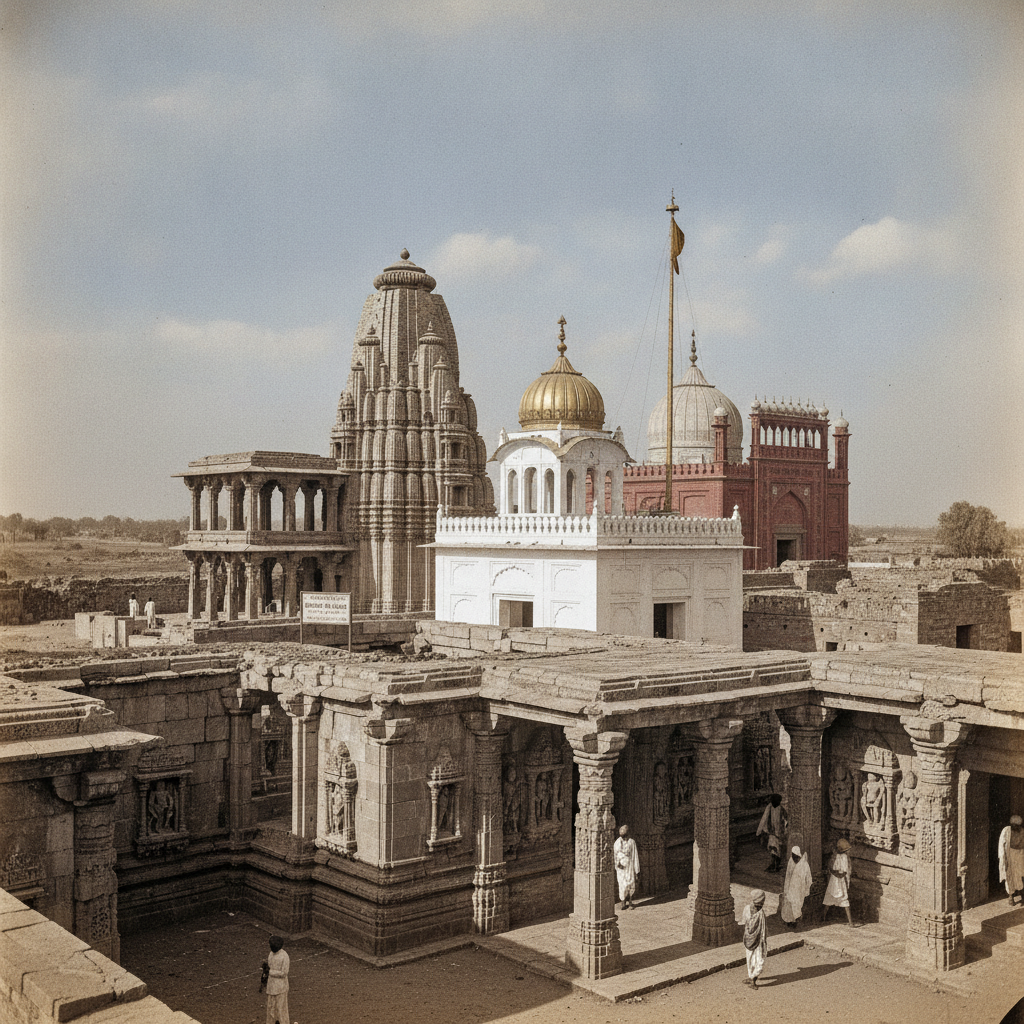
Multan Pre-Partition Hindu and Sikh Heritage
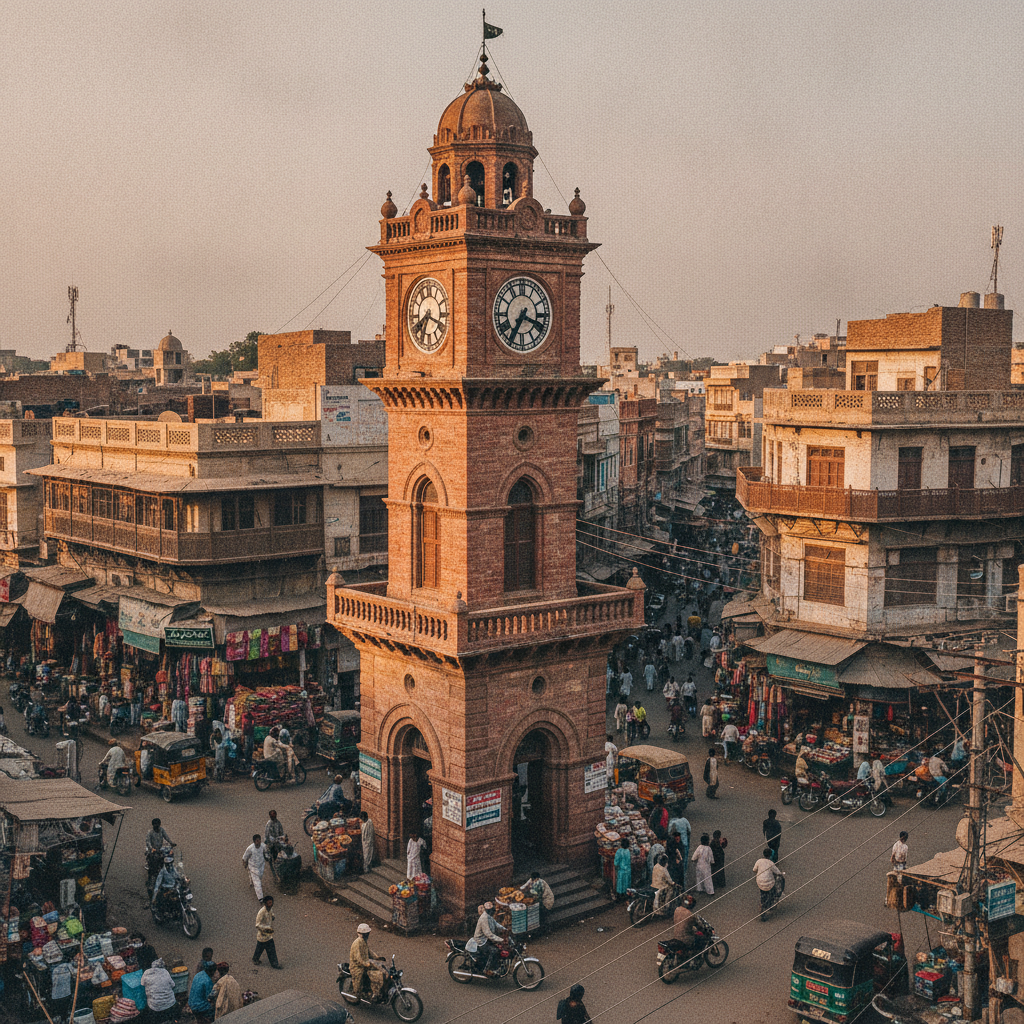
Multan Ghanta Ghar Clock Tower and Historic Bazaars
Multan Mango Capital of Pakistan Food Experience