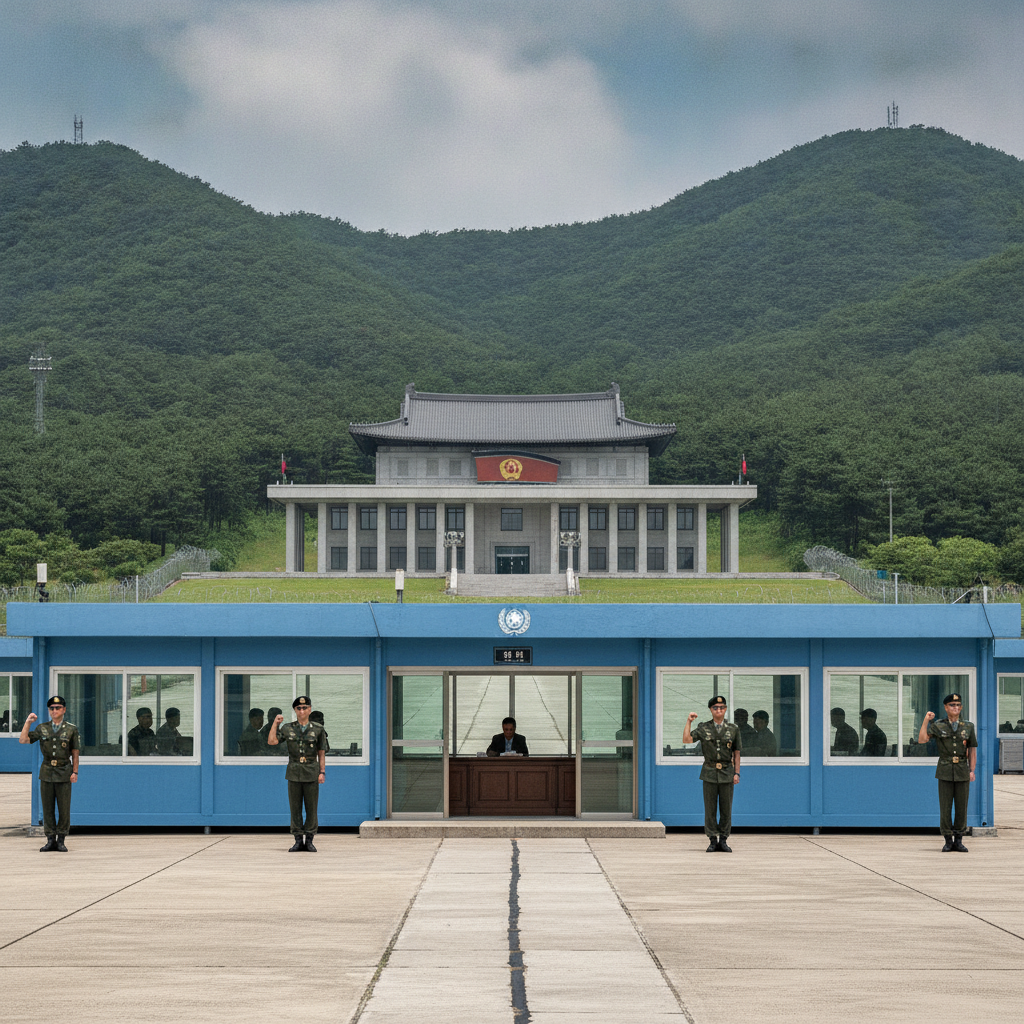

The DMZ, Panmunjom & the Joint Security Area — Korea's Divided Border
The Korean Demilitarized Zone (DMZ) — the 4-kilometre-wide, 248-kilometre-long buffer zone separating North and South Korea, established by the Korean Armistice Agreement of July 27, 1953, which ended the active fighting of the Korean War (1950-1953) without a formal peace treaty — is one of the most heavily militarised borders in the world and one of the most historically significant sites in the Asia-Pacific region, accessible on organized tours from Seoul (approximately 55 kilometres to the south).
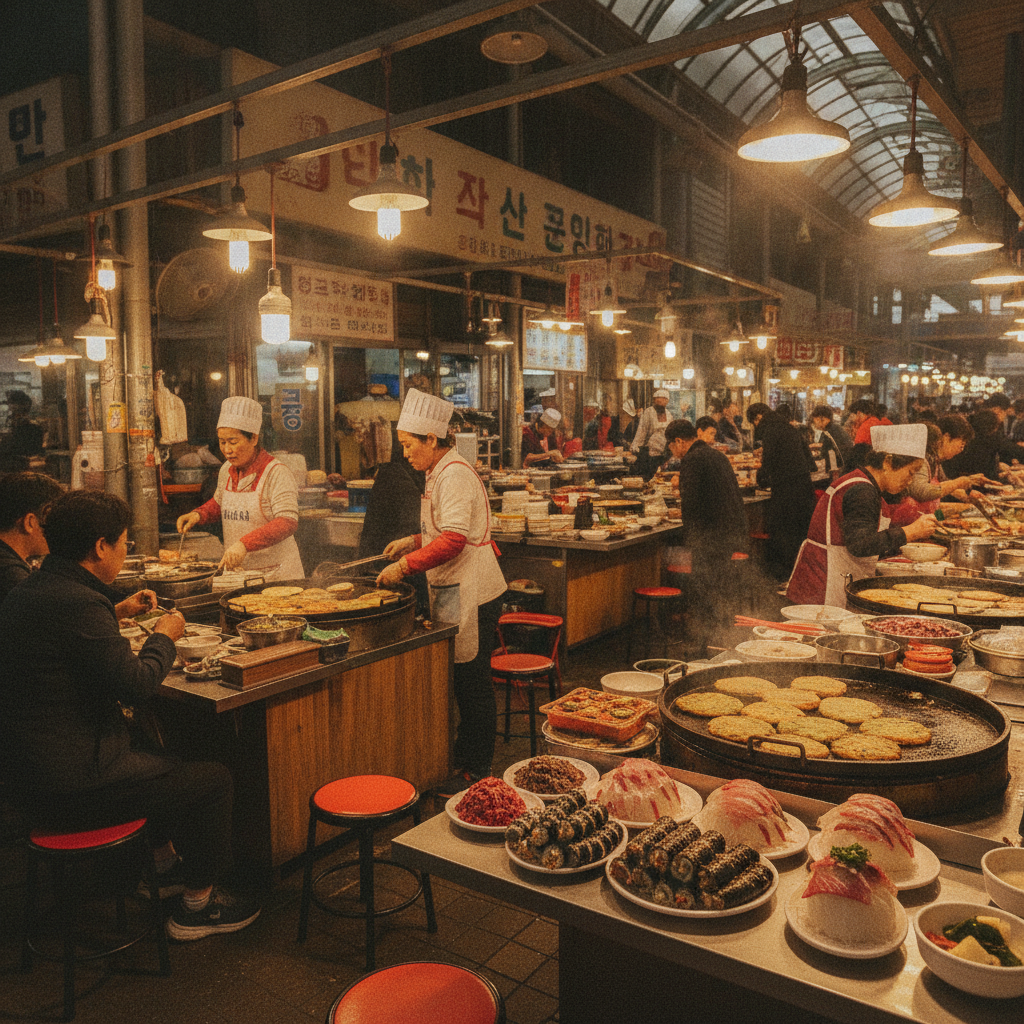
Korean Food Culture — Gwanjang Market, Bibimbap, Samgyeopsal & Banchan
Korean cuisine — one of the most distinctive, complex and beloved national cuisines in the world — is centered on the principles of balance (the five flavours of sweet, sour, salty, bitter and spicy; the five colours of red, green, yellow, white and black), fermentation (kimchi, doenjang, ganjang, gochujang), and the communal table (the banchan system of shared small dishes); Seoul is the best place in the world to explore the full range of Korean food culture, from the traditional market food halls of Gwanjang to the Michelin-starred Korean fine dining of Jongno.
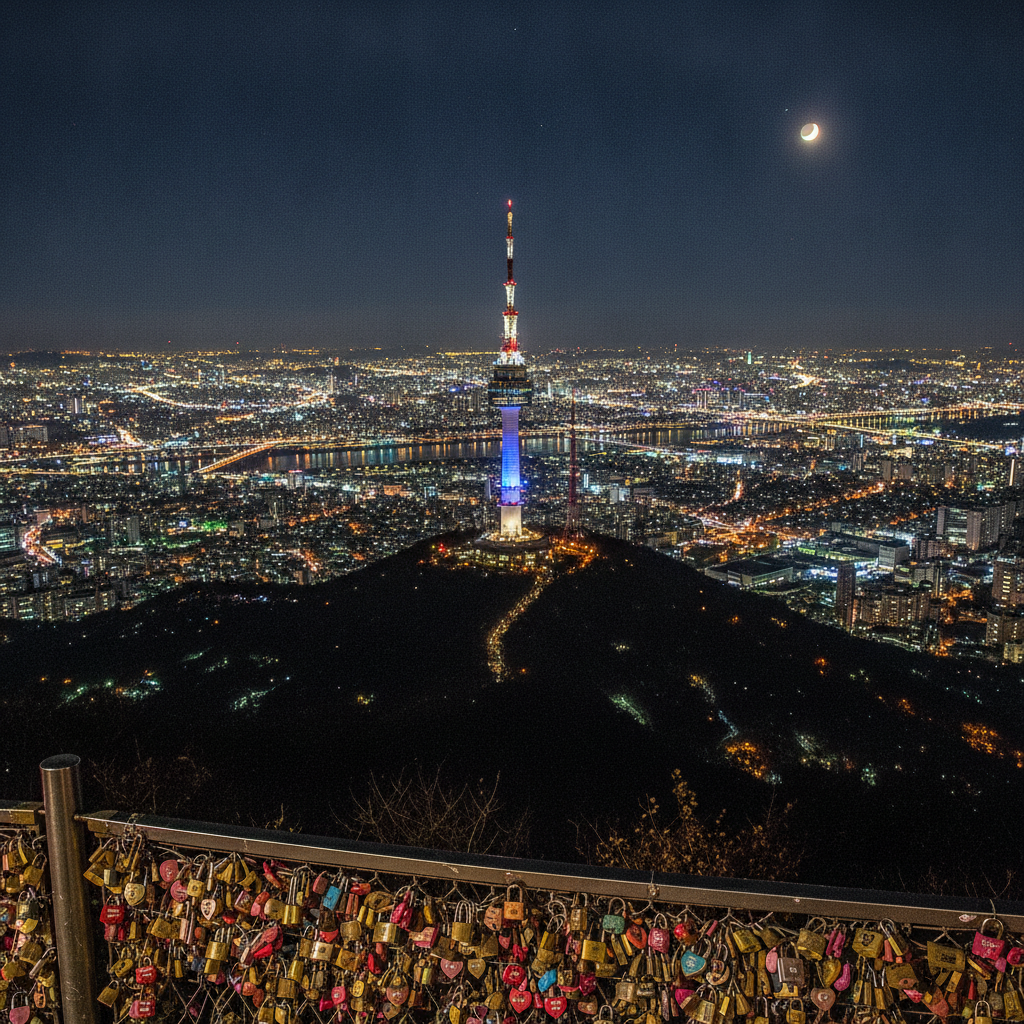
Myeongdong, Namdaemun Market, N Seoul Tower & Namsan
The triangle formed by Myeongdong (Seoul's premier shopping and K-beauty district), Namdaemun Market (the largest traditional market in Korea, operating continuously since 1414), and Namsan Mountain (with the N Seoul Tower at its summit) constitutes the most visited tourist corridor in Seoul — a seamless progression from hypermodern commercial culture to centuries-old market traditions to panoramic views over the Han River metropolis.
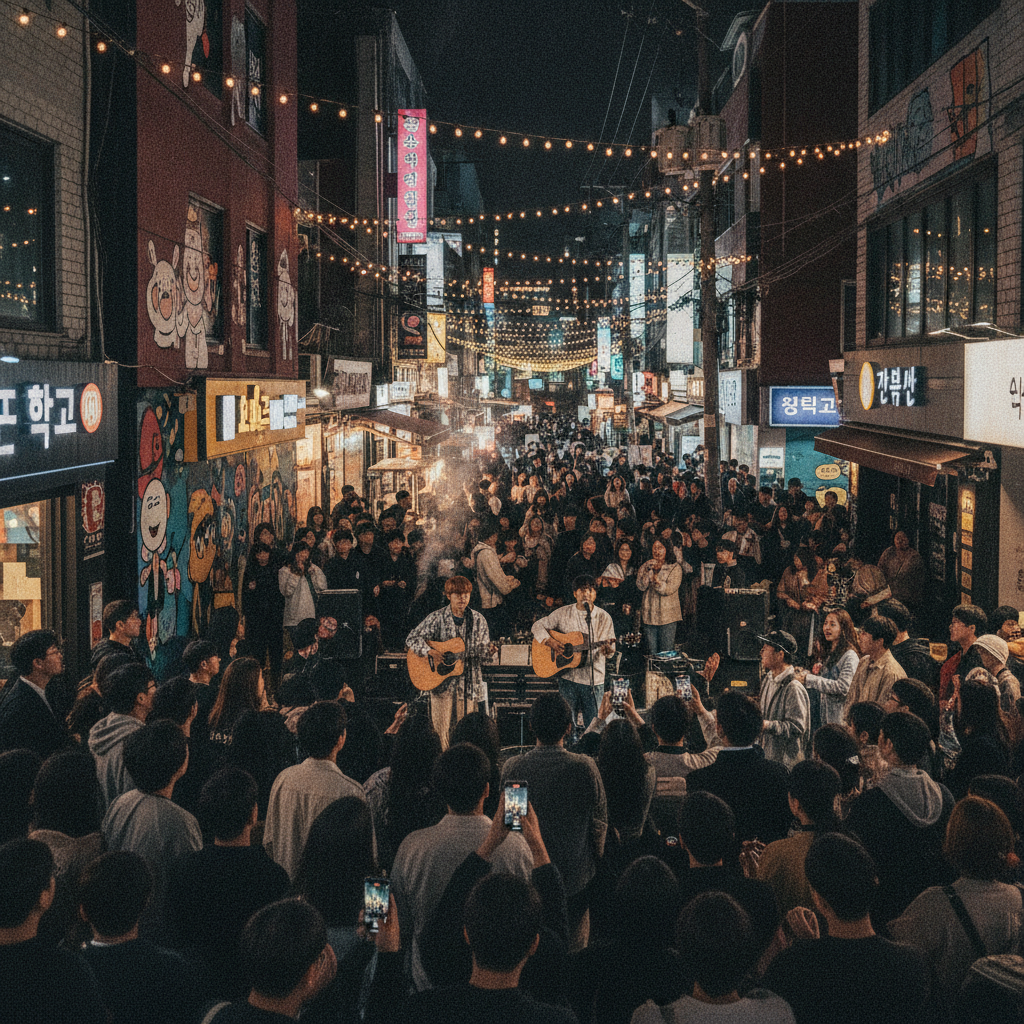
Hongdae, Sinchon & the University Districts — Street Art, Clubs & Youth Culture
Hongdae (홍대, short for Hongik University — the area surrounding Hongik University in Mapo-gu, approximately 6 kilometres west of central Seoul) is Seoul's premier youth culture and nightlife district, combining independent music venues, street performance culture, underground clubs, independent cafés, vintage fashion, and some of the most concentrated street art in Korea in a compact and highly walkable neighbourhood that never really sleeps.