

Cannaregio Sestiere, the Jewish Ghetto & Fondamente Nove Waterfront
The sestiere of Cannaregio — the most populous of Venice's six districts, stretching from the railway station at its western end to the northern lagoon waterfront at Fondamente Nove — contains the oldest Jewish ghetto in the world, established in 1516 when the Venetian Senate confined the city's Jewish population to a walled island in the Cannaregio district.
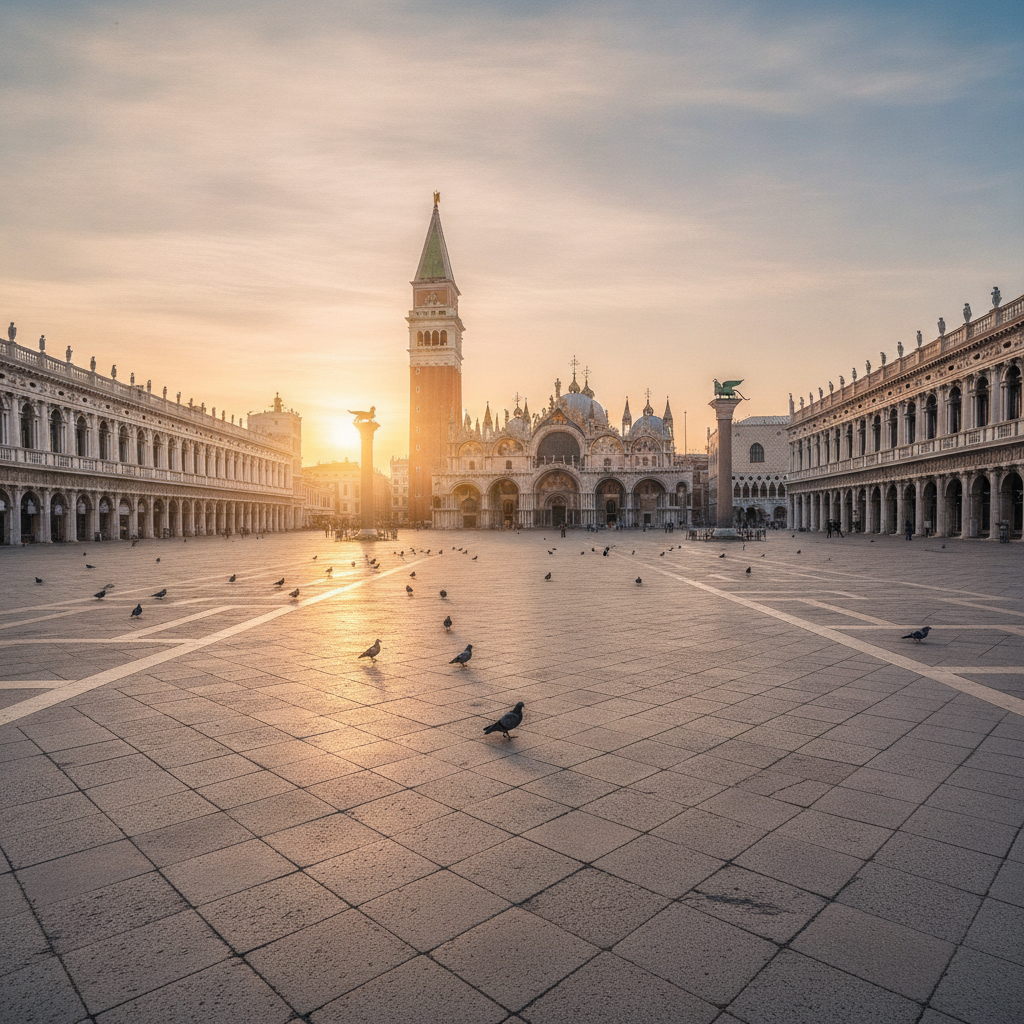
Piazza San Marco, Basilica di San Marco, Palazzo Ducale & the Campanile
The sestiere of San Marco — the administrative and ceremonial heart of the Venetian Republic for over a millennium — preserves the most concentrated ensemble of Byzantine, Gothic, and early Renaissance architecture in Europe: the Piazza San Marco (Napoleon's 'drawing room of Europe'), the Basilica di San Marco (the golden church whose mosaics cover 8,000 square metres of interior surface), the Palazzo Ducale (the Gothic palace that served as the seat of Venetian government for 500 years), and the Campanile (the 99-metre bell tower rebuilt in 1912 after its 1902 collapse) form the symbolic and physical centre of La Serenissima.
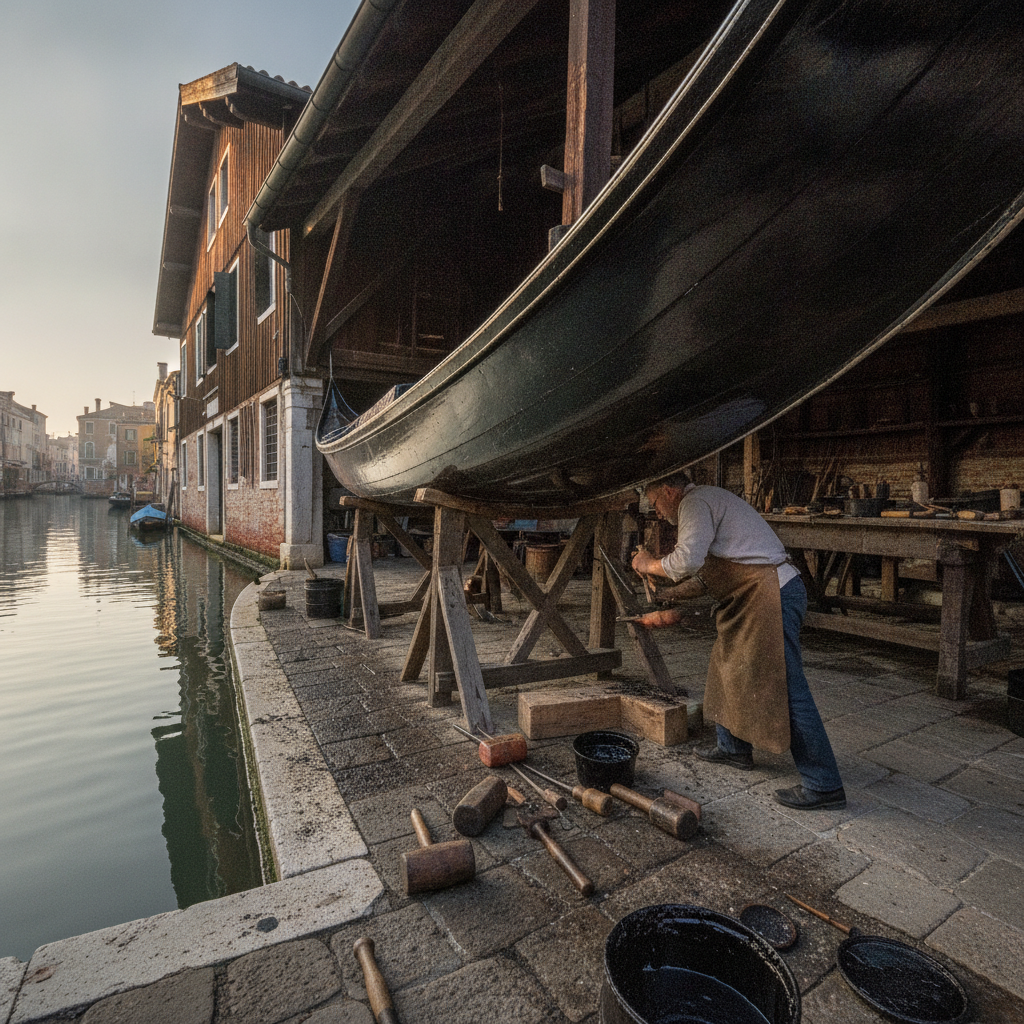
The Gondola: Squero di San Trovaso, the Traghetti & Venice's Working Watercraft
The gondola — the flat-bottomed asymmetric rowing boat that has been the primary private transport vessel of Venice since at least the 11th century — is the most recognizable symbol of the city and, in its current form, the product of a design process refined over several centuries into one of the most sophisticated purpose-built small watercraft ever created: the contemporary gondola is approximately 11 metres long and 1.42 metres wide, weighs approximately 350 kilograms, and is constructed from eight different types of wood.