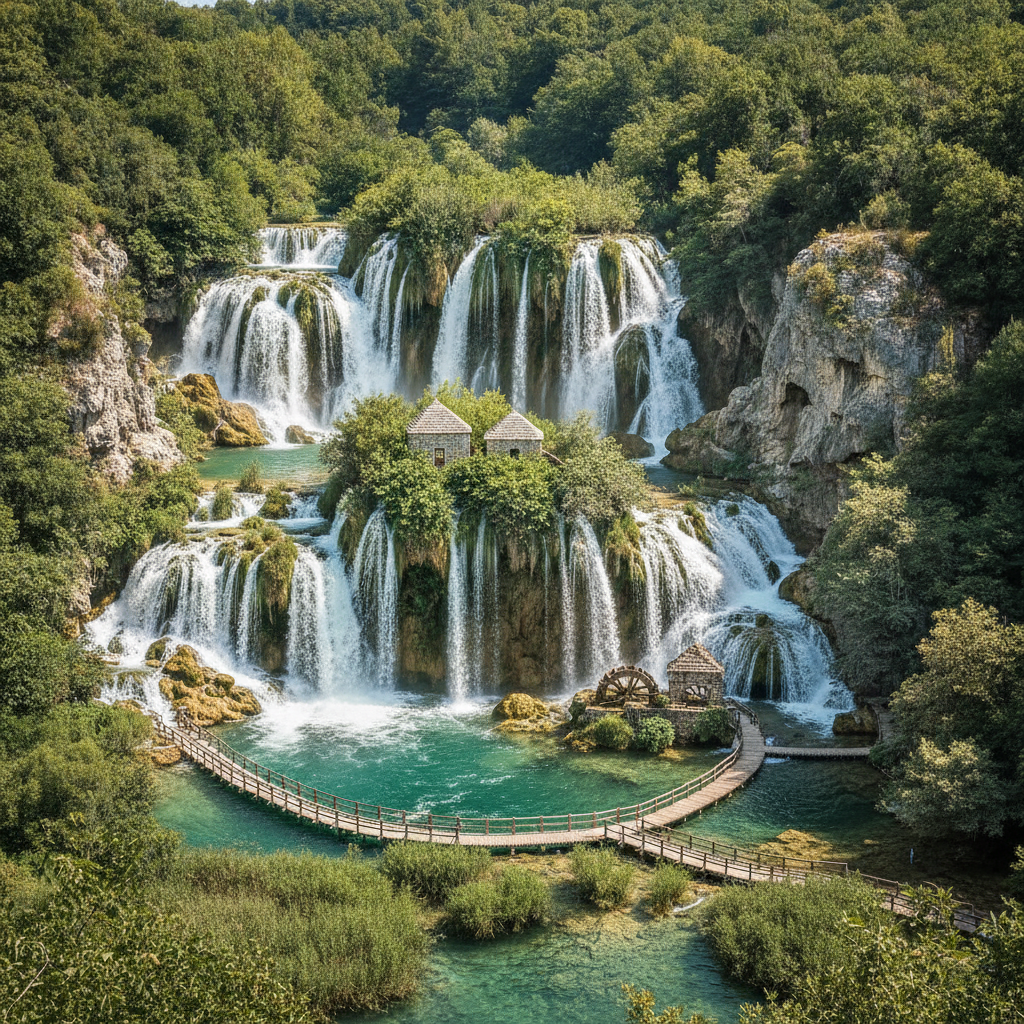

Day Trips from Split — Krka Waterfalls, Omis Canyon & the Cetina River
Split's geographic position (on the Dalmatian coast equidistant between Dubrovnik 227km south and Zadar 158km north, with the Dinaric Alps rising immediately inland) gives it the best day-trip access of any Dalmatian city: the Krka National Park waterfalls (1 hour north), the Plitvice Lakes (2.5 hours north), the Omis canyon and Cetina river (40 minutes southeast), and the Makarska Riviera with the Biokovo Nature Park (60 minutes southeast) are all accessible for day trips with a rental car or organized tour.
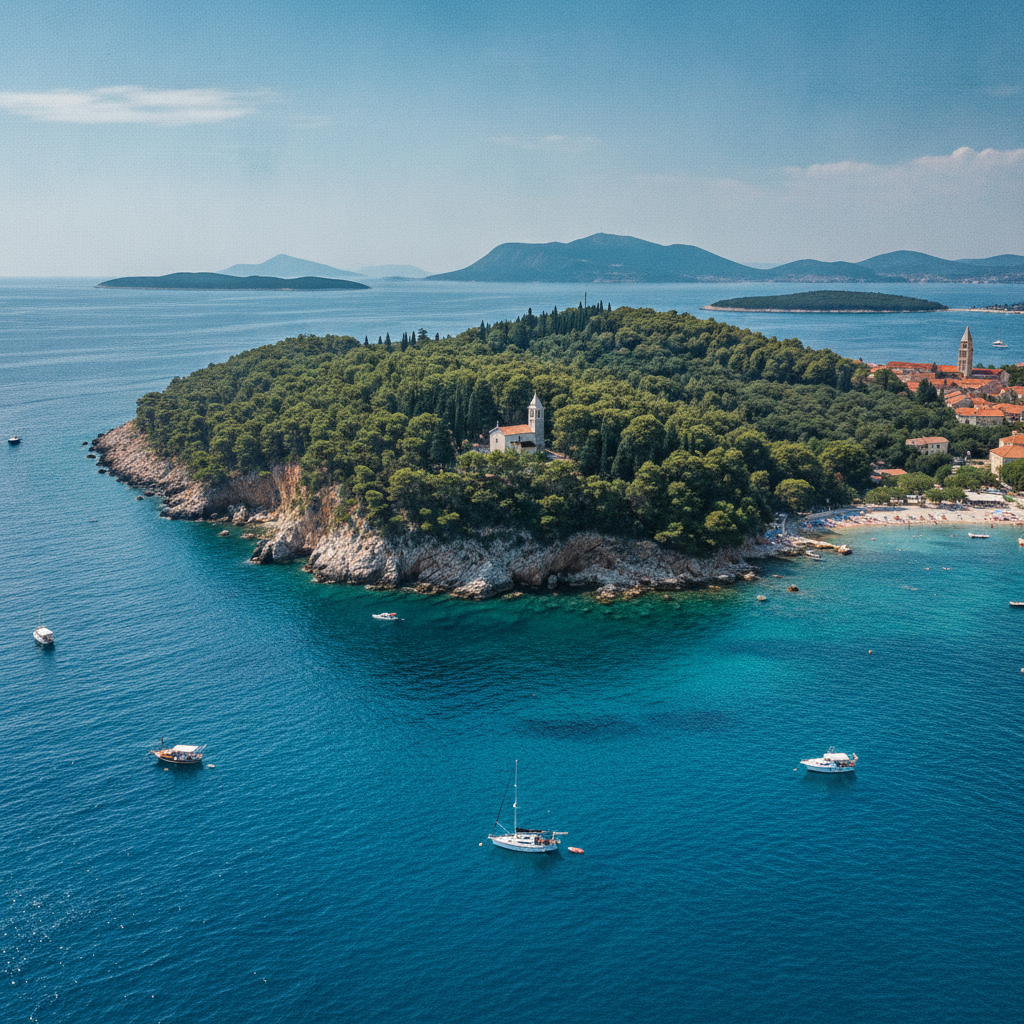
Marjan Hill — the Urban Forest, Rocky Beaches & Split's Traditional Sport of Picigin
Marjan Hill (the 178-metre limestone peninsula immediately west of Split's Old Town, designated a forest park in 1964, the 7km perimeter trail around the park providing the best elevated views of Split, the Riva waterfront, and the Dalmatian island chain) is the essential contrast to the Roman density of the Old Town — a 15-minute walk west from the Palace gates reaches the park entrance.
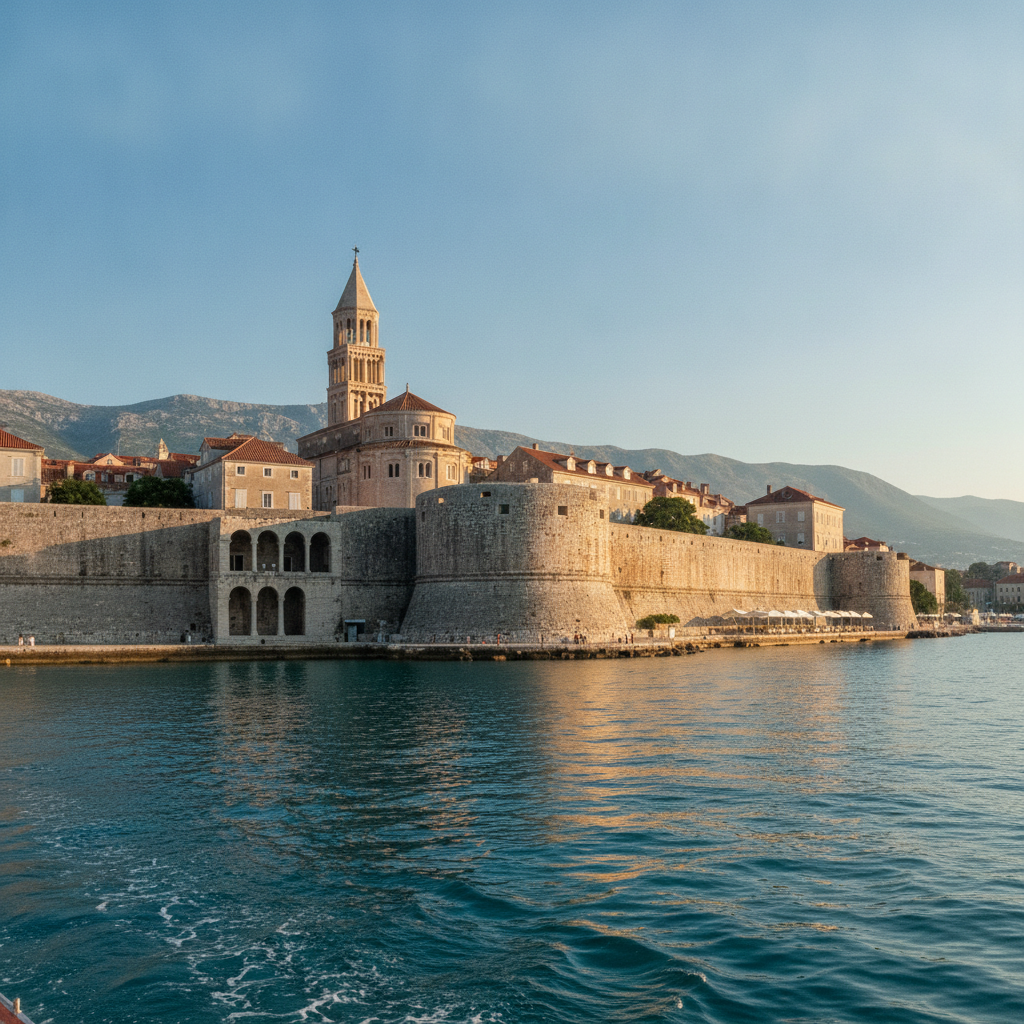
Split — Diocletian's Palace, the Peristyle & a Living Roman City
Split (population 160,000, the largest city in Dalmatia, the second-largest city in Croatia, built within and around the walls of the Roman palace of Emperor Diocletian, the UNESCO World Heritage Site and the only city in the world where people have continuously lived inside a Roman imperial palace for 1,700 years) is the gateway to the Dalmatian coast and islands.
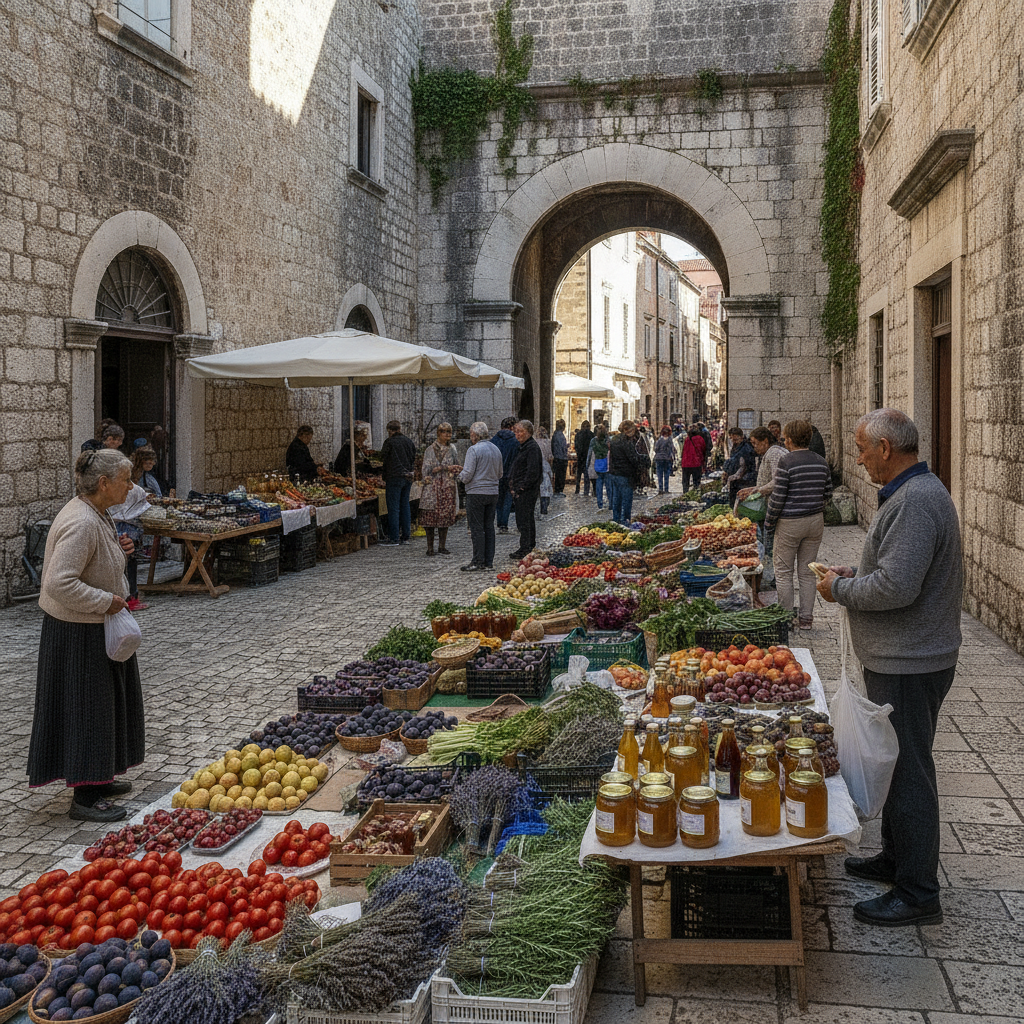
Split Food & Dalmatian Cooking — Prsut, Black Risotto & Konoba Culture
The Dalmatian food tradition of Split (the inland grilled meat tradition of the Zagora hinterland meeting the Adriatic fish and shellfish of the coast, the wine traditions of the Kastela vineyards and the Peljesac peninsula, the dried meat tradition of the Dalmatian prosciutto — prsut — and the specific konoba culture of the family-run restaurant in the Old Town) is the culinary context for a Split visit.