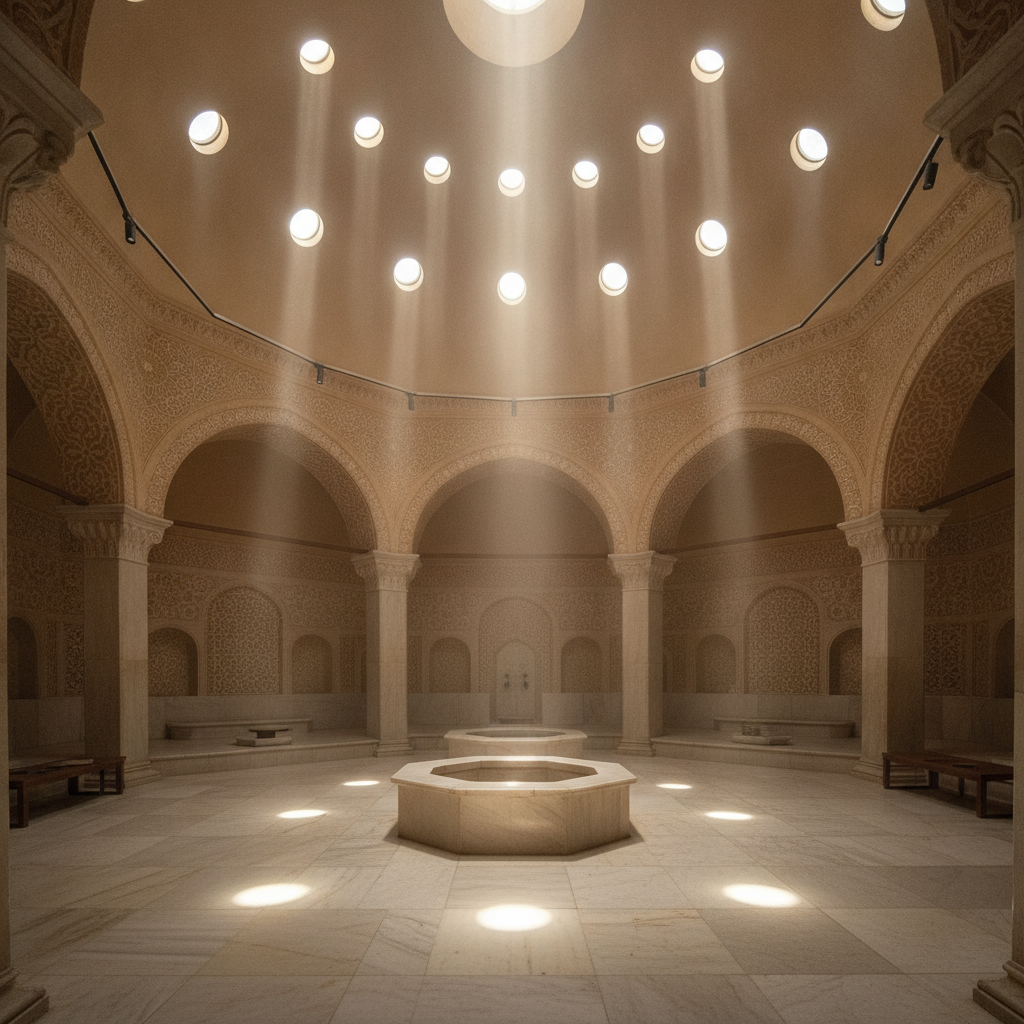

Thessaloniki Ottoman & Jewish Heritage — Hamams, the Bezesteni & the Multicultural City
Thessaloniki's 500 years as an Ottoman city (1430-1912) and 400 years as the home of the largest Sephardic Jewish community in the world (1492-1943) have left a layered heritage that coexists with the Byzantine monuments and the modern Greek city in a way unique in the eastern Mediterranean.
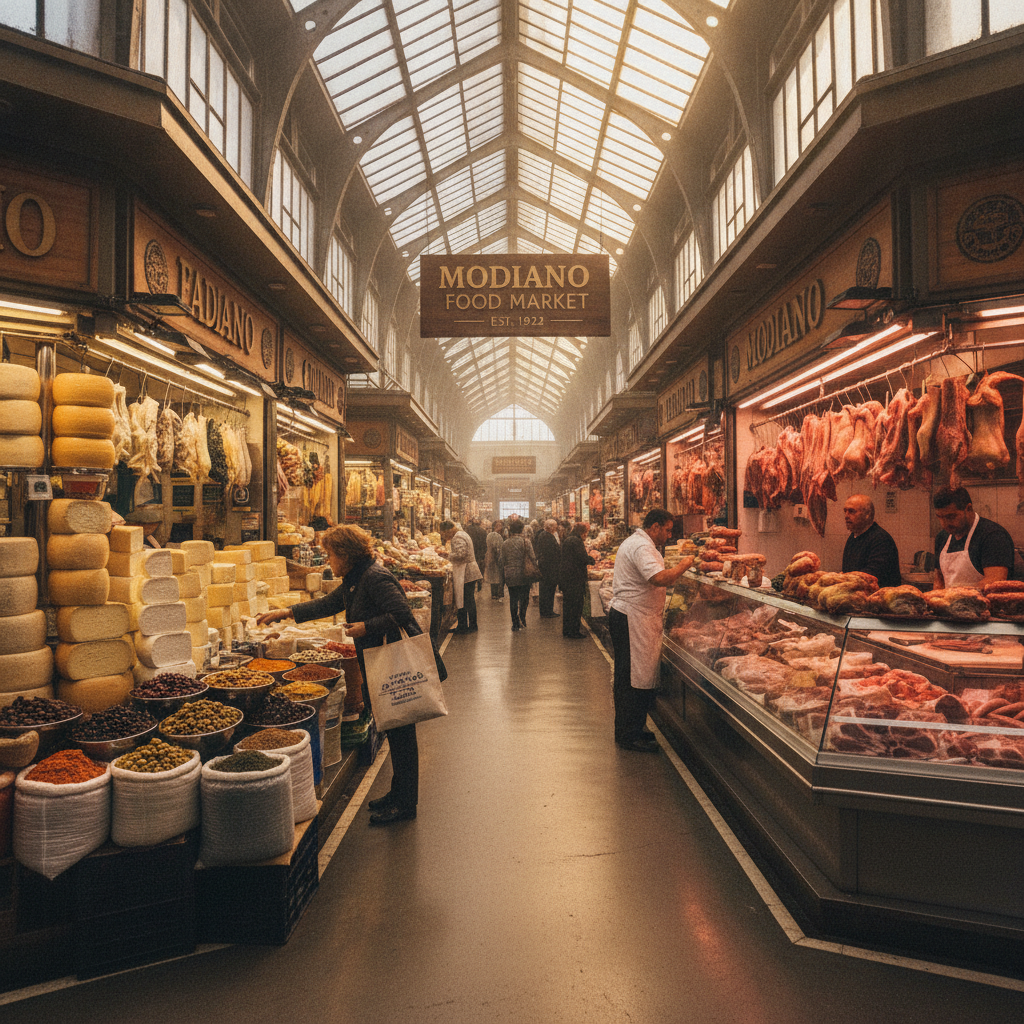
Thessaloniki Food — Markets, Bougatsa, Mezedes & the Greek Food Capital
Thessaloniki's food reputation (the self-proclaimed food capital of Greece, the claim based on the multi-layered culinary traditions of the city — the Ottoman heritage, the Sephardic Jewish cooking traditions of the large pre-war Jewish community, the Anatolian refugee cooking brought by the 1922 population exchange, and the Macedonian Greek village tradition) is sustained by the market culture, the pastry tradition, and the evening taverna circuit.
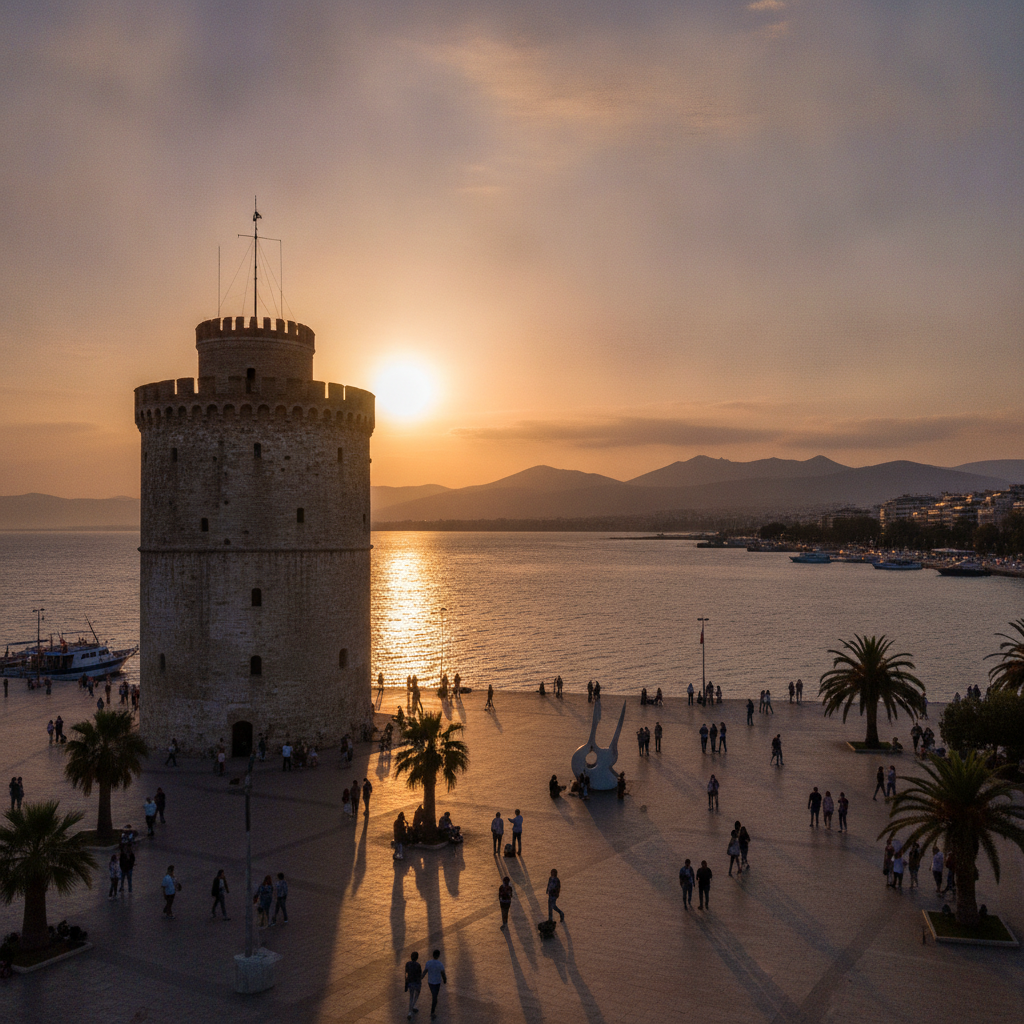
Thessaloniki Waterfront & Roman Legacy — the White Tower, Galerius Complex & Byzantine Walls
Thessaloniki (the second-largest city in Greece, population 325,000 in the city proper and 1.1 million in the metropolitan area, founded in 315 BCE by King Cassander of Macedonia who named it after his wife Thessalonike, the half-sister of Alexander the Great, built on the Thermaic Gulf with the Axios river delta to the west and the Chalkidiki peninsula to the east) is Greece's second cultural capital — the Byzantine monuments, the Ottoman heritage, and the Roman remains coexisting in a living city rather than an archaeological museum.